

EXPERIENCED PERSONAL INJURY ATTORNEYS











Illinois Refrigerated Truck Accident Lawyers
Complex Injury Attorneys for Trucking Crashes
Refrigerated trucks, commonly called reefer trucks, play an essential role in transporting perishable goods throughout Illinois. These commercial vehicles deliver meat, dairy products, frozen foods, pharmaceuticals, fresh produce, and other temperature-sensitive cargo to grocery stores, restaurants, hospitals, warehouses, and distribution centers. Although refrigerated trucks help keep the supply chain moving, they can also pose serious dangers when drivers, trucking companies, or other responsible parties fail to follow appropriate safety practices.
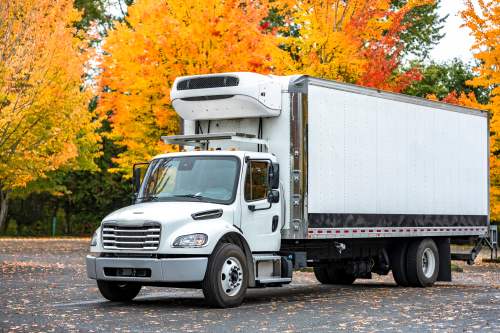
A truck accident can cause catastrophic injuries because these vehicles combine the size and weight of a commercial truck with the additional equipment needed to maintain cargo temperatures. A collision may involve a tractor-trailer transporting frozen food, a refrigerated box truck making local deliveries, or a commercial vehicle traveling between distribution centers on Illinois highways. Regardless of the truck’s size, a negligent driving decision, improperly maintained equipment, or an unsecured load can have devastating consequences.
At John J. Malm & Associates, we understand that truck accident injuries can create significant physical, emotional, and financial challenges for injured people and their families. Understanding how refrigerated truck accidents happen, who may be liable, and what evidence can support an injury claim can help victims protect their rights after a serious collision.
What Is a Refrigerated Truck?
A refrigerated truck is a commercial vehicle equipped with an insulated cargo compartment and a refrigeration unit designed to maintain a specified temperature during transportation. These vehicles are used throughout the food distribution, pharmaceutical, agricultural, and medical supply industries. Refrigerated trucks come in several configurations, including:
- Refrigerated tractor-trailers: Large combination vehicles used to transport substantial quantities of perishable goods over long distances.
- Refrigerated box trucks: Medium-duty trucks used for local and regional deliveries to stores, restaurants, and commercial facilities.
- Refrigerated delivery vans: Smaller commercial vehicles that transport temperature-sensitive products on shorter routes.
- Refrigerated straight trucks: Vehicles with a single chassis and attached cargo body, frequently used for regional distribution.
Although the refrigeration equipment itself is designed to preserve cargo, the vehicle must still be operated and maintained safely. Drivers must account for the truck’s dimensions, weight, stopping distance, blind spots, and handling characteristics. Trucking companies must also ensure that their vehicles are roadworthy and that drivers receive appropriate training.
Refrigeration equipment may add mechanical components, fuel or electrical systems, and maintenance requirements. Depending on the vehicle’s design, the refrigeration unit may be mounted at the front of the trailer or integrated into the cargo body. These features do not automatically make a refrigerated truck more dangerous than another commercial vehicle, but they can introduce additional inspection and maintenance considerations.
How Common Are Truck Accidents?
Federal crash statistics demonstrate the seriousness of collisions involving large commercial trucks. Although federal databases generally do not separate refrigerated trucks from other large trucks, the overall figures provide important context for understanding the risks associated with commercial trucking.
According to the National Highway Traffic Safety Administration (NHTSA), 5,472 people died in traffic crashes involving large trucks in 2023. Approximately 70% of those killed were occupants of vehicles other than the large trucks involved. The figure includes crashes involving different types of large trucks, not refrigerated trucks alone.
The NHTSA also reported that 5,969 people died in large-truck crashes in 2022, meaning the total decreased by approximately 8% in 2023. Despite that decline, thousands of people continued to die in crashes involving large trucks.
These statistics are significant for Illinois motorists because refrigerated trucks share roads with passenger vehicles, motorcycles, bicyclists, and pedestrians. Major transportation corridors such as I-55, I-80, I-88, I-90, and I-294 carry commercial traffic serving warehouses, food distributors, manufacturers, and retailers.
A refrigerated truck accident may occur at highway speeds, in congested urban traffic, at a distribution center, or on a local road during a delivery. The circumstances differ, but the potential consequences can include severe injuries, permanent disability, and wrongful death.
Common Causes of Refrigerated Truck Accidents
Refrigerated truck accidents can result from driver negligence, mechanical problems, unsafe loading practices, inadequate maintenance, or dangerous roadway conditions. In many cases, several contributing factors combine to cause a collision, including:
1. Driver Fatigue
Commercial truck drivers may travel long distances and work demanding schedules. Fatigue can impair attention, reaction time, judgment, and the ability to recognize hazards. Federal hours-of-service rules generally limit property-carrying commercial drivers to 11 hours of driving after 10 consecutive hours off duty, subject to additional restrictions and exceptions. Drivers and motor carriers must also comply with applicable duty-period limits and required rest breaks.
A driver who exceeds legal driving limits, ignores signs of fatigue, or fails to obtain adequate rest may be unable to respond appropriately to sudden traffic changes. Fatigue-related negligence may be relevant when a refrigerated truck rear-ends a stopped vehicle, drifts from its lane, or fails to slow down for congested traffic.
2. Speeding and Unsafe Driving
Refrigerated trucks require careful operation because their size and weight affect braking and maneuverability. Excessive speed can make it more difficult to stop in time, negotiate curves, or avoid a sudden obstruction. Common examples of unsafe driving include:
- Traveling too fast for traffic, weather, or road conditions.
- Following other vehicles too closely.
- Making unsafe lane changes.
- Failing to yield the right of way.
- Driving aggressively in congested traffic.
- Failing to slow down when approaching stopped or slowing vehicles.
A collision involving a heavy refrigerated tractor-trailer may cause substantial damage even when the passenger vehicle is traveling at a relatively low speed.
3. Distracted Driving
Truck drivers must remain attentive to traffic, roadway conditions, and other vehicles. Distractions can interfere with safe vehicle operation, particularly when a driver must react quickly to a changing traffic situation. Potential distractions include:
- Texting or using a handheld phone.
- Adjusting navigation systems while moving.
- Interacting with dispatch systems unnecessarily while driving.
- Eating or handling objects.
- Looking away from the roadway for extended periods.
Federal regulations restrict commercial motor vehicle drivers’ use of handheld mobile telephones while driving. Violations may provide relevant evidence when distraction contributes to a crash.
4. Improper Cargo Loading and Weight Distribution
Cargo inside a refrigerated trailer must be loaded, secured, and distributed appropriately. An improperly loaded truck may become difficult to control, particularly during turns, emergency braking, or sudden lane changes. Potential loading problems include:
- Uneven weight distribution.
- Cargo that shifts during transit.
- Inadequate restraints or blocking.
- Exceeding applicable weight limits.
- Improperly secured pallets or containers.
- Failure to account for the effect of cargo movement on vehicle stability.
Not every refrigerated truck accident involves shifting cargo, but loading practices can be an important part of a thorough investigation. Responsibility may extend beyond the driver to a shipper, loading contractor, warehouse operator, or motor carrier, depending on who controlled the loading process and whether their conduct contributed to the crash.
5. Mechanical Failures and Poor Maintenance
Commercial trucks must be maintained in safe operating condition. Refrigerated trucks have ordinary commercial vehicle components, including tires, brakes, steering systems, lights, and suspension components, as well as refrigeration equipment. Potential mechanical problems include:
- Worn or defective brakes.
- Tire blowouts or tread separation.
- Steering or suspension failures.
- Defective lights or other safety equipment.
- Poorly maintained trailers or coupling components.
- Electrical problems that affect vehicle systems.
A refrigeration unit malfunction does not automatically cause a traffic accident. However, maintenance failures involving the truck’s roadgoing components can contribute to collisions. In some cases, a defective component may raise a separate product-liability issue. Maintenance records, inspection reports, repair invoices, and post-crash examinations can help establish whether a mechanical defect or maintenance failure contributed to the accident.
6. Poor Weather and Road Conditions
Illinois drivers regularly encounter rain, snow, ice, fog, and rapidly changing weather conditions. Heavy commercial vehicles may require substantial stopping distances, and slippery roads can make braking and steering more difficult. Truck drivers should adjust their speed and following distance to account for weather, visibility, and traffic conditions. Failure to adapt to hazardous conditions may support a negligence claim when it contributes to a crash.
7. Inadequate Driver Training and Supervision
Motor carriers have responsibilities relating to driver qualifications, training, supervision, and safety compliance. A company may face potential liability when negligent hiring, inadequate training, or deficient safety oversight contributes to an accident.
For example, a driver who has not been adequately trained to operate a commercial vehicle may mishandle a difficult turn or fail to maintain a safe following distance. Whether the employer is legally responsible depends on the facts, applicable law, and the relationship between the driver’s conduct and the company’s responsibilities.
Injuries Caused by Refrigerated Truck Accidents
Because commercial trucks can weigh many times more than passenger vehicles, collisions can expose occupants to substantial impact forces. Injuries range from relatively minor trauma to permanent disabilities requiring lifelong care. Common injuries include:
- Traumatic brain injuries: Concussions and more serious brain injuries may cause headaches, memory loss, cognitive impairment, and long-term neurological complications.
- Spinal cord injuries: Damage to the spinal cord can result in partial or complete paralysis.
- Neck and back injuries: Herniated discs, fractures, and other spinal injuries may cause chronic pain and limited mobility.
- Broken bones: Fractures of the arms, legs, ribs, pelvis, and other bones may require surgery and extensive rehabilitation.
- Internal injuries: Damage to internal organs or internal bleeding can be life-threatening.
- Burns and lacerations: Serious collisions can cause injuries from shattered glass, damaged vehicle components, or fires.
- Amputations: Severe crushing injuries may require surgical amputation and long-term rehabilitation.
- Fatal injuries: Some collisions result in death, leaving surviving family members facing profound emotional and financial losses.
The full consequences of a truck accident may not be immediately apparent. Some injuries, including certain brain injuries and internal injuries, may initially present with subtle symptoms. Anyone involved in a serious collision should seek prompt medical evaluation and follow professional medical advice.
Who May Be Liable for a Refrigerated Truck Accident?
Determining liability requires investigating how the accident happened and identifying the parties whose negligence or other legally actionable conduct contributed to the injury. Depending on the facts, potentially responsible parties may include:
The Truck Driver
A driver may be liable for negligent conduct such as speeding, distracted driving, unsafe lane changes, or driving while impaired or fatigued.
The Trucking Company
A motor carrier may be responsible for its driver’s conduct under applicable legal principles. A company may also face direct claims involving negligent hiring, training, supervision, or maintenance when supported by the evidence.
The Cargo Loader or Shipper
A party responsible for loading or securing cargo may be liable if improper loading contributed to the crash and the applicable legal requirements for liability are satisfied.
A Maintenance or Repair Provider
A company that negligently repairs or services a truck may bear responsibility when its work causes or contributes to a mechanical failure.
A Manufacturer or Parts Supplier
A manufacturer or supplier may face a product-liability claim if a defective component caused or contributed to the accident. Such claims require evidence establishing the relevant defect and legal basis for liability.
Other Motorists or Entities
Another driver, a contractor, or another entity may have contributed to the collision. In certain circumstances, roadway design or maintenance issues may also warrant investigation. Claims against governmental entities can involve special notice requirements and deadlines.
More than one party may share responsibility. An investigation should consider the complete chain of events rather than assuming that only the driver can be held accountable.
Federal Regulations Governing Commercial Trucks
Commercial trucking is subject to federal and state safety requirements. Federal Motor Carrier Safety Administration (FMCSA) regulations address driver qualifications, hours of service, vehicle inspections, maintenance, and other aspects of commercial motor vehicle operations. Relevant safety requirements may include:
- Hours-of-service restrictions designed to reduce fatigue-related risks.
- Driver qualification and licensing requirements.
- Vehicle inspection and maintenance obligations.
- Rules governing commercial motor vehicle operation.
- Cargo securement requirements where applicable.
- Restrictions on texting and handheld mobile telephone use while driving.
Applicable requirements depend on the vehicle, operation, cargo, and circumstances. Not every rule applies to every refrigerated truck, and a regulatory violation does not automatically establish civil liability. However, evidence of a violation may be important when evaluating negligence and causation.
Evidence Used to Investigate a Refrigerated Truck Accident
Truck accident cases can require extensive investigation because important evidence may be held by trucking companies, contractors, insurers, and other third parties. Some evidence may be overwritten, lost, or discarded if it is not preserved promptly. Potentially relevant evidence includes:
- Police crash reports and photographs of the scene.
- Witness statements and contact information.
- Vehicle damage photographs and inspection records.
- Electronic logging device data and available hours-of-service records.
- GPS information and available vehicle telematics.
- Dashcam or surveillance footage.
- Driver qualification and training records.
- Maintenance and repair records.
- Cargo manifests, bills of lading, and loading documentation.
- Relevant communications among the driver, dispatcher, carrier, and other parties.
- Medical records, treatment expenses, and documentation of lost income.
Electronic evidence can be particularly important when investigating speed, braking, driver activity, and the sequence of events before a collision. The availability of specific data depends on the vehicle’s equipment, applicable retention practices, and the circumstances of the crash.
An attorney may send a preservation letter requesting that potentially relevant evidence be retained. Prompt legal investigation can help reduce the risk that important information will disappear before the case is evaluated.
Compensation Available After a Refrigerated Truck Accident in Illinois
People injured because of another party’s negligence may be entitled to seek compensation under Illinois law. The amount and types of recoverable damages depend on the evidence, the injury’s effects, applicable law, and any defenses that apply. Potential damages may include:
- Emergency treatment, hospitalization, surgery, and rehabilitation expenses.
- Future medical care and related costs.
- Lost wages and diminished future earning capacity.
- Physical pain and suffering.
- Emotional distress and mental anguish.
- Disability, disfigurement, and loss of normal activities, where supported by the evidence.
- Other legally recoverable losses resulting from the injury.
In fatal refrigerated truck accidents, eligible surviving family members may have claims under the Illinois Wrongful Death Act, and the estate may have a separate claim under the Illinois Survival Act. The available claims and recoverable damages depend on the facts and statutory requirements.
What to Do After a Refrigerated Truck Accident
Taking appropriate steps after a collision can help protect your health and preserve evidence.
- Call 911 when necessary. Request emergency assistance if anyone is injured or the crash presents a safety hazard.
- Get medical attention. Seek evaluation even if symptoms initially appear minor.
- Document the scene when safe. Photograph vehicle damage, road conditions, visible truck markings, and other relevant details.
- Collect witness information. Obtain names and contact information from people who saw the collision.
- Preserve records. Keep medical bills, treatment records, receipts, wage documentation, and insurance correspondence.
- Avoid speculation. Provide accurate information but do not guess about the cause of the crash or the extent of injuries.
- Be cautious with insurance requests. Consider obtaining legal advice before providing a recorded statement to an opposing insurer or signing a release.
- Consult an experienced Illinois truck accident attorney. An attorney can help evaluate liability, identify potentially responsible parties, and take steps to preserve evidence.
Frequently Asked Questions About Refrigerated Truck Accidents
Are refrigerated truck accidents more dangerous than regular car accidents?
They can be. Refrigerated tractor-trailers and other large commercial vehicles have substantial mass and may cause severe injuries in a collision with a passenger vehicle. The seriousness of any crash depends on factors such as speed, impact location, vehicle size, and occupant protection.
What causes most refrigerated truck accidents?
There is no single cause for all refrigerated truck crashes, and public crash data generally do not separately identify refrigerated trucks. Potential contributing factors include driver fatigue, speeding, distraction, unsafe following distances, mechanical failures, poor maintenance, and improper cargo loading.
Can I sue a trucking company after a refrigerated truck accident?
You may be able to pursue a claim against a trucking company if its driver’s conduct or the company’s own negligence caused or contributed to your injuries. Liability depends on the evidence and the applicable legal principles.
Can a cargo loader be held responsible for a refrigerated truck crash?
Potentially. If improper loading or cargo securement contributed to the accident, a loader, shipper, or other responsible party may face liability. The facts must establish the party’s role, the applicable duty, and the connection between the conduct and the injury.
What if the refrigerated truck had a mechanical defect?
Maintenance failures or defective components may support claims against a responsible maintenance provider, trucking company, manufacturer, or another party. An inspection of the vehicle and review of maintenance records may help determine what happened.
How long do I have to file a truck accident lawsuit in Illinois?
Illinois generally allows two years to file a personal injury lawsuit, subject to exceptions. Special rules may apply to wrongful death cases, claims involving minors, and claims against governmental entities. It is important to seek legal advice promptly.
What compensation can I recover after a refrigerated truck accident?
Depending on the facts, compensation may include medical expenses, lost wages, future care, pain and suffering, and other legally recoverable damages. The amount depends on the injury, the available evidence, liability, and applicable law.
Should I hire an attorney after a refrigerated truck accident?
Legal representation may be especially helpful when a crash involves serious injuries, disputed liability, multiple potentially responsible parties, or complex commercial trucking records. An attorney can investigate the accident, preserve evidence, and help you understand your legal options.
Contact the 5-Star Rated Refrigerated Truck Accident Attorneys at John J. Malm & Associates
A refrigerated truck accident can change a person’s life in seconds. Serious injuries may require surgery, months of rehabilitation, ongoing medical treatment, or permanent changes to work and family life. Meanwhile, injured people may face mounting bills, lost income, and insurance companies working to limit their financial exposure. Determining what happened and identifying every responsible party can be particularly challenging when a commercial trucking company, cargo loader, maintenance provider, or vehicle manufacturer may be involved.
At John J. Malm & Associates, we represent people injured in serious truck accidents and other preventable collisions. Our firm brings more than 95 years of combined litigation experience to personal injury cases. We understand the importance of investigating the circumstances of a crash, preserving critical evidence, and evaluating the full impact of an injury before pursuing compensation.
If you or someone you love has been injured in a refrigerated truck accident in Illinois, contact John J. Malm & Associates for a free consultation. We can discuss the collision, explain your legal options, and help you understand the steps involved in pursuing a claim. Call (630) 527-4177 to speak with our firm. Do not assume that an insurance company’s initial assessment reflects the full value of your injuries or your future needs. Contact our firm after an accident so you can make informed decisions about protecting your rights and pursuing the compensation you deserve.