

EXPERIENCED PERSONAL INJURY ATTORNEYS














Illinois Construction Truck Accident Lawyers
Experienced Injury Attorneys for Crashes with Dump Trucks and Concrete Mixers
Construction sites depend on trucks and heavy vehicles to move materials, equipment, debris, soil, concrete, and other supplies. Dump trucks, concrete mixers, tractor-trailers, flatbed trucks, cement trucks, and other commercial vehicles are essential to construction projects throughout Illinois. But when one of these vehicles is operated negligently or improperly maintained, a truck accident can cause catastrophic injuries to workers, motorists, pedestrians, and other people nearby.
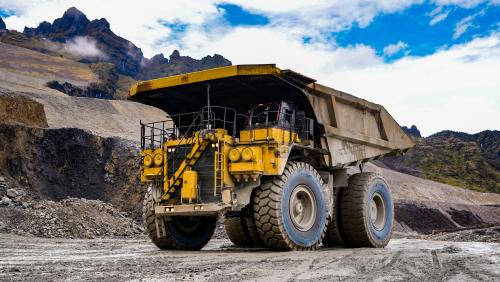
Construction truck accidents can happen on active job sites, in parking areas, at loading zones, on public roads, or in work zones where construction vehicles interact with ordinary traffic. The risks can be particularly serious because construction trucks are large, heavy, and often have substantial blind spots. A worker or motorist may have little protection when struck by a fully loaded commercial vehicle.
The latest federal and Illinois statistics demonstrate the seriousness of vehicle-related hazards in the workplace. The U.S. Bureau of Labor Statistics reported 156 fatal work injuries in Illinois in 2024. Transportation incidents were the state’s leading category of fatal workplace events, accounting for 55 deaths, or 35% of all fatal work injuries. Nationally, transportation incidents accounted for 38.2% of occupational fatalities in 2024, making them the most common fatal event.
Construction workers face particular risks from moving vehicles and heavy equipment. OSHA reports that approximately 75% of struck-by fatalities involve heavy equipment such as trucks or cranes, and that one in four “struck-by vehicle” deaths involves a construction worker.
For someone injured in a construction truck accident, determining what happened and who is legally responsible can be complicated. The potentially responsible parties may include a truck driver, trucking company, construction company, general contractor, subcontractor, equipment owner, maintenance company, manufacturer, or another motorist.
“When a construction truck causes a serious injury, the accident investigation needs to look at the entire chain of responsibility. The driver, trucking company, contractors, equipment, site conditions, and available insurance coverage may all be important to understanding what happened and protecting an injured person’s rights.” — John J. Malm, Naperville truck accident attorney
Construction Truck Accidents Are a Serious Illinois Safety Issue
Construction is one of the most hazardous industries in the United States. In 2024, construction and extraction occupations experienced 1,032 fatal workplace injuries nationwide, according to the Bureau of Labor Statistics. The fatal injury rate for the occupation was 12.6 deaths per 100,000 full-time equivalent workers. Illinois also continues to experience fatal construction workplace accidents. BLS reported 26 fatal workplace injuries in the Illinois construction industry in 2024.
Vehicle accidents are only one category of construction-related injuries, but they represent an important hazard because construction sites bring workers, heavy equipment, commercial vehicles, and ordinary traffic into close proximity.
Illinois also has an extensive network of road construction and work zones. IDOT’s 2024 Illinois Crash Facts report recorded 1,976 large-truck crashes in work zones, including 12 fatal crashes and 266 injury crashes. Tractor-semitrailers accounted for 1,396 of those large-truck work-zone crashes.
These figures cover large trucks generally rather than construction trucks specifically. Nevertheless, they illustrate the dangers created when large commercial vehicles operate in or around construction zones.
What Is a Construction Truck Accident?
A construction truck accident is a collision or other incident involving a truck used to transport materials, equipment, debris, or other cargo associated with construction. Construction trucks can include:
- Dump trucks
- Concrete mixer trucks
- Cement trucks
- Tractor-trailers
- Flatbed trucks
- Roll-off trucks
- Crane trucks
- Delivery trucks
- Water trucks
- Utility trucks
- Lowboy and equipment-hauling trailers
- Garbage and debris trucks
- Other heavy commercial vehicles
An accident can occur while the truck is traveling on a public highway or while it is operating within a construction site. For example, a worker could be struck by a dump truck backing toward an excavation area. A motorist could collide with a construction vehicle entering a highway from a work zone. A pedestrian could be hit by a truck making a turn. A concrete truck could overturn, or a flatbed could lose improperly secured construction materials. Each scenario can raise different questions about negligence and liability.
Common Types of Construction Truck Accidents
Backover Accidents
Backing accidents are a significant construction hazard. A truck driver may have limited visibility behind the vehicle, particularly when operating a large dump truck or other heavy vehicle. OSHA identifies backover incidents as a serious hazard in construction and has documented fatal incidents involving dump trucks, tractor-trailers, and other vehicles.
A worker may be struck while walking behind a truck, working near the vehicle, directing traffic, or performing another task at the site. Potential contributing factors can include:
- Failure to use a spotter when appropriate
- Poor visibility
- Blind spots
- Failure to use available cameras or detection systems
- Inadequate warning devices
- Lack of communication
- Poor traffic control
- Failure to separate pedestrians from vehicles
Dump Truck Accidents
Dump trucks are frequently used to transport dirt, gravel, asphalt, demolition materials, and other construction materials. Their large size and elevated beds create hazards when loading, unloading, turning, or backing. A dump truck can also become unstable if operated improperly on a slope or if its cargo is distributed incorrectly.
Concrete Truck Accidents
Concrete mixer trucks are heavy vehicles with rotating drums and unique handling characteristics. They may be involved in collisions while traveling to or from construction sites or while maneuvering within confined areas. A concrete truck accident can cause significant injuries to workers, motorists, or pedestrians.
Flatbed Truck Accidents
Flatbed trucks transport equipment, steel, lumber, pipes, construction machinery, and other materials. If cargo is improperly loaded or secured, it can shift or fall from the vehicle. A falling load can strike another vehicle or person and cause catastrophic injuries.
Tractor-Trailer Construction Accidents
Construction projects often require deliveries from large commercial trucks. These tractor-trailers may enter and leave active work zones, sometimes maneuvering around workers, barriers, equipment, and partially completed roads. A collision can occur because of speeding, unsafe lane changes, inadequate visibility, driver distraction, fatigue, or failure to follow work-zone traffic controls.
Construction Truck Accidents in Work Zones
Construction work zones create an unusual combination of hazards. Workers may be standing only a few feet from moving traffic while heavy construction equipment moves in the same general area.
OSHA states that the majority of fatalities occurring in road construction work zones involve workers being struck by construction equipment or other vehicles. OSHA also notes that a construction worker may be just as likely to be struck by construction equipment inside the work zone as by passing traffic.
Illinois’ 2024 crash data demonstrate the scale of the problem involving large trucks in work zones. The state recorded 1,976 large-truck work-zone crashes, including 12 fatal crashes and 266 injury crashes. Work-zone accidents can involve:
- Workers
- Flaggers
- Construction inspectors
- Surveyors
- Engineers
- Utility workers
- Emergency responders
- Motorists
- Pedestrians
- Bicyclists
- Truck drivers
- Heavy-equipment operators
When a crash occurs, an investigation should examine not only the actions of the truck driver but also the design and implementation of traffic-control measures.
Common Causes of Construction Truck Accidents
Construction truck crashes can have many causes. Establishing the cause often requires examining physical evidence, electronic data, witness testimony, company records, and applicable safety requirements.
Driver Fatigue
Truck drivers may spend long hours operating commercial vehicles. Fatigue can affect attention, reaction time, and decision-making. Commercial drivers may be subject to federal hours-of-service requirements. An investigation can therefore examine driver logs and electronic logging device information when fatigue is suspected.
Distracted Driving
A distracted driver may fail to see a worker, pedestrian, vehicle, barrier, or other hazard. Potential evidence can include:
- Cell-phone records
- Dash-camera footage
- Vehicle electronic data
- Surveillance video
- Witness testimony
- Driver statements
Speeding
Speed is particularly important when a truck is operating near construction workers or other vehicles. A large commercial vehicle needs adequate distance and time to stop. Driving too quickly for the roadway, traffic, weather, or work-zone conditions can contribute to a crash.
Blind Spots
Large construction trucks can have substantial areas around the vehicle where the driver has limited visibility. Blind-spot accidents can occur when:
- A truck changes lanes
- A truck makes a turn
- A worker walks behind the vehicle
- A truck begins moving forward
- A driver backs toward a worker
- A smaller vehicle travels alongside the truck
Improper Loading or Securement
Construction trucks frequently transport heavy materials and equipment. If cargo is not properly loaded and secured, it can shift, fall, or destabilize the vehicle. A crash investigation may therefore need to determine who loaded the vehicle and whether appropriate procedures were followed.
Mechanical Failures
Brake problems, tire failures, steering defects, suspension problems, lighting failures, and other mechanical issues can contribute to construction truck crashes. Maintenance records may reveal whether a company knew about a problem before the accident.
Poor Site Design
A construction site can become dangerous when pedestrian and vehicle traffic are not adequately separated. Potential site-design issues include:
- Narrow travel lanes
- Poor signage
- Inadequate lighting
- Missing barriers
- Improperly positioned equipment
- Poorly marked pedestrian areas
- Inadequate traffic-control plans
Injuries Caused by Construction Truck Accidents
A person struck by a construction truck may suffer devastating injuries because of the significant difference in size and weight between a large commercial vehicle and a pedestrian, worker, passenger vehicle, or motorcycle. Potential injuries include:
- Traumatic brain injuries
- Spinal cord injuries
- Paralysis
- Broken bones
- Crush injuries
- Internal bleeding
- Organ damage
- Amputations
- Severe lacerations
- Nerve damage
- Burns
- Facial injuries
- Scarring and disfigurement
- Soft-tissue injuries
- Psychological trauma
- Fatal injuries
A serious injury may require emergency treatment, surgery, hospitalization, rehabilitation, physical therapy, occupational therapy, and long-term medical care. The financial consequences can also be substantial. An injured construction worker may be unable to return to the job for weeks, months, or permanently.
Workers’ Compensation and Third-Party Claims
When a construction worker is injured in a truck accident, workers’ compensation may be available if the injury arose out of and in the course of employment. However, workers’ compensation may not necessarily be the worker’s only potential legal remedy.
Construction projects frequently involve multiple companies. A worker may be employed by one company but injured because of the conduct of another contractor, subcontractor, trucking company, equipment manufacturer, or property owner.
In those circumstances, the worker may potentially have a third-party personal injury claim in addition to a workers’ compensation claim. Third-party claims can be particularly important because a personal injury lawsuit may allow recovery of damages that are not generally available through workers’ compensation, depending on the circumstances and applicable law. An investigation should therefore determine all of the companies and individuals involved in the construction project and the accident.
Who May Be Responsible for a Construction Truck Accident?
Potentially responsible parties can vary considerably from one case to another. They may include:
- The construction truck driver
- The trucking company
- A construction company
- A general contractor
- A subcontractor
- A site owner
- An equipment owner
- A vehicle maintenance company
- A company responsible for loading cargo
- A manufacturer of defective equipment
- Another negligent motorist
- Other parties whose conduct contributed to the accident
The fact that several companies were working at the same location does not automatically establish liability. Evidence must be used to determine which parties had responsibilities relevant to the accident and whether their conduct caused or contributed to the injury.
Investigating a Construction Truck Accident
Serious construction truck accidents should be investigated promptly. Construction sites change rapidly. Equipment may be moved, damaged materials may be removed, and witnesses may leave the project. Important evidence can include:
- Police reports
- OSHA investigation records
- Photographs
- Video surveillance
- Dash-camera footage
- Cell-phone records
- Electronic logging device data
- Vehicle inspection records
- Maintenance records
- Driver qualification records
- Training records
- Safety policies
- Site plans
- Traffic-control plans
- Work-zone diagrams
- Construction contracts
- Subcontractor agreements
- Delivery records
- Cargo-loading documentation
- Witness statements
- Medical records
- Accident reconstruction evidence
Preserving the truck and other physical evidence can also be critical. A vehicle that may contain evidence of a mechanical failure should not necessarily be repaired or discarded before appropriate investigation.
What to Do After a Construction Truck Accident
If you are injured in a construction truck accident, your immediate priority should be obtaining medical attention and getting away from any continuing hazards. After a serious accident, consider taking these steps when possible:
- Seek prompt medical treatment.
- Report the accident to the appropriate authorities or employer.
- Follow your doctor’s treatment recommendations.
- Photograph the accident scene and your injuries when possible.
- Obtain names and contact information for witnesses.
- Preserve accident-related documents.
- Keep medical bills and records.
- Do not speculate about fault when discussing the accident.
- Avoid giving a recorded statement to an opposing insurance company without understanding your rights.
- Preserve communications concerning the accident.
- Contact an experienced Illinois construction accident attorney.
A prompt investigation can help preserve evidence that may otherwise disappear.
Frequently Asked Questions About Construction Truck Accidents
What is a construction truck accident?
A construction truck accident is a collision or other incident involving a truck used in construction operations. It can occur on a public roadway, in a work zone, or within an active construction site.
What causes construction truck accidents?
Common causes include driver distraction, fatigue, speeding, blind spots, improper backing, inadequate training, mechanical failures, improper cargo loading, unsafe work-zone design, and negligence by another motorist or company.
Can a construction worker receive workers’ compensation after a truck accident?
Potentially, yes. An employee injured while performing job duties may generally pursue applicable workers’ compensation benefits. The specific circumstances of the injury determine eligibility.
Can I sue someone other than my employer after a construction truck accident?
Potentially. If someone other than the employer contributed to the accident, an injured worker may have a third-party personal injury claim. Examples can include a trucking company, subcontractor, property owner, equipment manufacturer, or negligent driver.
What if I was injured by a construction truck while driving?
A motorist injured by a construction truck may have a personal injury claim if another party’s negligence caused the crash. The claim could potentially involve the truck driver, trucking company, construction company, or another responsible party.
What if a construction truck driver was an employee?
An employer can potentially be legally responsible for the conduct of an employee acting within the scope of employment. Whether that applies depends on the specific facts and applicable law.
What damages can be recovered after a construction truck accident?
Depending on the claim, damages may include medical expenses, lost income, diminished earning capacity, pain and suffering, disability, disfigurement, loss of normal life, and other legally recoverable losses. Wrongful death claims may involve additional categories of damages.
Contact the Top-Rated Illinois Construction Truck Accident Attorneys at John J. Malm & Associates
If you or a loved one has been seriously injured in a construction truck accident, the consequences can extend far beyond the initial emergency room visit. You may be facing surgery, rehabilitation, lost income, permanent disability, or a long-term change in your ability to work and enjoy your normal life.
John J. Malm & Associates represents injured workers, motorists, pedestrians, and others harmed in serious truck and construction accidents throughout Illinois. Our attorneys can investigate the accident, preserve important evidence, identify potentially responsible parties, examine insurance coverage, and pursue the compensation available under Illinois law. If you have been injured in a construction truck accident, contact our firm to discuss your case and learn about your legal options.