

EXPERIENCED PERSONAL INJURY ATTORNEYS












Freight Broker Liability in Illinois Truck Accidents
Top-Rated Injury Attorneys for Victims of Crashes With Big Rigs and 18-Wheelers
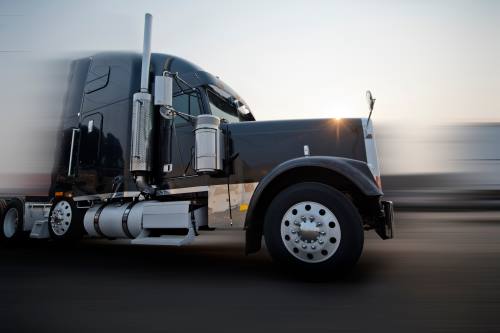
Truck accidents are rarely simple. While many people assume liability rests solely with the truck driver or trucking company, the reality is often far more complex. In today’s logistics-driven economy, freight brokers, companies that arrange transportation but do not own trucks, can also play a critical role in causing or contributing to serious crashes.
When a freight broker fails to properly vet a trucking company or ignores safety red flags, it may be held legally responsible for injuries and damages resulting from a truck accident. Understanding freight broker liability is essential for victims seeking full compensation.
“Freight broker liability is one of the most overlooked aspects of truck accident litigation. When brokers fail to prioritize safety in selecting carriers, they can and should be held accountable for the devastating consequences that follow.” – John J. Malm, Naperville semi accident attorney
What Is a Freight Broker?
A freight broker acts as an intermediary between shippers and motor carriers.
Instead of transporting goods directly, brokers:
- Connect shippers with trucking companies
- Negotiate rates and delivery terms
- Select which carrier will haul a load
- Coordinate logistics and documentation
Brokers do not own trucks or employ drivers, but their decisions can directly impact roadway safety.
The Size and Scope of the Freight Brokerage Industry
The freight brokerage industry is massive and continues to grow:
- Over $100 billion in freight is handled by brokers annually
- Approximately $200 billion in freight moves through intermediaries each year
- The U.S. has roughly 18,000 freight brokers and 2,000 freight forwarders
This scale means that brokers play a central role in determining which trucking companies operate on American roads and whether those companies are safe.
Why Freight Broker Liability Matters in Truck Accident Cases
Truck accidents often involve catastrophic injuries or fatalities, and the damages can quickly exceed insurance limits.
For example:
- Federal law requires motor carriers to carry a minimum of $750,000 in liability insurance
- However, serious truck accident claims frequently exceed that amount
Freight broker liability becomes critical because:
- It provides additional sources of compensation
- Brokers often carry higher insurance limits
- It allows victims to hold all negligent parties accountable
When Can a Freight Broker Be Held Liable?
Freight brokers are not automatically liable for truck accidents. However, courts increasingly recognize that brokers can be responsible under certain legal theories.
1. Negligent Hiring (Negligent Selection)
The most common basis for liability is negligent hiring of a motor carrier.
A broker may be liable if it:
- Hires a trucking company with a poor safety record
- Fails to review publicly available safety data
- Ignores red flags such as violations or prior crashes
- Selects a carrier with inadequate insurance
If a broker “knew or should have known” that a carrier was unsafe, it can be held responsible for resulting injuries.
2. Failure to Vet Safety Records
Brokers have access to safety data through the Federal Motor Carrier Safety Administration (FMCSA), including:
- Crash history
- Inspection reports
- Out-of-service rates
- Safety ratings
Failing to review this information may constitute negligence.
3. Negligent Entrustment
In some cases, a broker may be liable for entrusting a dangerous load to an unqualified carrier, especially if:
- The cargo requires specialized handling
- The carrier lacks proper equipment or training
4. Breach of Contract or Assumed Duties
Broker-carrier agreements often include safety requirements. If a broker neglects its agreement, then it may be liable for breach of contract or assumed duty.
- Promises to verify safety compliance
- Fails to enforce those standards
5. Direct Negligence
Although less common, brokers may also be directly liable if their own actions create unsafe conditions, such as:
- Setting unrealistic delivery deadlines
- Encouraging hours-of-service violations
- Allowing overloaded or improperly secured cargo
Common Red Flags Brokers Should Not Ignore
A reasonable freight broker should identify and avoid unsafe carriers. Warning signs include:
- Conditional or unsatisfactory safety ratings
- High out-of-service rates
- Recent crashes or violations
- Expired or insufficient insurance
- Driver qualification issues
- Hours-of-service violations
Ignoring these red flags can form the basis of a negligence claim.
The Role of FMCSA Regulations
Freight brokers are regulated by the Federal Motor Carrier Safety Administration (FMCSA).
Key requirements include:
- Registration with FMCSA
- Obtaining operating authority
- Maintaining a $75,000 surety bond or trust fund
While these requirements ensure financial responsibility, they do not shield brokers from liability when they act negligently.
The Federal Aviation Administration Authorization Act (FAAAA)
One of the most contested legal issues in freight broker liability cases involves the Federal Aviation Administration Authorization Act (FAAAA).
What Is the FAAAA?
The FAAAA includes a preemption clause that limits states from regulating:
- Broker prices
- Routes
- Services
How It Affects Liability
Brokers often argue that the FAAAA:
- Shields them from state negligence claims
- Prevents lawsuits related to their selection of carriers
However, courts have increasingly allowed claims to proceed when they involve safety-related negligence, such as hiring unsafe carriers.
Multiple Parties May Share Liability
Truck accident cases frequently involve several potentially liable parties, including:
- Truck driver
- Motor carrier (trucking company)
- Freight broker
- Shipper
- Maintenance providers
Identifying all responsible parties is critical to maximizing compensation.
Insurance Coverage and Freight Brokers
Freight brokers typically carry specialized insurance policies, including:
Contingent Auto Liability (CAL)
- Applies when the motor carrier’s insurance is insufficient
- Provides secondary coverage for injury claims
Broker Liability Insurance
- May provide direct coverage for negligence claims
- Often includes higher policy limits
These policies can significantly increase the amount of compensation available to accident victims.
Why Freight Broker Claims Are Complex
Freight broker liability cases are among the most complex types of personal injury claims.
They often require:
- Analysis of federal regulations
- Review of broker-carrier contracts
- Examination of FMCSA safety data
- Identification of multiple defendants
- Expert testimony on industry standards
Because brokers typically claim they are “just middlemen,” proving liability requires a detailed investigation.
Damages Available in Freight Broker Liability Cases
Victims injured in truck accidents involving negligent brokers may recover damages for:
- Medical expenses
- Lost wages
- Future medical care
- Disability or disfigurement
- Pain and suffering
- Loss of normal life
In wrongful death cases, families may also recover compensation for:
- Funeral expenses
- Loss of financial support
- Loss of companionship
The Importance of Acting Quickly After a Truck Accident
Evidence in truck accident cases can disappear quickly. Critical information such as:
- Electronic logging data
- Safety records
- Internal broker communications
may be lost or destroyed if not preserved early.
An experienced Illinois truck accident attorney can issue preservation letters and begin an immediate investigation to protect your case.
Frequently Asked Questions about Freight Broker Liability For Semi-Truck Accidents
Q: What is a freight broker’s role in a truck accident case?
A: A freight broker arranges transportation but does not operate the truck. However, it may still be liable if it negligently selects an unsafe carrier.
Q: Can I sue a freight broker after a truck accident?
A: Yes. If the broker’s actions contributed to the crash, such as hiring a dangerous trucking company, you may have a valid claim.
Q: What is negligent hiring in trucking cases?
A: Negligent hiring occurs when a broker fails to properly vet a carrier’s safety record, qualifications, or insurance before assigning a load.
Q: Does federal law protect freight brokers from lawsuits?
A: Not entirely. While the FAAAA limits certain claims, courts often allow lawsuits based on safety-related negligence to proceed.
Q: Why include a freight broker in a lawsuit?
A: Including a broker can:
- Increase available insurance coverage
- Provide additional compensation sources
- Strengthen your overall claim
Q: How do lawyers prove broker liability?
A: Evidence may include:
- FMCSA safety records
- Broker selection procedures
- Contracts and agreements
- Internal communications
- Prior violations or crash history
Contact the Award-Winning Illinois Freight Broker Truck Accident Lawyers at John J. Malm & Associates
Freight broker liability cases require a deep understanding of federal regulations, industry practices, and complex litigation strategies. These are not ordinary car accident claims, and insurance companies will aggressively defend brokers to avoid liability. If you or a loved one has been injured in a truck accident, it is essential to identify every responsible party, including freight brokers who may have contributed to the crash.
John J. Malm & Associates has the experience, resources, and determination to take on trucking companies, brokers, and their insurers. We will conduct a thorough investigation, uncover critical evidence, and fight to secure the full compensation you deserve.
Contact us today for a free consultation. There are no upfront fees, and you pay nothing unless we win your case. Let us help you hold negligent parties accountable and move forward with confidence.