

EXPERIENCED PERSONAL INJURY ATTORNEYS













Illinois Freight Truck Accident Lawyers
Catastrophic Injury Attorneys for Victims of Crashes With Semis
Freight trucks are essential to the Illinois economy. Tractor-trailers, box trucks, delivery vehicles, flatbed trucks, refrigerated trucks, and other commercial vehicles transport goods across Illinois and throughout the country every day. But when a large freight truck crashes into a passenger vehicle, motorcycle, bicycle, or pedestrian, the consequences can be devastating.
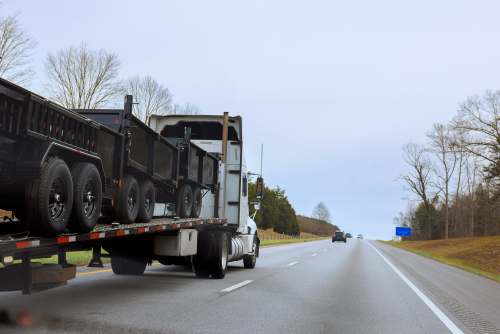
Freight truck accidents can cause catastrophic injuries because of the enormous difference in size and weight between commercial trucks and ordinary passenger vehicles. A collision can result in traumatic brain injuries, spinal cord injuries, broken bones, internal injuries, paralysis, amputation, or death.
These crashes can also be more complicated legally than ordinary car accidents. A truck driver may be responsible, but the driver’s employer, a trucking company, a freight broker, a cargo-loading company, a maintenance provider, or another party may also have responsibility depending on how the crash occurred. If you or a loved one has been injured in a freight truck accident in Illinois, understanding the causes of these crashes and the evidence necessary to establish liability can be important to protecting your legal rights.
“A freight truck can weigh many times more than the passenger vehicle it strikes. When a crash causes catastrophic injuries, we believe the investigation has to go beyond the surface. We need to understand what the driver, trucking company, and everyone involved in the operation of that truck did before the collision.” — John J. Malm, Naperville truck accident attorney
Freight Truck Accidents Are a Serious Safety Problem
Federal statistics demonstrate the dangers associated with large commercial trucks. The Federal Motor Carrier Safety Administration (FMCSA) reported that, according to its 2024 Motor Carrier Management Information System data, large trucks were involved in 714 fatal crashes and 36,783 non-fatal crashes in 2024, based on the data snapshot used by the agency. Those crashes involved 790 fatalities and 16,008 injuries in the FMCSA dataset.
Illinois also sees serious commercial-truck crashes. According to the Illinois Department of Transportation’s 2024 Crash Facts, there were 1,976 large-truck crashes in work zones, including 12 fatal crashes and 266 injury crashes. Tractor-semitrailers accounted for 1,396 of those work-zone crashes, including eight fatal crashes and 185 injury crashes.
These statistics do not mean that freight trucks are inherently unsafe. Commercial trucking is an essential part of transportation and commerce. They demonstrate, however, why a collision involving a large commercial vehicle can produce devastating consequences and why determining the cause of a truck crash is so important.
What Is a Freight Truck?
“Freight truck” is a broad term that can include many types of commercial vehicles used to transport goods. Common examples include:
- Tractor-trailers and semitrucks
- Box trucks
- Delivery trucks
- Flatbed trucks
- Refrigerated trucks
- Tanker trucks
- Dump trucks
- Car-carrier trucks
- Construction-related trucks
- Straight trucks
- Commercial pickup trucks
- Other cargo-carrying vehicles
The legal issues in a crash can vary depending on the type of truck, the cargo being transported, whether the vehicle was operating interstate or intrastate, and the identity of the companies involved.
Common Causes of Freight Truck Accidents
Truck crashes can happen for many different reasons. Sometimes the cause is driver error. In other cases, the crash results from inadequate maintenance, improper cargo loading, defective equipment, company practices, or a combination of factors. Some common causes include:
- Driver distraction
- Driver fatigue
- Speeding
- Following too closely
- Unsafe lane changes
- Failure to yield
- Improper turns
- Driving under the influence
- Inadequate driver training
- Mechanical failures
- Brake problems
- Tire failures
- Improper cargo securement
- Overloaded trucks
- Blind-spot collisions
- Poor weather conditions
- Unsafe trucking-company practices
Identifying the actual cause may require more than interviewing the truck driver. A complete investigation can involve reviewing electronic data, driver logs, vehicle inspections, maintenance records, cargo records, surveillance footage, and other evidence.
Driver Fatigue and Hours-of-Service Violations
Fatigue can be particularly dangerous when a person is operating a vehicle weighing tens of thousands of pounds. Federal regulations establish hours-of-service requirements for many commercial motor-vehicle drivers. For property-carrying drivers, FMCSA generally limits driving to 11 hours following 10 consecutive hours off duty, with a 14-hour on-duty window. Drivers also generally must take a 30-minute break after eight cumulative hours of driving.
FMCSA research has also examined the relationship between driver schedules, time behind the wheel, and safety-critical events. In one study involving naturalistic driving data, FMCSA reported that safety-critical events increased as driving hours increased and that breaks reduced risk in the hour following a break.
A truck driver who exceeds applicable hours-of-service limits may create evidence relevant to a subsequent crash investigation. However, the mere existence of an hours-of-service violation does not automatically establish liability in every case. The facts surrounding the violation and crash must be examined. Evidence may include:
- Electronic logging device information
- Driver duty-status records
- Dispatch records
- Fuel receipts
- GPS data
- Toll records
- Bills of lading
- Delivery schedules
- Text messages
- Employment records
Distracted Driving
Truck drivers can become distracted by many of the same things that distract passenger-vehicle drivers. Examples include:
- Cellphones
- Text messages
- Navigation systems
- Dispatch communications
- Eating or drinking
- Adjusting vehicle controls
- Looking at paperwork
- Conversations with passengers
- Looking away from the roadway
Because commercial trucks require significantly more distance and time to stop and maneuver, a distracted truck driver can cause severe consequences before recognizing a developing hazard. A truck accident investigation may examine cellphone records, onboard cameras, electronic systems, witness statements, and other evidence to determine whether distraction played a role.
Improperly Loaded or Secured Freight
Cargo is not simply a trucking-industry issue, it can become a major safety issue for everyone sharing the road. FMCSA’s cargo-securement rules require cargo transported in interstate commerce to be adequately immobilized or secured against movement. The rules address tiedowns, blocking and bracing, working load limits, and other securement requirements.
Improper cargo loading can cause several different types of accidents. Cargo can:
- Shift inside a trailer
- Cause a truck to become unstable
- Fall from a flatbed
- Become detached
- Strike another vehicle
- Cause the driver to lose control
- Contribute to a rollover
- Spill hazardous material
A freight truck accident involving improperly secured cargo may therefore require an investigation beyond the truck driver’s conduct.
Truck Blind Spots and Lane-Change Crashes
Large commercial trucks have substantial areas around the vehicle where visibility can be limited. Blind-spot collisions frequently occur when trucks change lanes, merge, turn, or enter roadways. Passenger-vehicle drivers should use caution around large trucks, but a truck driver also has an obligation to operate the vehicle safely. A truck driver’s failure to identify a vehicle in an adjacent lane may contribute to a collision.
Evidence from dashcams, traffic cameras, witness accounts, and vehicle-event data can sometimes help determine where each vehicle was located immediately before the crash.
Freight Truck Rollovers
Truck rollovers can be especially dangerous because a large commercial vehicle can cross multiple lanes of traffic or crush nearby vehicles during a rollover. Potential contributing factors include:
- Excessive speed
- Sharp turns
- Improperly loaded cargo
- Uneven cargo distribution
- Tire problems
- Mechanical failures
- Roadway conditions
- Driver error
When a truck rolls over, investigators may need to determine whether cargo shifted, whether the vehicle was properly loaded, and whether the driver was traveling at an appropriate speed.
Truck Brake and Tire Failures
Commercial trucks depend on properly functioning brakes and tires to safely control a heavy load. Maintenance failures can therefore have serious consequences. A truck accident investigation may examine:
- Brake inspections
- Brake adjustment
- Tire tread
- Tire pressure
- Tire age
- Maintenance schedules
- Repair records
- Inspection reports
- Prior mechanical complaints
If a trucking company ignored known maintenance problems, the company’s records may become important evidence in determining whether negligent maintenance contributed to the accident.
Who Can Be Liable for a Freight Truck Accident?
One of the most important differences between a truck accident and a typical car accident is that there may be several potentially responsible parties. Depending on the circumstances, liability may involve:
The Truck Driver
A driver may be responsible when negligent conduct such as speeding, distraction, impairment, unsafe lane changes, or other violations causes the collision.
The Trucking Company
The trucking company may potentially face liability depending on the employment relationship, the driver’s conduct, company policies, supervision, maintenance practices, or other circumstances.
A Cargo-Loading Company
If freight was improperly loaded or secured, the company responsible for loading the cargo may need to be investigated.
A Maintenance Company
A third-party maintenance provider may potentially be responsible if negligent maintenance or repairs contributed to a crash.
A Manufacturer
A defective truck component, tire, brake, steering component, or other part may potentially result in a product-liability claim.
Determining who is legally responsible requires a case-specific investigation.
Why Truck Accident Cases Require Extensive Evidence
A trucking company and its insurers may begin investigating a serious crash immediately. An injured person and their family need to understand what evidence exists and take steps to preserve relevant information. Important evidence can include:
- Police crash reports
- Photographs
- Accident-scene measurements
- Surveillance footage
- Dashcam footage
- Truck camera footage
- Electronic logging-device data
- GPS information
- Vehicle-event data
- Driver qualification records
- Drug and alcohol testing
- Maintenance records
- Inspection reports
- Cargo records
- Bills of lading
- Dispatch records
- Cellphone records
- Witness statements
- Medical records
Some evidence may be maintained electronically and may not remain available indefinitely.
Injuries Caused by Freight Truck Accidents
Because of the size and weight of commercial trucks, occupants of passenger vehicles can suffer catastrophic injuries even when the truck driver appears to have relatively minor injuries. Common injuries include:
- Traumatic brain injuries
- Concussions
- Spinal cord injuries
- Neck and back injuries
- Broken bones
- Internal bleeding
- Organ damage
- Crush injuries
- Amputations
- Severe lacerations
- Burns
- Nerve damage
- Paralysis
- Wrongful death
Some injuries become more apparent only after the initial emergency treatment. A person who initially believes they have suffered only minor injuries may later discover significant spinal, neurological, or orthopedic problems.
What Should You Do After a Freight Truck Accident?
If you have been involved in a collision with a freight truck, your immediate priority should be medical care and safety. If possible, you should also:
- Call 911 and report the crash.
- Obtain medical treatment.
- Photograph the accident scene and vehicles.
- Obtain contact information for witnesses.
- Identify the trucking company.
- Photograph the truck’s identifying numbers when it is safe to do so.
- Preserve photographs and videos.
- Keep medical records and bills.
- Keep records of missed work.
- Avoid giving detailed recorded statements before understanding your rights.
- Avoid posting detailed information about the accident on social media.
- Contact an experienced Illinois truck accident attorney promptly.
Do not attempt to investigate the truck yourself if doing so would put you in danger.
What If the Truck Driver Works for a Company?
A trucking company’s involvement can substantially change the investigation. The company may have records concerning:
- Driver hiring
- Background checks
- Training
- Driver qualifications
- Safety violations
- Vehicle maintenance
- Dispatch instructions
- Hours of service
- Cargo loading
- Prior accidents
- Internal safety policies
The existence and relevance of these records depends on the facts of the individual case. An attorney can identify which evidence may be important and seek it through the appropriate legal process.
What If the Trucking Company Blames You?
Truck insurers may argue that the passenger-vehicle driver caused or contributed to a collision. Illinois follows a modified comparative-negligence system. In general, a plaintiff’s recovery can be reduced according to the plaintiff’s percentage of fault, and Illinois law contains an important 50% threshold concerning recovery. The specific application depends on the facts and claims involved. This is one reason evidence matters.
A truck driver’s account may not tell the entire story. Independent witnesses, photographs, vehicle damage, electronic data, surveillance video, and accident reconstruction may provide a more complete picture.
Truck Accident Compensation
A person injured in a freight truck accident may potentially seek compensation for legally recoverable losses caused by the collision. Depending on the circumstances, damages may include:
- Emergency medical expenses
- Hospital treatment
- Surgery
- Rehabilitation
- Physical therapy
- Prescription medications
- Future medical care
- Lost wages
- Loss of future earning capacity
- Pain and suffering
- Disability
- Disfigurement
- Emotional distress
- Other accident-related losses
The appropriate damages depend on the nature and severity of the injuries and the evidence supporting the claim.
What If a Freight Truck Accident Causes a Death?
A fatal freight truck collision may result in a wrongful death claim under Illinois law. The investigation may need to examine:
- The truck driver’s conduct
- The trucking company’s conduct
- Cargo loading
- Vehicle maintenance
- Roadway conditions
- Potential product defects
- Insurance coverage
- The deceased person’s income
- Household contributions
- The relationship between the deceased and surviving family members
The Illinois Wrongful Death Act provides a framework for claims arising from deaths caused by wrongful acts, neglect, or default. Families should seek legal advice promptly because wrongful-death cases have specific procedural requirements and deadlines.
Frequently Asked Questions About Freight Truck Accidents
What is a freight truck accident?
A freight truck accident is a collision involving a commercial vehicle used to transport goods. It can involve tractor-trailers, semitrucks, box trucks, delivery trucks, flatbeds, tankers, and other commercial vehicles.
What causes most freight truck accidents?
Truck crashes can result from driver distraction, fatigue, speeding, unsafe lane changes, impaired driving, improper cargo securement, mechanical problems, inadequate maintenance, roadway conditions, and other factors.
Can I sue the trucking company after an accident?
Potentially. Whether a trucking company can be held responsible depends on the employment relationship and the circumstances surrounding the crash. The company may also have independent liability based on hiring, supervision, maintenance, safety practices, or other conduct.
What if the truck driver was tired?
Driver fatigue can be relevant to liability. Federal hours-of-service rules limit the amount of time many commercial drivers may operate their vehicles and establish required rest periods.
An investigation can examine electronic logs and other records to determine whether applicable requirements were followed.
What if cargo fell off a truck and caused my accident?
Improperly secured cargo can potentially create liability. Federal cargo-securement regulations establish requirements intended to prevent cargo from shifting or falling from commercial vehicles.
What evidence is important after a truck accident?
Important evidence can include photographs, surveillance footage, dashcam recordings, electronic logging data, vehicle data, maintenance records, cargo records, driver records, cellphone evidence, and witness testimony.
Should I speak with the trucking company’s insurance company?
You should be cautious about providing a recorded statement or accepting a settlement before understanding the full extent of your injuries and legal rights. Trucking insurers have experienced claims professionals investigating serious crashes, and an injured person may benefit from obtaining independent legal advice.
How long do I have to file a truck accident lawsuit in Illinois?
The applicable deadline depends on the circumstances of the case, the parties involved, and the claims being asserted. Different rules can apply to governmental entities and other defendants. Because missing a statute of limitations can prevent recovery, an injured person should have the case evaluated promptly.
Contact the 5-Star Rated Illinois Freight Truck Accident Lawyers at John J. Malm & Associates
A freight truck accident can change your life in seconds. Serious injuries can mean surgery, rehabilitation, months away from work, permanent disability, and uncertainty about the future. When a commercial truck is involved, determining what happened may require a much more extensive investigation than a typical automobile accident.
At John J. Malm & Associates, our attorneys investigate freight truck crashes involving tractor-trailers, delivery trucks, flatbeds, commercial vehicles, and other large trucks. We examine driver conduct, trucking-company practices, cargo securement, vehicle maintenance, electronic records, insurance coverage, and other evidence to determine what caused the collision and who may be legally responsible. If you or a loved one has been injured in a freight truck accident, contact our firm for a free consultation. We are prepared to investigate your accident, protect your rights, and pursue the compensation you may be entitled to under Illinois law.