

EXPERIENCED PERSONAL INJURY ATTORNEYS















Illinois Cargo Spill Truck Accident Lawyers
Experienced Attorneys for People Injured by Spilled Semi Cargo
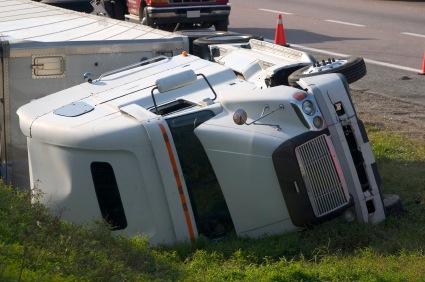
Large commercial trucks transport millions of tons of freight across Illinois every year. From consumer goods and construction materials to steel coils, lumber, agricultural products, and hazardous chemicals, tractor-trailers are constantly traveling on major highways like I-88, I-90, I-80, I-55, I-57, I-39, I-74, and I-294. While most of these shipments reach their destinations safely, improperly loaded or unsecured cargo can create devastating accidents in a matter of seconds.
A cargo spill truck accident can occur when freight falls from a truck, shifts inside a trailer, or causes a truck to overturn. These crashes often involve multiple vehicles and can result in catastrophic injuries, fatalities, and lengthy highway closures. Cargo spills may scatter debris across multiple lanes, expose motorists to hazardous materials, or trigger dangerous chain-reaction collisions involving dozens of vehicles.
At John J. Malm & Associates, we understand that truck accident cases involving cargo spills are often more complicated than ordinary car accident claims. They frequently involve multiple responsible parties, extensive federal trucking regulations, commercial insurance policies, and sophisticated accident reconstruction evidence. Our attorneys have more than 33 years of experience helping injury victims throughout Illinois pursue the compensation they deserve after serious truck accidents.
“Commercial trucking companies have a legal responsibility to ensure that every load is safely secured before a truck enters our highways. When they ignore federal safety regulations or cut corners to save time or money, innocent motorists pay the price. Our firm is committed to holding negligent trucking companies accountable and helping injured victims obtain the justice and compensation they deserve.” — John J. Malm, Naperville truck accident attorney
What Is a Cargo Spill Truck Accident?
A cargo spill truck accident occurs when all or part of a commercial truck’s load leaves the trailer or becomes unstable, creating a dangerous hazard for other motorists.
Cargo spill accidents can happen in several ways:
- Freight falls directly onto the roadway.
- Cargo shifts inside the trailer, causing the truck to jackknife or roll over.
- Liquid cargo leaks from tanker trucks.
- Construction materials scatter across multiple lanes.
- Oversized loads detach from trailers.
- Hazardous materials escape during transportation.
Unlike many other truck accidents, cargo spill crashes often continue long after the initial impact. Drivers traveling behind the truck may have little time to react to falling debris, resulting in multiple secondary collisions.
Why Do Cargo Spill Truck Accidents Happen?
Most cargo spill accidents are preventable. In many cases, they occur because someone failed to properly load, inspect, or secure the cargo before the truck began its trip. Common causes include:
Improper Cargo Securement
Federal regulations require cargo to be properly secured using straps, chains, tie-downs, blocking devices, and other securement equipment. When these systems fail or are used incorrectly, cargo can shift or fall from the trailer during transport.
Overloaded Trucks
Every commercial truck has weight limits established by federal and state law. Overloading a truck increases stopping distances, places additional stress on tires and suspension components, and makes rollovers more likely during turns or emergency maneuvers.
Uneven Weight Distribution
Even when cargo is properly secured, poor weight distribution can make a truck unstable.
Examples include:
- Heavy cargo loaded too high
- Too much weight placed on one side
- Improper axle loading
- Unbalanced freight inside enclosed trailers
These conditions increase the likelihood of rollover accidents.
Driver Error
Truck drivers may contribute to cargo spill accidents by:
- Taking curves too fast
- Braking aggressively
- Making sudden steering corrections
- Driving while fatigued
- Speeding in poor weather
- Failing to inspect cargo during required stops
Federal regulations require drivers to inspect cargo and securement devices periodically throughout a trip, particularly after the first 50 miles and at designated intervals thereafter.
Equipment Failure
Cargo securement systems can fail because of:
- Broken chains
- Worn straps
- Defective binders
- Rusted anchor points
- Damaged trailer floors
- Mechanical failures
Regular maintenance and inspection are essential for preventing these failures.
Common Types of Cargo Spill Truck Accidents
Cargo spills involve a wide variety of commercial freight. Some of the most common include:
Construction Materials
Items such as:
- Lumber
- Steel beams
- Rebar
- Concrete pipes
- Roofing materials
- Scaffolding
These heavy objects can strike vehicles directly or create unavoidable roadway hazards.
Gravel and Aggregate
Dump trucks carrying gravel, sand, asphalt, or crushed stone may spill their loads if tailgates malfunction or drivers raise their truck beds before fully stopping. Loose gravel can also reduce tire traction, particularly for motorcycles and bicycles.
Hazardous Materials
Tanker trucks transport:
- Gasoline
- Diesel fuel
- Industrial chemicals
- Acids
- Fertilizers
- Toxic substances
A hazardous material spill may require evacuations, environmental cleanup, and emergency response teams in addition to medical treatment for injured victims.
Agricultural Products
Illinois highways frequently carry:
- Corn
- Soybeans
- Animal feed
- Fertilizer
- Livestock supplies
Although these materials may seem harmless, they can create slippery road conditions capable of causing multi-vehicle crashes.
Consumer Goods
Improperly loaded enclosed trailers can lose pallets of:
- Appliances
- Furniture
- Food products
- Electronics
- Retail merchandise
Even relatively lightweight cargo can become deadly when traveling at interstate speeds.
Federal Cargo Securement Regulations
Commercial trucking companies must comply with cargo securement regulations established by the Federal Motor Carrier Safety Administration (FMCSA). These rules require trucking companies and drivers to:
- Properly distribute cargo weight.
- Use appropriate tie-downs and securement devices.
- Inspect cargo before beginning a trip.
- Reinspect cargo within the first 50 miles.
- Conduct additional inspections throughout the trip.
- Replace damaged securement equipment.
- Ensure cargo cannot shift under normal driving conditions.
Failure to comply with these regulations may constitute evidence of negligence in a personal injury lawsuit.
Cargo Spill Truck Accident Statistics
Cargo-related crashes remain a significant safety concern across the United States. According to the Federal Motor Carrier Safety Administration (FMCSA) and the National Highway Traffic Safety Administration (NHTSA):
- Large trucks are involved in approximately 170,000 injury crashes and more than 5,000 fatal crashes nationwide each year.
- Cargo shifting or falling from vehicles contributes to thousands of crashes annually.
- The AAA Foundation for Traffic Safety estimates that roadway debris, including cargo that falls from vehicles, contributes to more than 50,000 police-reported crashes each year, resulting in hundreds of deaths and thousands of injuries.
- Illinois consistently ranks among the states with the highest volume of commercial truck traffic due to its extensive interstate highway system and major freight corridors.
Because Illinois serves as one of the nation’s busiest transportation hubs, motorists frequently share the road with tractor-trailers carrying heavy or oversized cargo. When trucking companies fail to follow federal cargo securement standards, the consequences can be catastrophic.
Common Injuries in Cargo Spill Truck Accidents
Because cargo spill accidents often occur at highway speeds and involve multiple vehicles, they frequently result in catastrophic or fatal injuries. Drivers may collide with fallen cargo, lose control while attempting to avoid debris, or become involved in chain-reaction crashes involving several passenger vehicles and commercial trucks.
Victims of cargo spill accidents often require extensive emergency treatment, multiple surgeries, and months, or even years, of rehabilitation. Common injuries include:
- Traumatic brain injuries (TBIs)
- Concussions
- Spinal cord injuries
- Paralysis
- Neck and back injuries
- Herniated discs
- Broken bones
- Crushed or amputated limbs
- Internal organ damage
- Severe lacerations
- Facial fractures
- Burns from fires or hazardous materials
- Permanent disfigurement
- Wrongful death
Many of these injuries permanently affect a victim’s ability to work, care for family members, or enjoy daily activities. For this reason, accurately valuing future medical expenses and long-term losses is critical in any cargo spill truck accident claim.
Who Can Be Held Liable for a Cargo Spill Truck Accident?
Unlike a typical car accident, a cargo spill case often involves several companies that shared responsibility for transporting the freight safely. Determining liability requires a thorough investigation into how the cargo was loaded, secured, inspected, and transported. Potentially liable parties include:
The Truck Driver
Commercial drivers are responsible for inspecting their vehicles and cargo before and during each trip. Under Federal Motor Carrier Safety Administration (FMCSA) regulations, drivers must verify that cargo is properly secured and conduct required inspections throughout the journey.
A truck driver may be liable if they:
- Failed to inspect the cargo
- Ignored shifting freight
- Drove too fast for road conditions
- Took curves at excessive speeds
- Failed to stop after noticing loose cargo
- Violated hours-of-service regulations by driving while fatigued
The Trucking Company
The motor carrier that owns or operates the truck may also be responsible. Examples of trucking company negligence include:
- Poor driver training
- Hiring unqualified drivers
- Failing to maintain trailers
- Ignoring federal safety regulations
- Encouraging drivers to meet unrealistic delivery deadlines
- Neglecting routine inspections
Many trucking companies are responsible for ensuring drivers receive proper cargo securement training and comply with federal regulations.
Cargo Loading Companies
In many cases, the truck driver never loaded the trailer. Instead, warehouses, shipping terminals, manufacturers, or third-party logistics companies loaded and secured the freight. If cargo was improperly distributed or inadequately secured, the loading company may bear significant responsibility for the accident.
Examples include:
- Improper stacking of pallets
- Uneven weight distribution
- Inadequate tie-downs
- Failure to secure oversized equipment
- Overloaded trailers
Freight Brokers and Shipping Companies
Some trucking companies transport cargo arranged through freight brokers or shipping companies. While these entities are not always liable, they may share responsibility if they knowingly hired unsafe carriers or violated applicable transportation regulations.
Trailer or Equipment Manufacturers
Sometimes, cargo securement systems fail because of defective equipment rather than human error. Potential defects include:
- Broken ratchet straps
- Defective chains
- Faulty binders
- Weak anchor points
- Trailer floor failures
- Defective locking mechanisms
If defective equipment contributed to the crash, a product liability claim may be appropriate in addition to a negligence claim.
How Cargo Spill Truck Accidents Are Investigated
Cargo spill accidents require a far more detailed investigation than most passenger vehicle crashes. Critical evidence can disappear quickly as damaged vehicles are repaired, trailers are returned to service, and roadway debris is cleared. An experienced Illinois truck accident attorney will often work with accident reconstruction experts, engineers, and trucking safety specialists to determine exactly what happened.
Key evidence may include:
- Police crash reports
- Illinois State Police commercial vehicle inspection reports
- Photographs of the accident scene
- Dash camera footage
- Traffic camera recordings
- Surveillance video
- Electronic logging device (ELD) data
- Truck “black box” (ECM) information
- Driver qualification files
- Cargo manifests
- Bills of lading
- Loading diagrams
- Weight tickets
- Maintenance records
- Inspection reports
- Driver drug and alcohol testing results
- Witness statements
This evidence can help establish whether the trucking company, driver, cargo loader, or another party violated federal safety regulations.
The Importance of Preserving Evidence
One of the first steps after a serious truck accident is sending a spoliation letter to the trucking company. This legal notice requires the company to preserve important evidence that might otherwise be destroyed during normal business operations. Evidence that should be preserved includes:
- The tractor and trailer
- Cargo securement equipment
- Electronic control module (ECM) data
- Electronic logging device (ELD) records
- Driver inspection reports
- Driver qualification files
- Dispatch communications
- GPS records
- Maintenance logs
- Cell phone records
- Onboard camera footage
Without prompt legal action, valuable evidence may be lost forever.
Illinois and Federal Trucking Laws
Commercial trucking companies operating in Illinois must comply with both Illinois law and federal regulations issued by the Federal Motor Carrier Safety Administration (FMCSA).
These rules govern nearly every aspect of commercial trucking operations, including:
- Cargo securement standards
- Maximum vehicle weight limits
- Hours-of-service requirements
- Driver qualifications
- Drug and alcohol testing
- Vehicle inspections
- Maintenance schedules
- Commercial driver’s license (CDL) requirements
Violations of these regulations may serve as powerful evidence that a trucking company or driver acted negligently. For example, if investigators determine that a truck exceeded legal weight limits or failed to use the required number of tie-downs for its cargo, those violations may help establish liability in a personal injury lawsuit.
Why Cargo Spill Cases Are More Complex Than Other Truck Accidents
Cargo spill accidents often involve multiple insurance companies, corporate defendants, and extensive technical evidence. Unlike a typical rear-end collision, these cases frequently require experts to analyze:
- Cargo loading procedures
- Securement methods
- Weight distribution
- Trailer design
- Highway engineering
- Commercial trucking regulations
- Accident reconstruction
- Vehicle dynamics
Because trucking companies typically begin investigating serious crashes immediately, injured victims benefit from having experienced legal counsel protect their interests as early as possible.
John J. Malm & Associates has extensive experience handling complex truck accident litigation throughout Illinois. We understand the federal regulations governing commercial carriers and know how to investigate whether negligent loading practices, unsafe trucking operations, or violations of federal law contributed to a devastating cargo spill accident.
Compensation Available After a Cargo Spill Truck Accident
Victims of cargo spill truck accidents often face overwhelming financial, physical, and emotional challenges. A serious collision with a commercial truck can lead to months of medical treatment, lost income, and permanent disabilities that affect every aspect of a person’s life.
If the accident was caused by the negligence of a truck driver, trucking company, cargo loader, or another responsible party, you may be entitled to recover compensation for both your economic and non-economic damages.
Potential compensation may include:
- Past and future medical expenses
- Hospital bills
- Emergency transportation
- Rehabilitation and physical therapy
- Prescription medications
- Future surgical procedures
- Lost wages
- Loss of future earning capacity
- Property damage
- Pain and suffering
- Emotional distress
- Permanent disability
- Disfigurement
- Loss of normal life
If a cargo spill truck accident results in a fatality, surviving family members may also have the right to pursue compensation through an Illinois wrongful death claim. Because commercial trucking companies typically carry substantial insurance coverage, these claims often involve aggressive insurance adjusters and defense attorneys who work to minimize payouts. Having an experienced truck accident lawyer on your side can make a significant difference in the outcome of your case.
What Should You Do After a Cargo Spill Truck Accident?
The steps you take immediately after a truck accident can help protect both your health and your legal rights. If you are physically able, consider the following:
- Call 911 and report the accident.
- Seek immediate medical attention, even if your injuries seem minor.
- Follow all recommendations from emergency responders and your physician.
- Photograph the accident scene, damaged vehicles, spilled cargo, skid marks, and roadway conditions.
- Obtain contact information from witnesses.
- Avoid discussing fault with the truck driver or insurance representatives.
- Preserve damaged personal property and clothing.
- Keep copies of all medical records and bills.
- Contact an experienced Illinois truck accident attorney as soon as possible.
Prompt legal representation can help preserve critical evidence before it is lost or destroyed.
Why Choose John J. Malm & Associates for Your Cargo Spill Truck Accident Case?
Truck accident litigation requires extensive knowledge of both Illinois personal injury law and the federal regulations governing commercial motor carriers. Cargo spill cases are especially complex because they often involve multiple defendants, corporate insurance carriers, accident reconstruction experts, and technical evidence related to cargo securement.
At John J. Malm & Associates, we have spent more than 33 years representing injured victims and their families throughout Illinois. Our attorneys understand the unique challenges presented by commercial truck accident claims and are committed to holding negligent trucking companies accountable.
When you hire our firm, we will:
- Conduct a thorough investigation of your accident.
- Preserve critical trucking company evidence.
- Review driver qualification and maintenance records.
- Analyze cargo loading and securement procedures.
- Work with qualified accident reconstruction experts when necessary.
- Handle all communications with the insurance companies.
- Aggressively negotiate for a full and fair settlement.
- Prepare your case for trial if the insurance company refuses to make a reasonable offer.
Our goal is to allow you to focus on your recovery while we focus on protecting your legal rights.
Frequently Asked Questions about Cargo Truck Spills
What causes most cargo spill truck accidents?
Many cargo spill accidents result from improperly secured cargo, overloaded trailers, uneven weight distribution, equipment failure, excessive speed, or inadequate inspections. In many cases, investigators discover violations of federal cargo securement regulations.
Who can be sued after a cargo spill truck accident?
Depending on the circumstances, liable parties may include the truck driver, trucking company, cargo loading company, freight broker, maintenance contractor, trailer owner, or equipment manufacturer. An attorney can investigate the accident to determine who should be held responsible.
What evidence is important in a cargo spill truck accident case?
Important evidence may include police reports, photographs, surveillance video, electronic logging device (ELD) data, truck black box (ECM) data, cargo manifests, inspection reports, maintenance records, driver qualification files, witness statements, and accident reconstruction analyses.
How long do I have to file a truck accident lawsuit in Illinois?
Illinois law generally provides a limited time to file a personal injury lawsuit. However, deadlines may vary depending on the facts of the case and the parties involved. Speaking with an attorney promptly helps protect your right to pursue compensation and ensures critical evidence is preserved.
Why are cargo spill truck accident cases more complicated than other vehicle accidents?
Cargo spill accidents often involve multiple liable parties, extensive federal safety regulations, commercial insurance policies, and highly technical evidence regarding cargo loading and securement. These cases frequently require expert witnesses and detailed accident reconstruction.
Contact John J. Malm & Associates After a Cargo Spill Truck Accident
A cargo spill truck accident can change your life in an instant. Whether your injuries were caused by falling freight, shifting cargo, or a catastrophic truck rollover, you deserve experienced legal representation from attorneys who understand the complexities of commercial trucking litigation. Trucking companies and their insurers often begin investigating these accidents immediately, and they have teams of lawyers working to protect their interests. You should have an advocate protecting yours.
At John J. Malm & Associates, we have been fighting for injured Illinois residents for more than 100 years combined. Our attorneys understand the devastating physical, emotional, and financial impact these crashes have on victims and their families. We are committed to conducting a thorough investigation, identifying every responsible party, and pursuing the maximum compensation available under Illinois law. If you or someone you love has been injured in a cargo spill truck accident anywhere in Illinois, contact our office today for a free, no-obligation consultation. Let our experience, resources, and dedication go to work for you while you focus on healing.