

EXPERIENCED PERSONAL INJURY ATTORNEYS














Illinois Wet Pavement Car Accident Lawyers
Complex Injury Attorneys for Crashes Caused By Slick Roads
Wet pavement can turn an ordinary drive into a dangerous one, leading to serious car accidents. Rain, melting snow, standing water, roadway drainage problems, and other sources of moisture can reduce tire traction and make it more difficult for drivers to stop, turn, or maintain control of their vehicles. A wet road can be particularly dangerous when combined with excessive speed, worn tires, distracted driving, poor visibility, or sudden traffic changes.
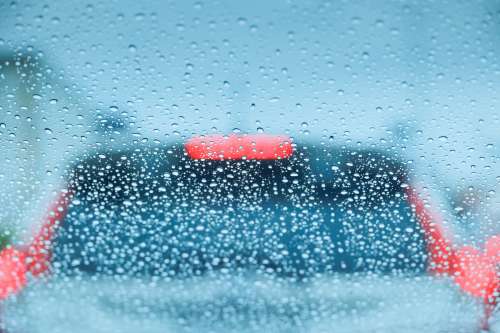
For Illinois drivers, wet pavement is a recurring concern throughout the year. Spring and summer thunderstorms can produce heavy rainfall, while fall and winter conditions can create moisture, freezing conditions, and rapidly changing roadway surfaces. Even a relatively light rain can make a roadway slippery, particularly after a period of dry weather when oil and other substances have accumulated on the pavement.
If you have been injured in a wet pavement car accident in Illinois, determining why the crash happened can be important. A wet road does not automatically excuse negligent driving. Illinois law requires motorists to adjust their speed and driving behavior when weather or roadway conditions create a special hazard.
“A wet roadway can change the conditions a driver is facing in a matter of minutes. Drivers have a responsibility to recognize those conditions and adjust their speed and driving accordingly. When someone fails to do that and causes a serious collision, we believe the circumstances of the crash deserve a thorough investigation.” — John J. Malm, Naperville car accident attorney
How Wet Pavement Affects a Vehicle
The most important safety issue associated with wet pavement is traction. Tires rely on friction with the roadway to accelerate, brake, and steer. When water covers the pavement, the interaction between the tires and road surface changes. The FHWA identifies precipitation as a factor that can affect pavement friction, vehicle traction, traffic speed, driver behavior, and accident risk.
On wet pavement, a vehicle may require more distance to stop than it would on dry pavement. A driver may also have less control when making a sudden steering maneuver. Wet pavement can affect:
- Braking distance
- Tire traction
- Steering control
- Vehicle stability
- Cornering ability
- Acceleration
- Stopping performance
- The likelihood of skidding
- The risk of hydroplaning
The problem can become more serious as vehicle speed increases. A driver who is traveling too quickly for the conditions may not have enough time or roadway distance to respond to a stopped vehicle, pedestrian, traffic signal, or other hazard.
Wet Pavement Crash Statistics
The national data demonstrate the importance of wet roadway conditions. FHWA reports that approximately 12% of all motor vehicle crashes are weather-related, based on five-year averages from 2019 through 2023. During an average year, approximately 744,911 crashes occur under adverse atmospheric weather conditions. Those crashes result in more than 268,000 injuries and approximately 3,800 deaths. Rain and mist account for a particularly large share of those crashes. FHWA reports that, during the 2019–2023 period, approximately:
- 574,047 crashes per year occurred during rain or mist.
- 219,039 people per year were injured in rain or mist crashes.
- 2,810 people per year were killed in rain or mist crashes.
- Rain or mist was associated with approximately 77% of weather-related crashes.
Older FHWA analyses have similarly found that wet pavement accounts for a large majority of weather-related crashes. An FHWA analysis found that approximately 74% of weather-related crashes occurred on wet pavement, based on a 2002–2012 annual average.
Why Wet Roads Can Cause Car Accidents
A wet roadway can contribute to a crash in several ways, including:
Reduced Traction
Water on pavement can reduce the friction available between tires and the road. Reduced traction can make it more difficult for a driver to stop or steer.
Longer Stopping Distance
When available traction decreases, a vehicle may require additional distance to stop. A driver following too closely may not have enough space to compensate.
Skidding
A vehicle can skid when the tires lose sufficient traction with the roadway. Skidding can occur during braking, acceleration, or sudden steering.
Hydroplaning
When sufficient water accumulates on the roadway, a tire can ride on top of the water rather than maintaining adequate contact with the pavement. This is known as hydroplaning. NHTSA explains that hydroplaning can occur when water builds up beneath tires and causes a vehicle to lose contact with the roadway. NHTSA also notes that tire tread and pavement characteristics can affect the risk of hydroplaning.
Reduced Visibility
Rain can also make it harder to see. Water on a windshield, spray from other vehicles, glare from headlights, and cloudy conditions can all interfere with a driver’s ability to identify hazards.
Illinois Law Requires Drivers to Adjust for Weather Conditions
One of the most important legal issues in an Illinois wet-pavement accident is that a driver cannot necessarily defend a crash simply by claiming that he or she was traveling at the posted speed limit. Under 625 ILCS 5/11-601, Illinois law provides that a driver must not operate a vehicle at a speed greater than is reasonable and proper considering traffic conditions and highway use, or at a speed that endangers people or property.
The statute specifically states that the fact that a driver’s speed does not exceed the applicable maximum speed limit does not relieve the driver from the duty to decrease speed when a special hazard exists because of weather or highway conditions. This can be significant in a wet-pavement collision.
For example, imagine that a driver is traveling on a road with a posted speed limit of 45 mph. Heavy rain begins, the pavement becomes slick, and visibility decreases. The driver continues at 45 mph, approaches stopped traffic, and cannot stop before striking another vehicle. The posted speed limit does not necessarily resolve the issue of whether the driver was operating at a reasonable speed under the circumstances. Illinois law requires motorists to consider actual roadway conditions.
Speeding and Wet Pavement
Speed is particularly important in wet-road crashes. According to IDOT’s 2024 Illinois Crash Facts, crashes involving speed accounted for:
- 31.1% of all Illinois crashes
- 35.2% of injury crashes
- 45.3% of fatal crashes
These figures concern speed-related crashes generally and do not establish that the crashes occurred on wet pavement. However, speed can become especially significant when road conditions reduce traction. A driver traveling too quickly may have difficulty:
- Stopping before an intersection
- Maintaining control through a curve
- Avoiding a rear-end collision
- Responding to a vehicle changing lanes
- Recovering from a skid
- Avoiding standing water
- Maintaining control during hydroplaning
An accident investigation should therefore consider both the driver’s speed and the actual roadway conditions at the time of the collision.
Worn Tires and Wet Pavement
Tire condition can also affect the risk of a wet-road crash. Tires with inadequate tread may have more difficulty channeling water away from the contact area between the tire and pavement. A vehicle with worn tires may therefore be less capable of maintaining traction when traveling over wet roads. Other tire-related factors can include:
- Insufficient tread depth
- Improper tire pressure
- Damaged tires
- Uneven tire wear
- Improperly matched tires
- Old or deteriorated tires
In some cases, tire condition may become relevant to determining why a crash occurred. If a driver loses control on wet pavement, an investigation may need to examine whether vehicle maintenance or tire condition contributed to the loss of control.
Common Types of Wet Pavement Car Accidents
Wet roadway conditions can contribute to many different types of crashes, including:
Rear-End Collisions
A driver may need more distance to stop on wet pavement. Following too closely can leave insufficient room to stop safely.
Intersection Accidents
Drivers may have difficulty stopping for red lights or stop signs when pavement is wet. Turning vehicles may also lose traction.
Sideswipe Accidents
A vehicle that begins to slide or drift can cross into another lane and strike a nearby vehicle.
Head-On Collisions
If a driver loses control and crosses the centerline, a wet-road skid can result in a severe head-on collision.
Single-Vehicle Crashes
A vehicle may leave the roadway after a driver loses control on a wet curve or while braking.
Rollover Accidents
Certain vehicles can roll over after a driver loses control, leaves the roadway, strikes a curb or other object, or makes an abrupt steering maneuver.
Motorcycle Accidents
Motorcycles can be particularly vulnerable to changes in roadway traction. Wet pavement, standing water, painted road markings, and slippery surfaces can create additional hazards for riders.
Can a Driver Be Liable for a Crash Because the Road Was Wet?
A wet road does not automatically make another driver legally responsible for an accident. Instead, the question is generally whether the driver’s conduct fell below the applicable standard of care and caused the collision and resulting injuries. For example, evidence may show that another driver:
- Was traveling too fast for wet conditions
- Followed another vehicle too closely
- Failed to stop
- Ran a red light
- Made an unsafe lane change
- Drove while distracted
- Failed to maintain control
- Had severely worn tires
- Failed to account for standing water
- Was driving recklessly despite poor conditions
Illinois law specifically requires drivers to reduce speed when weather or highway conditions create a special hazard. The specific facts of the accident therefore matter.
What Evidence Is Important After a Wet Pavement Crash?
Evidence can disappear quickly after a weather-related collision. Rain can wash away roadway markings, standing water can drain, and the road can dry before photographs are taken. Important evidence can include:
- Photographs of the roadway
- Photographs of standing water
- Vehicle damage
- Tire marks
- Skid marks
- Roadway debris
- Weather records
- Police reports
- Witness statements
- Dashcam footage
- Surveillance video
- Vehicle event-data information
- Tire condition
- Vehicle maintenance records
- Accident reconstruction evidence
- Medical records
Weather information can also be important. An accident reconstruction professional may examine weather conditions, roadway characteristics, vehicle speed, braking evidence, and other information when determining how a collision occurred.
Injuries Caused by Wet Pavement Car Accidents
Wet pavement crashes can cause the same serious injuries associated with other motor vehicle collisions. Potential injuries include:
- Traumatic brain injuries
- Concussions
- Neck injuries
- Whiplash
- Spinal fractures
- Herniated discs
- Shoulder injuries
- Broken arms and legs
- Wrist injuries
- Internal injuries
- Soft-tissue injuries
- Nerve damage
- Knee injuries
- Ankle and foot injuries
- Permanent disability
- Fatal injuries
Some injuries are immediately obvious. Others may become more apparent over the hours or days following a collision. Anyone involved in a significant crash should seek appropriate medical evaluation, particularly when pain, numbness, dizziness, weakness, or other symptoms develop.
Frequently Asked Questions About Wet Pavement Car Accidents
Can wet pavement cause a car accident?
Yes. Wet pavement can reduce tire traction, increase stopping distances, contribute to skidding, and increase the risk of losing control. FHWA identifies wet pavement as a major component of weather-related crashes.
Does rain automatically make a driver responsible for an accident?
No. Rain or wet pavement does not automatically establish negligence. The circumstances of the crash must be evaluated, including speed, following distance, vehicle condition, visibility, traffic conditions, and the driver’s actions.
Does Illinois require drivers to slow down when roads are wet?
Illinois law requires drivers to reduce speed when special hazards exist because of weather or highway conditions. The fact that a driver is traveling at or below the posted speed limit does not eliminate this duty.
What should I do after a wet-road accident?
If it is safe to do so, move away from traffic, call 911 when appropriate, obtain medical attention for injuries, exchange insurance information, photograph the vehicles and roadway, identify witnesses, and preserve any available video evidence.
Can I still have a claim if the other driver says the rain caused the crash?
Potentially. Weather does not automatically excuse negligent driving. Illinois law specifically requires drivers to adjust their speed when weather or highway conditions create special hazards.
Can worn tires contribute to a wet pavement accident?
Yes. Tire condition can affect traction and a vehicle’s ability to displace water from the tire-pavement contact area. Tire condition may therefore be relevant when investigating a wet-road crash.
What if I was injured in a crash caused by hydroplaning?
The circumstances need to be examined carefully. Hydroplaning may be associated with excessive speed, standing water, tire condition, roadway characteristics, or other factors. Determining legal responsibility requires looking at the evidence surrounding the crash.
Contact the Award-Winning Illinois Car Accident Lawyers at John J. Malm & Associates After a Wet Pavement Crash
Wet pavement can create legitimate driving hazards, but weather is not a substitute for careful driving. Illinois law specifically recognizes that drivers must adjust their speed when weather or highway conditions create a special hazard. When another driver’s excessive speed, following distance, distraction, failure to maintain control, or other negligent conduct contributes to a collision, the fact that the road was wet does not necessarily eliminate that driver’s responsibility.
At John J. Malm & Associates, our top-rated injury attorneys represent people injured in Illinois car accidents and work to identify the factors that caused a collision. We examine the available evidence, including accident reports, photographs, witness accounts, vehicle damage, medical records, and other evidence that may help establish what happened. If you or someone you love has been injured in a wet pavement car accident, contact our firm for a free consultation.