

EXPERIENCED PERSONAL INJURY ATTORNEYS











Illinois Icy Road Car Accident Lawyers
Trial-Ready Injury Attorneys for Serious Car Crashes
Icy roads can turn an ordinary drive into a dangerous situation in seconds. During Illinois winters, freezing rain, snowmelt, overnight temperature drops, and black ice can make highways, intersections, bridges, and neighborhood streets treacherous. A vehicle that appears to be traveling safely may suddenly lose traction, slide through an intersection, or collide with another car before the driver has time to react.
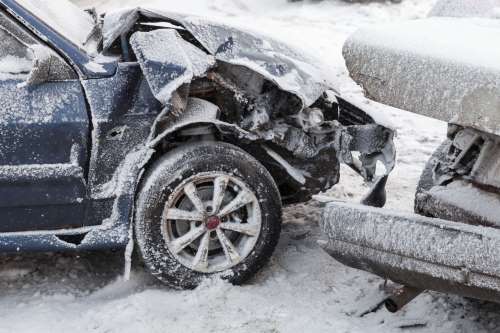
Although winter weather contributes to many car accidents, ice does not automatically excuse a driver from responsibility for causing an accident. Motorists are expected to adjust their speed, following distance, and driving behavior to account for hazardous road conditions. When a driver travels too fast for the weather, follows another vehicle too closely, or fails to maintain control, their negligence may cause serious injuries. For people injured in icy road car accidents in Naperville, DuPage County, Kane County, and throughout Illinois, understanding the causes of these collisions and the legal options available after a crash can be important steps toward recovery.
“When a driver fails to adjust to dangerous winter road conditions, the consequences can be devastating. Injured people deserve a thorough investigation and a fair opportunity to pursue compensation for the harm they have suffered.” — John J. Malm, Naperville car accident attorney
The Dangers of Icy Roads in Illinois
Illinois drivers face a range of winter hazards, from light frost to severe ice storms. Unlike deep snow, which may be visible, ice can form as a nearly transparent layer over the pavement. This so-called black ice can be difficult to detect until a vehicle begins sliding.
The Illinois Department of Transportation (IDOT) specifically warns motorists to watch for black ice on roads that appear clear and to exercise additional caution near bridges, ramps, intersections, and shaded areas. These locations can freeze before surrounding pavement or remain icy after other surfaces have thawed. Several factors make icy roads especially dangerous:
- Reduced traction: Tires cannot grip an icy surface as effectively as dry pavement, making acceleration, steering, and braking more difficult.
- Longer stopping distances: Vehicles may continue sliding even after a driver applies the brakes.
- Unexpected loss of control: A car can skid when turning, changing lanes, or braking abruptly.
- Poor visibility: Snowfall, freezing rain, fog, and windshield frost can limit a driver’s ability to see hazards.
- Changing road conditions: A road that was safe earlier in the day may become icy as temperatures drop.
- Hidden hazards: Ice may accumulate on bridges, overpasses, ramps, and shaded stretches without obvious warning signs.
These conditions require motorists to drive cautiously and anticipate the possibility that other vehicles may lose traction. A driver who ignores those risks can place everyone nearby in danger.
Statistics on Icy Road and Winter Weather Accidents
National and state crash statistics illustrate why winter driving deserves serious attention. The FHWA’s road weather data reports that, during 2019–2023, weather-related crashes accounted for an annual average of approximately 12% of all motor vehicle crashes and 11% of estimated crash injuries. Freezing precipitation represented a significant category within those weather-related crashes.
The National Highway Traffic Safety Administration (NHTSA) also reported that in 2023:
- 101,390 police-reported traffic crashes occurred when snow or sleet was present.
- An estimated 22,293 injury crashes occurred under snow or sleet conditions.
- 320 fatal traffic crashes occurred under snow or sleet conditions.
The central takeaway is that winter weather can substantially increase driving risks, but individual collisions still require careful investigation to determine how they occurred and who may be legally responsible.
Common Causes of Icy Road Car Accidents
Driving Too Fast for Conditions
Speed is a major factor in many winter collisions. Even when a driver is traveling below the posted speed limit, that speed may be unsafe for icy pavement, limited visibility, or congested traffic. A driver approaching stopped traffic on an icy road may be unable to stop in time. Similarly, a vehicle traveling too quickly around a curve may slide into another lane or leave the roadway.
Illinois law requires drivers to operate their vehicles at a speed that is reasonable and proper under the circumstances, taking into account hazards and existing conditions. A driver cannot necessarily avoid responsibility by pointing out that they were following the posted speed limit.
Following Too Closely
Rear-end collisions frequently occur when drivers fail to leave enough room to stop. On icy roads, the distance needed to slow down safely can increase significantly. When a leading vehicle brakes suddenly, a following driver who has left insufficient space may slide into the back of that vehicle. Multi-vehicle pileups can develop when several motorists are traveling too close together on slippery highways. Drivers should increase their following distance in winter weather and avoid sudden braking whenever possible.
Sudden Braking or Steering
Abrupt movements can cause tires to lose traction on ice. A driver who suddenly brakes, accelerates, or turns the steering wheel sharply may trigger a skid. A skid can cause a vehicle to rotate, cross the centerline, or slide into another car. Drivers who panic and overcorrect may make the situation worse.
Distracted Driving
Texting, using navigation systems, adjusting entertainment controls, or otherwise diverting attention from the road can delay a driver’s response to an emerging hazard. On icy pavement, even a brief delay may prevent a motorist from reacting appropriately to slowing traffic, a vehicle sliding ahead, or a patch of ice.
Worn Tires and Poor Vehicle Maintenance
Tires with inadequate tread may struggle to maintain traction on slippery surfaces. Faulty brakes, damaged suspension components, and malfunctioning lights can also make winter driving more dangerous.
A vehicle’s maintenance history may become relevant when investigating whether a mechanical problem contributed to a collision. However, worn tires or poor maintenance do not automatically establish liability; the evidence must connect the condition to the crash.
Black Ice and Freezing Rain
Freezing rain can create a thin, nearly invisible layer of ice on pavement. Black ice is particularly dangerous because drivers may not realize they have entered a slippery area until their vehicles begin to slide.
These conditions can cause single-vehicle crashes, rear-end collisions, intersection crashes, and head-on collisions. Motorists should reduce speed, avoid abrupt maneuvers, and remain alert to changing temperatures and road conditions.
Types of Accidents Caused by Icy Roads
Ice can contribute to several different types of motor vehicle collisions. Identifying the type of crash can help investigators determine what happened and whether another driver’s conduct contributed to the accident.
Rear-End Collisions
Rear-end crashes occur when a vehicle strikes the back of another car, truck, or SUV. On icy roads, a driver may apply the brakes but continue sliding forward. These collisions can cause whiplash, concussions, spinal injuries, fractures, and other serious harm.
Head-On Collisions
A driver who loses control on a slippery road may cross the centerline and enter oncoming traffic. Head-on collisions can generate tremendous forces, increasing the risk of traumatic brain injuries, spinal cord damage, internal bleeding, and fatal injuries.
Intersection Accidents
Intersections can become especially hazardous when ice prevents vehicles from stopping at red lights or stop signs. A car may slide into cross traffic while attempting to stop or turn. These crashes can result in serious side-impact injuries.
Multi-Vehicle Pileups
On highways and interstates, one vehicle sliding or stopping unexpectedly can trigger a chain reaction. Drivers approaching the initial collision may be unable to stop because of ice, limited visibility, or insufficient following distance.
Multi-vehicle accidents can be complicated because several drivers may have contributed to the sequence of collisions. Investigators must examine the timing of each impact and the actions of each motorist to determine responsibility.
Single-Vehicle Crashes
A car may slide into a guardrail, utility pole, ditch, median, or tree after losing traction. Although no other vehicle may be involved, a single-vehicle crash does not always mean the driver is solely responsible. A dangerous road condition, a defective vehicle component, or another party’s conduct may have contributed to the collision.
Common Injuries in Icy Road Car Accidents
The injuries caused by an icy road collision depend on the speed of the vehicles, the direction of impact, the use of seat belts, and other circumstances. Even crashes at relatively low speeds can cause painful injuries. Common injuries include:
- Whiplash and neck injuries: Sudden movement of the head and neck can strain muscles and ligaments or damage cervical structures.
- Traumatic brain injuries: A direct impact or rapid acceleration and deceleration can cause a concussion or more serious brain injury.
- Back and spinal cord injuries: The force of a collision can damage discs, vertebrae, nerves, or the spinal cord.
- Broken bones: Arms, wrists, ribs, legs, hips, and other bones may fracture during impact.
- Internal injuries: Blunt-force trauma can damage organs or cause internal bleeding.
- Facial injuries and lacerations: Contact with vehicle interiors or broken glass can cause cuts, scarring, and fractures.
- Psychological injuries: Some collision survivors experience anxiety, sleep difficulties, or post-traumatic stress symptoms.
Some injuries do not produce obvious symptoms immediately. Anyone involved in a collision should seek appropriate medical evaluation, particularly if they experience worsening pain, dizziness, confusion, difficulty breathing, or other concerning symptoms.
Who Is Liable for an Icy Road Car Accident in Illinois?
A central issue in an icy road accident claim is whether a person or entity acted negligently and caused the collision. Winter weather does not automatically eliminate a driver’s duty to operate a vehicle safely. Motorists are expected to account for reasonably foreseeable road hazards and adjust their driving accordingly. Potentially liable parties may include the following:
Negligent Drivers
A driver may be liable when they fail to use reasonable care under the circumstances. Examples include:
- Driving too fast for icy conditions.
- Following another vehicle too closely.
- Failing to maintain a proper lookout.
- Making unsafe lane changes or turns.
- Driving while distracted or impaired.
- Operating a vehicle with unsafe tires or other known mechanical problems.
The precise facts matter. A driver who loses control despite taking reasonable precautions may present a different liability question from one who continues at highway speed despite clearly hazardous conditions.
Commercial Truck Drivers and Their Employers
Large commercial vehicles can cause devastating injuries when they slide or jackknife on icy roads. Truck drivers must account for vehicle weight, stopping distances, cargo, and prevailing road conditions.
Depending on the facts, a trucking company may also face liability for negligent hiring, training, supervision, maintenance, or other conduct. Federal and state trucking requirements may be relevant to the investigation.
Government Entities Responsible for Roads
In rare cases, a dangerous roadway condition may contribute to a collision. Potential issues include inadequate warnings, certain maintenance failures, or a hazardous condition that an entity created or had a legal duty to address.
However, government liability is subject to specific legal requirements, defenses, and immunities. A government entity is not automatically responsible simply because ice was present on a public road. Claims involving public entities can also have special notice and filing requirements. Anyone considering such a claim should seek legal advice promptly.
How Is Fault Determined After an Icy Road Accident?
Establishing liability generally requires evidence about the crash, the road conditions, the drivers’ conduct, and the injuries sustained. Important evidence may include:
- Police crash reports: These may document the location, road conditions, vehicle positions, statements, and initial observations.
- Photographs and videos: Images of ice, vehicle damage, skid marks, traffic signs, and the surrounding area can help reconstruct the collision.
- Witness statements: Independent witnesses may describe vehicle speed, following distance, or how the collision occurred.
- Vehicle event data: Certain vehicles record information about speed, braking, and other events, depending on the system and circumstances.
- Weather and roadway records: Forecasts, temperature records, road-treatment information, and maintenance logs may help establish the conditions.
- Medical records: Treatment notes, diagnostic tests, and physician opinions can help connect the collision to the injuries.
- Expert analysis: Accident reconstruction professionals may evaluate vehicle movement, impact dynamics, and other technical evidence.
Evidence should be preserved as soon as reasonably possible. Photographs and witness contact information can be particularly valuable because road conditions change quickly as ice melts, snowplows pass, and vehicles are moved.
What to Do After an Icy Road Car Accident
The steps taken after a collision can protect your health and help preserve evidence for a potential insurance claim.
- Get to a safe location if possible. Turn on hazard lights and avoid standing in active traffic. Call 911 when there are injuries, dangerous conditions, or a need for emergency assistance.
- Seek medical care. Obtain prompt evaluation even if symptoms initially seem minor. Follow medical advice and attend recommended follow-up appointments.
- Report the accident. Contact law enforcement when appropriate and cooperate with emergency responders.
- Document the scene. If it is safe, photograph vehicle damage, icy pavement, traffic controls, skid marks, and the surrounding roadway.
- Exchange information. Obtain the other driver’s contact and insurance information and identify potential witnesses.
- Preserve relevant records. Keep medical bills, repair estimates, receipts, wage-loss documentation, and communications with insurance companies.
- Be careful when discussing fault. Provide accurate information, but avoid speculating about the cause of the crash before the facts are known.
- Contact an experienced Illinois car accident attorney. An attorney can help investigate the collision, assess potential liability, and explain the available options.
Do not put yourself at risk to take photographs or gather evidence on an icy roadway. Safety and medical needs come first.
Frequently Asked Questions About Icy Road Car Accidents
Can I sue another driver if my car accident occurred on ice?
Yes, potentially. You may have a claim if another driver’s negligence contributed to the collision and your injuries. For example, a driver who follows too closely or travels too fast for icy conditions may be liable even though ice was present. Liability depends on the specific facts and applicable law.
Is a driver automatically at fault for sliding on ice?
No. A vehicle sliding on ice does not automatically establish negligence. Investigators must consider the driver’s speed, actions, road conditions, and other contributing factors. However, drivers are generally expected to adjust their behavior to reasonably foreseeable hazards.
What if both drivers were partially responsible for an icy road crash?
Illinois comparative negligence law may allow an injured person to recover damages if their fault is not greater than 50%, subject to the statutory requirements. Any recovery is reduced according to the injured person’s percentage of fault. An attorney can help evaluate disputed fault assessments.
Can I file a claim if I hit a guardrail or slid into a ditch?
Possibly. Although single-vehicle crashes can involve driver error, another party’s negligence, a defective vehicle component, or a dangerous road condition may have contributed. The circumstances should be investigated before responsibility is assumed.
How long do I have to file an icy road accident lawsuit in Illinois?
The general deadline for an Illinois personal injury lawsuit is two years from when the cause of action accrued, subject to exceptions. Claims involving government entities, minors, and certain other circumstances may follow different rules. Because missing a deadline can prevent recovery, consult an attorney promptly.
What compensation can I recover after an icy road accident?
Depending on the circumstances, recoverable damages may include medical expenses, lost wages, reduced earning capacity, pain and suffering, disability, and loss of normal life. The amount depends on the injuries, available evidence, liability, insurance coverage, and applicable law.
Should I accept an insurance settlement after an icy road crash?
Consider the full extent of your injuries and losses before accepting a settlement. Some injuries require treatment long after the initial collision, and a settlement may require you to give up further claims related to the accident. Review any proposed settlement carefully and consider legal advice before signing a release.
Contact the Experienced Illinois Icy Road Car Accident Attorneys at John J. Malm & Associates
An icy road car accident can leave you facing painful injuries, mounting medical bills, lost income, vehicle damage, and uncertainty about what comes next. Although winter weather may contribute to a collision, another driver’s failure to use reasonable care can still create legal responsibility for the harm that follows. Determining what happened requires a careful review of the road conditions, driver behavior, available evidence, and the full extent of your injuries.
At John J. Malm & Associates, our Illinois personal injury lawyers represent people injured in motor vehicle accidents. With more than 95 years of combined litigation experience, our firm works to investigate collisions, identify potentially responsible parties, challenge unfair insurance positions, and pursue compensation for our clients’ losses. We understand that recovering from an accident involves more than repairing a vehicle; it means addressing medical needs, protecting your financial future, and working toward the best possible outcome under the circumstances.
If you or a loved one has been injured in an icy road car accident in Naperville or elsewhere in Illinois, contact John J. Malm & Associates at (630) 527-4177 to discuss your legal options. Our firm offers free consultations and can help you understand the steps involved in pursuing a claim. Do not assume that icy conditions automatically prevent you from recovering compensation. Contact our firm after an accident to learn how we can help protect your rights and pursue the recovery you deserve.