

EXPERIENCED PERSONAL INJURY ATTORNEYS















Illinois Electric Vehicle Car Accidents Lawyers
Catastrophic Injury Lawyers for Victims of EV Crashes
Electric vehicles (EVs) are becoming an increasingly common sight on Illinois roads. Battery-powered cars and SUVs offer different technology, powertrains, and safety systems than traditional gasoline-powered vehicles. But an electric vehicle is still a motor vehicle, and an EV crash can cause many of the same devastating injuries as any other automobile accident.
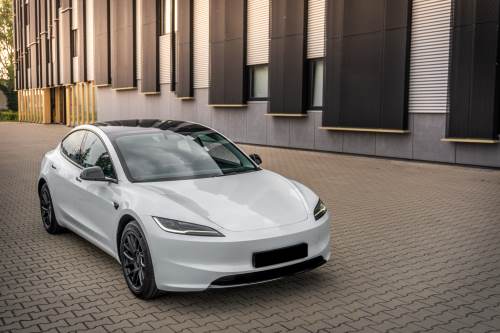
At the same time, electric vehicle crashes can present unique issues. EVs are often heavier than comparable gasoline-powered vehicles because of their large battery packs. They may have advanced driver-assistance systems, sophisticated electronic components, and high-voltage battery systems. A collision may also create unusual post-crash hazards involving damaged batteries, electrical components, fires, or delayed thermal events.
As EV ownership grows, Illinois drivers need to understand that an electric vehicle accident can raise questions about driver negligence, vehicle design, defective components, battery damage, and potentially multiple sources of insurance coverage.
“An electric vehicle accident can involve much more than the initial collision. When someone suffers a serious injury, we need to understand how the crash occurred, whether the vehicles and their safety systems performed as they should, and whether another party’s negligence or a defective component played a role.” — John J. Malm, Naperville car accident attorney
Electric Vehicles Are Not Automatically More Dangerous
It is important to distinguish legitimate EV safety concerns from misconceptions. Electric vehicles are not inherently unsafe simply because they use batteries instead of gasoline engines. Crash testing has shown that electric and hybrid vehicles can provide substantial occupant protection. IIHS has reported that the crashworthiness of electric and hybrid vehicles is generally comparable to that of conventionally powered vehicles, although individual models vary in their performance.
Many electric vehicles have earned strong ratings in independent crash testing. For example, IIHS’s 2024 safety awards included multiple fully electric vehicles, including the Hyundai Ioniq 6, Genesis Electrified G80, Hyundai Ioniq 5, Genesis GV60, Tesla Model Y, and Rivian R1T. The fact that an EV can be a safe vehicle, however, does not mean that occupants are protected from the consequences of another driver’s negligence. A speeding, distracted, intoxicated, or reckless driver can cause a devastating collision regardless of whether the vehicles involved are electric or gasoline-powered.
EVs Can Be Much Heavier Than Conventional Vehicles
One important characteristic of many electric vehicles is their weight. Battery packs can add hundreds or even thousands of pounds to a vehicle’s overall mass. A 2024 study published in Traffic Injury Prevention compared 14 battery-electric vehicles with 92 internal-combustion vehicles. The researchers found that, on average, the battery-electric cars in the study weighed approximately 369 kilograms more than their internal-combustion counterparts, while BEV SUVs averaged approximately 286 kilograms more. That difference can matter in a collision.
When two vehicles collide, the heavier vehicle generally experiences less change in velocity than the lighter vehicle. Occupants of the lighter vehicle may consequently experience greater crash forces. IIHS has repeatedly emphasized the importance of vehicle size and weight in understanding crash outcomes.
This does not mean that every EV creates an unreasonable danger to other motorists. The same 2024 study found that battery-electric vehicles were not excessively aggressive in terms of frontal crash compatibility when compared with internal-combustion vehicles after accounting for vehicle size. Nevertheless, vehicle weight can become important evidence in a serious collision, particularly when an EV strikes a significantly smaller vehicle.
Common Injuries in Electric Vehicle Accidents
The injuries caused by an EV collision can be similar to those caused by any other serious motor vehicle crash. Common injuries include:
- Traumatic brain injuries and concussions
- Spinal cord injuries
- Neck and back injuries
- Herniated and bulging discs
- Broken arms and legs
- Rib and chest injuries
- Internal bleeding and organ damage
- Shoulder injuries
- Knee and ligament injuries
- Facial fractures and lacerations
- Burns
- Amputations
- Permanent nerve damage
- Psychological trauma
A crash does not have to result in visible injuries immediately. Some serious injuries, particularly traumatic brain injuries and spinal conditions, may become apparent only after hours or days. People involved in an EV accident should obtain appropriate medical evaluation, even if they initially believe they are only suffering from soreness or minor pain.
Battery Damage Can Create Additional Post-Crash Hazards
Electric vehicles contain high-voltage battery systems that require special precautions following a significant collision. The National Highway Traffic Safety Administration (NHTSA) warns that physical damage to an EV’s high-voltage battery can create electrical hazards and may result in the release of toxic or flammable gases or a fire. NHTSA advises that a damaged EV should be treated as though its high-voltage battery and components remain energized.
Illinois Department of Transportation (IDOT) similarly advises that a crash significant enough to require an emergency response for a conventional vehicle requires the same response for an electric or hybrid vehicle. IDOT instructs motorists to notify 911 that an EV or hybrid vehicle is involved and to avoid exposed electrical components and leaking fluids or gases.
This can create complications after an accident. For example, an EV may need specialized towing or storage procedures. NHTSA maintains emergency-response guides for electric vehicles because first responders and recovery operators may need vehicle-specific information concerning battery systems, fires, towing, storage, and high-voltage components.
After a serious EV collision, evidence concerning the vehicle’s condition should therefore be preserved before the vehicle is repaired, dismantled, salvaged, or otherwise altered whenever possible.
Who Is Responsible for an Electric Vehicle Accident?
The fact that an electric vehicle was involved does not change the fundamental question in a typical Illinois personal injury case: Who caused the crash, and was that person’s conduct a proximate cause of the injuries? Potentially responsible parties can include:
- A negligent EV driver
- The driver of another vehicle
- An employer whose employee caused the collision
- A vehicle manufacturer
- A battery manufacturer
- A component manufacturer
- A repair facility
- A charging-station operator in appropriate circumstances
- A property owner responsible for a dangerous condition
- Multiple parties whose conduct contributed to the collision
Determining liability requires an investigation into the facts. A driver who runs a red light and strikes an EV may be responsible for the resulting injuries. Conversely, if an EV’s steering, braking, acceleration, battery, or other critical component malfunctioned and contributed to a crash, a product liability investigation may be appropriate.
Distracted Driving and EV Crashes
Electric vehicles frequently contain sophisticated touchscreens and electronic interfaces. These technologies can provide useful information, but interacting with a screen while driving can also create distractions. Illinois law prohibits drivers from using electronic communication devices while driving except in circumstances permitted by law. A driver who is texting, using a handheld device, or otherwise distracted may be responsible for a collision. Evidence of distracted driving can include:
- Cellphone records
- Vehicle infotainment data
- Dashcam footage
- Surveillance video
- Witness statements
- Police reports
- Vehicle event data
- Admissions by the driver
In a serious EV accident, an attorney may need to investigate electronic evidence in addition to conventional crash evidence.
Advanced Driver-Assistance Systems and Electric Vehicles
Many EVs include advanced driver-assistance systems (ADAS), such as automatic emergency braking, lane-departure warnings, adaptive cruise control, blind-spot monitoring, and other technologies. These systems can assist drivers, but they do not necessarily make a vehicle autonomous. Drivers generally remain responsible for maintaining appropriate control and attention.
NHTSA has been collecting crash reports involving vehicles equipped with advanced driver-assistance and automated-driving systems. The agency has cautioned that the reported data are not normalized by the number of vehicles deployed or miles traveled and therefore cannot simply be used to rank vehicle manufacturers by safety. When an EV equipped with ADAS is involved in a serious crash, investigators may need to determine:
- Whether the system was activated
- Whether the driver was using the system correctly
- Whether warnings were issued
- Whether automatic emergency braking activated
- Whether the vehicle detected another vehicle or pedestrian
- Whether the system malfunctioned
- Whether software or sensor issues contributed to the crash
- Whether the driver improperly relied on the technology
These questions can require information that is not contained in a conventional police report.
What If an EV Battery Catches Fire After a Crash?
Battery fires are a legitimate safety concern, but they should not be exaggerated. NHTSA has stated that electric vehicles do not necessarily present a greater risk of post-crash fire than gasoline-powered vehicles and that both gasoline and electric vehicles can present fire hazards after serious crashes. However, EV battery damage can present distinctive challenges because of the high-voltage system and the possibility of delayed battery problems.
NHTSA advises that physical damage to a high-voltage battery can potentially result in immediate or delayed release of toxic or flammable gases and fire. If an EV catches fire after an accident, investigators should examine the timing and cause of the fire. Questions may include whether the collision damaged the battery, whether a defect existed before the accident, whether emergency procedures were followed, and whether the vehicle was properly towed or stored.
Defective Electric Vehicle Components
Some EV accidents may involve product liability rather than—or in addition to—ordinary driver negligence. A defective component could potentially include:
- Battery cells or modules
- Battery-management systems
- Braking systems
- Steering components
- Tires
- Charging systems
- Electrical wiring
- Sensors
- Cameras
- Driver-assistance technology
- Software affecting vehicle operation
Product liability claims are fact-specific and may require engineers, automotive experts, crash reconstruction specialists, or other experts to determine what failed and why. Preserving the vehicle can be particularly important. Repairs or destruction of a component may make it much more difficult to determine whether a defect contributed to the accident.
What Evidence Should Be Preserved After an EV Crash?
A serious EV collision may require a broader evidence-gathering effort than an ordinary accident. Important evidence can include:
- Photographs of the vehicles
- Photographs of battery damage
- Police reports
- Medical records
- Witness information
- Dashcam footage
- Surveillance video
- Vehicle event-data information
- ADAS data
- Cellphone records
- Vehicle diagnostic information
- Maintenance and repair records
- Charging records when relevant
- Manufacturer communications
- Recalls and technical service information
- Evidence concerning the battery and electrical system
Do not allow the vehicle to be repaired or disposed of without considering whether important evidence may be lost. In a serious injury case, preserving the vehicle can be critical to determining what actually happened.
What Compensation May Be Available After an EV Accident?
A person injured in an electric vehicle accident may be entitled to compensation for both economic and noneconomic losses, depending on the facts of the case. Potential damages can include:
- Emergency medical treatment
- Hospital bills
- Surgery
- Rehabilitation
- Physical therapy
- Prescription medications
- Future medical care
- Lost wages
- Loss of future earning capacity
- Pain and suffering
- Disability
- Disfigurement
- Emotional distress
- Loss of normal life
Illinois law recognizes economic damages such as medical expenses and lost income, as well as noneconomic losses such as pain and suffering, disability, and disfigurement. For catastrophic injuries, the long-term financial impact can be enormous. A spinal cord injury, traumatic brain injury, amputation, or permanent orthopedic injury may require years of treatment and may permanently affect a person’s ability to work and participate in everyday activities.
Frequently Asked Questions About Electric Vehicle Accidents
Are electric vehicles more dangerous in a crash?
Not necessarily. EVs can perform very well in crash testing, and several electric vehicles have received high safety ratings. However, EVs can be substantially heavier than comparable gasoline-powered vehicles, which can affect the dynamics of collisions between vehicles of different weights.
Can an electric vehicle battery explode after an accident?
A severely damaged battery can create fire, electrical, or gas-release hazards. NHTSA warns that battery damage can result in immediate or delayed hazards, which is why damaged EVs require appropriate emergency response, towing, and storage procedures.
Can I sue an EV manufacturer after an accident?
Potentially. If a defective vehicle or component contributed to a crash or injury, a product liability claim may be possible. An investigation is necessary to determine whether a defect existed and whether it caused or contributed to the injury.
What if another driver caused my EV accident?
If another driver’s negligence caused the collision, you may have a personal injury claim against that driver and potentially other responsible parties, depending on the circumstances.
What if my EV’s driver-assistance system malfunctioned?
The vehicle’s data and system operation may need to be investigated. Depending on the facts, liability could potentially involve the driver, manufacturer, software provider, or another party.
Should I repair my EV after a serious crash?
Before making substantial repairs to a severely damaged EV, consider whether the vehicle or its components may be important evidence. A serious injury claim involving a potential defect, battery issue, or ADAS malfunction may require inspection by qualified experts.
How long do I have to bring an Illinois car accident claim?
The applicable deadline depends on the circumstances, including the identity of the defendant and the nature of the claim. Because missing a statutory deadline can prevent recovery, an injured person should speak with an Illinois personal injury attorney as soon as possible.
Contact the Dedicated Illinois EV Accident Attorneys at John J. Malm & Associates
Electric vehicles are changing the way Americans drive, but they have not eliminated the risks of serious motor vehicle crashes. In some cases, an EV accident may involve the same negligence issues found in any car accident. In others, the vehicle’s weight, battery system, electronic technology, driver-assistance features, or potentially defective components may require a more detailed investigation.
If you or a family member has suffered serious injuries in an electric vehicle accident, contact John J. Malm & Associates for a free consultation. Our Illinois trial-ready serious injury lawyers can investigate the crash, preserve important evidence, determine who may be responsible, and pursue the compensation you may be entitled to under Illinois law. Contact our firm after an accident so we can help you understand your legal options and protect your rights.