

EXPERIENCED PERSONAL INJURY ATTORNEYS










Illinois Hearing Loss Injury Lawyers
Catastrophic Injury Attorneys Helping Accident Victims Recover Compensation for Hearing Loss and Auditory Injuries
Hearing is one of our most valuable senses, allowing us to communicate with loved ones, perform our jobs, recognize danger, and enjoy everyday life. Unfortunately, hearing loss is a serious but often overlooked consequence of many personal injury accidents. Whether caused by the force of a motor vehicle collision, a traumatic brain injury, a fall, an explosion, or another traumatic event, hearing damage can be permanent and life-changing.
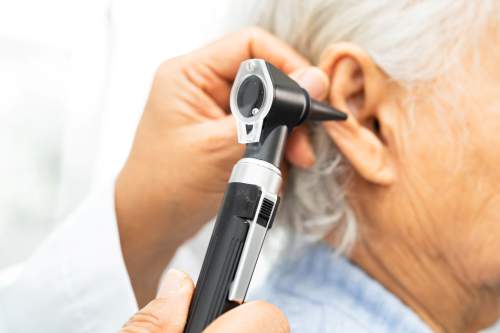
Unlike broken bones or visible wounds, hearing loss is often considered an “invisible injury.” Victims may initially experience ringing in the ears, muffled hearing, dizziness, or sensitivity to sound, only to discover weeks or months later that they have suffered permanent damage. These injuries can interfere with employment, relationships, education, and overall quality of life.
At John J. Malm & Associates, we understand that hearing loss can have lifelong consequences. If your hearing impairment was caused by someone else’s negligence, you may be entitled to recover compensation for your medical expenses, lost income, pain and suffering, and future treatment costs.
“Hearing loss is often an invisible injury, but its effects can be lifelong. When someone’s negligence causes permanent hearing damage, victims deserve compensation that reflects not only their medical expenses but also the lasting impact on their careers, relationships, and quality of life.” — John J. Malm, Naperville injury attorney
Hearing Loss Is More Common Than Many People Realize
According to the National Institute on Deafness and Other Communication Disorders (NIDCD), approximately 15% of American adults, about 37.5 million people, report some degree of hearing difficulty. While aging is a common cause, traumatic injuries are also a significant source of hearing impairment.
The World Health Organization (WHO) estimates that more than 430 million people worldwide have disabling hearing loss requiring rehabilitation, and that number is expected to grow substantially over the coming decades. The Centers for Disease Control and Prevention (CDC) also notes that traumatic brain injuries, loud noise exposure, and blunt force trauma can all damage the structures responsible for hearing and balance.
How Personal Injury Accidents Cause Hearing Loss
Many accident victims are surprised to learn that hearing damage can occur without direct injury to the ears. The ear is an extremely delicate organ consisting of tiny bones, nerves, fluid-filled chambers, and specialized sensory cells. Any disruption to these structures can interfere with normal hearing. Common causes of accident-related hearing loss include:
- Head trauma
- Traumatic brain injuries (TBIs)
- Skull fractures
- Airbag deployment
- Blast injuries
- Loud impact noise
- Whiplash injuries
- Penetrating trauma
- Falls
- Crush injuries
In many cases, hearing damage occurs because the force of the collision causes microscopic injuries that cannot be seen during a routine physical examination.
Car Accidents and Hearing Loss
Motor vehicle accidents are among the leading causes of traumatic hearing injuries. Several factors can contribute to hearing damage during a crash:
- Airbag deployment can generate sound levels exceeding 150 decibels.
- Sudden pressure changes may rupture the eardrum.
- Head impact may damage the inner ear.
- Whiplash may injure nerves involved in hearing and balance.
- Traumatic brain injuries may interfere with the brain’s ability to process sound.
Even relatively low-speed collisions may produce enough force to injure the auditory system. Many victims initially believe they have escaped serious injury, only to notice ringing in their ears or difficulty understanding conversations several days later.
Hearing Loss After Truck Accidents
Commercial truck accidents frequently produce catastrophic injuries because of the tremendous forces involved. Victims may experience:
- Skull fractures
- Severe concussions
- Brain hemorrhages
- Inner ear injuries
- Permanent nerve damage
- Vestibular disorders affecting hearing and balance
Because truck collisions often involve multiple impacts, hearing injuries may occur alongside spinal injuries, orthopedic trauma, and internal organ damage.
Motorcycle Accidents Frequently Cause Auditory Injuries
Motorcyclists are particularly vulnerable because they lack the protection of an enclosed vehicle. Hearing injuries may result from:
- Direct head impact
- Helmet damage
- Roadway impact
- Skull fractures
- Brain trauma
- Loud collision noise
Motorcyclists who survive serious crashes sometimes develop permanent tinnitus or sensorineural hearing loss despite wearing helmets.
Falls Can Damage Hearing
Slip and fall accidents frequently cause victims to strike their heads on concrete, tile, stairs, or other hard surfaces. A fall may result in:
- Concussions
- Temporal bone fractures
- Damage to the inner ear
- Vestibular dysfunction
- Hearing loss
- Chronic dizziness
Older adults are especially susceptible because falls often involve direct trauma to the side or back of the head.
Tinnitus After an Accident
One of the most frequent auditory injuries following a personal injury accident is tinnitus, commonly described as a persistent ringing, buzzing, hissing, roaring, or clicking sound in one or both ears. While some cases resolve over time, others become permanent and can significantly interfere with daily life.
Tinnitus is not a disease itself but rather a symptom of damage to the auditory system. Following a serious accident, it may indicate injury to the inner ear, auditory nerve, or portions of the brain responsible for processing sound.
Accident victims often report that tinnitus:
- Makes it difficult to concentrate
- Interferes with sleep
- Causes anxiety or depression
- Reduces work productivity
- Makes conversations difficult to understand
- Becomes more noticeable in quiet environments
For some individuals, chronic tinnitus can be just as disabling as measurable hearing loss.
Traumatic Brain Injuries Can Cause Hearing Loss
Traumatic brain injuries (TBIs) are one of the leading causes of hearing impairment following serious accidents. Even a mild concussion can disrupt the brain’s ability to process sound, while moderate or severe brain injuries may permanently damage the auditory pathways.
According to the Centers for Disease Control and Prevention (CDC), millions of Americans sustain traumatic brain injuries each year, with motor vehicle accidents and falls among the leading causes. Hearing problems associated with TBIs may include:
- Partial hearing loss
- Complete hearing loss in one ear
- Difficulty understanding speech
- Sensitivity to loud sounds
- Tinnitus
- Balance disorders
- Vertigo
- Difficulty identifying where sounds originate
Because these symptoms may develop gradually, accident victims should report any changes in hearing to their physician immediately.
Inner Ear Injuries and Balance Disorders
The inner ear controls both hearing and balance. As a result, many accident victims experience dizziness or balance problems in addition to hearing loss. Common vestibular injuries include:
- Labyrinthine concussion
- Perilymphatic fistula
- Vestibular nerve injury
- Benign paroxysmal positional vertigo (BPPV)
- Damage to the cochlea
- Semicircular canal injuries
Symptoms often include:
- Vertigo
- Dizziness
- Nausea
- Difficulty walking
- Motion sensitivity
- Frequent falls
These conditions may require months of rehabilitation and can significantly interfere with employment and everyday activities.
Types of Hearing Loss Following an Accident
Several different forms of hearing loss may occur after a traumatic event.
Conductive Hearing Loss
Conductive hearing loss occurs when sound cannot effectively travel through the outer or middle ear. Common causes include:
- Ruptured eardrum
- Blood behind the eardrum
- Middle ear fractures
- Dislocated hearing bones
- Swelling following trauma
Some conductive hearing loss improves with surgery or medical treatment.
Sensorineural Hearing Loss
Sensorineural hearing loss results from damage to the inner ear or auditory nerve. Common causes include:
- Head trauma
- Blast injuries
- Airbag deployment
- Skull fractures
- Brain injuries
Unfortunately, sensorineural hearing loss is frequently permanent.
Mixed Hearing Loss
Some accident victims suffer both conductive and sensorineural injuries simultaneously, resulting in mixed hearing loss that may require extensive treatment and long-term rehabilitation.
Diagnosing Hearing Loss After an Accident
Prompt diagnosis is critical for maximizing recovery and documenting injuries for a personal injury claim. Physicians may recommend:
- Comprehensive hearing examinations
- Audiograms
- Tympanometry
- CT scans
- MRI imaging
- Vestibular testing
- Neurological evaluations
- ENT (ear, nose, and throat) consultations
Objective medical testing is particularly important because hearing loss is often invisible and cannot be observed through routine physical examination.
Treatment for Accident-Related Hearing Loss
Treatment depends on both the cause and severity of the injury. Possible treatments include:
- Hearing aids
- Cochlear implants
- Surgical repair of the eardrum
- Middle ear surgery
- Steroid medications
- Vestibular rehabilitation
- Balance therapy
- Tinnitus management therapy
- Assistive listening devices
- Counseling for adjustment and communication strategies
Although modern treatments can significantly improve quality of life, permanent hearing loss often cannot be completely reversed.
How Hearing Loss Affects Daily Life
Many people underestimate the profound impact hearing loss can have on an individual’s independence and emotional well-being. Victims may struggle with:
- Communicating with family members
- Participating in conversations
- Using telephones
- Working safely
- Driving safely
- Enjoying social activities
- Following verbal instructions
- Recognizing emergency warnings
- Maintaining employment
In severe cases, hearing impairment contributes to social isolation, depression, and decreased overall quality of life.
Recovering Compensation for Hearing Loss
If another person’s negligence caused your accident, Illinois law may allow you to recover compensation for both your financial losses and the personal impact of your injury. Potential damages include:
- Emergency medical treatment
- Hospital expenses
- Diagnostic testing
- Hearing aids
- Future medical care
- Rehabilitation costs
- Lost wages
- Loss of future earning capacity
- Pain and suffering
- Emotional distress
- Permanent disability
- Loss of normal life
Because hearing loss often requires lifelong treatment and accommodations, it is important that any settlement reflects both current and future expenses.
Proving Hearing Loss in a Personal Injury Claim
Hearing loss is often more difficult to prove than injuries such as broken bones or lacerations because it is largely invisible. Insurance companies may question whether the hearing impairment is related to the accident, whether it existed before the incident, or whether it is as severe as the victim claims. Building a successful personal injury case therefore requires thorough medical documentation and expert analysis.
To establish that an accident caused hearing loss, your attorney may work with medical professionals and other experts to demonstrate the connection between the traumatic event and your auditory injury. Important evidence often includes:
- Emergency room records
- Ambulance reports
- Audiology evaluations
- Hearing tests (audiograms)
- CT scans and MRI results
- ENT (ear, nose, and throat) specialist evaluations
- Neurologist reports
- Vestibular testing
- Medical bills
- Employment records documenting lost wages
- Testimony from family members describing changes after the accident
- Expert medical opinions
The sooner hearing problems are evaluated after an accident, the easier it is to establish that the injuries were caused by the collision rather than another condition.
Expert Medical Testimony Can Be Critical
Many hearing loss cases require testimony from medical specialists who can explain complex injuries to insurance companies, judges, or juries. Experts who may become involved include:
- Audiologists
- Otolaryngologists (ENT physicians)
- Neurologists
- Neuropsychologists
- Vestibular specialists
- Life care planners
- Vocational rehabilitation experts
- Economists
These professionals can explain how the accident caused the hearing impairment, whether the condition is permanent, what future treatment will be necessary, and how the injury will affect the victim’s ability to work and live independently.
Insurance Companies Often Dispute Hearing Loss Claims
Because hearing loss cannot always be seen on diagnostic imaging, insurance companies frequently challenge these claims. Adjusters may argue that hearing problems are age-related, existed before the accident, or are exaggerated. Common defenses include:
- The hearing loss existed before the accident.
- The symptoms are caused by aging.
- The victim delayed seeking treatment.
- The hearing impairment is temporary.
- The accident was too minor to cause hearing damage.
- Another medical condition caused the symptoms.
An experienced Illinois personal injury attorney can work with medical experts to counter these arguments and present compelling evidence that links your hearing loss directly to the accident.
Long-Term Financial Consequences of Hearing Loss
Permanent hearing loss affects far more than a person’s ability to hear conversations. It can create lifelong financial burdens that should be considered when evaluating a personal injury claim. Future expenses may include:
- Hearing aids and replacements
- Cochlear implants
- Batteries and maintenance
- Ongoing audiology appointments
- Speech and auditory rehabilitation
- Vestibular therapy
- Assistive listening devices
- Home or workplace accommodations
- Counseling and mental health treatment
Many individuals also experience reduced earning capacity if their hearing loss limits the types of jobs they can safely perform.
Why You Should Contact an Illinois Personal Injury Attorney Early
After a serious accident, your focus should be on your recovery, not on battling insurance companies. Hiring an experienced attorney early in the process can help preserve evidence, coordinate medical documentation, and protect your legal rights. An attorney can:
- Investigate the accident.
- Obtain police reports and witness statements.
- Gather medical records.
- Consult with hearing specialists and other experts.
- Calculate the full value of your damages.
- Negotiate with insurance companies.
- File a lawsuit if a fair settlement cannot be reached.
Early legal representation can make a significant difference, especially in cases involving permanent injuries like hearing loss.
Frequently Asked Questions about Hearing Loss from Personal Injury Accidents
Can a car accident cause permanent hearing loss?
Yes. Motor vehicle accidents can cause permanent hearing loss through head trauma, airbag deployment, traumatic brain injuries, skull fractures, damage to the inner ear, or injury to the auditory nerve.
Can whiplash cause hearing problems?
In some cases, yes. Whiplash may affect the nerves and structures associated with hearing and balance, resulting in tinnitus, dizziness, or hearing impairment.
Is tinnitus considered a personal injury?
Yes. If tinnitus develops because of another person’s negligence, it may be a compensable injury as part of a personal injury claim.
How do doctors diagnose hearing loss after an accident?
Doctors typically perform hearing examinations, audiograms, imaging studies such as CT scans or MRIs when appropriate, vestibular testing, and evaluations by audiologists or ENT specialists.
What if my hearing loss did not begin immediately?
Delayed symptoms are not uncommon. Some accident victims notice hearing problems days or even weeks after suffering a concussion or head injury. You should seek medical evaluation as soon as symptoms develop.
Can I recover compensation if I need hearing aids?
Yes. If hearing aids or other assistive devices are medically necessary because of accident-related injuries, their cost may be recoverable as part of your damages, including future replacement and maintenance expenses when supported by the evidence.
How long do I have to file a personal injury lawsuit in Illinois?
In most cases, Illinois personal injury claims must be filed within two years of the date of the injury, although exceptions may apply. Speaking with an attorney promptly can help ensure important deadlines are met.
What is my hearing loss case worth?
Every case is different. The value of a claim depends on factors such as:
- The severity and permanence of your hearing loss
- Your medical expenses
- Future treatment costs
- Lost wages and reduced earning capacity
- Pain and suffering
- Emotional distress
- The impact on your daily life and relationships
An experienced attorney can evaluate your case and estimate the compensation that may be available based on your specific circumstances.
Contact the Experienced Illinois Injury Attorneys at John J. Malm & Associates After an Accident Causing Hearing Loss
Hearing loss is far more than an inconvenience, it can permanently affect your career, your relationships, and your quality of life. If your hearing impairment resulted from a car accident, truck collision, motorcycle crash, slip and fall, workplace incident, or another accident caused by someone else’s negligence, you should not have to shoulder the financial burden alone.
At John J. Malm & Associates, we have decades of experience representing victims of serious personal injury accidents throughout Illinois. We understand how to build complex injury claims involving traumatic brain injuries, auditory disorders, tinnitus, and permanent hearing impairment. Our legal team works closely with medical experts to document the full extent of your injuries and aggressively pursues compensation for your medical expenses, lost income, future care, pain and suffering, and diminished quality of life.
If you or a loved one has suffered hearing loss after an accident, contact John J. Malm & Associates today for a free consultation. We will listen to your story, explain your legal rights, answer your questions, and fight to secure the compensation you deserve so you can focus on your recovery and your future.