

EXPERIENCED PERSONAL INJURY ATTORNEYS














Illinois Broken Tailbone Injury Lawyers
5-Star Rated Injury Attorneys for Coccyx Fractures Due to Slip and Falls, Car Accidents, and Nursing Home Neglect
A broken tailbone, also known as a coccyx fracture, is one of the most painful injuries a person can suffer after a personal injury accident. Although the coccyx is a relatively small bone located at the base of the spine, it plays an important role in supporting the body while sitting and serves as an attachment point for numerous muscles, ligaments, and tendons. When the tailbone is fractured or severely bruised, even simple daily activities like sitting, driving, bending, standing, or sleeping can become extremely painful.
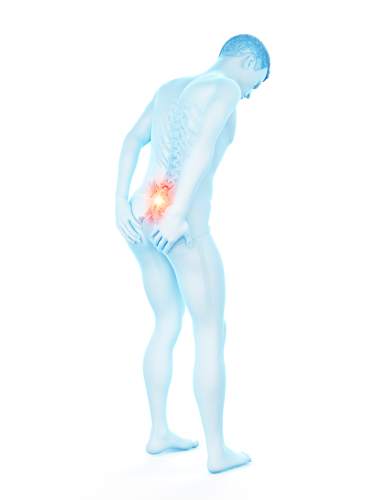
Broken tailbones commonly occur in slip and fall accidents, motor vehicle collisions, bicycle accidents, motorcycle crashes, workplace accidents, sports injuries, and nursing home falls. While many people assume a tailbone injury will heal quickly on its own, some victims experience chronic pain that lasts for months or even years. In severe cases, a fractured coccyx can interfere with a person’s ability to work, exercise, drive, and enjoy normal daily activities.
According to the Centers for Disease Control and Prevention (CDC), falls remain one of the leading causes of nonfatal injuries treated in emergency departments each year, accounting for millions of emergency room visits nationwide. Likewise, the National Highway Traffic Safety Administration (NHTSA) reports tens of thousands of serious injuries occur annually in motor vehicle crashes, many involving spinal, pelvic, and lower back trauma. Because the coccyx absorbs significant force during rear-end impacts and falls onto the buttocks, these accidents frequently result in painful tailbone injuries.
“A broken tailbone may not sound like a life-changing injury until you experience it. For many clients, the pain affects nearly every part of their day: from sitting at work to driving, sleeping, and spending time with family. When someone else’s negligence causes that kind of disruption, they should be held accountable. Our firm is committed to helping injury victims recover the compensation they need to move forward with confidence.” — John J. Malm, Naperville injury lawyer
What Is the Tailbone?
The tailbone, medically known as the coccyx, sits at the very bottom of the spinal column beneath the sacrum. Although it is much smaller than the rest of the spine, it serves several important functions.
The coccyx consists of three to five small fused vertebrae that provide stability when sitting and anchor numerous muscles and ligaments involved in movement, posture, bowel function, and pelvic floor support.
These structures include:
- Pelvic floor muscles
- Gluteal muscles
- Ligaments supporting the pelvis
- Tendons that stabilize the lower spine
Because so many tissues attach to the coccyx, even a relatively small fracture can produce significant pain with nearly every movement.
How Common Are Broken Tailbones?
Tailbone fractures are often underdiagnosed because many patients assume they have merely “bruised” their tailbone and never seek medical treatment. Even when patients visit an emergency department, coccyx fractures may not always be visible on standard X-rays. Nevertheless, coccyx injuries are remarkably common after traumatic accidents.
Medical research has found:
- Falls account for the majority of coccyx fractures.
- Women suffer coccyx injuries significantly more often than men because of pelvic anatomy.
- Older adults face a higher risk due to osteoporosis and reduced bone density.
- Rear-end automobile collisions are a common cause of coccygeal injuries.
- Sports and recreational accidents frequently produce direct trauma to the tailbone.
Common Personal Injury Accidents That Cause Broken Tailbones
Nearly any accident involving a hard impact to the lower back or buttocks can fracture the coccyx. The most common causes include:
Slip and Fall Accidents
Slip and falls remain the leading cause of broken tailbones. Victims often fall directly backward onto:
- Ice
- Wet floors
- Uneven sidewalks
- Parking lots
- Stairs
- Grocery store floors
- Apartment complexes
- Restaurants
The force of landing directly on the buttocks concentrates tremendous energy into the coccyx. Property owners who fail to repair dangerous conditions or warn visitors of hazards may be liable for resulting injuries.
Car Accidents
Many people associate motor vehicle accidents with neck and back injuries, but rear-end collisions can also fracture the coccyx. When another vehicle strikes from behind:
- The pelvis is forced downward into the seat.
- Compression occurs between the pelvis and seat frame.
- The lower spine absorbs significant impact forces.
- Seat positioning can increase stress on the tailbone.
Even accidents occurring at relatively low speeds can produce painful coccyx injuries.
Truck Accidents
Commercial truck crashes often involve significantly greater forces than ordinary automobile collisions. Victims may suffer:
- Pelvic fractures
- Sacral fractures
- Lumbar spine injuries
- Coccyx fractures
- Multiple orthopedic injuries
Because tractor-trailers can weigh up to 80,000 pounds, collisions frequently produce severe trauma requiring extensive medical treatment.
Motorcycle Accidents
Motorcyclists have little protection during a crash. When riders are thrown from their motorcycle, they often land on:
- Their hips
- Lower back
- Buttocks
- Pelvis
Direct impact with pavement can fracture the coccyx while also causing spinal injuries, pelvic fractures, and soft tissue damage.
Bicycle and E-Bike Accidents
Cyclists frequently fall backward after striking:
- Curbs
- Potholes
- Loose gravel
- Motor vehicles
- Opening car doors
Even when wearing protective equipment, riders may land directly on the tailbone. The higher speeds associated with electric bicycles can increase both the likelihood and severity of these injuries.
Nursing Home Falls
Broken tailbones are particularly common among elderly nursing home residents. Residents may fall because of:
- Poor supervision
- Inadequate staffing
- Medication side effects
- Unsafe transfers
- Slippery floors
- Failure to provide mobility assistance
Older adults often have osteoporosis, making even relatively minor falls capable of causing fractures. When a nursing home fails to implement appropriate fall-prevention measures, it may be held responsible for resulting injuries.
Workplace Accidents
Employees can suffer coccyx fractures in many different occupations. Examples include:
- Falls from ladders
- Construction accidents
- Warehouse falls
- Delivery driver injuries
- Loading dock accidents
- Slips on wet floors
- Falls on icy sidewalks
Depending on the circumstances, an injured worker may have both a workers’ compensation claim and a third-party personal injury claim.
Why Broken Tailbones Can Be More Serious Than People Think
Many people hear the term “broken tailbone” and assume it is simply a painful bruise that heals within a few weeks. Unfortunately, that is often not the case. Unlike fractures in the arms or legs, the coccyx cannot be placed in a cast or immobilized. Every time a person sits, stands, bends, drives, or changes position, pressure is placed on the injured bone. This constant movement can slow healing and prolong pain.
In addition, coccyx fractures are often accompanied by injuries to the surrounding ligaments, muscles, and nerves. Some patients develop coccydynia: persistent tailbone pain that lasts for months or even years after the original injury. Chronic pain may interfere with work, sleep, exercise, and routine activities, and in severe cases, surgery to remove part or all of the coccyx (coccygectomy) may be considered after conservative treatment has failed.
For these reasons, insurance companies should not dismiss a broken tailbone as a “minor injury.” A coccyx fracture can have a substantial impact on a victim’s quality of life and may require ongoing medical care, rehabilitation, pain management, and time away from work.
Symptoms of a Broken Tailbone After an Accident
The symptoms of a broken tailbone can vary depending on the severity of the fracture and whether the surrounding muscles, ligaments, or nerves were also injured. Some people experience immediate, intense pain after a fall or collision, while others notice worsening discomfort over the following hours or days as inflammation develops.
Because the coccyx bears weight whenever a person sits or transitions from sitting to standing, even a small fracture can make routine activities difficult. Many accident victims initially believe they have only suffered a bruise, only to discover later that they have a fracture or chronic coccyx injury.
Common symptoms of a broken tailbone include:
- Severe pain at the base of the spine
- Pain that worsens while sitting or leaning backward
- Tenderness when the tailbone is touched
- Bruising or swelling around the lower back or buttocks
- Pain when standing from a seated position
- Difficulty walking for extended periods
- Pain during bowel movements
- Pain during sexual intercourse
- Muscle spasms in the lower back or pelvis
- Pain that radiates into the hips, buttocks, or upper legs
The intensity of these symptoms often depends on the mechanism of injury. A person involved in a high-speed rear-end collision or a fall from a significant height may experience far more severe pain than someone who sustained a lower-impact injury.
How Doctors Diagnose a Broken Tailbone
Diagnosing a coccyx fracture is not always straightforward. Unlike fractures of the arm or leg, tailbone fractures may not always appear clearly on standard X-rays. As a result, physicians often rely on a combination of the patient’s history, physical examination, and diagnostic imaging.
During an evaluation, your doctor will likely ask:
- How did the accident occur?
- Where is your pain located?
- Does sitting make the pain worse?
- Have you noticed numbness or weakness?
- Are bowel movements painful?
- Can you walk normally?
A physical examination typically includes gentle palpation of the coccyx to identify areas of tenderness and assess the stability of the bone.
Diagnostic Tests
Depending on your symptoms, your physician may order one or more imaging studies.
X-rays
X-rays are usually the first imaging study performed. They may identify:
- Fractures
- Dislocations
- Bone displacement
- Degenerative changes
However, because of the coccyx’s small size and position, some fractures are difficult to detect.
CT Scans
Computed tomography (CT) scans provide more detailed images of the bone and are often ordered when:
- Multiple fractures are suspected
- Pelvic injuries are present
- High-energy trauma occurred
- X-rays are inconclusive
CT scans are particularly useful following serious car accidents or falls from significant heights.
MRI
Magnetic resonance imaging (MRI) evaluates soft tissues surrounding the coccyx. An MRI may reveal:
- Torn ligaments
- Muscle injuries
- Bone bruising
- Disc injuries
- Nerve compression
- Bone marrow edema
MRIs are especially valuable when pain persists despite normal X-rays.
Treatment for a Broken Tailbone
Unlike many fractures, a broken tailbone cannot simply be placed in a cast. Instead, treatment focuses on reducing pain while allowing the bone to heal naturally. Fortunately, most coccyx fractures improve with conservative treatment, although recovery may require patience.
Rest and Activity Modification
One of the most important aspects of treatment is reducing pressure on the injured coccyx. Doctors often recommend:
- Avoiding prolonged sitting
- Standing frequently throughout the day
- Limiting heavy lifting
- Avoiding high-impact exercise
- Gradually increasing activity as pain improves
Many patients benefit from temporarily working remotely or using a standing desk while healing.
Ice and Heat Therapy
During the first several days after an injury, applying ice packs may help reduce inflammation and swelling. As healing progresses, heat therapy may help relax surrounding muscles and decrease stiffness.
Pain Medication
Depending on the severity of the injury, physicians may recommend:
- Acetaminophen
- Nonsteroidal anti-inflammatory drugs (NSAIDs)
- Prescription pain medication for severe cases
- Muscle relaxants
- Topical pain relievers
Medication should always be used as directed by a healthcare provider.
Specialized Seat Cushions
Many physicians recommend using specially designed cushions that reduce pressure on the tailbone while sitting. Common options include:
- Donut cushions
- Wedge cushions
- Coccyx cut-out cushions
- Gel seat cushions
These devices can significantly improve comfort during recovery, particularly for individuals whose jobs require prolonged sitting.
Physical Therapy
Once the initial pain improves, physical therapy may help restore function. Treatment often includes:
- Stretching exercises
- Pelvic floor rehabilitation
- Core strengthening
- Posture correction
- Balance training
- Gentle mobility exercises
Therapy may also reduce the risk of chronic pain.
Injections
When pain persists despite conservative treatment, physicians may recommend:
- Corticosteroid injections
- Local anesthetic injections
- Ganglion impar nerve blocks
These procedures may provide temporary or long-lasting pain relief in carefully selected patients.
Surgery
Fortunately, surgery is rarely necessary. However, patients with debilitating chronic pain that fails to improve after many months of treatment may be candidates for a coccygectomy, a procedure involving partial or complete removal of the coccyx.
Because surgery carries risks, it is generally considered only after conservative treatment has been exhausted.
Recovery Timeline
Recovery varies considerably depending on:
- The severity of the fracture
- The patient’s age
- Overall health
- Bone quality
- Associated injuries
- Compliance with treatment recommendations
Although every case is different, many patients follow a general recovery timeline.
Mild Tailbone Bruise
- Recovery often occurs within 2 to 4 weeks.
Stable Coccyx Fracture
- Healing typically requires 8 to 12 weeks.
Severe Fracture or Dislocation
- Recovery may take three to six months or longer.
Chronic Coccydynia
Some patients experience pain lasting:
- Six months
- One year
- Multiple years
Persistent pain is more likely when surrounding ligaments, muscles, or nerves were also injured.
Long-Term Complications
Although many people recover completely, others continue experiencing significant pain long after the fracture has healed. Potential long-term complications include:
- Chronic coccydynia (persistent tailbone pain)
- Difficulty sitting for prolonged periods
- Lower back pain
- Pelvic instability
- Nerve irritation
- Sleep disturbances
- Depression and anxiety related to chronic pain
- Reduced ability to work
- Permanent activity limitations
Individuals whose careers involve driving, office work, heavy lifting, or prolonged sitting may experience particularly significant vocational limitations.
Why Prompt Medical Treatment Matters
After any personal injury accident, seeking prompt medical care is important—not only for your health but also for your legal claim. Early treatment can:
- Identify fractures before complications develop.
- Rule out more serious pelvic or spinal injuries.
- Create medical records documenting the injury.
- Establish a clear connection between the accident and your symptoms.
- Support future claims for compensation.
Delaying treatment may allow insurance companies to argue that your injury was minor, unrelated to the accident, or caused by another event. Consistent medical follow-up and adherence to your physician’s recommendations can both improve your recovery and strengthen the evidence supporting your claim.
How a Broken Tailbone Can Affect a Personal Injury Claim
Although insurance companies sometimes attempt to characterize a broken tailbone as a “minor injury,” the reality is often quite different. A coccyx fracture can significantly disrupt nearly every aspect of a person’s life. Victims may be unable to sit comfortably, drive long distances, return to work, care for their children, or participate in hobbies they once enjoyed. Because these injuries are painful but not always outwardly visible, insurers may undervalue claims unless they are supported by thorough medical documentation.
Under Illinois law, individuals injured because of another party’s negligence may be entitled to seek compensation for the financial, physical, and emotional consequences of their injuries. Whether your broken tailbone resulted from a car accident, truck collision, slip and fall, motorcycle crash, bicycle accident, or another preventable incident, proving liability and documenting your damages are critical to recovering fair compensation.
Common Causes of Liability
Several different parties may be legally responsible for a tailbone injury depending on how the accident occurred.
Examples include:
- Negligent drivers who cause automobile accidents
- Commercial trucking companies
- Distracted or impaired motorists
- Property owners who fail to correct dangerous conditions
- Employers or subcontractors on unsafe construction sites
- Government entities responsible for maintaining public roadways or sidewalks
- Manufacturers of defective products or equipment
Every accident requires its own investigation, and more than one party may share responsibility.
Medical Documentation Is Essential
Unlike an obvious fracture involving an arm or leg, tailbone injuries sometimes receive skepticism because they cannot always be seen externally. Comprehensive medical records help establish both the existence and severity of the injury.
Helpful medical documentation includes:
- Emergency room records
- Orthopedic evaluations
- Follow-up treatment notes
- Pain management records
- Physical therapy reports
- Imaging studies
- Physician recommendations regarding work restrictions
- Documentation of permanent limitations
If your doctor recommends additional treatment, it is important to follow those recommendations whenever possible. Gaps in treatment may give insurance companies an opportunity to argue that your injury was not serious.
Damages Available After a Broken Tailbone Injury
A broken tailbone can create significant financial losses in addition to physical pain. Illinois law allows injured individuals to pursue compensation for both economic and non-economic damages.
Medical Expenses
Medical costs may include:
- Ambulance transportation
- Emergency room care
- Diagnostic imaging
- Orthopedic consultations
- Prescription medications
- Physical therapy
- Pain management treatment
- Follow-up appointments
- Surgical treatment, if necessary
- Future medical care
Even injuries that heal without surgery can require months of treatment.
Lost Wages
Many people with coccyx fractures cannot immediately return to work. Commonly affected occupations include:
- Office workers
- Truck drivers
- Delivery drivers
- Construction workers
- Nurses
- Teachers
- Factory employees
- Sales professionals who spend significant time driving
Compensation may include wages lost during recovery as well as future lost earning capacity if permanent limitations remain.
Pain and Suffering
Pain and suffering damages recognize that an injury affects more than just medical bills. Broken tailbones often cause:
- Constant pain while sitting
- Difficulty sleeping
- Reduced mobility
- Emotional frustration
- Loss of independence
- Chronic discomfort during daily activities
Unlike economic damages, pain and suffering cannot be measured by receipts alone. Instead, these damages reflect the overall impact the injury has had on the victim’s quality of life.
Loss of Normal Life
Illinois law also recognizes that serious injuries may prevent individuals from participating in activities they once enjoyed. Examples include:
- Exercising
- Riding bicycles
- Traveling
- Playing with children
- Gardening
- Recreational sports
- Long-distance driving
- Attending social events
A seemingly “simple” tailbone fracture can substantially diminish a person’s ability to enjoy everyday life.
Can a Broken Tailbone Become a Permanent Injury?
While many coccyx fractures heal within several months, some victims experience long-lasting complications. These may include:
- Chronic coccydynia
- Persistent pelvic pain
- Permanent sitting intolerance
- Ongoing need for pain management
- Permanent work restrictions
- Reduced mobility
- Depression or anxiety related to chronic pain
Patients with chronic pain may require ongoing medical treatment long after the fracture itself has healed.
Insurance Companies Often Minimize Tailbone Injuries
One challenge many accident victims face is convincing insurance companies that a broken tailbone is a serious injury. Insurance adjusters may argue that:
- The fracture is only a bruise.
- The injury should have healed quickly.
- The pain is exaggerated.
- The symptoms are unrelated to the accident.
- Pre-existing conditions are responsible.
Experienced personal injury attorneys understand these tactics and know how to present medical evidence demonstrating the true impact of a coccyx fracture.
Why You Should Speak With an Attorney Early
Important evidence can disappear quickly after an accident. Surveillance footage may be erased, witnesses may become difficult to locate, and physical evidence can be lost. Consulting an attorney early can help preserve:
- Accident scene evidence
- Witness testimony
- Electronic evidence
- Medical documentation
- Employment records
- Expert evaluations
Early legal representation also allows your attorney to communicate with insurance companies on your behalf while you focus on your recovery.
“Insurance companies sometimes underestimate tailbone injuries because they don’t always require surgery or leave visible scars. But anyone who has suffered a fractured coccyx knows how profoundly it can affect every aspect of daily life. Our goal is to fully document our clients’ injuries and fight for the compensation they need to recover and move forward.” — John J. Malm, Naperville car accident attorney
Frequently Asked Questions About Broken Tailbones and Personal Injury Claims
Can a broken tailbone heal without surgery?
Yes. The vast majority of coccyx fractures heal without surgery. Treatment typically includes rest, activity modification, anti-inflammatory medication, physical therapy, and the use of a specialized coccyx cushion to relieve pressure while sitting.
Can a broken tailbone cause permanent pain?
Unfortunately, yes. Some individuals develop chronic coccydynia, a condition characterized by persistent pain in the tailbone long after the fracture has healed.
What if my X-rays did not show a fracture?
Tailbone injuries are sometimes difficult to diagnose with standard X-rays. If your symptoms persist, your physician may recommend additional imaging, such as a CT scan or MRI, to evaluate the coccyx and surrounding soft tissues.
How long do I have to file a personal injury lawsuit in Illinois?
In most cases, Illinois law provides two years from the date of the injury to file a personal injury lawsuit. However, certain exceptions and shorter notice requirements may apply, particularly if a government entity is involved. Because deadlines can vary depending on the circumstances, speaking with an attorney as soon as possible is the best way to protect your rights.
Why Choosing the Right Injury Attorney Matters
A broken tailbone may not be as visible as other traumatic injuries, but its impact on your daily life can be profound. Insurance companies often attempt to minimize these claims by arguing that the injury is temporary or relatively minor. An experienced personal injury attorney understands how to demonstrate the true extent of your damages through medical records, expert opinions, and evidence showing how the injury has affected your ability to work and enjoy life.
At John J. Malm & Associates, we recognize that every injury deserves serious attention. Whether your coccyx fracture resulted from a motor vehicle collision, a slip and fall, a bicycle accident, a motorcycle crash, or another preventable incident, our team is committed to pursuing the full compensation you deserve.
Contact the Experienced Injury Lawyers at John J. Malm & Associates If You Have Suffered a Broken Tailbone
A fractured tailbone is far more than a painful inconvenience. It can interfere with your ability to work, drive, sleep, exercise, and participate in everyday activities for weeks, months, or even years. If your injury was caused by a negligent driver, unsafe property conditions, a workplace accident, or another act of negligence, you should not have to bear the financial and emotional burden on your own.
At John J. Malm & Associates, we have spent more than three decades helping injury victims throughout Illinois pursue the compensation they need to rebuild their lives. Our attorneys thoroughly investigate every case, gather the medical and expert evidence needed to prove the full extent of your injuries, and aggressively negotiate with insurance companies that attempt to undervalue legitimate claims. If necessary, we are fully prepared to take your case to trial to seek the justice you deserve.
If you or a loved one has suffered a broken tailbone in a personal injury accident, contact John J. Malm & Associates today for a free consultation. We will review your case, explain your legal options, and help you understand the next steps toward recovering compensation for your medical expenses, lost wages, pain and suffering, and other damages. Let our experienced Illinois personal injury attorneys fight for you while you focus on your recovery.