

EXPERIENCED PERSONAL INJURY ATTORNEYS














Illinois Dislocated Shoulder Injury Lawyers
Injury Attorneys for People With Dislocated Shoulders from Car Accidents and Slip and Falls
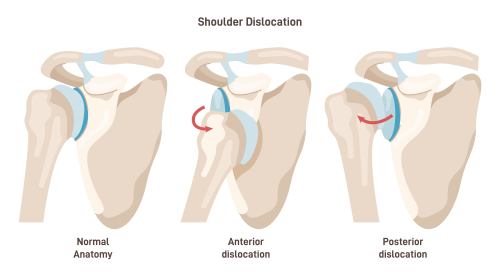
A dislocated shoulder is one of the most painful and debilitating injuries a person can suffer in a personal injury accident. Whether caused by a car accident, slip and fall, motorcycle crash, bicycle accident, workplace incident, or sports-related trauma, a shoulder dislocation can result in significant pain, lost mobility, extensive medical treatment, and long-term complications.
The shoulder is the most mobile joint in the human body, allowing people to lift, throw, reach, and rotate their arms through a remarkable range of motion. However, that flexibility comes at a cost. Because the shoulder joint sacrifices stability for mobility, it is particularly vulnerable to dislocation when subjected to sudden force or trauma.
“A shoulder dislocation may sound like a simple injury, but the reality is that many victims experience months of pain, extensive therapy, surgery, and long-term limitations. When someone else’s negligence causes that injury, victims deserve compensation for the full impact it has on their lives.” — John J. Malm, Naperville slip and fall accident attorney
Understanding the Anatomy of the Shoulder
The shoulder consists of three primary bones:
- The humerus (upper arm bone)
- The scapula (shoulder blade)
- The clavicle (collarbone)
The top of the humerus forms a rounded structure known as the humeral head. This “ball” fits into a shallow socket in the scapula called the glenoid fossa. Together, these structures create the glenohumeral joint, commonly referred to as the shoulder joint.
The shoulder is stabilized by a complex network of:
- Ligaments
- Tendons
- Muscles
- Cartilage
- The labrum
- Joint capsules
Because the socket is relatively shallow, the shoulder has a greater range of motion than almost any other joint in the body. Unfortunately, this also makes it the most frequently dislocated major joint. Shoulder dislocations account for approximately 50% of all major joint dislocations treated in emergency departments.
How Does a Dislocated Shoulder Occur?
A shoulder dislocation occurs when the humeral head is forced out of its normal position within the glenoid socket. This injury typically results from significant trauma, including:
Motor Vehicle Accidents
Car accidents are among the leading causes of shoulder dislocations. Drivers and passengers often brace themselves during a collision, transmitting tremendous force through the shoulder joint.
Common scenarios include:
- Head-on collisions
- Rear-end accidents
- Side-impact crashes
- Rollover accidents
Seatbelt restraints and airbag deployment can also contribute to shoulder injuries during severe crashes.
Motorcycle Accidents
Motorcyclists frequently suffer shoulder dislocations when they are thrown from their bikes and land directly on their shoulder or outstretched arm.
Bicycle Accidents
Cyclists often instinctively extend an arm during a fall, creating forces capable of dislocating the shoulder.
Slip and Fall Accidents
Falls are another common cause of shoulder dislocations. A person who slips on ice, wet floors, uneven pavement, or defective stairs may land directly on the shoulder or attempt to break the fall with an outstretched arm.
Pedestrian Accidents
Pedestrians struck by vehicles frequently sustain traumatic shoulder injuries due to the violent impact.
Workplace Accidents
Construction accidents, falls from heights, and incidents involving heavy equipment can generate enough force to dislocate the shoulder joint.
Types of Shoulder Dislocations
Shoulder dislocations are generally categorized by the direction in which the humeral head moves.
Anterior Shoulder Dislocation
Anterior dislocations account for approximately 95% to 97% of all shoulder dislocations.
In this injury:
- The humeral head moves forward
- The ball slips out of the front of the socket
- The injury often occurs after a fall onto an outstretched hand
Posterior Shoulder Dislocation
Posterior dislocations are far less common.
In these cases:
- The humeral head moves backward
- The injury may result from direct trauma
- Violent muscle contractions can occasionally contribute
Inferior Shoulder Dislocation
Inferior dislocations are rare. These injuries occur when:
- The humeral head is displaced downward
- Significant ligament and soft tissue damage often accompanies the injury
Partial vs. Complete Dislocation
A shoulder injury may be classified as either:
Subluxation (Partial Dislocation)
The humeral head partially slips out of the socket but remains partially connected.
Complete Dislocation
The humeral head is entirely displaced from the glenoid socket. Complete dislocations typically cause more severe pain and instability.
Symptoms of a Dislocated Shoulder
Symptoms can vary depending on the severity of the injury and whether surrounding structures have also been damaged.
Common symptoms include:
- Severe shoulder pain
- Visible shoulder deformity
- Swelling
- Bruising
- Limited range of motion
- Inability to move the arm
- Muscle spasms
- Shoulder weakness
- Numbness or tingling
- Pain radiating down the arm
- Shoulder instability
Many patients describe the shoulder as appearing “out of place” or noticeably different from the uninjured side.
Associated Injuries Commonly Seen with Shoulder Dislocations
A shoulder dislocation rarely occurs in isolation. The force necessary to dislocate the shoulder frequently damages surrounding structures. Associated injuries may include:
Labral Tears
The labrum is a ring of cartilage surrounding the shoulder socket.
When torn, it can cause:
- Chronic instability
- Clicking sensations
- Recurrent dislocations
- Persistent pain
Rotator Cuff Tears
The rotator cuff consists of four muscles and tendons that stabilize the shoulder. Rotator cuff injuries may require surgery and extensive rehabilitation.
Fractures
The following bones may fracture during a dislocation:
- Humerus
- Scapula
- Clavicle
Nerve Injuries
The axillary nerve is particularly vulnerable during shoulder dislocations. Nerve damage can cause:
- Numbness
- Weakness
- Loss of sensation
- Muscle atrophy
Blood Vessel Injuries
Although less common, vascular injuries can occur and require emergency treatment.
Diagnosing a Dislocated Shoulder
Prompt diagnosis is critical. Physicians typically begin with a physical examination to evaluate:
- Deformity
- Swelling
- Tenderness
- Range of motion
- Circulation
- Neurological function
Several imaging studies may be ordered, including:
X-Rays
X-rays are usually the first diagnostic test performed. They help physicians:
- Confirm the dislocation
- Identify fractures
- Evaluate alignment after reduction
CT Scans
CT scans provide highly detailed images of bones and joints. These studies may reveal:
- Small fractures
- Bone defects
- Complex injuries
MRI Scans
MRI imaging provides detailed visualization of soft tissues. MRI studies are particularly useful for evaluating:
- Rotator cuff tears
- Labral injuries
- Ligament damage
- Cartilage injuries
- Nerve involvement
Treatment for a Dislocated Shoulder
Treatment depends on the severity of the injury and whether other structures were damaged.
Closed Reduction
The first step is typically repositioning the shoulder. A physician carefully manipulates the humeral head back into the socket through a procedure known as closed reduction.
Many patients experience immediate relief once the shoulder is relocated.
Immobilization
Following reduction, the shoulder is typically immobilized using:
- A sling
- Shoulder brace
- Specialized splint
Immobilization may last several days or several weeks.
Physical Therapy
Physical therapy focuses on:
- Restoring range of motion
- Strengthening muscles
- Improving stability
- Preventing future dislocations
Surgical Treatment
Surgery may be necessary when:
- The shoulder repeatedly dislocates
- The labrum is torn
- The rotator cuff is damaged
- Fractures are present
- Nerves or blood vessels are injured
Common surgical procedures include:
- Bankart repair
- Labral reconstruction
- Rotator cuff repair
- Shoulder stabilization procedures
Long-Term Complications of Shoulder Dislocations
Although many patients recover successfully, complications can occur. Potential long-term consequences include:
- Chronic pain
- Recurrent dislocations
- Shoulder instability
- Arthritis
- Reduced strength
- Reduced range of motion
- Permanent nerve damage
Young individuals who experience a traumatic shoulder dislocation often face a particularly high risk of recurrent instability.
What Is a Dislocated Shoulder Settlement Worth?
The value of a shoulder injury claim depends on numerous factors. Important considerations include:
- Severity of the dislocation
- Need for surgery
- Permanent impairment
- Medical expenses
- Lost income
- Future medical treatment
- Pain and suffering
- Impact on daily activities
Cases involving surgery, permanent instability, or significant disability generally result in higher settlements than cases involving straightforward recoveries. Every claim must be evaluated individually based on the specific facts and damages involved.
How a Personal Injury Lawyer Can Help After a Shoulder Dislocation from an Accident
Insurance companies often attempt to minimize shoulder injury claims by arguing that victims have recovered or that their symptoms are unrelated to the accident.
An experienced Illinois personal injury attorney can help by:
- Investigating the accident
- Obtaining medical records
- Consulting orthopedic experts
- Calculating future damages
- Negotiating with insurers
- Filing a lawsuit when necessary
Proper documentation is often critical to demonstrating the full extent of a shoulder injury and its long-term consequences.
Frequently Asked Questions about Dislocated Shoulder Injuries from Personal Injury Accidents
Q: How serious is a dislocated shoulder?
A: A dislocated shoulder is a serious injury that often requires emergency medical treatment. In some cases, it can lead to permanent instability, chronic pain, arthritis, or nerve damage.
Q: Can a shoulder dislocation heal without surgery?
A: Yes. Many shoulder dislocations can be treated with reduction, immobilization, and physical therapy. However, surgery may be necessary if there are associated injuries or recurrent dislocations.
Q: How long does recovery take?
A: Recovery varies depending on the severity of the injury. Some individuals recover within a few weeks, while others require several months of rehabilitation or surgical recovery.
Q: Can a shoulder dislocation cause permanent damage?
Yes. Some victims experience chronic instability, reduced range of motion, arthritis, or permanent nerve injuries.
Q: What should I do after suffering a shoulder dislocation in an accident?
A: Seek immediate medical attention, follow all treatment recommendations, preserve documentation related to the accident, and consult an experienced personal injury attorney regarding your legal rights.
Contact the Top Illinois Personal Injury Lawyers at John J. Malm & Associates After a Dislocated Shoulder Injury
A dislocated shoulder can affect nearly every aspect of your life. Simple activities such as driving, working, lifting objects, exercising, or caring for your family can become difficult or impossible while you recover. In more severe cases, victims face surgery, months of rehabilitation, and the possibility of permanent limitations.
If your shoulder injury was caused by a car accident, truck accident, motorcycle crash, slip and fall, workplace accident, or another act of negligence, you should not have to bear the financial burden alone. At John J. Malm & Associates, we fight to help injury victims recover compensation for their medical bills, lost income, pain and suffering, and future treatment needs. Contact our office today for a free consultation and learn how we can help protect your rights and pursue the compensation you deserve.