

EXPERIENCED PERSONAL INJURY ATTORNEYS













Illinois Brain Stem Injury Lawyers
Top Attorneys Representing People with Complex Brain Injuries Throughout Illinois
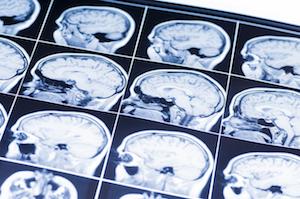
A brain stem injury is one of the most devastating injuries a person can suffer in a personal injury accident. Because the brain stem controls many of the body’s automatic functions, including breathing, heart rate, blood pressure, swallowing, and consciousness, even relatively small injuries can have life-altering or fatal consequences. Victims often require emergency surgery, prolonged hospitalization, intensive rehabilitation, and lifelong medical care. Families may suddenly find themselves facing overwhelming emotional and financial burdens after a serious accident.
At John J. Malm & Associates, we understand the catastrophic impact a brain stem injury can have on every aspect of a person’s life. For more than 33 years, attorney John J. Malm has represented injured victims and their families throughout Illinois, helping them pursue compensation for medical expenses, lost income, future care needs, pain and suffering, and permanent disability. If your brain stem injury was caused by someone else’s negligence, you may have the right to recover significant compensation.
“A brain stem injury can alter a person’s life in an instant, affecting not only the victim but their entire family. Our job is to hold negligent parties accountable and pursue the financial resources our clients need for medical care, rehabilitation, and long-term security. We are committed to helping families move forward after these devastating injuries.” — John J. Malm, Naperville traumatic brain injury attorney
What Is a Brain Stem Injury?
The brain stem is located at the base of the brain, connecting the brain to the spinal cord. Although it is relatively small compared to the rest of the brain, it performs some of the body’s most essential functions. Damage to this area can disrupt the body’s ability to perform basic life-sustaining activities without conscious thought.
The brain stem consists of three major structures:
- Midbrain: Controls eye movement, vision, hearing, and certain motor functions.
- Pons: Helps regulate facial movement, balance, sleep cycles, and breathing.
- Medulla oblongata: Controls heart rate, blood pressure, swallowing, coughing, and respiration.
Unlike many other traumatic injuries, brain stem injuries often affect multiple body systems simultaneously. Depending on the severity of the trauma, victims may experience paralysis, respiratory failure, loss of consciousness, cognitive impairment, or permanent neurological deficits.
According to the Centers for Disease Control and Prevention (CDC), traumatic brain injuries (TBIs) contribute to approximately 214,000 hospitalizations and more than 69,000 deaths annually in the United States. Motor vehicle accidents remain one of the leading causes of severe traumatic brain injuries among younger adults, while falls are the leading cause overall.
How Personal Injury Accidents Cause Brain Stem Injuries
Brain stem injuries usually occur after significant trauma causes the brain to rapidly move inside the skull or when the neck experiences violent flexion, extension, or rotational forces. In severe cases, the injury may involve bleeding, swelling, diffuse axonal injury, or direct compression of the brain stem itself.
Common mechanisms include:
- Sudden acceleration and deceleration
- Violent whiplash injuries
- Direct blows to the head
- Skull fractures
- Penetrating head trauma
- Compression caused by swelling or bleeding inside the skull
- Oxygen deprivation following severe trauma
Even if the skull does not fracture, the tremendous force generated during a high-speed collision or serious fall can permanently damage delicate brain tissue.
Common Accidents That Cause Brain Stem Injuries
Brain stem injuries frequently result from catastrophic accidents involving tremendous force. Some of the most common include:
Car Accidents
High-speed automobile collisions are among the leading causes of traumatic brain injuries. During a crash, occupants may strike the steering wheel, dashboard, side window, or airbags. Even restrained occupants can suffer brain injuries from rapid forward and backward motion of the head.
Brain stem injuries are particularly common in:
- Head-on collisions
- Side-impact crashes
- Rollover accidents
- High-speed interstate collisions
- Accidents involving impaired or distracted drivers
Truck Accidents
Commercial truck accidents often produce enormous impact forces because tractor-trailers can weigh up to 80,000 pounds. Victims of truck crashes frequently sustain catastrophic injuries, including severe traumatic brain injuries involving the brain stem.
The risk increases dramatically when:
- Passenger vehicles underride trailers
- Trucks strike smaller vehicles at highway speeds
- Cargo shifts during transport
- Multiple vehicles become involved in chain-reaction crashes
Motorcycle Accidents
Motorcyclists have little protection from direct impacts. Even riders wearing helmets may suffer severe brain injuries after striking the pavement, another vehicle, or roadside objects.
Brain stem injuries may occur from:
- Ejection from the motorcycle
- High-speed impacts
- Rotational forces affecting the neck
- Secondary impacts after sliding
Slip and Fall Accidents
Falls are the leading cause of traumatic brain injuries across all age groups and are particularly dangerous for older adults. A simple fall on wet flooring, icy sidewalks, defective stairs, or uneven pavement can cause the back of the head to strike a hard surface, transmitting force directly through the skull and upper spinal column.
Property owners who fail to maintain reasonably safe premises may be held liable when hazardous conditions cause preventable falls.
Pedestrian and Bicycle Accidents
Pedestrians and bicyclists are extremely vulnerable because they lack the protection of an enclosed vehicle. Being struck by a car often causes victims to suffer multiple impacts, including contact with the vehicle, pavement, or surrounding objects.
These accidents frequently result in:
- Skull fractures
- Diffuse axonal injuries
- Brain stem trauma
- Spinal cord injuries
- Multiple orthopedic injuries
Symptoms of a Brain Stem Injury
Because the brain stem regulates essential bodily functions, symptoms can appear immediately or worsen rapidly as swelling develops. Some victims lose consciousness instantly, while others initially appear stable before their condition deteriorates.
Common symptoms include:
- Difficulty breathing
- Loss of consciousness
- Persistent dizziness
- Difficulty swallowing
- Slurred speech
- Loss of balance and coordination
- Double vision
- Weakness or numbness
- Abnormal eye movements
- Facial paralysis
- Persistent headaches
- Nausea and vomiting
- Confusion
- Memory loss
- Changes in heart rate or blood pressure
- Coma
Any person experiencing these symptoms after an accident should receive emergency medical attention immediately. Early diagnosis and treatment may significantly improve long-term outcomes.
Diagnosing a Brain Stem Injury
Diagnosing a brain stem injury requires prompt neurological evaluation and advanced imaging studies. Emergency physicians first stabilize the patient’s airway, breathing, and circulation before assessing neurological function.
Common diagnostic tools include:
- Neurological examinations
- Glasgow Coma Scale assessments
- CT scans
- MRI imaging
- CT angiography
- Intracranial pressure monitoring
- Electrophysiological testing
- Neuropsychological evaluations during recovery
Because swelling can continue for hours or days following an accident, physicians often repeat imaging studies to monitor changes in the patient’s condition. Prompt diagnosis not only improves medical outcomes but also creates important documentation that may later support a personal injury claim.
Treatment for Brain Stem Injuries
Treatment for a brain stem injury depends on the severity of the trauma, the specific area of the brain stem that has been damaged, and whether the injury involves swelling, bleeding, or oxygen deprivation. Because these injuries can quickly become life-threatening, emergency treatment is focused on stabilizing the patient and preventing additional brain damage.
Many victims require treatment in a Level I trauma center, where neurosurgeons, neurologists, trauma surgeons, and critical care specialists work together to manage complex brain injuries. Even after the patient is stabilized, recovery often requires months or years of rehabilitation.
Common treatments include:
- Emergency surgery to relieve pressure on the brain
- Mechanical ventilation to assist with breathing
- Medications to reduce brain swelling
- Blood pressure and oxygen monitoring
- Seizure prevention medications
- Nutritional support
- Physical therapy
- Occupational therapy
- Speech and swallowing therapy
- Cognitive rehabilitation
- Psychological counseling
For individuals with severe brain stem injuries, recovery may involve extended stays in rehabilitation hospitals, skilled nursing facilities, or long-term acute care hospitals. Some patients regain substantial function over time, while others require lifelong assistance with everyday activities.
Rehabilitation After a Brain Stem Injury
Recovery from a brain stem injury is often a long and unpredictable process. Unlike broken bones, injured brain tissue does not simply heal with time. Instead, recovery depends on the brain’s ability to reorganize itself through a process known as neuroplasticity.
Rehabilitation focuses on helping patients regain as much independence as possible. A comprehensive rehabilitation program may include:
- Improving strength and mobility
- Relearning basic activities such as walking or dressing
- Restoring speech and communication abilities
- Improving memory and concentration
- Treating balance and coordination problems
- Managing chronic pain
- Addressing depression, anxiety, or emotional changes
- Teaching family members how to assist with daily care
Many patients continue therapy for months or even years after the initial injury.
Long-Term Effects of Brain Stem Injuries
Because the brain stem controls so many essential bodily functions, permanent disabilities are unfortunately common. Even individuals who survive a severe brain stem injury may experience lifelong medical complications.
Possible long-term effects include:
- Partial or complete paralysis
- Difficulty speaking
- Difficulty swallowing
- Chronic respiratory problems
- Balance disorders
- Chronic headaches
- Vision problems
- Hearing loss
- Memory impairment
- Cognitive dysfunction
- Personality changes
- Depression
- Anxiety
- Chronic fatigue
- Seizure disorders
Some victims develop conditions requiring around-the-clock care. Others are unable to return to work or participate in activities they once enjoyed. Families frequently become caregivers, dramatically changing their own lives while helping an injured loved one recover.
Can Someone Recover From a Brain Stem Injury?
Every brain stem injury is different. Recovery depends on several factors, including:
- The severity of the injury
- Whether oxygen deprivation occurred
- The patient’s age
- Overall health before the accident
- How quickly treatment was received
- Whether rehabilitation begins early
- The presence of other traumatic injuries
Some individuals make remarkable recoveries, while others experience permanent neurological impairment. Medical experts generally agree that early treatment and aggressive rehabilitation provide the best opportunity for meaningful recovery.
How Brain Stem Injuries Affect Everyday Life
Many survivors face challenges that extend far beyond their initial hospitalization. A brain stem injury can affect nearly every aspect of a person’s daily routine. Common challenges include:
- Returning to work
- Driving safely
- Caring for children
- Maintaining personal relationships
- Performing household tasks
- Participating in hobbies
- Managing finances
- Living independently
Even when a victim appears physically recovered, subtle cognitive deficits, fatigue, and emotional changes may continue to interfere with employment and daily activities.
Proving Negligence in an Illinois Brain Injury Case
To recover compensation in Illinois, an injured victim generally must prove that another party’s negligence caused the accident and resulting injuries.
Evidence frequently includes:
- Police reports
- Photographs of the accident scene
- Surveillance video
- Dashcam footage
- Eyewitness testimony
- Medical records
- CT scans and MRI results
- Expert medical opinions
- Accident reconstruction reports
- Employment records documenting lost wages
Because brain stem injuries often have lifelong consequences, attorneys frequently work with neurologists, neurosurgeons, rehabilitation specialists, vocational experts, and life-care planners to demonstrate the full extent of future damages.
Why Hiring an Experienced Brain Injury Attorney Matters
Brain stem injury cases are among the most medically and legally complex personal injury claims. Unlike injuries that heal within weeks or months, a brain stem injury can permanently affect a person’s ability to work, communicate, care for themselves, and enjoy life. These cases often involve substantial future medical expenses, ongoing rehabilitation, and lifelong disability. Insurance companies frequently dispute the severity of brain injuries or argue that a victim’s symptoms are unrelated to the accident.
An experienced personal injury attorney can help level the playing field by gathering evidence, consulting with leading medical experts, and presenting a compelling case that accurately reflects the full extent of the victim’s losses.
At John J. Malm & Associates, we understand that every catastrophic injury case requires a thorough investigation and careful preparation. Our firm works with physicians, neurologists, neurosurgeons, vocational experts, economists, and life-care planners to document both the immediate and long-term impact of a brain stem injury.
Our legal team can assist by:
- Conducting a comprehensive investigation into the accident
- Preserving critical evidence before it is lost
- Obtaining police reports, medical records, and imaging studies
- Interviewing witnesses
- Working with accident reconstruction experts when necessary
- Consulting medical specialists regarding prognosis and future care
- Calculating future medical expenses and lost earning capacity
- Negotiating aggressively with insurance companies
- Taking the case to trial if a fair settlement cannot be reached
Because catastrophic brain injuries often require decades of future care, it is essential that any settlement or verdict reflects not only current losses but also future financial needs.
How John J. Malm & Associates Helps Illinois Brain Injury Victims
For more than 33 years, John J. Malm has represented injured individuals and families throughout Illinois. Our firm understands the profound physical, emotional, and financial consequences of catastrophic injuries, including brain stem trauma.
When you hire John J. Malm & Associates, we will:
- Listen carefully to your story and answer your questions
- Investigate every aspect of your accident
- Coordinate with your treating physicians and medical experts
- Handle all communications with insurance companies
- Pursue compensation for your current and future damages
- Keep you informed throughout every stage of your case
- Prepare every case as though it will proceed to trial
We recognize that families coping with a serious brain injury are often overwhelmed by medical appointments, financial uncertainty, and difficult decisions. Our goal is to handle the legal process so you can focus on your recovery and your family.
Frequently Asked Questions About Brain Stem Injury Claims
What is the difference between a brain stem injury and a traumatic brain injury?
A traumatic brain injury (TBI) is a broad term describing any injury to the brain caused by external force. A brain stem injury is a specific type of traumatic brain injury involving the area that controls vital bodily functions such as breathing, heart rate, swallowing, and consciousness. Because of its location, a brain stem injury is often considered one of the most serious forms of TBI.
Can a mild accident cause a brain stem injury?
While brain stem injuries are most commonly associated with high-impact trauma, such as motor vehicle collisions or significant falls, even lower-speed accidents can cause serious injury if they generate sufficient force to the head or neck. Every accident should be evaluated individually, particularly if neurological symptoms develop afterward.
How much is a brain stem injury case worth?
There is no average settlement value because every case is unique. Factors that influence compensation include:
- Severity of the injury
- Permanent disability
- Medical expenses
- Future treatment needs
- Lost income
- Reduced earning capacity
- Pain and suffering
- Age of the victim
- Available insurance coverage
Catastrophic brain injury claims often involve substantial damages because of the lifelong medical care many victims require.
How long do I have to file a lawsuit in Illinois?
In most cases, Illinois law requires personal injury lawsuits to be filed within two years of the date of the injury. However, exceptions may apply depending on the circumstances, including claims involving minors, government entities, or delayed discovery of an injury. Speaking with an attorney as soon as possible helps protect your rights and preserve important evidence.
Can family members recover compensation if a brain stem injury is fatal?
Yes. If a brain stem injury results in death, surviving family members may be able to pursue compensation through an Illinois wrongful death claim and, in some cases, a survival action. These claims may provide compensation for financial losses, loss of companionship, grief, and other damages allowed under Illinois law.
Do I need an attorney if the insurance company accepts responsibility?
Yes. Even when liability is clear, insurance companies often dispute the full value of catastrophic injury claims. An experienced attorney can evaluate your damages, negotiate on your behalf, and work to ensure that any settlement accounts for your long-term medical needs and future losses.
Contact the Experienced Illinois Brain Stem Injury Lawyers at John J. Malm & Associates Today
A brain stem injury can change the course of a person’s life in a matter of seconds. Victims often face extensive medical treatment, prolonged rehabilitation, permanent disability, and significant financial hardship. When these injuries are caused by another person’s negligence, you should not have to bear those burdens alone.
At John J. Malm & Associates, we have spent more than three decades helping injured individuals and their families pursue justice throughout Illinois. We understand the complex medical issues involved in catastrophic brain injury cases, and we are committed to seeking the full compensation our clients need to rebuild their lives. From investigating the accident and working with respected medical experts to negotiating with insurance companies and litigating in court when necessary, we are prepared to advocate for you every step of the way.
If you or someone you love has suffered a brain stem injury in a car accident, truck accident, motorcycle crash, slip and fall, workplace accident, or any other incident caused by negligence, contact John J. Malm & Associates today for a free consultation. We will review your case, explain your legal options, and fight to obtain the compensation you deserve so you can focus on your recovery and your future.