

EXPERIENCED PERSONAL INJURY ATTORNEYS














Illinois Odontoid Fracture Lawyers
Top-Rated Attorneys for Neck Fractures from Car Accidents and Slip and Falls
An odontoid fracture is one of the most serious cervical spine injuries a person can suffer in a traumatic accident. These fractures involve the odontoid process, also known as the “dens,” a small but critical bony structure located on the second cervical vertebra (C2) in the neck. Because the odontoid process helps stabilize and rotate the head and neck, fractures in this area can lead to severe pain, spinal instability, neurological complications, and even paralysis or death.
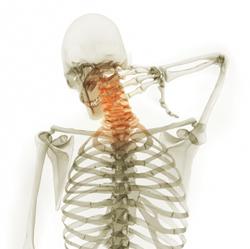
Odontoid fractures are commonly associated with high-impact personal injury accidents, including car crashes, truck accidents, motorcycle collisions, falls, and pedestrian accidents. Victims often require emergency treatment, immobilization, surgery, extensive rehabilitation, and long-term medical care.
According to medical research published by the National Center for Biotechnology Information (NCBI), odontoid fractures account for approximately 10% to 20% of all cervical spine fractures in adults and represent nearly 50% of all C2 vertebral fractures. Road traffic accidents remain one of the leading causes of these injuries.
“Odontoid fractures are among the most serious neck injuries we see after traumatic accidents. These injuries can permanently affect a person’s mobility, independence, and quality of life. Victims deserve full compensation when another party’s negligence causes this type of devastating cervical spine injury.” – John J. Malm, Naperville personal injury attorney
What Is an Odontoid Fracture?
The odontoid process is a peg-like projection extending upward from the second cervical vertebra (C2), also known as the axis. This structure allows the head and neck to rotate from side to side.
An odontoid fracture occurs when this bony projection breaks due to trauma. Because the odontoid process is located near the spinal cord and brainstem, these injuries can be medically dangerous and potentially life-threatening.
Medical professionals generally classify odontoid fractures into three categories:
- Type I fractures: Fractures involving the tip of the odontoid process
- Type II fractures: Fractures occurring at the base of the odontoid process
- Type III fractures: Fractures extending into the body of the C2 vertebra
Type II fractures are the most common and often the most unstable. Research indicates that Type II fractures account for more than 50% of all odontoid fractures.
Statistics on Odontoid Fractures
Several medical studies highlight the seriousness and frequency of odontoid fractures.
Important statistics include:
- Odontoid fractures account for 10% to 20% of all cervical spine fractures in adults.
- Odontoid fractures make up approximately 50% of all C2 vertebral fractures.
- Type II fractures represent more than half of all odontoid fractures.
- Motor vehicle accidents are one of the primary causes of odontoid fractures in younger patients.
- A Swedish fracture study involving 1,154 patients found that 81% of odontoid fractures were treated non-surgically.
These injuries frequently require extensive medical evaluation and long-term follow-up care.
Common Causes of Odontoid Fractures in Personal Injury Cases
Odontoid fractures usually occur when sudden force causes the neck to hyperflex, hyperextend, or rotate violently. These injuries are frequently seen in traumatic personal injury accidents.
Common causes include:
- Car accidents
- Truck accidents
- Motorcycle crashes
- Bicycle accidents
- Pedestrian accidents
- Slip and fall accidents
- Construction accidents
- Sports injuries
- Diving accidents
Motor vehicle collisions are one of the leading causes of odontoid fractures among younger patients. Medical literature shows that high-energy trauma, including motor vehicle accidents, commonly causes these fractures in younger adults.
Rear-end collisions can be especially dangerous because the sudden whipping motion of the neck may place tremendous force on the upper cervical spine.
Why Odontoid Fractures Are So Dangerous
Odontoid fractures involve the upper cervical spine near the spinal cord, brainstem, and major neurological structures. Even a relatively small fracture can create instability in the neck.
Potential complications include:
- Spinal cord compression
- Paralysis
- Loss of mobility
- Nerve damage
- Chronic neck pain
- Respiratory complications
- Difficulty swallowing
- Traumatic brain injuries
- Death in severe cases
According to NCBI medical research, patients with odontoid fractures may experience neurological symptoms such as weakness, numbness, paresthesias, and spinal cord injuries. Because these fractures can destabilize the cervical spine, immediate immobilization and emergency medical evaluation are often required.
Symptoms of an Odontoid Fracture
Symptoms can vary depending on the severity and location of the fracture.
Common symptoms include:
- Severe neck pain
- Limited neck movement
- Headaches
- Muscle spasms
- Numbness or tingling
- Weakness in the arms or legs
- Loss of coordination
- Difficulty swallowing
- Neck tenderness
- Paralysis in severe cases
Some victims initially believe they have suffered only whiplash or a soft tissue injury after a car accident, only to later discover a cervical fracture through advanced imaging. In some cases, odontoid fractures may initially be missed on standard X-rays, particularly after traumatic motor vehicle accidents.
Diagnosing an Odontoid Fracture
Prompt diagnosis is critical because unstable fractures can worsen without proper treatment.
Doctors may use:
- CT scans
- MRI imaging
- Cervical spine X-rays
- Neurological examinations
- Flexion-extension imaging in certain cases
CT scans are commonly used because they provide detailed images of the cervical vertebrae and fracture alignment. Medical providers also evaluate whether the spinal cord, ligaments, or nearby structures were injured during the trauma.
Treatment for Odontoid Fractures
Treatment depends on factors such as:
- Fracture type
- Degree of displacement
- Patient age
- Neurological symptoms
- Stability of the cervical spine
Some odontoid fractures may heal with immobilization, while others require surgery.
Common treatments include:
- Cervical collars
- Halo vest immobilization
- Spinal fusion surgery
- Internal fixation procedures
- Physical therapy
- Pain management
- Rehabilitation
Research published by NCBI indicates that conservative management of odontoid fractures may result in high nonunion rates, particularly in older patients. Some studies report nonunion rates as high as 90% in certain cases. Patients over age 50 reportedly experience significantly higher nonunion risks.
Long-Term Effects of an Odontoid Fracture
Even after treatment, many victims experience lasting physical limitations and pain.
Long-term complications may include:
- Chronic neck pain
- Reduced range of motion
- Arthritis
- Nerve pain
- Permanent spinal instability
- Chronic headaches
- Disability
- Psychological trauma
- Ongoing rehabilitation needs
Victims may also face significant financial burdens from medical treatment, missed work, and reduced earning capacity. Some patients require permanent lifestyle modifications following upper cervical spine injuries.
Personal Injury Claims for Odontoid Fractures
If another party caused the accident that led to your odontoid fracture, you may be entitled to compensation through a personal injury claim.
Potentially liable parties may include:
- Negligent drivers
- Trucking companies
- Commercial vehicle operators
- Property owners
- Construction companies
- Government entities responsible for roadway maintenance
To recover compensation, injured victims generally must prove:
- The defendant acted negligently
- The negligence caused the accident
- The accident caused the odontoid fracture and related damages
Evidence in these cases may include:
- Police reports
- Crash reconstruction evidence
- Medical records
- CT and MRI imaging
- Expert testimony
- Witness statements
- Surveillance footage
Because odontoid fractures are often severe and medically complex, expert medical testimony may play an important role in proving damages.
Compensation Available in an Odontoid Fracture Case
Victims suffering odontoid fractures may be entitled to substantial compensation depending on the severity of the injury.
Potential damages include:
- Emergency medical expenses
- Hospitalization costs
- Surgery expenses
- Rehabilitation
- Physical therapy
- Lost wages
- Loss of future earning capacity
- Pain and suffering
- Disability
- Emotional distress
- Future medical care
Cases involving paralysis or permanent neurological injury may result in especially significant damages.
Insurance Companies Often Dispute Neck Injury Claims
Insurance companies frequently challenge serious neck injury claims by arguing:
- The fracture was pre-existing
- The injury was degenerative
- The victim exaggerated symptoms
- The accident was not severe enough to cause the fracture
- The victim recovered fully
Because odontoid fractures can involve complicated medical issues, insurers often aggressively defend these cases. Prompt medical documentation and experienced legal representation are important.
The Importance of Early Medical Treatment for Cervical Fractures
Anyone involved in a serious accident involving neck pain should seek immediate medical attention.
Delaying treatment may:
- Worsen spinal instability
- Increase the risk of neurological injury
- Allow fractures to shift
- Complicate recovery
- Hurt a future injury claim
Upper cervical fractures should always be treated as medical emergencies until properly evaluated.
Frequently Asked Questions about Odontoid Fractures
Q: What is an odontoid fracture?
A: An odontoid fracture is a break involving the odontoid process, a bony structure on the C2 vertebra in the upper cervical spine.
Q: Are odontoid fractures serious?
YA: es. These fractures can cause spinal instability, nerve damage, paralysis, and chronic pain.
Q: Can odontoid fractures heal without surgery?
A: Some fractures can heal with immobilization, but unstable fractures may require surgery or spinal fusion procedures.
Q: How long does recovery take?
A: Recovery varies depending on the severity of the fracture and treatment required. Some patients recover within months, while others experience permanent limitations.
Q: Can I sue after suffering an odontoid fracture in an accident?
A: Yes. If another party’s negligence caused the accident, you may pursue compensation through a personal injury claim.
Contact the High-Stakes Illinois Odontoid Fracture Injury Lawyers at John J. Malm & Associates
Odontoid fractures are serious cervical spine injuries that can leave victims facing extensive medical treatment, chronic pain, neurological complications, and long-term disability. When these injuries result from car accidents, truck crashes, motorcycle collisions, falls, or other acts of negligence, injured victims deserve experienced legal representation.
At John J. Malm & Associates, we represent victims throughout Illinois who have suffered severe neck and spinal injuries in personal injury accidents. Our firm understands the devastating impact an odontoid fracture can have on every aspect of a person’s life, and we fight aggressively to pursue maximum compensation for our clients.
If you or a loved one suffered a neck fracture because of another party’s negligence, contact our office today for a free consultation to discuss your legal rights and options.