

EXPERIENCED PERSONAL INJURY ATTORNEYS










Train Collisions With Cars
5-Star Rated Train Injury Attorneys
A collision between a train and a passenger vehicle is one of the most devastating types of transportation accidents. Because trains can weigh thousands of tons and require significant distances to stop, even a relatively low-speed collision can destroy a car and cause catastrophic injuries or fatalities. Drivers and passengers involved in train accidents may suffer traumatic brain injuries, spinal cord injuries, amputations, internal organ damage, burns, and other life-threatening injuries.
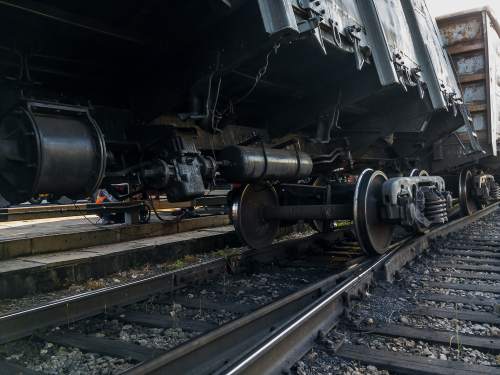
In Illinois, train collisions with cars are an important public safety concern. The state has one of the largest railroad networks in the country, with thousands of miles of track and thousands of public and private railroad crossings. Commuter trains, freight trains, and passenger trains travel through residential neighborhoods, commercial districts, and rural communities throughout the state. Busy railroad corridors in the Chicago metropolitan area create additional opportunities for dangerous interactions between trains and motor vehicles.
Although railroad crossing warning systems are designed to prevent collisions, accidents still happen because of inadequate warning devices, obstructed visibility, malfunctioning gates, driver negligence, and railroad safety failures. When a train collides with a car, determining what happened and who is legally responsible can be complicated.
“When a train collision causes catastrophic injuries, the investigation must go beyond the immediate crash. We work to uncover what happened, identify every responsible party, and pursue the compensation our clients need to move forward with their lives.” – John J. Malm, Naperville train accident attorney
Train Collision Statistics in Illinois and the United States
Railroad crossing accidents remain a serious nationwide safety issue. According to the Federal Railroad Administration (FRA), highway-rail grade crossing accidents are the second leading cause of rail-related deaths in the United States. The agency reports that more than 2,000 incidents and more than 200 fatalities occur at grade crossings annually. National statistics demonstrate the continuing danger:
- In 2024, there were 2,268 highway-rail crossing collisions nationwide.
- These collisions resulted in 259 fatalities and 779 injuries in 2024.
- Preliminary 2025 FRA statistics reported 2,274 crossing collisions, 285 fatalities, and 769 injuries.
- Highway-rail crossing incidents include collisions involving motor vehicles and other highway users at railroad crossings.
These figures demonstrate that railroad crossing accidents continue to cause hundreds of deaths and hundreds of injuries every year.
Illinois has a particularly significant railroad safety challenge because of its extensive rail infrastructure. According to the Illinois Commerce Commission (ICC), Illinois has approximately 7,300 miles of railroad track, 7,482 public highway-rail crossings, and 3,280 private highway-rail crossings. Only Texas has more railroad crossings in the country. Illinois railroad collision statistics are concerning:
- In 2025, Illinois recorded 134 collisions between trains and motor vehicles or pedestrians at highway-rail crossings.
- Those incidents resulted in 34 fatalities and 27 serious injuries.
- The six-county Chicago metropolitan region accounts for approximately 73% of Illinois’ risk of experiencing a train-vehicle collision when measured using train frequency and average daily highway traffic.
Common Causes of Train Collisions With Cars
Train collisions with passenger vehicles can happen for many reasons. Some accidents involve driver decisions, while others result from railroad negligence, inadequate crossing protection, or dangerous roadway conditions. Identifying the cause is essential when determining whether an injured person has a viable personal injury claim. Common causes include:
Driver Negligence at Railroad Crossings
Some collisions occur when motorists fail to recognize or respond to railroad crossing warnings. Drivers may attempt to cross tracks after warning lights begin flashing, drive around lowered gates, or misjudge the time available before a train arrives. Common examples of dangerous driver behavior include:
- Driving around lowered railroad crossing gates.
- Ignoring flashing red warning lights.
- Attempting to beat an approaching train.
- Driving while distracted by a phone or navigation system.
- Failing to stop when traffic is backed up on the other side of the tracks.
- Driving under the influence of alcohol or drugs.
- Misjudging the speed or distance of an approaching train.
A train may be traveling faster than a driver realizes, and its size can make it difficult to judge its actual distance.
Malfunctioning Railroad Crossing Gates and Signals
Railroad crossing gates, flashing lights, bells, and other warning devices are intended to alert motorists when a train is approaching. If these systems malfunction, drivers may receive inadequate warning of an approaching train. Potential problems include:
- Crossing gates that fail to lower.
- Warning lights that do not activate.
- Signals that activate too late.
- Faulty electrical or communication systems.
- Improperly maintained warning equipment.
- Inadequate inspection and repair procedures.
When a warning system fails to operate properly, a driver may enter a crossing believing it is safe. Railroad companies and other responsible entities may face liability when negligent maintenance, inspection, or repair contributes to a collision.
Poor Visibility and Dangerous Crossing Design
Some railroad crossings have limited sightlines that make it difficult for drivers to see an approaching train. Buildings, vegetation, parked vehicles, signage, and roadway features can obstruct a driver’s view. Other dangerous conditions may include:
- Crossings located immediately after sharp roadway curves.
- Inadequate lighting at nighttime crossings.
- Missing or obscured railroad crossing signs.
- Poorly maintained road surfaces.
- Insufficient warning distances.
- Roadway layouts that create traffic backups near tracks.
When a crossing presents a foreseeable safety hazard, the design, maintenance, and warning systems should be examined to determine whether improvements were necessary.
Stalled Vehicles on Railroad Tracks
Another dangerous situation occurs when a vehicle becomes trapped or disabled on railroad tracks. A car may stall, become stuck because of uneven pavement, or become immobilized in heavy traffic. Drivers should never intentionally stop on railroad tracks. If traffic is backed up, motorists should wait until they have enough room to clear the entire crossing before proceeding.
If a vehicle becomes stuck on the tracks, occupants should immediately exit and move away from the tracks. They should call 911 and use the emergency notification information posted at the crossing to alert the railroad.
Railroad Company Negligence
Although many collisions involve driver error, railroad companies also have responsibilities to operate trains safely and maintain railroad infrastructure. Potential railroad-related failures include:
- Negligent inspection and maintenance of crossing warning systems.
- Failure to repair known signal defects.
- Failure to follow applicable operating procedures.
- Inadequate training of railroad employees.
- Failure to address known hazards at crossings.
- Negligent operation of railroad equipment.
A thorough investigation may reveal that a collision could have been prevented if the railroad or another responsible party had taken reasonable safety precautions.
Dangerous Train Crossings and Railroad Corridors in Illinois
Illinois has an extensive network of freight and passenger rail lines. Railroad crossings are located throughout the Chicago metropolitan area and surrounding communities, including DuPage, Kane, Will, Kendall, Cook, and DeKalb counties.
The Chicago region presents particular safety concerns because of its concentration of rail traffic and highway traffic. The Illinois Commerce Commission reports that the six-county Chicago metropolitan area accounts for approximately 73% of the state’s train-vehicle collision risk based on the combination of train activity and highway traffic.
Communities throughout the western suburbs have railroad crossings serving Metra commuter trains and freight rail operations. Motorists in Naperville, Aurora, Lisle, Downers Grove, Wheaton, Geneva, Batavia, St. Charles, and Elgin regularly encounter railroad crossings. Important considerations when evaluating a dangerous crossing include:
- The frequency of train traffic.
- The volume of motor vehicle traffic.
- The presence and condition of crossing gates.
- The visibility of approaching trains.
- The history of previous collisions and near misses.
- The location of nearby intersections and traffic signals.
- Whether vehicles can safely clear the tracks during congested conditions.
A railroad crossing does not have to be located on a major highway to present a significant risk. Even neighborhood streets and lightly traveled rural roads can experience serious collisions when warning systems fail or crossing conditions are unsafe.
Common Injuries in Train Collisions With Cars
The enormous difference in size and weight between a train and a passenger vehicle makes train collisions particularly dangerous. Even when a train strikes a car at a relatively low speed, the impact can cause severe structural damage and expose occupants to violent forces. Some of the most common injuries include:
Traumatic Brain Injuries
The force of a train collision can cause occupants to strike their heads against windows, doors, dashboards, or other interior components. Traumatic brain injuries (TBIs) can range from concussions to severe brain damage involving permanent cognitive impairment.
Victims may experience memory problems, headaches, dizziness, difficulty concentrating, personality changes, and emotional disturbances. Severe TBIs can require lifelong medical care and supervision.
Spinal Cord and Back Injuries
The violent forces involved in train collisions can cause spinal fractures, herniated discs, and spinal cord damage. In particularly serious cases, victims may suffer partial or complete paralysis. Spinal injuries may require surgery, hospitalization, rehabilitation, and long-term pain management.
Broken Bones and Crush Injuries
When a train strikes a vehicle, the passenger compartment may become severely deformed. Occupants can become trapped inside the wreckage and sustain multiple fractures, crush injuries, and internal trauma. Common injuries include:
- Pelvic fractures.
- Femur and leg fractures.
- Rib fractures.
- Arm and shoulder fractures.
- Facial fractures.
- Severe soft tissue injuries.
Internal Organ Damage
Blunt-force trauma can damage the liver, spleen, kidneys, lungs, and other internal organs. Internal bleeding may not be immediately apparent, making emergency medical evaluation essential.
Amputations and Permanent Disability
Severe train collisions can cause traumatic amputations or injuries requiring surgical amputation. These injuries may result from crushing forces, extensive tissue damage, or compromised blood circulation. Victims may require prosthetics, multiple surgeries, rehabilitation, and permanent lifestyle modifications.
Fatal Injuries
Unfortunately, some train collisions result in fatalities. Families who lose loved ones in preventable train accidents may have the right to pursue a wrongful death claim under Illinois law.
Who Can Be Held Liable for a Train Collision With a Car in Illinois?
Determining liability after a train collision can be complicated because multiple parties may have contributed to the accident. An investigation should examine the actions of the driver, railroad operator, crossing maintenance contractors, and any government entities responsible for the roadway or crossing. Potentially responsible parties may include:
- The railroad company: A railroad may be responsible when negligent train operation, inadequate maintenance, defective warning systems, or other safety failures contribute to a collision.
- The train operator: An engineer or other railroad employee may potentially be liable for negligent conduct that causes or contributes to a crash.
- A vehicle driver: A motorist who ignores warning signals, drives around lowered gates, or stops on railroad tracks may bear responsibility for a collision.
- A railroad maintenance contractor: A contractor responsible for inspecting or maintaining crossing equipment may be liable if negligent work contributes to a signal failure or other dangerous condition.
- A government entity: A public entity responsible for roadway design, maintenance, traffic control, or other crossing-related responsibilities may potentially share liability, subject to applicable legal requirements and governmental immunities.
How to Prove Negligence in a Train Collision Case
Train collision cases often require extensive investigation because important evidence may be controlled by railroad companies, government agencies, or other third parties. An experienced personal injury attorney can help preserve and obtain evidence necessary to establish how the collision occurred. Evidence may include:
- Railroad crossing signal maintenance and inspection records.
- Train event recorder data.
- Locomotive video and available surveillance footage.
- Railroad dispatch and communication records.
- Vehicle accident reconstruction evidence.
- Police reports and witness statements.
- Photographs of the crossing and surrounding roadway.
- Prior complaints involving malfunctioning signals.
- Railroad operating procedures and applicable safety regulations.
- Expert opinions regarding crossing design and visibility.
Accident reconstruction specialists may evaluate train speed, vehicle position, braking activity, sightlines, warning system activation, and the timing of the collision. Preserving evidence quickly is critical. Video footage may be overwritten, physical conditions may change, and electronic records may become more difficult to obtain as time passes.
What Compensation Can Victims Recover After a Train Collision?
Individuals who suffer injuries in train collisions may be entitled to pursue compensation from negligent parties. The amount of compensation depends on the severity of the injuries, the available evidence, the victim’s financial losses, and the extent of each party’s responsibility. Potential damages include:
- Emergency medical treatment and hospitalization.
- Surgery and rehabilitation expenses.
- Future medical care and treatment.
- Lost wages and employment benefits.
- Diminished future earning capacity.
- Physical pain and suffering.
- Emotional distress and mental anguish.
- Permanent disability and disfigurement.
- Loss of normal life.
- Other legally recoverable losses.
In catastrophic injury cases, future damages can be particularly significant. A person with a spinal cord injury or traumatic brain injury may require decades of medical treatment, assistive equipment, rehabilitation, and personal care. A life-care planner, medical specialists, vocational experts, and economists may help calculate the financial consequences of these injuries.
What Should You Do After a Train Collision With a Car?
A collision involving a train is an emergency. Anyone involved should prioritize immediate medical attention and personal safety. If you are involved in a train collision or witness one, consider the following steps:
- Call 911. Report the collision and request emergency medical assistance.
- Move away from the tracks if possible. Do not remain near railroad equipment or an active crossing.
- Seek medical attention. Some serious injuries, including internal bleeding and traumatic brain injuries, may not produce immediate symptoms.
- Document the scene. If it is safe, photograph the crossing, warning devices, vehicle damage, and surrounding conditions.
- Identify witnesses. Obtain contact information from individuals who saw the collision.
- Preserve medical documentation. Keep hospital records, diagnostic imaging, treatment records, and medical bills.
- Avoid discussing fault with insurance representatives. Do not speculate about what caused the collision or provide recorded statements without understanding your rights.
- Contact an experienced Illinois train injury attorney. An attorney can investigate the collision, preserve evidence, and evaluate potential claims.
Victims should be particularly careful about accepting early settlement offers. The full extent of injuries and future medical needs may not be known immediately after a serious collision.
Frequently Asked Questions About Train Collisions With Cars
What causes most train collisions with cars?
Train collisions can result from drivers ignoring warning signals, attempting to cross after gates lower, stalled vehicles, inadequate visibility, malfunctioning warning systems, and railroad safety failures. Each accident requires an individual investigation.
Can I sue a railroad company if a train hits my car?
Yes, potentially. If negligent railroad operation, inadequate maintenance, malfunctioning crossing equipment, or another railroad-related safety failure contributed to the collision, an injured person may have grounds for a claim. Liability depends on the evidence and applicable law.
What if the railroad crossing gates did not come down before the train arrived?
A malfunctioning crossing gate may provide important evidence in a negligence claim. Investigators should examine the signal system, maintenance records, inspection history, and timing of the warning signals to determine what happened.
Can I recover compensation if I was partially responsible for the collision?
Possibly. Under Illinois comparative negligence law, an injured person may generally recover damages if their share of fault is not more than 50%. Any award is reduced by their percentage of responsibility.
What if a train collision causes a fatality?
Eligible surviving family members may pursue a wrongful death claim under the Illinois Wrongful Death Act. A separate survival action may also be available to recover certain damages sustained by the deceased person before death.
How long does a train collision lawsuit take?
The timeline depends on the complexity of the investigation, the number of defendants, the severity of the injuries, and whether the case settles or proceeds to trial. Cases involving railroads often require substantial discovery and expert analysis.
How much is a train collision injury claim worth?
There is no standard settlement amount. Compensation depends on medical expenses, lost income, future treatment, permanent disability, pain and suffering, liability evidence, and available insurance or other financial resources.
Should I hire an attorney after a train collision?
If you suffered significant injuries, consulting an experienced personal injury attorney can help you understand your rights. Railroad cases may involve complicated investigations, technical evidence, multiple defendants, and specific legal requirements.
Contact the Experienced Illinois Injury Attorneys at John J. Malm & Associates After a Train Collision With a Car
A collision between a train and a passenger vehicle can change a person’s life in an instant. Victims may face permanent disabilities, extensive medical treatment, lost income, and emotional trauma. Families who lose loved ones may be left struggling with grief and unexpected financial responsibilities. When negligence by a railroad company, train operator, motorist, contractor, or another responsible party contributes to a collision, those responsible should be held accountable.
If you or a loved one has been seriously injured in a train collision with a car, do not assume that the railroad or another responsible party will protect your interests. Contact our firm after an accident to discuss your legal options. John J. Malm & Associates offers free consultations and represents injured individuals and families throughout Naperville, St. Charles, DuPage County, Kane County, Cook County, Will County, Kendall County, and surrounding Illinois communities. Call (630) 527-4177 to speak with our team about your potential train collision injury claim.