

EXPERIENCED PERSONAL INJURY ATTORNEYS













Illinois Train Derailment Accident Lawyers
Top-Rated Train Injury Attorneys
Train derailments can cause catastrophic injuries, fires, hazardous material releases, and long-term environmental consequences. In Illinois, where freight railroads, passenger trains, and extensive rail infrastructure intersect with densely populated communities, the consequences of a derailment can extend far beyond the tracks themselves. A train accident may endanger railroad employees, passengers, nearby residents, motorists, emergency responders, and people exposed to dangerous chemicals.
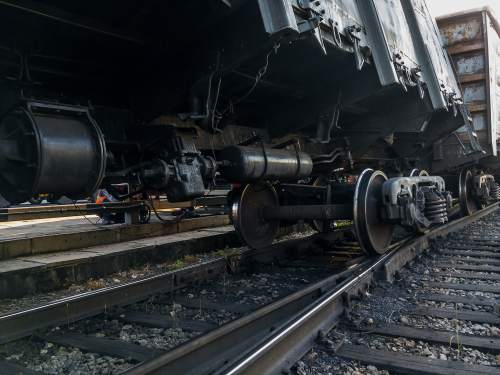
Although rail transportation is an essential part of Illinois commerce, derailments can occur when equipment fails, tracks deteriorate, railroad maintenance falls short, or operational errors create unsafe conditions. When a derailment causes injuries, determining what happened may require an investigation into railroad operations, mechanical systems, track conditions, cargo, and compliance with federal safety requirements.
At John J. Malm & Associates, we understand that serious transportation accidents can leave injured people and their families facing overwhelming medical expenses, lost income, and uncertainty about the future. We help victims of trail derailments get the compensation they deserve for the serious injuries suffered after a crash.
“After a serious train derailment, injured people and their families deserve answers about what went wrong and who was responsible. A thorough investigation can be critical to protecting their rights and pursuing the compensation they need to move forward.” — John J. Malm, Naperville injury attorney
Train Derailment Statistics in Illinois
Illinois is one of the nation’s major railroad transportation hubs. Freight trains carry agricultural products, industrial materials, consumer goods, fuel, and chemicals across the state. Passenger rail systems also serve commuters and travelers throughout the Chicago metropolitan area and beyond.
The Illinois Commerce Commission (ICC) reports that Illinois has approximately 7,300 miles of railroad track, along with 7,482 public highway-rail crossings and 3,280 private highway-rail crossings. These figures illustrate the scale of the state’s rail infrastructure and the number of locations where railroad operations intersect with other transportation activities.
The FRA’s Rail Safety Data Portal provides reports and downloadable datasets that can be filtered by state, year, railroad, county, and other factors. The underlying records are important because national totals alone do not establish how frequently derailments occur in Illinois or how many people are injured in state-specific incidents.
For example, the Illinois General Assembly has published a 2024 report containing FRA data on rail incidents involving hazardous materials in Illinois. That report documents an East St. Louis derailment on January 24, 2024, involving a power-switch failure. Three hazardous-material tank cars were damaged, although the report recorded no hazardous-material release, evacuation, deaths, or injuries in that incident. This example illustrates an important distinction: not every derailment produces a chemical release or physical injury, but equipment failures can create conditions with potentially severe consequences.
What Is a Train Derailment?
A train derailment occurs when one or more rail vehicles leave the rails. The incident may involve a single railcar, several freight cars, passenger cars, or an entire train. Some derailments occur at low speeds in rail yards, while others happen during mainline operations involving heavy freight trains traveling at higher speeds.
The consequences depend on several factors, including the train’s speed, weight, cargo, location, and the number of cars that leave the tracks. A derailment involving hazardous materials may present additional dangers if tank cars rupture or their contents ignite. Common consequences include:
- Passenger and railroad worker injuries.
- Crushing injuries caused by overturned or displaced railcars.
- Fires, explosions, and smoke exposure.
- Chemical spills and toxic vapor releases.
- Damage to railroad infrastructure and nearby property.
- Disruptions to passenger service and freight transportation.
- Soil, water, and environmental contamination.
- Evacuations and temporary community displacement.
Even when a person is not struck by a train or directly involved in the derailment, exposure to smoke, chemicals, debris, or other dangerous conditions may result in injury.
Common Causes of Train Derailments in Illinois
Train derailments often result from a mechanical defect, a track problem, an operational mistake, or a combination of failures. The FRA groups reportable train accident causes into categories that include track and structures, signal and communication systems, human factors, mechanical and electrical failures, and miscellaneous causes. Some of the most common causes include:
1. Broken Rails and Track Defects
Railroad tracks must support enormous loads while withstanding repeated stress, temperature changes, weather exposure, and ground movement. Cracked rails, broken welds, deteriorated ties, unstable roadbeds, and misaligned track can interfere with the safe movement of a train.
The FRA identifies track and infrastructure failure as the second leading cause of train derailments in the United States. Its track research program emphasizes the importance of identifying defects before they become failures. Potential track-related causes include:
- Broken or cracked rails and defective rail welds.
- Improper track alignment or gauge.
- Deteriorated railroad ties or inadequate ballast.
- Unstable embankments or roadbeds.
- Defective switches, frogs, and other track components.
- Inadequate inspections or delayed repairs.
A derailment caused by defective track may require investigators to examine inspection records, maintenance schedules, track geometry measurements, repair histories, and the railroad’s compliance with applicable safety standards.
2. Wheel, Axle, and Bearing Failures
A train depends on properly functioning wheels, axles, bearings, and other components to remain safely on the rails. A broken wheel, failed axle, or overheated bearing can cause a railcar to derail, potentially bringing other cars off the track.
The National Transportation Safety Board (NTSB) has identified overheated wheel bearings as a major mechanical safety concern. In its investigation of the February 2023 East Palestine, Ohio, derailment, the NTSB determined that a failed bearing on a freight car caused an axle to separate, initiating the derailment. The train had departed a rail yard in Madison, Illinois, two days earlier. Mechanical failures that may contribute to derailments include:
- Cracked or broken wheels.
- Overheated or defective wheel bearings.
- Broken axles.
- Defective couplers and connecting components.
- Malfunctioning braking systems.
- Inadequate inspection or maintenance of railcars.
Investigators may need to examine the failed component, maintenance records, inspection results, wayside detector data, and communications concerning mechanical warnings.
3. Improper Switches and Human Error
Railroad switches direct trains from one track to another. If a switch is incorrectly positioned, fails mechanically, or is operated contrary to applicable procedures, a train may enter an unintended route or encounter a dangerous track configuration. Human-factor errors can also involve failure to follow signals, violations of speed restrictions, inadequate communication, improper braking, or mistakes during switching operations.
An NTSB investigation of a 2005 Metra derailment in Chicago illustrates the potential consequences. The agency determined that the engineer’s failure to follow signal indications and a speed restriction contributed to a derailment at a crossover. Two passengers died, and numerous passengers and crew members were injured.
Railroad operating failures may include:
- Failure to obey a signal or speed restriction.
- Improperly lined track switches.
- Inadequate communication between crew members.
- Improper train handling or braking.
- Inadequate training or supervision.
- Fatigue-related performance problems.
Determining whether human error caused an accident requires more than assuming an employee made a mistake. Investigators must evaluate the operating rules, available warnings, training, working conditions, equipment, and decisions made before the derailment.
4. Excessive Speed and Train Handling Errors
Speed must be appropriate for the track, train configuration, operating conditions, and applicable restrictions. A train traveling too quickly through a curve or crossover may experience forces that increase derailment risk. Improper braking or train handling can also affect the forces acting on connected railcars. A particularly important distinction is that a train may be traveling below the general speed limit yet still exceed a lower restriction applicable to a specific section of track.
Railroads must establish and enforce appropriate operating procedures, and train crews must follow the restrictions that apply to their movements. Accident investigations may review event recorder data, signal records, dispatch communications, braking information, and the train’s speed before the incident.
5. Weather, Flooding, and Environmental Conditions
Illinois experiences severe thunderstorms, heavy rain, snow, ice, freezing temperatures, and significant seasonal temperature fluctuations. These conditions can affect railroad infrastructure and operating safety. Heavy rain may undermine a railbed, flooding can wash away supporting material, and extreme temperatures can contribute to track stress. Ice and debris may also affect switches and other equipment. Environmental factors that investigators may examine include:
- Flooding and washouts.
- Soil erosion and unstable embankments.
- Heat-related track deformation.
- Storm damage to rail infrastructure.
- Debris obstructing switches or tracks.
- Reduced visibility or other adverse operating conditions.
Weather alone does not necessarily establish liability. The investigation must determine whether the accident was reasonably preventable and whether the responsible parties took appropriate precautions in light of known or foreseeable conditions.
Hazardous Materials and Train Derailments
Illinois is a major freight transportation corridor, and some trains carry flammable liquids, industrial chemicals, compressed gases, and other hazardous substances. A derailment involving these materials can create dangers that extend beyond the immediate crash site.
A damaged tank car may release chemicals into the air, soil, waterways, or surrounding property. Depending on the substance, exposure may cause respiratory irritation, chemical burns, poisoning, or other serious health consequences. Certain releases may also cause fires or explosions. Potential consequences of hazardous-material derailments include:
- Evacuations of nearby homes and businesses.
- Smoke inhalation and chemical exposure.
- Fires and thermal injuries.
- Contamination of drinking water or other water resources.
- Soil contamination and property damage.
- Medical monitoring and treatment expenses.
- Temporary or prolonged displacement from affected properties.
The presence of a hazardous substance does not automatically prove that a railroad or another company was negligent. Liability depends on the facts, applicable safety requirements, the conduct of the parties, and the causal connection between the accident and the injuries.
What Injuries Can a Train Derailment Cause?
The forces involved in a derailment can cause severe trauma. Passengers may be thrown against seats, windows, or other objects, while railroad workers may face crushing hazards, fires, or hazardous-material exposure. People near the tracks may be injured by debris, explosions, or chemical releases. Potential injuries include:
- Traumatic brain injuries: Concussions and more severe brain injuries can result from sudden impacts or being thrown inside a railcar.
- Spinal cord and back injuries: Fractures, herniated discs, and spinal cord damage can cause chronic pain, mobility limitations, or paralysis.
- Broken bones and crush injuries: Overturned railcars and heavy debris can cause fractures and extensive tissue damage.
- Burns and respiratory injuries: Fires, hot materials, smoke, and chemical releases can cause serious injuries.
- Chemical exposure: Depending on the substance and dose, exposure may result in acute illness or other health effects.
- Psychological trauma: Survivors may experience anxiety, post-traumatic stress symptoms, sleep disturbances, or fear of traveling by rail.
Some injuries require years of treatment, rehabilitation, and assistance with daily activities. A comprehensive injury claim should account for the full impact of the accident, not simply the initial emergency room bill.
Who May Be Liable for an Illinois Train Derailment?
Determining liability after a derailment can be complex because multiple companies and individuals may have responsibility for different aspects of railroad operations. Potentially responsible parties depend on the facts of the accident and may include:
- Railroad operators: A railroad may be liable if negligent operations, inadequate inspections, or failures to address known hazards contributed to the derailment.
- Track owners and maintenance contractors: A company responsible for maintaining the tracks may face liability if defective maintenance or repairs caused the accident.
- Railcar owners and equipment companies: A defective wheel, axle, bearing, brake, or other component may point to negligent maintenance or a product defect.
- Manufacturers and suppliers: A defective component may support a product liability claim, depending on the evidence and applicable law.
- Shipping and loading companies: Improperly secured cargo, incorrect loading, or certain failures involving hazardous materials may contribute to an accident.
- Other contractors or service providers: Companies responsible for inspections, repairs, signaling, or related safety functions may need to be investigated.
A railroad’s responsibility is not established merely because a derailment occurred. An injured person must prove the legal elements of the applicable claim. Investigators may need to reconstruct the accident, identify the failed component or operational error, and determine how each party’s conduct contributed to the injuries.
What Compensation May Be Available After a Train Derailment?
People injured in a derailment may be entitled to pursue compensation when another party’s negligence or other legally actionable conduct caused their injuries. Available damages depend on the facts, the claimant’s relationship to the railroad, and the applicable law. Potential damages may include:
- Past and future medical expenses.
- Lost wages and reduced future earning capacity.
- Physical pain and suffering.
- Disability and loss of normal life.
- Rehabilitation and long-term care expenses.
- Certain out-of-pocket costs associated with the injury.
- Wrongful death damages for eligible surviving family members.
In cases involving chemical releases, additional claims may arise from exposure-related injuries or property damage. These claims can require specialized evidence concerning the substance involved, the extent of exposure, medical causation, and the resulting losses. Calculating compensation in a catastrophic injury case requires consideration of both current expenses and the long-term consequences of the accident.
What to Do After a Train Derailment Injury
Safety should come first after a derailment. Follow emergency responders’ instructions and do not enter a derailment site or approach damaged railcars. Hazardous materials may not be visible, and some chemicals can present risks even when there is no obvious fire or smoke. If you are injured or believe you may have been exposed to a hazardous substance:
- Seek medical attention. Tell medical personnel about the circumstances of the derailment and any possible chemical exposure.
- Follow evacuation and safety instructions. Do not return to an affected area until authorities determine it is safe.
- Preserve available evidence. Keep photographs, medical records, evacuation notices, receipts, and other relevant documentation when it is safe to do so.
- Record what you remember. Write down the time, location, sequence of events, visible conditions, and names of potential witnesses.
- Keep records of your losses. Document treatment costs, missed work, property damage, and other expenses.
- Consult an experienced Illinois train injury attorney. Legal counsel can help determine which parties may be responsible and what evidence is needed to support a claim.
Do not attempt to collect physical evidence from damaged railcars or contaminated areas. Accident scenes may remain dangerous long after the initial emergency.
Frequently Asked Questions About Train Derailment Accidents in Illinois
What is the leading cause of train derailments?
There is no single cause for every derailment. Common causes include broken rails, track defects, mechanical failures, defective wheels and bearings, improperly positioned switches, and operating errors. The cause of a particular incident must be established through a fact-specific investigation.
Can I sue a railroad if I was injured in a train derailment?
Potentially. A passenger, nearby resident, railroad worker, or other injured person may have a claim if the applicable legal requirements are satisfied. The relevant law depends on the person’s circumstances, the responsible parties, and the cause of the accident. Railroad employees may have claims under the Federal Employers’ Liability Act (FELA), while other injured people may pursue negligence or product liability claims where supported by the evidence.
What if a train derailment exposed me to chemicals?
Seek medical advice and follow public health instructions. Keep any available records concerning the chemical involved, the location and duration of exposure, symptoms, treatment, and any testing performed. Whether exposure supports a legal claim depends on the evidence establishing exposure, causation, injury, and liability.
Can family members file a claim after a fatal train derailment?
Potentially. When a derailment causes a death, eligible family members or a personal representative may be able to pursue a wrongful death or survival action under the applicable law. The available claims, damages, and filing deadlines depend on the circumstances.
Contact the Top Illinois Serious Injury Attorneys at John J. Malm & Associates After a Train Derailment Accident
A train derailment can change a person’s life in seconds. Severe injuries, chemical exposure, lost income, and the death of a loved one can leave families facing difficult financial and personal challenges. When a derailment in Illinois results from negligent railroad operations, inadequate maintenance, defective equipment, or another legally actionable failure, identifying the responsible parties is an important step toward accountability.
John J. Malm & Associates helps injured people evaluate personal injury claims and pursue compensation when the evidence supports recovery. If you or a loved one has been injured in a train derailment, contact our firm for a free consultation. Call (630) 527-4177 to discuss what happened, learn about your legal options, and determine what steps may help protect your rights.