

EXPERIENCED PERSONAL INJURY ATTORNEYS














Illinois Nursing Home Transfer Accident Lawyers
Top Injury Attorneys for Nursing Home Residents Dropped During Transfers
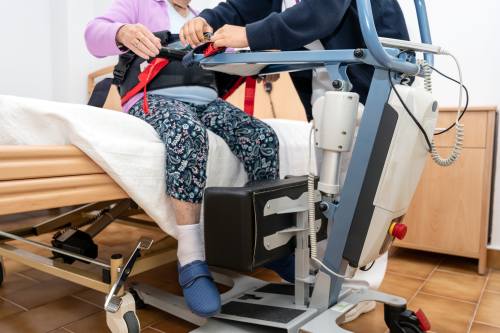
Every day, thousands of nursing home residents require assistance moving from one location to another. Whether transferring from a bed to a wheelchair, a wheelchair to a toilet, or using a mechanical lift to reposition a resident, these transfers are among the most routine and most dangerous tasks performed in long-term care facilities. When nursing home staff fail to follow proper safety procedures, residents can suffer devastating falls, fractures, head injuries, and other life-changing complications.
At John J. Malm & Associates, we have seen firsthand how preventable transfer accidents can leave elderly residents with permanent injuries and families searching for answers. Most transfer-related injuries are not unavoidable accidents. Instead, they result from inadequate staffing, poor training, rushing through transfers, failing to use assistive devices, or ignoring a resident’s individualized care plan. When negligence causes a nursing home resident to be injured, Illinois law allows victims and their families to pursue compensation against the responsible facility.
“When a resident is seriously injured because caregivers ignored safety procedures during a routine transfer, that trust has been broken. Nursing homes must be held accountable when preventable negligence causes unnecessary pain, disability, or loss of life.” — John J. Malm, Naperville Nursing Home Negligence Attorney
What Is a Nursing Home Transfer Accident?
A transfer accident occurs when a nursing home resident is injured while being moved from one position or location to another. Many residents cannot safely transfer on their own because of age, dementia, paralysis, weakness, recent surgery, stroke, Parkinson’s disease, or other physical limitations. Nursing home staff are responsible for ensuring these transfers are performed safely and according to each resident’s care plan.
Common transfers include:
- Bed to wheelchair
- Wheelchair to bed
- Bed to toilet
- Toilet to wheelchair
- Wheelchair to shower chair
- Wheelchair to recliner
- Bed to stretcher
- Repositioning residents in bed
- Using mechanical lifts such as Hoyer lifts
- Assisting residents during rehabilitation or therapy
Although transfers occur countless times every day, they should never be performed carelessly. Even a momentary lapse in attention can cause a resident to fall, strike their head, or suffer a serious orthopedic injury.
How Common Are Transfer-Related Injuries in Nursing Homes?
Transfer accidents are one of the leading causes of injuries among nursing home residents. According to the Agency for Healthcare Research and Quality (AHRQ), patient handling and transfers represent one of the highest-risk activities performed by healthcare workers and long-term care staff because residents often require substantial physical assistance. Poor transfer techniques increase the likelihood of resident falls and serious injuries while also contributing to caregiver injuries.¹
The Centers for Disease Control and Prevention (CDC) estimates that approximately 3 million older adults are treated in emergency departments every year because of falls, resulting in more than 1 million hospitalizations annually. Falls remain the leading cause of injury-related death among adults age 65 and older. Many of these falls occur in healthcare facilities, including nursing homes, where residents depend on caregivers for safe mobility.
The Centers for Medicare & Medicaid Services (CMS) requires nursing homes participating in Medicare and Medicaid to assess each resident’s mobility needs and provide sufficient assistance during transfers. Facilities that fail to follow individualized care plans may violate federal regulations designed to protect residents from avoidable accidents.
Why Nursing Home Residents Are Especially Vulnerable During Transfers
Unlike younger individuals, nursing home residents often have multiple medical conditions that significantly increase their risk of injury during transfers.
Residents may experience:
- Poor balance
- Muscle weakness
- Osteoporosis
- Arthritis
- Parkinson’s disease
- Dementia
- Stroke-related paralysis
- Limited mobility
- Visual impairments
- Cognitive decline
- Medication side effects that affect balance
Even a relatively minor fall during a transfer can result in catastrophic injuries because elderly bones are significantly more fragile than those of younger adults. Many residents also cannot recognize dangerous situations or communicate effectively if staff members are transferring them improperly.
Common Causes of Nursing Home Transfer Accidents
Most transfer accidents are entirely preventable. They occur because staff members fail to follow basic safety procedures or because nursing homes prioritize speed over resident safety.
Understaffing
One of the leading causes of transfer accidents is chronic understaffing. Many residents require assistance from two caregivers to complete a safe transfer. However, understaffed facilities may assign only one certified nursing assistant (CNA) to perform a transfer that requires multiple caregivers. When a single employee attempts to lift or reposition a resident alone, the risk of dropping the resident increases dramatically.
Understaffing can also lead to:
- Rushed transfers
- Missed safety checks
- Employee fatigue
- Poor communication
- Increased likelihood of resident falls
Numerous studies have found that facilities with lower staffing levels experience higher rates of resident injuries, falls, and deficiencies cited during government inspections.
Failure to Use Mechanical Lifts
Many residents cannot safely bear their own weight and require mechanical lifting equipment. Common devices include:
- Hoyer lifts
- Sit-to-stand lifts
- Ceiling lifts
- Powered transfer systems
These devices are designed to reduce injuries for both residents and caregivers. Unfortunately, nursing home staff sometimes avoid using lifts because they require additional time or assistance from another employee. Instead, workers may attempt to manually lift residents who are unable to stand safely, greatly increasing the likelihood of serious injury.
Improper Use of Hoyer Lifts
Even when facilities use mechanical lifts, accidents can occur if staff members are not properly trained. Common Hoyer lift mistakes include:
- Incorrect sling placement
- Using the wrong sling size
- Failure to lock wheelchair brakes
- Improper positioning
- Equipment malfunction
- Failure to inspect straps
- Inadequate supervision during the lift
Residents can fall directly from the lift or become trapped between equipment and surrounding furniture.
Ignoring the Resident’s Care Plan
Federal regulations require every nursing home resident to receive an individualized care plan addressing mobility, transfer assistance, fall prevention, and staffing needs. Some residents require:
- One-person assistance
- Two-person assistance
- Mechanical lifts only
- Gait belts
- Specialized wheelchairs
- Transfer boards
When caregivers ignore these documented instructions, preventable injuries frequently occur. For example, if a resident’s care plan specifies a two-person transfer but only one employee attempts the transfer, the nursing home may be liable for resulting injuries.
Inadequate Staff Training
Safe transfers require specialized education and ongoing competency training. Employees should understand:
- Proper body mechanics
- Resident assessment
- Equipment operation
- Fall prevention techniques
- Communication during transfers
- Emergency procedures
Poorly trained employees may not recognize when a resident begins to lose balance or may fail to respond appropriately when complications arise. Facilities that neglect training expose residents to unnecessary risks.
Failure to Use Gait Belts
Many partially mobile residents should be transferred using gait belts. These supportive belts allow caregivers to maintain control while assisting residents from sitting to standing positions.
Transfer accidents often occur when staff members:
- Forget to use gait belts
- Apply belts incorrectly
- Use damaged equipment
- Release the resident too soon
A simple failure to use a gait belt can result in a devastating fall that otherwise would have been prevented.
Rushing Through Transfers
Nursing home employees often work under significant time pressure. Rather than carefully completing each transfer, staff members may rush residents to meet schedules for meals, medications, therapy sessions, or shift changes.
Rushing increases the likelihood of:
- Losing grip on the resident
- Forgetting safety equipment
- Poor communication
- Improper positioning
- Trips and falls
Residents deserve individualized attention, not hurried care driven by staffing shortages or productivity demands.
Equipment Failures
Transfer equipment must be regularly inspected and maintained. Equipment failures may involve:
- Broken lift motors
- Worn straps
- Torn slings
- Faulty brakes
- Loose wheelchair footrests
- Malfunctioning transfer boards
Facilities that continue using defective equipment may be held responsible for resulting injuries. In some cases, the equipment manufacturer may also share liability if a design or manufacturing defect contributed to the accident.
Common Injuries Caused by Nursing Home Transfer Accidents
Transfer accidents often result in severe injuries because nursing home residents are generally frail and have underlying medical conditions that make even a low-impact fall dangerous. While younger adults may recover quickly from a similar incident, an elderly resident may suffer permanent disability, loss of independence, or fatal complications.
Some of the most common injuries seen after nursing home transfer accidents include:
- Hip fractures
- Pelvic fractures
- Broken wrists and arms
- Shoulder dislocations
- Spinal cord injuries
- Traumatic brain injuries (TBIs)
- Facial fractures
- Internal bleeding
- Soft tissue injuries
- Pressure ulcers that worsen after prolonged immobility
- Lacerations and bruising
Hip fractures are particularly devastating. Elderly patients who sustain hip fractures frequently require surgery, lengthy rehabilitation, or permanent nursing home placement, and they face an increased risk of serious complications, including pneumonia, blood clots, and infections.
Emotional and Psychological Harm
Not every injury from a transfer accident is physical. Many residents experience emotional trauma after being dropped or falling during a transfer. Elderly individuals who once trusted their caregivers may become fearful of being moved, refuse therapy, or develop anxiety whenever staff attempt to assist them.
Residents suffering from dementia may become even more confused or agitated after a traumatic incident. Others experience depression after losing additional independence because of injuries that should never have occurred. These emotional damages are an important part of a nursing home negligence claim and should not be overlooked.
Who May Be Liable for a Nursing Home Transfer Accident?
Determining liability requires a thorough investigation of the circumstances surrounding the accident. In many cases, more than one party may share responsibility. Potentially liable parties include:
- The nursing home or long-term care facility
- Certified nursing assistants (CNAs)
- Nurses or supervising staff
- Third-party management companies
- Staffing agencies
- Maintenance contractors responsible for equipment
- Manufacturers of defective lifts or transfer devices
A nursing home may be liable if it fails to:
- Hire qualified employees
- Properly train staff
- Follow resident care plans
- Provide sufficient staffing
- Maintain transfer equipment
- Supervise employees
- Protect residents from foreseeable harm
If defective equipment contributed to the accident, the manufacturer or distributor of the lift, sling, wheelchair, or other medical device may also be liable under Illinois product liability law.
Illinois Law Protects Nursing Home Residents
Illinois provides strong legal protections for nursing home residents through both state and federal law. The Illinois Nursing Home Care Act (210 ILCS 45) establishes a comprehensive set of rights for residents and allows injured residents to pursue civil damages when facilities violate those rights. Among other duties, nursing homes must provide adequate care, maintain sufficient staffing, and protect residents from avoidable injuries.
Federal regulations governing Medicare- and Medicaid-certified nursing homes also require facilities to ensure that residents receive adequate supervision and assistance devices to prevent accidents whenever possible. See 42 C.F.R. § 483.25(d). When a facility ignores these obligations, it may be held financially responsible for the injuries that result.
Frequently Asked Questions About Nursing Home Transfer Accidents
What is considered a transfer accident in a nursing home?
A transfer accident occurs when a resident is injured while being moved from one location or position to another, such as from a bed to a wheelchair, from a wheelchair to a toilet, or during the use of a mechanical lift.
Are transfer accidents always considered negligence?
No. Some accidents occur despite appropriate care. However, many transfer injuries result from understaffing, inadequate training, failure to follow a care plan, improper use of lifting equipment, or other preventable mistakes.
Can a nursing home be liable if my loved one was dropped by an employee?
Yes. If an employee failed to follow proper transfer procedures or the nursing home failed to provide adequate staffing, training, or equipment, the facility may be liable for the resident’s injuries.
What if my loved one already had mobility problems?
Residents with mobility limitations often require even greater protection. A nursing home’s duty of care includes recognizing these limitations and providing the level of assistance required by the resident’s care plan.
Are Hoyer lift accidents preventable?
Many are. Proper staff training, routine equipment inspections, use of the correct sling, and following manufacturer instructions significantly reduce the risk of Hoyer lift accidents.
Can staffing shortages contribute to transfer accidents?
Absolutely. Residents who require two-person assistance are at a much greater risk of injury when facilities assign only one caregiver. Chronic understaffing is a common factor in nursing home negligence cases.
How long do I have to file a nursing home negligence lawsuit in Illinois?
The applicable deadline depends on the specific facts of the case, but Illinois law imposes strict statutes of limitation on nursing home negligence and wrongful death claims. It is important to speak with an attorney as soon as possible to avoid losing your right to pursue compensation.
Contact John J. Malm & Associates After a Nursing Home Transfer Accident
A transfer accident should never be dismissed as “just an accident.” Nursing homes have a legal duty to protect vulnerable residents by providing adequate staffing, proper training, safe equipment, and individualized care. When they fail to meet those obligations, the consequences can be devastating for residents and their families.
At John J. Malm & Associates, we have decades of experience representing victims of nursing home negligence throughout Illinois. Our attorneys thoroughly investigate transfer accidents, preserve critical evidence, consult with medical experts, and aggressively pursue compensation for injured residents and their families. If your loved one suffered serious injuries after being dropped during a transfer, was injured while using a Hoyer lift, or was harmed because nursing home staff failed to follow proper safety procedures, we are here to help.
Contact John J. Malm & Associates today for a free consultation. We can explain your legal rights, answer your questions, and help your family pursue the justice and financial recovery your loved one deserves.