

EXPERIENCED PERSONAL INJURY ATTORNEYS










Illinois Nursing Home Failure to Respond to Medical Emergencies Lawyers
Top-Rated Attorneys for Complex Nursing Home Neglect in Illinois
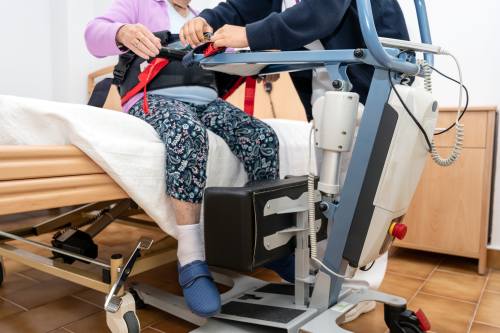
When families place a loved one in a nursing home, they trust that trained professionals will provide prompt and appropriate care, especially during a medical emergency. Unfortunately, that trust is sometimes broken. A nursing home’s failure to respond to a medical emergency is one of the most dangerous forms of neglect, often leading to preventable injuries, rapid health decline, or even wrongful death. Across the United States, systemic issues such as understaffing, poor training, and lack of oversight contribute to delayed or inadequate emergency responses.
“When a nursing home ignores a medical emergency, the consequences can be catastrophic. These cases are not just about negligence, they are about protecting vulnerable residents from preventable harm and holding facilities accountable for life-altering failures.” — John J. Malm, Naperville nursing home negligence lawyer
Statistics on Nursing Home Neglect and Emergency Failures
The failure to respond to medical emergencies is part of a broader pattern of neglect in nursing homes. The data highlights how widespread the problem is:
- In 2023, U.S. nursing homes received 94,499 health citations, with 8.1% involving abuse, neglect, or exploitation.
- Approximately 10% of nursing home residents report experiencing abuse or neglect, much of it related to inadequate care.
- Studies suggest only 1 in 14 to 1 in 24 cases of abuse or neglect are ever reported.
- Globally, about 1 in 6 older adults experience abuse, with institutional settings like nursing homes posing heightened risks.
- Federal oversight agencies have repeatedly identified systemic deficiencies in staffing, monitoring, and emergency preparedness in nursing homes.
These statistics likely understate the true scope of the issue, as many incidents go undocumented or unreported.
What Is a Failure to Respond to a Medical Emergency?
A failure to respond to a medical emergency occurs when nursing home staff ignore, delay, or inadequately address a resident’s urgent medical condition. These emergencies can include:
- Heart attacks
- Strokes
- Falls with injuries
- Severe infections or sepsis
- Breathing difficulties
- Diabetic crises
Nursing homes have a legal duty to act quickly and appropriately. When they fail to do so, it is often considered medical neglect, a violation of the standard of care required under federal law, including the Nursing Home Reform Act.
Why Timely Emergency Response Matters for Nursing Home Residents
In medical emergencies, minutes, and sometimes seconds, can determine survival and recovery outcomes. Delays in treatment can result in:
- Permanent brain damage after a stroke
- Increased mortality from heart attacks
- Severe complications from untreated infections
- Worsening injuries after falls
For example, failing to call 911 promptly during a stroke can eliminate the window for life-saving treatments like clot-busting drugs.
Common Examples of Emergency Response Failures
Failure to respond in a nursing home setting can take many forms, including:
Ignoring Warning Signs
- Dismissing complaints of chest pain or shortness of breath
- Overlooking confusion or sudden behavioral changes
- Failing to recognize signs of infection
Delayed Action
- Waiting too long to call emergency services
- Failing to notify a physician
- Delaying necessary treatment or medication
Lack of Monitoring
- Not checking vital signs
- Ignoring call lights or distress signals
- Failing to supervise high-risk residents
Poor Communication
- Staff failing to communicate changes in condition
- Incomplete or inaccurate documentation
These failures often stem from systemic problems rather than isolated mistakes.
Root Causes of Emergency Response Failures
Understaffing
Many nursing homes operate with insufficient staff, leading to delayed responses and missed warning signs. Caregivers may be responsible for too many residents at once.
Inadequate Training
Staff may lack proper training to recognize or respond to medical emergencies such as strokes or cardiac events.
Poor Supervision
Facilities may fail to monitor high-risk residents, increasing the likelihood that emergencies go unnoticed.
Communication Breakdowns
Lack of coordination between nurses, aides, and physicians can delay critical decisions.
Cost-Cutting Measures
Some facilities prioritize profitability over patient care, reducing staffing levels or delaying outside medical intervention.
Consequences of Failing to Respond to Medical Emergencies
The consequences of delayed or inadequate emergency care can be devastating:
- Permanent disability (e.g., paralysis after stroke)
- Chronic health deterioration
- Infections progressing to sepsis
- Increased hospitalization rates
- Wrongful death
In many cases, these outcomes are preventable with timely and appropriate care.
Warning Signs of Medical Emergency Neglect
Families should be vigilant for signs that a nursing home is failing to respond appropriately to medical emergencies.
Red flags include:
- Unexplained injuries or hospitalizations
- Sudden decline in health or mobility
- Delayed notification of medical events
- Complaints of being ignored or left unattended
- Poor documentation or inconsistent explanations
If something feels wrong, it often is, and early intervention can prevent further harm.
Legal Responsibilities of Nursing Homes
Under both federal law and Illinois law, nursing homes are legally required to:
- Provide adequate medical care
- Monitor residents’ conditions
- Respond promptly to emergencies
- Maintain proper staffing levels
- Follow physician orders and care plans
Failure to meet these obligations may constitute negligence or abuse, exposing the facility to liability in a personal injury or wrongful death claim.
Proving a Failure to Respond Case
Establishing liability in these cases typically requires:
- Medical records showing delays or inaction
- Expert testimony on the standard of care
- Documentation of staffing levels
- Witness statements from staff or residents
- Evidence of policy violations
These cases often hinge on demonstrating that earlier intervention would have prevented or reduced harm.
How an Illinois Nursing Home Neglect Attorney Can Help
An experienced nursing home abuse attorney can:
- Investigate the timeline of events
- Obtain and analyze medical records
- Work with medical experts
- Identify violations of federal and state laws
- Pursue compensation for damages
Legal action not only helps families recover financially but also promotes accountability and improved standards of care.
Frequently Asked Questions about Nursing Home Failure to Respond to Medical Emergencies
Q: What qualifies as a medical emergency in a nursing home?
A: A medical emergency includes any condition requiring immediate attention, such as chest pain, stroke symptoms, severe bleeding, or breathing difficulties.
Q: Is failure to respond to an emergency considered abuse?
A: Yes. Failing to respond appropriately can constitute medical neglect, a recognized form of nursing home abuse under the law.
Q: What should I do if I suspect neglect?
A: Document your concerns, speak with facility management, and contact an experienced nursing home abuse attorney as soon as possible.
Q: Can a nursing home be sued for delayed emergency response?
A: Yes. If the delay caused harm, the facility may be liable for negligence or wrongful death.
Contact the Seasoned Illinois Nursing Home Neglect Lawyers at John J. Malm & Associates
A nursing home’s failure to respond to a medical emergency is not a minor oversight; it is a breakdown in the most fundamental duty of care. When staff ignore warning signs or delay life-saving treatment, the consequences can be irreversible. Families are often left searching for answers, wondering how something so preventable could happen.
At John J. Malm & Associates, we understand the complexity and urgency of these cases. We conduct thorough investigations, work with trusted medical experts, and aggressively pursue justice for victims and their families. Our goal is not only to recover compensation but to hold negligent facilities accountable and prevent similar tragedies from happening to others.
If your loved one has suffered harm due to a nursing home’s failure to respond to a medical emergency, do not wait. Contact our experienced nursing home abuse attorneys today for a free consultation and let us help you take the next step toward accountability, answers, and justice.