

EXPERIENCED PERSONAL INJURY ATTORNEYS














Illinois Defective Motorcycle Part Lawyers
5-Star Rated Attorneys for Riders Injured by Defective Brakes, Tires, and Handlebars
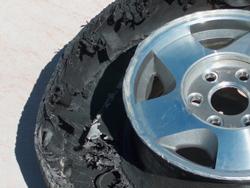
Motorcycles provide riders with freedom, mobility, and an exhilarating way to travel. But motorcycles also leave riders with considerably less protection than occupants of passenger vehicles. When a motorcycle crashes because another driver was negligent, the consequences can be devastating. When the crash is caused or contributed to by a defective motorcycle part, the legal issues can become even more complicated.
A motorcycle defect involving the brakes, tires, steering system, throttle, suspension, wheels, frame, fuel system, or another critical component can cause a rider to lose control without warning. In these cases, the manufacturer, distributor, retailer, repair shop, or another party may potentially be held responsible for injuries caused by the defective product.
According to the National Highway Traffic Safety Administration (NHTSA), 6,228 motorcyclists were killed in traffic crashes in 2024, accounting for 16% of all traffic fatalities. NHTSA also reports that motorcyclists remain dramatically overrepresented in fatal crashes compared with occupants of passenger vehicles.
In 2023, an estimated 82,564 motorcyclists were injured in traffic crashes nationwide. The motorcycle fatality rate was 31.39 deaths per 100 million vehicle miles traveled, nearly 28 times the passenger-car occupant fatality rate of 1.13.
When a motorcycle component fails, the rider may have little or no opportunity to avoid a crash. An experienced Illinois defective motorcycle parts lawyer can investigate whether a dangerous product contributed to the accident and determine whether the injured rider may have a product liability claim.
What Is a Defective Motorcycle Part?
A defective motorcycle part is a component that is dangerously defective in its design, manufacturing, or warnings or instructions. A motorcycle or motorcycle component does not necessarily have to fail completely to be defective. A defect may exist when a component performs differently from what a reasonably expected user would anticipate or creates an unreasonable risk of injury.
Motorcycle components can be defective for many reasons. A manufacturer may have used an inappropriate material, failed to properly assemble a component, designed a system with an unsafe characteristic, or failed to provide adequate warnings. Examples of potentially defective motorcycle components include:
- Brake systems and brake components
- Tires and tire assemblies
- Wheels and rims
- Steering components
- Handlebars
- Forks and suspension components
- Throttle assemblies
- Clutches
- Chains and sprockets
- Drive belts
- Frames
- Fuel systems
- Electrical components
- Batteries
- Lighting systems
- Foot controls
- Mirrors
- Safety equipment
- Motorcycle helmets and protective equipment
Determining whether a component was actually defective requires a careful investigation. A motorcycle part that failed does not automatically establish that a manufacturer is legally responsible. The cause of the failure must be established through evidence.
Types of Motorcycle Product Defects
Product liability cases involving motorcycles generally involve one of several types of defects.
Manufacturing Defects
A manufacturing defect occurs when an individual component differs from the manufacturer’s intended design. The overall design may be safe, but something went wrong during manufacturing, assembly, or quality control.
For example, a batch of brake components could be manufactured using an incorrect material or assembled improperly. A defective component might then fail during normal motorcycle operation. Evidence in these cases can include manufacturing records, quality-control documentation, inspection records, testing results, and examination of the failed component.
Design Defects
A design defect is different because the problem exists in the product’s design itself. If a motorcycle component was designed in a way that creates an unreasonable safety risk, every properly manufactured component incorporating that design may potentially present the same danger.
Design-defect cases can be technically complicated because an attorney may need to demonstrate not only that the product was dangerous but also that a safer alternative design was reasonably available under the applicable law.
Failure to Warn or Instruct
A motorcycle component may also be defective because the manufacturer failed to provide adequate warnings or instructions concerning a foreseeable risk. For example, a manufacturer may know that a component can fail under certain conditions but fail to adequately warn riders about those circumstances.
Illinois law specifically recognizes product liability claims involving issues such as manufacturing, construction, assembly, design, warnings, instructions, repair, maintenance, and other aspects of a product.
Motorcycle Brake Defects
Brakes are among the most safety-critical components on a motorcycle. A rider depends on the braking system to slow or stop the motorcycle when encountering traffic, obstacles, pedestrians, curves, or unexpected roadway conditions. A brake defect can be particularly dangerous because the rider may have only seconds to respond. Potential brake-related defects can include:
- Defective brake pads
- Brake-caliper problems
- Brake-line failures
- Hydraulic-system defects
- Defective brake discs or rotors
- Improperly manufactured components
- Premature component failure
- Electronic braking-system defects
- Inadequate warnings or instructions
A brake failure does not necessarily mean the manufacturer is responsible. Normal wear, improper maintenance, incorrect installation, or modifications may also cause brake problems. That is why preserving the motorcycle and conducting a professional investigation can be critical.
Defective Motorcycle Tires
Tires are another critical component because motorcycles have only two points of contact with the roadway. A defective tire can cause a sudden loss of traction, blowout, tread separation, or other dangerous event. A tire failure at highway speed can cause the rider to lose control almost instantly.
Potential tire defects include:
- Tread separation
- Sidewall defects
- Manufacturing flaws
- Improper bonding
- Structural weaknesses
- Valve failures
- Defective tire compounds
- Inadequate warnings regarding tire pressure or load limits
Tire-related investigations can involve examining the tire itself, determining its manufacturing history, reviewing maintenance records, evaluating tire pressure, and determining whether the motorcycle was being operated within applicable load and speed specifications.
Defective Steering and Suspension Components
A motorcycle’s steering and suspension systems are essential to maintaining stability and control. A defect involving the front fork, steering assembly, handlebars, bearings, suspension components, or another steering-related part could potentially cause a rider to lose control.
The circumstances may be particularly suspicious when a motorcycle suddenly pulls to one side, develops unusual steering behavior, experiences a component fracture, or becomes unstable without an apparent roadway or rider-related explanation. Accident reconstruction and mechanical engineering experts may be needed to determine what happened.
Defective Motorcycle Frames and Structural Components
The motorcycle frame is responsible for supporting major components and maintaining the structural integrity of the motorcycle. A structural defect can be especially dangerous because the rider may not realize there is a problem until a component fractures or fails. Potential structural defects can involve:
- Frame cracks
- Weld failures
- Improper materials
- Improper heat treatment
- Manufacturing flaws
- Design weaknesses
- Corrosion-related structural problems
- Defective attachment points
When a motorcycle has suffered significant damage, it can be tempting to repair or dispose of it immediately. Doing so, however, may destroy evidence that could be important in determining whether a product defect caused the crash.
How a Defective Motorcycle Part Can Cause a Crash
A defective component can cause an accident without another vehicle being involved. For example, imagine a rider traveling on an Illinois highway when the motorcycle’s front tire suddenly fails. The rider loses control, leaves the roadway, and suffers multiple fractures and a traumatic brain injury. If the tire failed because of a manufacturing defect, the crash may involve a product liability claim in addition to any other potentially applicable claims.
Other scenarios could include:
- A brake component fails while approaching an intersection.
- A throttle becomes stuck, causing unintended acceleration.
- A steering component breaks while traveling through a curve.
- A wheel fractures while the motorcycle is moving at highway speed.
- A chain breaks and interferes with the motorcycle’s operation.
- A frame component fails and causes the motorcycle to become unstable.
- A suspension component breaks and causes a loss of control.
The critical question is not simply whether a part failed. It is why the part failed and whether that failure caused or contributed to the crash.
Motorcycle Recalls and Defective Parts
A recall can be important evidence in a motorcycle product liability investigation, although a recall is not automatically proof that a particular motorcycle crash was caused by the recalled defect. NHTSA maintains databases of vehicle safety recalls and investigations, including motorcycle manufacturers such as Honda, Kawasaki, KTM, Suzuki, Harley-Davidson, Triumph, Yamaha, Ducati, BMW, and others.
Recent federal recall information demonstrates that motorcycle defects are not merely theoretical. For example, CPSC recall information includes off-road motorcycles recalled because of safety issues involving specific model years and components.
An attorney investigating a motorcycle crash should therefore determine whether the motorcycle, component, or model was subject to:
- A federal safety recall
- A manufacturer’s technical service bulletin
- A safety investigation
- Consumer complaints
- Prior warranty claims
- Similar reported failures
- Litigation involving the same component
- Engineering or testing concerns
A recall can provide an important investigative lead, but the attorney must still establish the relationship between the defect and the individual rider’s injuries.
What Does a Defective Motorcycle Parts Lawyer Do?
A defective motorcycle parts attorney investigates the accident from both a personal injury and product liability perspective. That investigation may include:
- Inspecting and preserving the motorcycle
- Photographing failed components
- Obtaining police and crash reports
- Interviewing witnesses
- Reviewing medical records
- Obtaining maintenance and repair records
- Researching recalls
- Investigating manufacturer complaints
- Reviewing warranty information
- Identifying manufacturers and distributors
- Consulting mechanical engineers
- Consulting accident reconstruction specialists
- Analyzing the accident sequence
- Determining whether a component failed before or during the crash
- Identifying potentially responsible parties
- Calculating the injured rider’s damages
The attorney may also issue preservation demands to prevent relevant evidence from being discarded or altered.
Why You Should Preserve the Motorcycle
The motorcycle itself can be one of the most important pieces of evidence in a defective-parts case. If a motorcycle is repaired, dismantled, sold, or destroyed before an expert has an opportunity to examine it, important evidence may be lost. After a serious crash, riders and families should consider preserving:
- The motorcycle
- Failed components
- Tires
- Helmets
- Protective clothing
- Maintenance records
- Repair invoices
- Purchase documents
- Warranty records
- Photographs
- Videos
Do not assume that an insurance company’s inspection is the same thing as an independent product investigation. The insurer may have its own interests in determining how the accident occurred.
Who Can Be Responsible for a Defective Motorcycle Part?
Depending on the circumstances, multiple parties may potentially be involved in a product liability claim. These may include:
- The motorcycle manufacturer
- The component manufacturer
- A distributor
- A retailer
- An importer
- A repair facility
- A service provider
- Another entity involved in placing the product into the stream of commerce
Illinois law defines a product seller broadly and recognizes product liability actions involving harm caused by a product. Determining the correct defendant can be complicated when a motorcycle contains components manufactured by different companies.
How Illinois Product Liability Law May Apply
Illinois product liability law can provide several potential theories of recovery depending on the facts of a case. A product liability action may involve allegations concerning the product’s manufacture, construction, design, testing, characteristics, functions, warnings, instructions, packaging, repair, or maintenance. Illinois statutes also address product-liability statutes of repose, which can make the age of a product important in evaluating a claim.
Because product liability claims can involve complicated statutory requirements and strict deadlines, a motorcycle crash victim should not assume that the ordinary personal injury rules provide the entire answer. An attorney should evaluate the specific facts, including the date of the crash, age of the motorcycle and component, identity of the manufacturer or seller, nature of the defect, and applicable legal theory.
Damages in a Defective Motorcycle Parts Case
When a defective motorcycle component causes a crash and injuries, the injured rider may potentially seek compensation for damages permitted under Illinois law. Depending on the facts, damages may include:
- Emergency medical treatment
- Hospital bills
- Surgery
- Rehabilitation
- Physical therapy
- Prescription medications
- Future medical expenses
- Lost wages
- Loss of earning capacity
- Permanent disability
- Disfigurement
- Pain and suffering
- Emotional distress
- Loss of normal activities
- Motorcycle and property damage
- Other legally recoverable losses
The value of a claim depends heavily on the nature and extent of the injuries and the evidence establishing liability.
What John J. Malm Says About Motorcycle Defect Cases
John J. Malm, founder of John J. Malm & Associates, emphasizes the importance of investigating the cause of a serious motorcycle crash: “When a motorcycle part fails and causes a crash, determining what happened requires more than looking at the final damage. We need to understand why the component failed and whether someone should have prevented that failure.”
That investigation can be especially important when an insurance company immediately assumes that the rider caused the crash.
Frequently Asked Questions About Defective Motorcycle Parts
Can I sue if a defective motorcycle part caused my accident?
Potentially. If a defective component caused or contributed to your crash and injuries, you may have a product liability claim against one or more responsible parties.
What motorcycle parts can be defective?
Virtually any motorcycle component can potentially be defective. Commonly investigated components include brakes, tires, wheels, steering systems, suspension components, frames, throttles, chains, fuel systems, electrical components, and other safety-critical parts.
Does a motorcycle recall prove that the manufacturer caused my crash?
Not necessarily. A recall may provide important evidence that a known safety issue existed, but an attorney must still investigate whether the recalled defect was present and whether it caused or contributed to the particular accident.
What should I do with my motorcycle after a crash?
Preserve it whenever possible. Do not repair, modify, sell, or dispose of a potentially defective motorcycle before it has been appropriately examined. The motorcycle and its components may contain critical evidence.
Can a repair shop be responsible for a motorcycle accident?
Potentially. If negligent maintenance or repair caused a component to fail and contributed to the crash, the repair facility or another responsible party may potentially face liability. The facts must be investigated carefully.
What if another driver also caused the motorcycle crash?
There may be multiple causes of an accident. A defective component does not necessarily eliminate another person’s responsibility. For example, a defective tire and a negligent driver’s conduct could potentially both contribute to a crash. An attorney can investigate the respective causes and potential claims.
How long do I have to file a defective motorcycle parts lawsuit in Illinois?
The applicable deadline depends on the circumstances and the legal theory involved. Illinois has statutes governing limitations and product liability statutes of repose, and different rules may apply depending on the facts. Prompt consultation with an attorney is important because waiting can jeopardize evidence and potentially affect your legal rights.
Should I contact a lawyer if my motorcycle part failed but I was not seriously injured?
It can still be worthwhile to consult an attorney if you believe a defective component caused the crash, particularly if the motorcycle was subject to a recall or the component failed unexpectedly. Preserving evidence early may be important even before the full extent of an injury or product defect is known.
Contact the Experienced Illinois Defective Motorcycle Parts Lawyer
A motorcycle crash caused by a defective part can be fundamentally different from an ordinary traffic accident. The critical question may not be simply who was driving negligently. It may be whether a manufacturer, distributor, retailer, repair facility, or another party placed a dangerously defective motorcycle or component into the marketplace.
At John J. Malm & Associates, our Illinois motorcycle accident attorneys understand the importance of investigating serious motorcycle crashes thoroughly. We can examine the circumstances of the collision, investigate potentially defective components, preserve evidence, research recalls and prior complaints, work with qualified experts, and pursue compensation from responsible parties.
If you or a loved one has been injured because of a defective motorcycle part, contact John J. Malm & Associates for a free consultation. Do not assume that the crash was simply the rider’s fault or that the insurance company’s investigation tells the whole story. A thorough investigation may reveal that a dangerous product or negligent manufacturer played a role in what happened. Contact our firm today to discuss your case and learn what legal options may be available to you.