

EXPERIENCED PERSONAL INJURY ATTORNEYS













Illinois Welding Accident Lawyers
Top-Rated Attorneys for Burn Injuries and Electrocution Caused By Welding
Welding is essential to construction, manufacturing, automotive repair, shipbuilding, infrastructure, and countless other industries. Welders use extreme heat, electrical equipment, compressed gases, sparks, and specialized tools to join and repair metal. These processes make welding possible, but they also create significant risks when employers fail to provide proper training, equipment, ventilation, supervision, or workplace safety procedures.
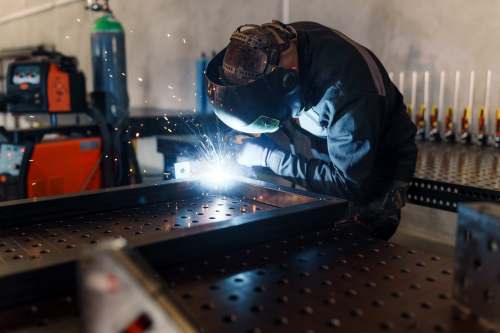
A welding accident can cause devastating injuries in seconds. A worker may suffer severe burns from molten metal, blindness or permanent eye damage from ultraviolet radiation, electric shock, respiratory injuries from toxic fumes, traumatic injuries from explosions or falling materials, or long-term occupational illnesses caused by repeated exposure to hazardous substances.
The U.S. Bureau of Labor Statistics reported that approximately 457,300 welders, cutters, solderers, and brazers were employed in the United States in 2024. The BLS specifically recognizes that these workers face hazards involving fumes, extremely hot materials, intense arc light, and other workplace dangers.
When a welding accident occurs because someone failed to maintain a safe workplace, an injured worker may have legal rights beyond workers’ compensation. Depending on the circumstances, a claim may involve an employer, general contractor, property owner, equipment manufacturer, subcontractor, or another negligent third party.
“A welding accident can change a worker’s life in a matter of seconds. When an injury results from unsafe conditions, defective equipment, or another party’s negligence, determining who is responsible is critical. Injured workers deserve to have the circumstances of the accident fully investigated and their long-term losses taken seriously.” — John J. Malm, Naperville work accident attorney
What Is a Welding Accident?
A welding accident is an injury-causing incident associated with welding, cutting, brazing, soldering, or related hot-work activities. Welding involves multiple hazards simultaneously, which means a single accident can produce several different types of injuries.
OSHA identifies numerous hazards associated with welding, cutting, and brazing, including burns, eye damage, electrical shock, cuts, crushed fingers and toes, metal-fume exposure, and ultraviolet radiation.
Welding accidents can happen in manufacturing facilities, construction sites, fabrication shops, warehouses, shipyards, automotive facilities, and other workplaces. Common welding accidents include:
- Molten-metal burns.
- Welding-arc flash injuries.
- Electric shock and electrocution.
- Fires and explosions.
- Toxic-fume exposure.
- Respiratory injuries.
- Chemical exposure.
- Eye injuries.
- Hearing damage.
- Falls from elevated platforms.
- Crush injuries from falling materials.
- Cuts and amputations.
- Injuries caused by defective welding equipment.
Some welding-related injuries happen immediately. Others, particularly illnesses caused by repeated exposure to welding fumes, may develop over months or years.
How Welding Accidents Happen
Welding is inherently hazardous, but many of the associated risks can be controlled through proper workplace safety practices. OSHA explains that welding operations can expose workers to metal fumes, ultraviolet radiation, sparks, gases, and other hazards. Appropriate work practices, engineering controls, ventilation, and personal protective equipment are important components of preventing injuries.
Employers may contribute to welding accidents by:
- Failing to provide appropriate personal protective equipment.
- Failing to train workers.
- Allowing unqualified workers to operate welding equipment.
- Failing to inspect equipment.
- Using damaged electrical cords or welding machines.
- Failing to provide adequate ventilation.
- Allowing combustible materials to remain near hot work.
- Failing to properly store compressed-gas cylinders.
- Ignoring OSHA safety requirements.
- Failing to establish appropriate hot-work procedures.
- Allowing welding in unsafe confined spaces.
- Failing to supervise dangerous operations.
- Requiring workers to work under unsafe conditions.
A welding accident investigation may therefore require a detailed examination of the workplace, equipment, training records, safety policies, OSHA compliance, and the conduct of other workers or contractors.
Welding Burns and Thermal Injuries
Burns are among the most obvious hazards associated with welding. Welders may be exposed to extremely high temperatures, molten metal, sparks, hot surfaces, and flames. A worker can suffer burns to the hands, arms, legs, face, neck, or other exposed areas. Severe burns may require hospitalization, skin grafting, reconstructive surgery, and extensive rehabilitation.
Burn injuries can also result in permanent scarring and disfigurement. Depending on their location and severity, scars may affect a person’s ability to work or perform ordinary activities. A serious burn can result in:
- Permanent scarring.
- Nerve damage.
- Loss of sensation.
- Reduced range of motion.
- Infection.
- Skin grafting.
- Multiple surgeries.
- Chronic pain.
- Emotional trauma.
- Permanent disfigurement.
When a welding burn is caused by another party’s negligence, an injured worker may have a potential third-party personal injury claim in addition to workers’ compensation benefits.
Welding Arc Flash and Eye Injuries
Welding produces intense visible, ultraviolet, and infrared radiation. Without appropriate eye and face protection, workers can suffer serious injuries. A particularly painful injury is commonly called welder’s flash or arc eye. Ultraviolet radiation can injure the cornea and produce symptoms such as severe eye pain, tearing, redness, sensitivity to light, and impaired vision.
Eye injuries can range from temporary irritation to serious or permanent vision impairment. Workers may also suffer eye injuries from flying particles, sparks, grinding debris, and fragments of metal. Proper protective equipment may include:
- Welding helmets with appropriate filter lenses.
- Safety glasses.
- Face shields.
- Protective clothing.
- Appropriate gloves.
- Properly positioned welding screens.
The absence or improper use of appropriate protection can become an important issue when investigating an accident.
Electric Shock and Electrocution
Welding equipment uses electricity, creating the risk of electrical shock and electrocution. Damaged cables, wet work areas, defective equipment, inadequate grounding, or improper handling can increase the danger.
An electrical injury can cause burns, cardiac arrest, nerve damage, muscle damage, internal injuries, or death. Electrical injuries can be particularly dangerous because a worker may not initially appreciate the extent of internal damage.
A welding accident involving electricity should be carefully investigated to determine whether the equipment was properly maintained and whether workers received appropriate safety training.
Welding Fumes and Toxic Exposure
Not every welding injury occurs in an explosion or dramatic accident. Some of the most serious consequences of welding may result from repeated exposure to fumes and gases.
OSHA explains that welding fumes can contain particulate matter and gases that pose health concerns. Depending on the material being welded, exposures may involve substances such as manganese, chromium, nickel, lead, and other hazardous materials. Potential health effects associated with welding-fume exposure can include:
- Respiratory irritation.
- Metal fume fever.
- Heavy-metal poisoning.
- Neurological effects.
- Lung disease.
- Occupational asthma.
- Cancer.
OSHA also identifies welding as a potential source of occupational exposure to hexavalent chromium, or Cr(VI), particularly when workers weld stainless steel or other chromium-containing metals. Cr(VI) is a known human carcinogen and can affect the respiratory system, kidneys, liver, skin, and eyes.
OSHA states that exposure to hexavalent chromium can occur by inhaling dusts, fumes, or mists and that occupational exposure can occur during welding and hot work involving stainless steel and high-chromium alloys. These risks make ventilation and exposure controls critically important.
Fires and Explosions During Welding
Welding is a form of “hot work,” meaning the operation can create sparks, flames, and extreme heat. If combustible materials, flammable liquids, gases, or vapors are nearby, welding can ignite a fire or trigger an explosion.
OSHA specifically warns that welding, cutting, brazing, and grinding activities can produce sparks and other ignition sources and recommends isolating fuel and ignition sources and removing flammable and combustible materials from the work area.
A particularly dangerous situation occurs when a worker welds on a container, tank, pipe, or piece of equipment that contains or previously contained a flammable substance. An explosion can result in:
- Severe burns.
- Traumatic brain injuries.
- Amputations.
- Hearing loss.
- Blindness.
- Crush injuries.
- Lung injuries.
- Broken bones.
- Fatal injuries.
Investigators may need to determine what materials were present, whether the equipment was properly cleaned or purged, and whether the employer followed appropriate hot-work procedures.
Welding Accidents in Confined Spaces
Welding in a confined space presents additional dangers because fumes and gases may accumulate and oxygen levels can become unsafe. OSHA notes that welding in confined spaces can require additional protective measures, including ventilation and respiratory protection when adequate ventilation cannot prevent hazardous exposures.
Workers performing welding operations in tanks, vessels, pits, pipelines, or other confined spaces may face the risk of:
- Oxygen deficiency.
- Toxic-gas exposure.
- Fire.
- Explosion.
- Heat stress.
- Loss of consciousness.
- Difficulty escaping during an emergency.
A confined-space welding accident can become fatal very quickly.
Common Injuries From Welding Accidents
The injuries associated with welding accidents vary depending on the circumstances and the type of exposure. Common injuries include:
- Second- and third-degree burns.
- Eye injuries and vision loss.
- Electrical burns.
- Electrocution.
- Respiratory injuries.
- Toxic exposure.
- Hearing loss.
- Traumatic brain injuries.
- Spinal cord injuries.
- Broken bones.
- Crush injuries.
- Amputations.
- Nerve damage.
- Scarring and disfigurement.
- Cancer and other occupational diseases.
Some workers may require extensive medical care and rehabilitation. Severe injuries may also prevent a worker from returning to the same occupation.
Who May Be Liable for a Welding Accident?
Determining responsibility after a workplace welding accident can be complicated. In Illinois, workers’ compensation laws generally provide benefits to eligible employees injured in the course of employment. However, workers’ compensation is not necessarily the only potential source of recovery.
A third-party personal injury claim may be possible when someone other than the injured worker’s employer contributed to the accident. Potentially responsible parties can include:
- Equipment manufacturers.
- Property owners.
- General contractors.
- Subcontractors.
- Equipment rental companies.
- Maintenance companies.
- Other workers or companies.
- Manufacturers of defective safety equipment.
For example, suppose a welding machine malfunctions because of a defective component and seriously injures a worker. Depending on the facts, the manufacturer or another entity in the distribution chain could potentially face a product liability claim.
Similarly, if a subcontractor creates a dangerous condition on a construction site that injures a welder employed by another company, the subcontractor may potentially be responsible. Determining liability requires examining the specific facts rather than assuming that the employer is automatically the only responsible party.
What Should You Do After a Welding Accident?
After a serious welding accident, medical treatment should be the first priority. Workers should promptly report the accident and seek appropriate medical attention. If possible, an injured worker should:
- Report the accident to a supervisor.
- Obtain medical treatment.
- Follow the prescribed treatment plan.
- Photograph injuries and the accident scene.
- Preserve photographs of equipment involved in the accident.
- Identify witnesses.
- Keep copies of medical records.
- Keep documentation of missed work.
- Avoid making unnecessary statements about fault.
- Consult an experienced personal injury attorney when a third party may be responsible.
Evidence can disappear quickly after a workplace accident. Equipment may be repaired, replaced, moved, or discarded. A worksite may also change substantially after an accident.
Compensation After a Welding Accident
Workers injured in welding accidents may have rights to workers’ compensation benefits. Depending on the circumstances, workers’ compensation can provide benefits for medical treatment and lost wages and may provide other benefits for qualifying disabilities.
However, when a negligent third party contributed to the accident, a separate personal injury claim may provide access to damages not available through workers’ compensation alone. Potential damages in a third-party personal injury case can include:
- Medical expenses.
- Future medical treatment.
- Lost income.
- Reduced earning capacity.
- Pain and suffering.
- Emotional distress.
- Disfigurement.
- Permanent disability.
- Loss of normal activities.
- Other legally recoverable damages.
The value of a welding accident claim depends on the nature of the injury, the available evidence, liability, insurance coverage, the worker’s prognosis, and other circumstances.
At John J. Malm & Associates, our personal injury attorneys understand that workplace accidents can involve multiple companies, insurance policies, contractors, and potentially responsible parties. A thorough investigation can be essential to identifying every potential source of compensation.
Frequently Asked Questions About Welding Accidents
What are the most common welding accidents?
Welding accidents can involve burns, eye injuries, electric shock, fires, explosions, toxic-fume exposure, cuts, crush injuries, falls, and injuries caused by defective or improperly maintained equipment. OSHA specifically identifies burns, eye damage, electrical shock, cuts, and crushed fingers and toes among the hazards associated with welding, cutting, and brazing.
Can welding fumes cause serious illness?
Yes. Welding fumes can contain metals and other substances capable of causing serious health problems. OSHA identifies potential hazards including heavy-metal poisoning, respiratory problems, metal fume fever, and lung cancer. Some welding processes can also expose workers to hexavalent chromium, a known human carcinogen.
Can a welding accident cause permanent disability?
Yes. Severe burns, amputations, vision loss, spinal injuries, nerve damage, respiratory disease, and other injuries can result in permanent impairment or disability. The long-term consequences depend on the specific injury and medical prognosis.
Can I sue my employer for a welding accident in Illinois?
Workers’ compensation generally provides the primary remedy against an employer for covered workplace injuries, subject to Illinois law and its exceptions. However, an injured worker may have a separate claim against a negligent third party. Because workplace accident liability can be complicated, an attorney should evaluate the specific circumstances.
What if defective welding equipment caused my injury?
A defective welding machine, cable, helmet, protective device, or other product may potentially support a product liability claim. Determining whether a product was defective requires examining the product, maintenance history, warnings, instructions, and circumstances of the accident.
Can I recover compensation if I was partially at fault?
Potential recovery depends on the applicable Illinois law and the specific facts of the case. Comparative-fault principles can affect damages, so an injured worker should not assume that making a mistake automatically eliminates every potential claim.
How long do I have to file a welding accident lawsuit in Illinois?
Illinois has specific statutes of limitation that apply to personal injury and other claims. The deadline can vary depending on the parties involved and the type of claim. Because missing a deadline can permanently affect your rights, it is important to have an attorney evaluate the claim promptly.
Contact the Experienced Illinois Welding Accident Attorneys at John J. Malm & Associates
A welding accident can cause much more than a temporary injury. A serious burn can leave permanent scars. An eye injury can affect vision for the rest of a worker’s life. Toxic exposure can produce illnesses that do not become apparent until years later. An explosion or electrical accident can result in catastrophic injuries or death.
If you or someone you love has been injured in a welding accident, John J. Malm & Associates can investigate what happened and help determine whether another party may be legally responsible for your injuries. Our attorneys represent injured workers and other victims in serious personal injury cases throughout Illinois.
Do not assume that workers’ compensation is necessarily your only option. A welding accident may involve defective equipment, unsafe property conditions, negligent contractors, inadequate safety measures, or other third-party conduct that warrants further investigation.
Contact John J. Malm & Associates today to discuss your welding accident and your legal options. The sooner an investigation begins, the better the opportunity may be to preserve evidence, identify responsible parties, document your injuries, and pursue the compensation you may be entitled to receive.