

EXPERIENCED PERSONAL INJURY ATTORNEYS













Illinois Construction Struck-By Accident Lawyers
Top Attorneys for Workers Struck By Cranes, Falling Objects, and Vehicles
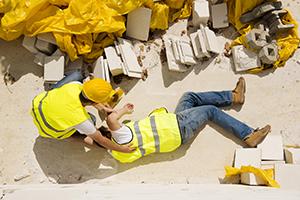
Construction sites are among the most dangerous workplaces in the United States. Workers routinely operate around heavy machinery, cranes, forklifts, moving vehicles, elevated work areas, and falling materials. Despite strict safety regulations, struck-by accidents continue to cause hundreds of deaths and thousands of serious injuries each year. In many cases, these incidents are entirely preventable and result from inadequate safety procedures, poor supervision, defective equipment, or the negligence of contractors and subcontractors.
If you or a loved one has been injured in a construction accident in Illinois, you may be entitled to more than workers’ compensation benefits. Depending on the circumstances, you may also have a third-party personal injury claim against a negligent contractor, equipment manufacturer, property owner, or another responsible party.
At John J. Malm & Associates, we represent injured construction workers and their families throughout Illinois. Our experienced attorneys understand the complex legal issues involved in construction accident litigation and work with safety experts, engineers, and medical professionals to build strong claims for maximum compensation.
What Is a Construction Struck-By Accident?
A struck-by accident occurs when a worker is hit by an object, piece of equipment, vehicle, tool, or material. Unlike caught-in or caught-between accidents, struck-by incidents involve an impact from an object that is moving, falling, flying, or swinging.
The Occupational Safety and Health Administration (OSHA) recognizes struck-by hazards as one of the construction industry’s “Fatal Four” accident categories because of the high number of worker deaths they cause each year. Construction struck-by accidents often occur in a matter of seconds but can result in catastrophic or fatal injuries.
Construction Accident Statistics
Construction remains one of the most hazardous industries in the United States. According to the U.S. Bureau of Labor Statistics (BLS), construction consistently ranks among the industries with the highest number of workplace fatalities. Struck-by incidents are one of OSHA’s “Fatal Four” hazards and account for approximately one in eight construction worker deaths in the United States. Additional data highlights the seriousness of these accidents:
- Construction workers account for a disproportionate share of occupational fatalities despite representing a relatively small percentage of the overall workforce.
- OSHA identifies struck-by hazards as one of the four leading causes of death on construction sites.
- The Center for Construction Research and Training (CPWR) reports that transportation incidents, contact with objects and equipment, and falling materials remain major contributors to serious construction injuries.
- Thousands of workers each year suffer struck-by injuries severe enough to require days away from work or permanent disability.
Common Types of Construction Struck-By Accidents
Construction sites contain numerous struck-by hazards. Understanding how these accidents occur helps employers implement appropriate safety measures and helps injured workers identify who may be legally responsible.
Falling Objects
One of the most common struck-by accidents involves tools, equipment, building materials, or debris falling from elevated work areas. Examples include:
- Dropped hammers or power tools
- Falling lumber
- Steel beams
- Concrete blocks
- Pipes
- Buckets of materials
- Roofing supplies
- Scaffold components
Workers below may suffer devastating head, neck, or spinal injuries if proper overhead protection is not provided.
Heavy Equipment Accidents
Construction sites are filled with heavy equipment that can seriously injure nearby workers. Examples include:
- Bulldozers
- Excavators
- Backhoes
- Loaders
- Skid steers
- Road graders
- Asphalt rollers
Blind spots, poor communication, and unsafe operating practices frequently contribute to these accidents.
Construction Vehicle Accidents
Workers may be struck by:
- Dump trucks
- Cement trucks
- Delivery vehicles
- Pickup trucks
- Utility vehicles
- Site transportation equipment
Backing accidents are especially dangerous because operators often cannot see workers behind their vehicles.
Crane Accidents
Tower cranes and mobile cranes move extremely heavy loads across active construction sites. Workers may be injured by:
- Swinging loads
- Falling loads
- Broken rigging
- Crane collapse
- Improper signaling
- Load shifts
Improper crane operation remains one of the leading causes of catastrophic construction injuries.
Forklift Accidents
Forklifts transport heavy building materials throughout construction sites. Workers may be struck when:
- Forklifts reverse unexpectedly
- Loads fall
- Operators lose visibility
- Forklifts tip over
- Pedestrian walkways are not protected
Flying Objects
Certain construction activities create projectiles capable of causing serious injuries. Examples include:
- Nail gun misfires
- Grinder wheel fragments
- Saw blade failures
- Exploding compressed air equipment
- Metal fragments
- Concrete chips
Eye injuries are especially common during these incidents.
Swinging Materials
Large construction materials suspended from cranes or hoists may swing unexpectedly due to wind, improper rigging, or operator error. Common examples include:
- Steel beams
- HVAC units
- Concrete forms
- Pipe bundles
- Structural panels
Workers struck by swinging loads often sustain crushing injuries.
OSHA’s “Fatal Four” and Struck-By Hazards
OSHA identifies four primary causes of construction worker fatalities, commonly known as the “Fatal Four.” These include:
- Falls
- Struck-by incidents
- Electrocutions
- Caught-in/between accidents
According to OSHA, eliminating these four hazards could prevent a significant percentage of construction worker deaths each year. Struck-by incidents consistently rank among the leading causes of fatal injuries in the construction industry. Because these accidents are so common, OSHA has established detailed regulations governing:
- Hard hats
- Barricades
- Equipment inspections
- Crane operations
- Material handling
- Traffic control
- Personal protective equipment (PPE)
- Spotters
- Warning systems
Failure to comply with these safety standards may constitute evidence of negligence.
Common Causes of Construction Struck-By Accidents
Most struck-by accidents are preventable. Frequent causes include:
- Poor job site supervision
- Inadequate worker training
- Failure to wear hard hats
- Unsafe crane operation
- Improper rigging
- Falling tools
- Lack of toe boards on scaffolds
- Defective machinery
- Poor communication
- Failure to use spotters
- Excessive speed by construction vehicles
- Unsafe backing procedures
- Lack of warning signs
- Poor housekeeping
- Improper storage of building materials
Construction companies have a legal duty to identify and eliminate foreseeable hazards before workers are injured.
Injuries Caused by Construction Struck-By Accidents
The force generated by construction equipment or falling materials can produce life-changing injuries. Common injuries include:
- Traumatic brain injuries (TBIs)
- Skull fractures
- Concussions
- Neck injuries
- Spinal cord injuries
- Paralysis
- Multiple fractures
- Crushed limbs
- Internal bleeding
- Organ damage
- Eye injuries
- Facial fractures
- Hearing loss
- Amputations
- Fatal injuries
Many victims require multiple surgeries, lengthy rehabilitation, and permanent work restrictions.
Who May Be Liable for a Construction Struck-By Accident?
Construction accident cases often involve multiple responsible parties. Potentially liable parties include:
- General contractors
- Subcontractors
- Property owners
- Equipment manufacturers
- Crane companies
- Delivery companies
- Material suppliers
- Engineering firms
- Maintenance contractors
Unlike workers’ compensation claims, third-party lawsuits require proof that another party’s negligence contributed to the accident. An experienced attorney can identify every available source of compensation.
Workers’ Compensation vs. Third-Party Lawsuits
Most injured construction workers qualify for workers’ compensation benefits regardless of fault. Workers’ compensation may provide:
- Medical expenses
- Temporary total disability benefits
- Permanent disability benefits
- Vocational rehabilitation
- Death benefits for surviving families
However, workers’ compensation generally does not compensate victims for pain and suffering. If someone other than your employer caused your injuries, you may also pursue a third-party personal injury lawsuit seeking damages for:
- Pain and suffering
- Emotional distress
- Disability
- Loss of normal life
- Future medical expenses
- Lost earning capacity
- Wrongful death damages
These claims can significantly increase the compensation available to injured workers and their families.
How John J. Malm & Associates Investigates Construction Accident Cases
Construction accident litigation requires a prompt and thorough investigation. Critical evidence can disappear quickly as work continues on the job site. Our firm works to preserve and analyze:
- OSHA investigation records
- Accident reports
- Safety manuals
- Training records
- Witness statements
- Surveillance footage
- Photographs of the accident scene
- Equipment inspection logs
- Maintenance records
- Crane and forklift operating records
- Contracts between contractors and subcontractors
- Expert engineering analyses
By identifying safety violations and preserving evidence early, we help build strong cases on behalf of injured construction workers.
Compensation Available After a Construction Struck-By Accident
Depending on the circumstances of your case, you may be entitled to compensation for:
- Medical bills
- Future medical treatment
- Lost wages
- Reduced earning capacity
- Permanent disability
- Physical pain
- Emotional suffering
- Disfigurement
- Rehabilitation expenses
- Home modifications
- Assistive medical equipment
- Wrongful death damages for surviving family members
Every case is unique, and the value of a claim depends on the severity of the injuries, liability issues, and the long-term impact on the victim’s life.
Frequently Asked Questions about Struck-By Accidents
What is considered a struck-by accident?
A struck-by accident occurs when a worker is hit by a falling, flying, swinging, or moving object, vehicle, piece of equipment, or construction material.
Can I sue if I receive workers’ compensation?
Possibly. While you generally cannot sue your employer, you may have a third-party claim against another contractor, equipment manufacturer, property owner, or other negligent party.
What should I do after a construction struck-by accident?
Seek immediate medical treatment, report the accident to your employer, document the scene if possible, preserve evidence, and consult an experienced construction accident attorney as soon as possible.
Are hard hats enough to prevent serious injuries?
No. Hard hats reduce the risk of head injuries, but they cannot prevent every catastrophic injury caused by heavy equipment, falling steel beams, or large construction materials. Employers must implement comprehensive safety measures to protect workers.
How long do I have to file a claim in Illinois?
The time limits vary depending on whether you are pursuing a workers’ compensation claim, a third-party personal injury lawsuit, or a wrongful death action. Because deadlines can be strict, it is important to speak with an attorney promptly.
Why should I hire a lawyer after a construction accident?
Construction accident cases often involve multiple defendants, complex contracts, OSHA regulations, and extensive insurance coverage. An experienced attorney can investigate the accident, preserve evidence, identify all responsible parties, and pursue the full compensation available under Illinois law.
Contact the Experienced Illinois Construction Accident Attorneys After a Struck-By Accident
A construction struck-by accident can change your life in an instant, leaving you with serious injuries, mounting medical expenses, lost income, and uncertainty about your future. You should not have to bear those burdens alone, especially when your injuries were caused by someone else’s failure to maintain a safe job site.
At John J. Malm & Associates, we have decades of experience representing injured construction workers and understand the complex intersection of Illinois workers’ compensation law and third-party personal injury litigation. We are committed to conducting thorough investigations, identifying every liable party, and fighting for the maximum compensation our clients deserve. If you or a loved one has been injured in a construction struck-by accident anywhere in Illinois, contact John J. Malm & Associates today for a free consultation. Let us protect your rights while you focus on your recovery.