

EXPERIENCED PERSONAL INJURY ATTORNEYS














Illinois Slide Park Accident Lawyers
Top Injury Attorneys for Broken Bones and Spinal Fractures
Indoor slide parks have become popular destinations for families looking for entertainment, birthday parties, school outings, and recreational activities. These facilities often feature enormous slides, climbing structures, tunnels, obstacle courses, ball pits, inflatable attractions, and multi-level play areas. While indoor amusement parks can provide hours of entertainment for children and adults, they can also present significant safety risks when equipment is improperly designed, installed, maintained, or supervised.
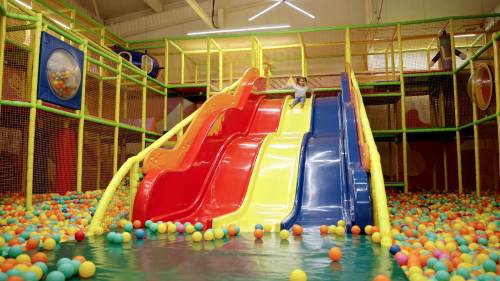
Unlike traditional playgrounds, indoor slide parks frequently combine multiple attractions within a relatively confined space. Children may climb several stories above the ground, slide at high speeds, encounter other participants at the bottom of attractions, or navigate crowded play structures. A poorly maintained slide, inadequate protective padding, defective equipment, or insufficient employee supervision can turn an ordinary family outing into a serious accident.
Injuries at indoor slide parks can include broken bones, traumatic brain injuries, spinal cord injuries, lacerations, concussions, and permanent disabilities. Young children are particularly vulnerable because they may not understand the dangers associated with certain attractions or recognize when equipment is unsafe.
When an accident occurs, parents may assume that injuries are simply part of letting children play. However, amusement facilities have responsibilities to maintain reasonably safe premises, inspect their equipment, train employees, and protect visitors from foreseeable hazards. When a business fails to meet its legal obligations, it may be held responsible for injuries caused by its negligence.
How Slide Parks Can Become Dangerous
Indoor slide parks are designed to accommodate large numbers of visitors participating in different activities simultaneously. Although many facilities advertise their attractions as family-friendly, the combination of elevated structures, slippery surfaces, high-speed slides, and crowded play areas creates opportunities for serious accidents.
Some indoor slide parks feature slides that descend multiple stories, while others incorporate steep angles, sharp turns, enclosed tunnels, or inflatable landing areas. Children may travel down slides at different speeds depending on their size, clothing, body position, and the material used to construct the slide. Common safety hazards include:
- Slides with excessive steepness or unsafe transitions.
- Inadequate padding or protective landing surfaces.
- Loose, broken, or damaged slide components.
- Exposed bolts, sharp edges, or protruding hardware.
- Inadequate barriers around elevated platforms.
- Wet, slippery, or contaminated surfaces.
- Overcrowded attractions and insufficient participant spacing.
- Poorly maintained climbing structures and access ladders.
- Inadequate lighting inside enclosed slides and tunnels.
- Failure to separate attractions intended for different age groups.
Even a relatively minor maintenance problem can create a dangerous condition. For example, a loose connection between slide sections could cause a child to catch a hand or foot while descending. A damaged landing area could increase the likelihood of a fall. An improperly designed exit could cause children to collide with one another when they reach the bottom.
Indoor facilities also face unique challenges involving ventilation, temperature, moisture, and visibility. Condensation, spilled beverages, cleaning products, and perspiration can create slippery surfaces. Employees must monitor these conditions and address hazards before someone gets hurt.
Statistics on Playground and Slide-Related Injuries
Although there is limited nationwide research that isolates injuries specifically occurring at indoor slide parks, broader playground and amusement injury statistics demonstrate the potential dangers associated with slides and recreational attractions.
A 2021 study published in the Journal of Paediatrics and Child Health examined playground equipment-related injuries among children treated in U.S. emergency departments between 1995 and 2019. Researchers identified 184,580 injury cases in the National Electronic Injury Surveillance System and estimated approximately 5.36 million emergency department visits for playground-related injuries during the study period. The study found that:
- Slides accounted for approximately 20.9% of playground equipment-related injuries.
- Climbing equipment accounted for approximately 36% of injuries.
- Swings accounted for approximately 25.9% of injuries.
- School-aged children accounted for 42.7% of cases.
- Preschool-aged children accounted for 35.3% of cases.
- Reported concussion injuries increased during the study period.
These findings are important because indoor slide parks frequently combine slides with climbing equipment, elevated platforms, and other playground-style attractions. Although the study was not limited to indoor facilities, it illustrates the frequency of injuries associated with the types of equipment commonly found in these businesses.
Another study examining slide-related injuries among children five years old and younger found that more than 350,000 children in this age group were treated in U.S. emergency departments for slide injuries between 2002 and 2015.
Researchers identified fractures as the most common diagnosis, accounting for approximately 36% of injuries. Lacerations accounted for another 19%. The research also identified a particularly important risk involving adults sliding with young children on their laps. Researchers found that children riding on an adult’s lap had significantly increased odds of lower-extremity injuries, including fractures involving the lower leg and ankle. A child’s foot can become caught against the slide surface while the adult’s body continues moving downward, creating twisting forces on the child’s leg.
The U.S. Consumer Product Safety Commission (CPSC) has also documented injuries involving inflatable amusement attractions, including inflatable slides. Its report examining incidents from 2003 through 2013 estimated 113,272 emergency department-treated injuries associated with inflatable amusements. Among injuries involving inflatable attractions between 2011 and 2013, fractures accounted for approximately 28%, strains, sprains, and dislocations accounted for 27%, and contusions, abrasions, and lacerations accounted for 23%.
Common Types of Indoor Slide Park Accidents
Indoor slide park accidents can happen in several ways, including:
1. Falls From Elevated Slides and Platforms
Many indoor slide parks feature elevated play structures with platforms, ladders, bridges, and observation areas. Children may fall from these structures if guardrails are missing, barriers are inadequate, or climbing equipment is improperly maintained.
A fall from significant height can cause catastrophic injuries, including skull fractures, spinal injuries, internal bleeding, and traumatic brain injuries. Facilities should maintain appropriate protective barriers and ensure that elevated structures are designed and operated with foreseeable child behavior in mind.
2. Slide Collisions
Children frequently use indoor slides one after another. When a facility fails to establish appropriate spacing or enforce safe-use rules, one child may collide with another at the bottom of a slide. These accidents can result in:
- Broken arms and legs.
- Head injuries and concussions.
- Facial fractures.
- Neck and back injuries.
- Dental injuries.
- Soft tissue damage.
Slide exits should provide sufficient clearance for children to safely leave the landing area before another participant arrives.
3. Injuries From Defective Slides
Defective equipment can cause serious injuries even when children follow all posted rules. Examples include slides with broken seams, exposed screws, sharp edges, damaged sidewalls, loose connections, or improperly installed components. A defect may cause a child to become trapped, fall, strike an exposed surface, or lose control while descending. Depending on the circumstances, liability may involve the facility operator, equipment manufacturer, installer, maintenance contractor, or another responsible party.
4. Slip and Fall Accidents
Indoor slide parks often have smooth flooring, plastic climbing surfaces, and padded areas that can become slippery when wet or contaminated. Children may slip because of:
- Spilled drinks or food.
- Water brought into play areas.
- Wet clothing or footwear.
- Recently cleaned floors.
- Condensation.
- Torn or displaced protective mats.
- Debris left in walkways.
A business should have reasonable procedures for identifying and correcting dangerous conditions, including regular inspections and prompt cleanup.
5. Injuries From Improper Supervision
Indoor amusement facilities may have employees assigned to monitor attractions, enforce age restrictions, manage lines, and prevent overcrowding. When employees fail to perform these responsibilities, children may engage in dangerous activities without intervention. For example, employees may allow children to climb up the wrong side of a slide, stand in landing areas, push other participants, or use equipment intended for older children. Facilities should establish clear rules and provide appropriate supervision based on the nature of their attractions and foreseeable risks.
6. Entrapment and Equipment-Related Injuries
Children can become trapped in gaps between equipment components, openings in climbing structures, or improperly designed slide entrances and exits. Loose clothing, drawstrings, jewelry, and other items can also become caught in equipment. Facilities should use appropriate safety designs, inspect equipment regularly, and provide clear warnings about foreseeable entrapment hazards.
Common Injuries Caused by Indoor Slide Park Accidents
The severity of an indoor slide park injury depends on several factors, including the height of a fall, the speed of a slide, the type of surface involved, and the age and physical development of the injured person. Some injuries require only minor medical treatment. Others can permanently affect a child’s health, mobility, education, and quality of life.
Broken Bones and Fractures
Fractures are among the most common injuries associated with playground slides. Children may break their wrists, arms, elbows, ankles, legs, or collarbones when they fall or collide with other participants. Some fractures require surgery, metal plates, screws, or pins. Severe injuries may interfere with normal bone development in younger children.
Traumatic Brain Injuries and Concussions
A child who strikes their head against a slide, platform, wall, or floor may suffer a concussion or more serious traumatic brain injury. Warning signs can include:
- Headaches or dizziness.
- Nausea and vomiting.
- Confusion or memory problems.
- Loss of consciousness.
- Sensitivity to light or sound.
- Changes in mood or behavior.
- Difficulty concentrating.
Some traumatic brain injuries have lasting consequences, particularly when the child suffers a severe injury or repeated head trauma.
Spinal Cord and Neck Injuries
Falls from elevated structures and high-speed collisions can cause serious neck and spinal injuries. Depending on the severity, a child may experience chronic pain, nerve damage, paralysis, or permanent mobility limitations.
Facial and Dental Injuries
Children may strike their faces against hard surfaces, collide with other participants, or hit exposed equipment components. These accidents can cause broken teeth, facial lacerations, jaw fractures, and permanent scarring.
Soft Tissue Injuries
Sprains, strains, bruises, ligament injuries, and torn muscles can occur when children land awkwardly or twist their bodies while descending slides. Even injuries initially considered minor can require physical therapy or prolonged medical treatment.
Who May Be Liable for an Indoor Slide Park Accident in Illinois?
Determining liability after an indoor slide park accident requires examining how the incident occurred, who controlled the property, whether the equipment was reasonably safe, and whether the responsible parties failed to take appropriate precautions. Liable parties may include the following:
Indoor Slide Park Owners and Operators
Under Illinois premises liability principles, businesses that own, possess, or control property generally have a duty to exercise reasonable care to maintain their premises in a reasonably safe condition for lawful visitors. An indoor slide park operator may be negligent if it:
- Fails to inspect slides and climbing structures.
- Allows broken or defective equipment to remain in use.
- Fails to repair known hazards.
- Does not provide adequate protective padding.
- Permits overcrowding that creates foreseeable collision risks.
- Fails to enforce reasonable safety rules.
- Does not provide adequate employee training.
- Fails to warn visitors about dangerous conditions.
- Does not respond appropriately to reported safety problems.
For example, suppose a child suffers a serious head injury after falling from an elevated slide platform with a broken guardrail. If the facility knew or reasonably should have known about the defective barrier but failed to repair it or restrict access, the operator could potentially be liable.
Equipment Manufacturers and Distributors
Sometimes an indoor slide park accident results from a defect in the equipment itself rather than negligent operation of the facility. Under Illinois product liability principles, manufacturers, distributors, and other parties in the product’s distribution chain may face liability when a defective product causes injury. Potential product defects include:
- Defective slide materials that crack or break.
- Poorly designed slide exits.
- Inadequate protective barriers.
- Unsafe openings that create entrapment hazards.
- Defective connections between slide sections.
- Inadequate warnings or instructions.
- Manufacturing defects that compromise structural integrity.
A product liability investigation may require examining the equipment, obtaining manufacturer specifications, reviewing maintenance records, and consulting engineering or safety experts.
Maintenance and Inspection Contractors
Some indoor amusement facilities hire outside companies to install, inspect, or maintain their attractions. If a contractor performs negligent repairs, fails to identify dangerous conditions during an inspection, or improperly installs equipment, that contractor may share responsibility for an injury. Determining liability requires examining the contractor’s responsibilities, contractual obligations, inspection records, and the specific work performed.
Employees and Supervisors
Employees may also contribute to accidents by failing to follow safety procedures, allowing dangerous behavior, or failing to respond to foreseeable hazards. For example, an employee assigned to supervise a slide may allow children to enter too closely together, resulting in a collision. Depending on the circumstances, the employer may be held responsible for negligent conduct by employees acting within the scope of their employment.
Illinois Premises Liability Law and Indoor Slide Park Injuries
Illinois law provides important protections for individuals injured on commercial properties, including indoor amusement facilities. The Illinois Premises Liability Act, 740 ILCS 130, establishes duties owed by owners and occupiers of property to people who enter their premises. Under the Act, owners and occupiers must exercise ordinary care under the circumstances regarding the condition of their property and activities conducted on it.
A business may be responsible when it creates a dangerous condition or knows, or through the exercise of reasonable care should know, about a hazard and fails to take appropriate steps to address it. For an indoor slide park injury claim, important legal questions may include:
- Was there a dangerous condition on the premises?
- Did the facility create the condition?
- Did the facility know or reasonably have reason to know about it?
- Should the facility have discovered the hazard through reasonable inspections?
- Did the facility fail to repair the condition or provide an adequate warning?
- Did the dangerous condition cause the visitor’s injuries?
Illinois law also recognizes negligence claims involving unsafe activities and inadequate supervision. A facility may face liability even when the accident does not involve a physical defect in the property. For example, allowing too many children onto a slide simultaneously may create a foreseeable collision hazard. If the facility fails to implement reasonable operating procedures, that failure could support a negligence claim.
Can Parents Sign Away Their Rights When Their Children Visit an Indoor Slide Park?
Many indoor amusement businesses require parents or guardians to sign liability waivers before children can participate in recreational activities. These documents may attempt to release the business from liability for injuries associated with ordinary negligence. However, signing a waiver does not necessarily eliminate every potential legal claim.
The enforceability of a waiver depends on several factors, including its wording, the circumstances surrounding its execution, applicable Illinois law, and the nature of the alleged misconduct. Parents should understand that:
- A waiver does not automatically protect a business from every type of negligence claim.
- The wording and scope of the release matter.
- Claims involving defective products may present separate legal issues.
- Claims involving conduct that violates public policy may be treated differently.
- A waiver signed by a parent on behalf of a minor does not necessarily eliminate all claims belonging to the child.
Illinois courts examine liability releases based on applicable contract principles and public policy considerations. Families should have an attorney review a waiver before assuming that they have no legal options.
What Evidence Is Important After an Indoor Slide Park Accident?
Evidence can disappear quickly after an indoor slide park accident. Facilities may repair damaged equipment, clean up dangerous conditions, or overwrite surveillance footage. Families should take steps to preserve information as soon as possible. Important evidence may include:
- Photographs and videos: Pictures of the slide, landing area, damaged equipment, flooring, warning signs, and surrounding conditions.
- Surveillance footage: Video showing the accident, employee supervision, equipment conditions, and events immediately before the injury.
- Incident reports: Documents prepared by the facility following the accident.
- Witness statements: Contact information and statements from other parents, children, employees, and visitors.
- Inspection records: Documents showing whether equipment was inspected and whether problems were previously identified.
- Maintenance records: Information about repairs, equipment replacements, and reported defects.
- Employee training records: Documentation showing whether employees received appropriate safety instruction.
- Medical records: Emergency department evaluations, imaging, surgical reports, and follow-up treatment.
- Equipment specifications: Manufacturer instructions, installation requirements, and applicable safety standards.
Families should also preserve receipts, admission tickets, waiver documents, emails, and communications with facility management. An attorney can send a formal preservation-of-evidence letter requesting that the business retain surveillance footage, inspection records, incident reports, and other relevant materials.
What Should Parents Do After an Indoor Slide Park Accident?
If a child is injured at an indoor slide park, parents should prioritize medical care and take steps to protect their child’s legal rights. Even if an injury initially appears minor, certain conditions, including concussions, fractures, and internal injuries, may not become apparent immediately. Families should consider the following steps:
- Seek medical attention. Have the child evaluated by a medical professional. Follow all treatment recommendations and keep copies of medical records.
- Report the accident. Notify facility management and request that an incident report be completed. Ask for a copy.
- Photograph the scene. Take pictures of the slide, equipment, flooring, landing area, warning signs, and any visible defects.
- Identify witnesses. Obtain names and contact information from other parents, employees, and visitors who witnessed the accident.
- Preserve surveillance footage. Ask the facility to retain video showing the accident and the surrounding area before and after it occurred.
- Keep all documentation. Save admission receipts, liability waivers, communications with the business, and medical bills.
- Consult an experienced Illinois amusement park attorney. An attorney can investigate the accident, identify potentially responsible parties, and explain available legal remedies.
Parents should avoid giving recorded statements to insurance companies or accepting settlement offers before understanding the full extent of their child’s injuries. A seemingly straightforward accident may involve complicated questions about equipment design, maintenance practices, employee supervision, and premises liability.
Frequently Asked Questions About Indoor Slide Park Accidents
Can I sue an indoor slide park if my child breaks a bone on a slide?
Potentially. A broken bone alone does not establish negligence because recreational activities involve certain inherent risks. However, if the injury resulted from defective equipment, inadequate maintenance, unsafe operating procedures, or another preventable hazard, the facility or another responsible party may be liable.
Who is responsible if my child is injured because another child collides with them on a slide?
Responsibility depends on the circumstances. The other child’s conduct, parental supervision, employee oversight, and the facility’s operating procedures may all be relevant. If the facility allowed overcrowding or failed to enforce reasonable safety rules, it could potentially share responsibility.
Can an indoor slide park be held responsible for a defective slide?
Yes. A facility may face premises liability for failing to inspect, maintain, or repair defective equipment. The manufacturer or distributor may also face product liability if a design, manufacturing, or warning defect contributed to the injury.
Does signing an indoor amusement park waiver prevent me from filing a lawsuit?
Not necessarily. Illinois courts evaluate liability waivers based on their wording, applicable contract principles, and public policy. A signed waiver does not automatically eliminate every possible claim, particularly when defective products or other independent legal duties are involved.
What if my child was injured because there were not enough employees supervising the play area?
Inadequate supervision may support a negligence claim when the facility failed to exercise reasonable care under the circumstances. Whether the facility is liable depends on the nature of the attraction, foreseeable risks, staffing responsibilities, and how the lack of supervision contributed to the accident.
What types of compensation can families recover after an indoor slide park accident?
Depending on the circumstances and applicable law, recoverable damages may include medical expenses, future medical treatment, pain and suffering, disability, disfigurement, and other legally recognized losses. A parent may also have a separate claim for certain expenses incurred on behalf of an injured minor.
What if the indoor slide park says the accident was simply an inherent risk of playing?
Businesses are not automatically responsible for every injury that occurs during recreational activities. However, describing an accident as an inherent risk does not excuse negligence or defective equipment. An attorney can investigate whether the injury resulted from an ordinary recreational risk or an unreasonable safety hazard.
How much does it cost to hire an indoor slide park accident lawyer?
John J. Malm & Associates offers free consultations for injury claims. Our firm can discuss the circumstances of the accident, potential liability, and available legal options.
Contact the Trial-Ready Illinois Indoor Slide Park Accident Lawyers at John J. Malm & Associates
Indoor slide parks should be places where children can enjoy themselves without being exposed to preventable safety hazards. When families purchase admission to an amusement facility, they reasonably expect the business to maintain its attractions, inspect equipment, provide appropriate supervision, and take reasonable precautions to protect visitors. Unfortunately, negligent maintenance, defective slides, inadequate staffing, and unsafe operating procedures can result in serious injuries that affect children and their families for years.
At John J. Malm & Associates, our attorneys have over 95 years of combined litigation experience representing individuals and families injured because of negligence. We understand that a child’s serious injury can create substantial medical expenses, emotional hardship, and uncertainty about the future. Our firm investigates the circumstances surrounding recreational facility accidents, identifies potentially responsible parties, preserves important evidence, and works to hold negligent businesses accountable.
If your child or another family member has been injured at an indoor slide park in Naperville, Aurora, Chicago, St. Charles, or elsewhere in Illinois, you do not have to navigate the legal process alone. Contact our firm for a free consultation to discuss your potential claim and learn how our experienced Illinois personal injury attorneys can help your family pursue the compensation and accountability you deserve.