

EXPERIENCED PERSONAL INJURY ATTORNEYS








Illinois Roller Coaster Accident Lawyers
Award-Winning Injury Attorneys for Falls and Broken Bones From Defective Amusement Rides
Roller coasters are designed to deliver excitement through high speeds, steep drops, sharp turns, sudden stops, and powerful acceleration. Although amusement parks take precautions to protect visitors, roller coaster accidents can result in catastrophic injuries when rides malfunction, safety systems fail, or operators and maintenance personnel neglect their responsibilities. A ride that is supposed to provide an enjoyable experience can quickly become the source of a life-changing injury.
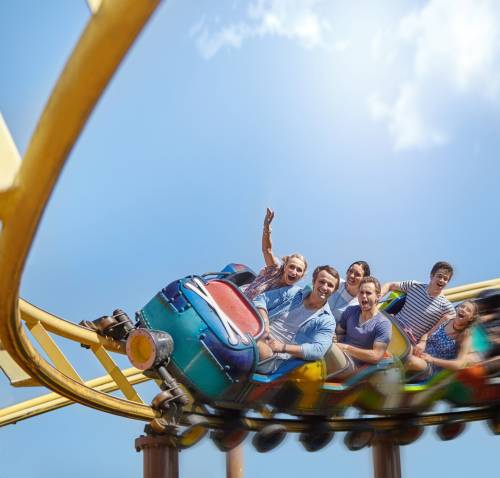
In Illinois, amusement park visitors have the right to expect that roller coasters and other attractions are properly designed, maintained, inspected, and operated. When a park operator, ride manufacturer, maintenance contractor, or another responsible party fails to meet its safety obligations, injured visitors may have grounds to pursue a personal injury claim.
Roller coaster accidents can involve mechanical failures, restraint malfunctions, operator mistakes, structural problems, or dangerous conditions involving passengers. Injuries may include traumatic brain injuries, spinal cord damage, broken bones, internal injuries, and even wrongful death. Families should not have to bear the financial and emotional consequences of preventable amusement ride accidents without exploring their legal options.
How Common Are Roller Coaster and Amusement Park Accidents?
Although serious roller coaster accidents are relatively uncommon compared with the enormous number of people who visit amusement parks, injuries associated with amusement rides remain an important public safety concern.
The U.S. Consumer Product Safety Commission (CPSC) monitors amusement ride injuries and investigates certain incidents involving amusement attractions. Its National Electronic Injury Surveillance System (NEISS) also provides estimates of emergency department-treated injuries associated with amusement attractions. Both note several important considerations when evaluating amusement ride injury statistics:
- Injuries occur on more than roller coasters. Reported amusement ride injuries include incidents involving spinning rides, water attractions, children’s rides, and other mechanical attractions.
- Not every injury results from a mechanical malfunction. Riders can suffer injuries from excessive movement, sudden acceleration, improper restraint positioning, or unsafe passenger conduct.
- Emergency department statistics do not capture every injury. Some visitors receive treatment at urgent care facilities, from private physicians, or through other medical providers.
- Serious incidents may be relatively rare but devastating. A single restraint failure or structural malfunction can cause multiple injuries and potentially fatal consequences.
Common Causes of Roller Coaster Accidents in Illinois
Roller coaster accidents can occur for several reasons. While modern rides incorporate sophisticated safety systems, these systems must be properly designed, inspected, maintained, and operated to protect passengers. Some of the most common causes of roller coaster accidents include the following:
Mechanical Failures and Equipment Malfunctions
Roller coasters rely on complex mechanical systems to control speed, movement, braking, and passenger restraints. When a critical component fails, riders can be exposed to dangerous forces or unexpected movements. Mechanical failures may involve:
- Brake system malfunctions that prevent a train from slowing or stopping properly.
- Wheel assembly failures that affect the ride’s stability.
- Damaged track components that cause unexpected movement.
- Faulty sensors that fail to detect unsafe operating conditions.
- Problems with motors, chains, cables, or launching mechanisms.
- Defective anti-rollback systems that allow a train to move backward unexpectedly.
Even a seemingly minor equipment defect can have serious consequences when a roller coaster is traveling at high speeds.
Defective or Improperly Secured Safety Restraints
Passenger restraints are among the most important safety features on a roller coaster. Lap bars, shoulder harnesses, seat belts, and locking mechanisms are intended to keep riders securely positioned throughout the ride. An accident can occur when a restraint fails to lock, opens unexpectedly, is improperly adjusted, or is defective. Potential causes include:
- A lap bar that does not fully engage.
- A shoulder harness with a defective locking mechanism.
- A faulty restraint sensor that incorrectly indicates a passenger is secured.
- An operator failing to verify that restraints are properly fastened.
- A ride design that does not adequately accommodate certain passenger body sizes.
A restraint failure can cause a passenger to slide out of a seat, strike surrounding structures, or be ejected from the ride. These incidents can result in catastrophic injuries or death.
Inadequate Maintenance and Inspections
Roller coasters experience repeated mechanical stress. Wheels, brakes, track connections, restraint systems, and other components must withstand thousands of operating cycles. Without proper maintenance, normal wear and tear can become a serious safety hazard. Amusement parks may be negligent when they:
- Fail to follow manufacturer maintenance instructions.
- Ignore reports of unusual noises, vibrations, or ride behavior.
- Continue operating rides with known mechanical problems.
- Use damaged or worn replacement components.
- Fail to conduct required safety inspections.
- Neglect maintenance records or inspection documentation.
Maintenance failures are especially concerning when a park knows about a potential problem but allows the attraction to continue operating.
Operator Negligence and Human Error
Roller coaster operators play an essential role in maintaining passenger safety. Their responsibilities may include checking restraints, monitoring loading areas, following operating procedures, and responding appropriately to warning signals. Operator negligence may involve:
- Starting a ride before passengers are properly secured.
- Failing to follow required safety procedures.
- Overlooking visible restraint problems.
- Allowing passengers to board despite known safety concerns.
- Operating a ride despite mechanical warnings.
- Failing to respond appropriately to an emergency stop.
- Providing inadequate instructions about passenger positioning.
Amusement park employees must receive appropriate training and supervision. A failure to follow established operating procedures can expose passengers to preventable injuries.
Unsafe Ride Design and Manufacturing Defects
Some roller coaster accidents originate with the design or manufacturing of the attraction itself. A ride may contain an unsafe design feature, an improperly manufactured component, or a defect in its braking or restraint systems. Product defects can involve:
- Inadequate structural support.
- Poorly designed passenger restraints.
- Defective braking components.
- Insufficient safety mechanisms.
- Inadequate warnings about ride restrictions.
- Manufacturing flaws in track or wheel assemblies.
When a defective product causes an injury, the manufacturer, component supplier, distributor, or another entity in the product’s distribution chain may potentially be held responsible.
Passenger Loading and Unloading Accidents
Not every roller coaster injury happens while the ride is moving. Passengers can also be injured while boarding, exiting, or moving through loading platforms. Examples include:
- A passenger falling while stepping into a ride vehicle.
- An operator releasing a restraint before the train is fully secured.
- A passenger being struck by a moving ride vehicle.
- Unsafe gaps between the platform and the train.
- Slippery or uneven loading surfaces.
- Inadequate assistance for passengers with mobility limitations.
Amusement parks must take reasonable precautions to maintain safe boarding and unloading areas.
Types of Injuries Caused by Roller Coaster Accidents
The physical forces involved in roller coaster accidents can cause injuries ranging from temporary soreness to permanent disabilities. The severity depends on the speed of the ride, the nature of the malfunction, the passenger’s position, and whether the accident involves a sudden stop, collision, or ejection. Common injuries include:
Traumatic Brain Injuries
A sudden impact or violent movement can cause the head to strike a restraint, seat, or other structure. This can result in a concussion or more severe traumatic brain injury (TBI). Symptoms may include headaches, dizziness, confusion, memory problems, nausea, and sensitivity to light or sound. Severe injuries can cause permanent cognitive impairment, seizures, and changes in personality or behavior.
Neck and Spinal Cord Injuries
Rapid acceleration, deceleration, and abrupt directional changes can place significant stress on the neck and spine. Potential injuries include:
- Cervical and lumbar disc herniations.
- Whiplash injuries.
- Spinal fractures.
- Ligament tears.
- Nerve damage.
- Spinal cord injuries.
Severe spinal cord trauma can cause permanent weakness, paralysis, or loss of sensation.
Broken Bones and Orthopedic Injuries
A passenger thrown against a restraint or ride structure may suffer fractures and other orthopedic injuries. Common examples include:
- Broken arms and wrists.
- Fractured ribs.
- Collarbone fractures.
- Pelvic fractures.
- Leg and ankle fractures.
- Shoulder dislocations.
Some fractures require surgery, metal plates, screws, or extensive physical therapy.
Internal Injuries and Organ Damage
The sudden compression or impact forces associated with an amusement ride accident can damage internal organs. Potential injuries include:
- Internal bleeding.
- Ruptured spleen.
- Liver injuries.
- Kidney damage.
- Lung injuries.
- Abdominal trauma.
Internal injuries can be particularly dangerous because symptoms may not appear immediately. Prompt medical evaluation is important following a serious incident.
Soft Tissue Injuries
Muscles, tendons, and ligaments can be damaged when a passenger experiences excessive movement or sudden changes in direction. These injuries may cause chronic pain, swelling, stiffness, and restricted mobility. Some victims require months of rehabilitation before returning to normal activities.
Psychological Trauma
A serious roller coaster accident can also cause significant emotional harm. Passengers who experience a frightening malfunction, collision, or near-fatal incident may develop anxiety, depression, or post-traumatic stress disorder (PTSD). Children may be particularly affected by frightening amusement park experiences, especially when they witness another passenger being seriously injured.
Illinois Roller Coaster Safety Laws and Inspection Requirements
Illinois has established laws and administrative regulations intended to protect the public from dangerous amusement rides. The Illinois Amusement Ride and Attraction Safety Act, 430 ILCS 85, provides a regulatory framework for amusement ride safety. The Illinois Department of Labor oversees important aspects of amusement ride inspection and enforcement.
Under 430 ILCS 85/2-10, amusement rides covered by the Act generally must receive an inspection before initially operating in Illinois and at least annually thereafter. The Department may also conduct additional inspections to ensure continued compliance with applicable safety requirements.
Illinois Administrative Code, Title 56, Part 6000 establishes additional requirements involving ride inspections, operator responsibilities, and safety procedures. For example, Section 6000.150 requires:
- Daily inspection and testing by a trained attendant.
- Documentation of daily inspection results.
- Manager certification of completed inspection forms.
- Testing of control devices, speed-limiting devices, brakes, anti-rollback systems, and other safety equipment.
- Operation of the ride through at least one complete ride sequence as part of the daily inspection.
These requirements are designed to identify problems before an attraction opens to the public.
Reporting Serious Roller Coaster Accidents
Illinois also has requirements governing the reporting of serious amusement ride injuries. Under Section 6000.160 of the Illinois Administrative Code, an amusement ride owner or manager must report a serious injury to the Department within 24 hours and confirm the report in writing within 48 hours. The regulation also requires preservation of relevant equipment, conditions, photographs, video footage, and other information following a reportable injury, unless the Department determines an investigation is unnecessary.
These requirements can be particularly important when investigating a roller coaster accident. Inspection records, maintenance documents, video recordings, and equipment condition may help establish what happened and whether safety requirements were followed.
Who Can Be Held Liable for a Roller Coaster Accident in Illinois?
Determining liability after a roller coaster accident can be complicated. Multiple businesses and individuals may have played a role in designing, manufacturing, maintaining, inspecting, or operating the attraction. Depending on the circumstances, potentially responsible parties may include:
- Amusement park owners and operators: A park may be responsible when negligent maintenance, inadequate inspections, unsafe operating procedures, or failure to address known hazards causes an injury.
- Ride manufacturers: A manufacturer may be liable when a defective design, manufacturing defect, or inadequate safety warning contributes to an accident.
- Maintenance companies: An outside contractor may be responsible when negligent repairs, improper installation, or failure to identify dangerous conditions causes a ride malfunction.
- Ride operators and employees: An employee’s negligent actions may create liability for the employer under applicable legal principles.
- Inspection and engineering contractors: Depending on their responsibilities and conduct, third-party inspectors or engineering professionals may also face potential liability.
Identifying the responsible parties requires a careful investigation of the ride, its operating history, inspection records, maintenance practices, and applicable safety standards.
What Should You Do After a Roller Coaster Accident in Illinois?
The steps taken immediately following an amusement ride accident can make an important difference in protecting your health and preserving evidence. If you or a family member is injured, consider the following:
- Seek immediate medical attention. Do not dismiss headaches, neck pain, back pain, dizziness, or other symptoms following a ride malfunction.
- Report the incident. Notify amusement park management and request that an official incident report be completed.
- Document the scene. If possible, photograph the ride, restraints, loading area, visible damage, and any conditions that may have contributed to the accident.
- Identify witnesses. Obtain names and contact information from people who saw the incident.
- Preserve available evidence. Keep admission tickets, receipts, photographs, videos, and communications with park personnel.
- Avoid signing unnecessary documents. Be cautious about signing releases, settlement agreements, or statements prepared by the amusement park or its insurance company.
- Consult an Illinois roller coaster injury attorney. An attorney can investigate the incident, identify potentially responsible parties, and help preserve important evidence.
It is particularly important to act quickly because amusement parks may have surveillance footage and electronic operating records that could eventually be overwritten or lost.
How an Illinois Roller Coaster Accident Lawyer Can Help
Roller coaster accident cases often require more investigation than an ordinary premises liability claim. Establishing negligence may involve reviewing technical records, consulting engineering experts, examining ride components, and determining whether the amusement park violated applicable safety requirements. An experienced amusement park injury attorney can help by:
- Investigating the accident: Identifying how the malfunction or unsafe condition occurred and determining who was responsible.
- Obtaining maintenance and inspection records: Reviewing daily inspection logs, repair histories, safety reports, and regulatory inspection documents.
- Preserving physical evidence: Taking steps to preserve damaged ride components, restraints, photographs, video footage, and other relevant evidence.
- Working with experts: Consulting mechanical engineers, safety professionals, medical experts, and accident reconstruction specialists.
- Identifying all liable parties: Evaluating potential claims against amusement park operators, ride manufacturers, maintenance contractors, and other responsible entities.
- Calculating damages: Assessing medical expenses, lost wages, future treatment, disability, pain and suffering, and other losses.
- Negotiating with insurance companies: Protecting injured victims from settlement offers that fail to account for the full extent of their injuries.
- Taking the case to trial: Preparing the evidence and presenting the case in court when a fair settlement cannot be reached.
These cases can involve substantial financial damages, particularly when an accident causes permanent disability, traumatic brain injury, spinal cord damage, or wrongful death.
What Compensation Is Available After an Illinois Roller Coaster Accident?
Individuals injured because of another party’s negligence may be entitled to pursue compensation for both economic and noneconomic damages. Depending on the facts of the case, recoverable damages may include:
- Emergency medical treatment and hospitalization.
- Surgical procedures and rehabilitation.
- Prescription medications and medical equipment.
- Future medical expenses and ongoing care.
- Lost wages and reduced earning capacity.
- Pain and suffering.
- Disability and disfigurement.
- Emotional distress.
- Loss of normal life.
For catastrophic injuries, future damages can be particularly significant. A victim who suffers permanent neurological damage, for example, may need ongoing rehabilitation, personal care, assistive devices, and modifications to their home. A life care planner or other qualified expert may help calculate the projected costs of these needs.
What If a Child Is Injured on an Illinois Roller Coaster?
Children are frequent visitors to amusement parks, and some roller coaster accidents involve young passengers. When a child is injured, parents or legal guardians may generally pursue a personal injury claim on the child’s behalf. Depending on the circumstances, compensation may address medical expenses, pain and suffering, disability, and other legally recoverable damages.
Parents should also understand that Illinois has special rules governing claims involving minors. The applicable filing deadlines and procedures can differ from those governing adult injury claims. An attorney can help determine the appropriate legal process and protect the child’s interests.
FAQ: Illinois Roller Coaster Accidents
Can I sue an Illinois amusement park if I am injured on a roller coaster?
Yes, if an amusement park’s negligence contributed to your injury, you may have grounds for a personal injury claim. Examples include inadequate maintenance, defective safety restraints, improper inspections, and negligent ride operation. The specific facts and applicable legal standards determine whether a claim is viable.
Who is responsible if a roller coaster malfunctions?
Responsibility depends on the cause of the malfunction. The amusement park, ride manufacturer, maintenance contractor, or another responsible party may be liable. An investigation is often necessary to determine which parties contributed to the accident.
Can I sue a roller coaster manufacturer for a defective ride?
Yes. If a defective design, manufacturing flaw, or inadequate warning caused an injury, a product liability claim may be available against the manufacturer or another responsible entity in the distribution chain.
Are amusement parks required to inspect roller coasters in Illinois?
Yes. Illinois law generally requires covered amusement rides to undergo an inspection before initially operating in the state and at least annually thereafter. Illinois regulations also require daily inspections and testing by trained attendants.
What if I signed a liability waiver before riding the roller coaster?
Signing a waiver does not automatically prevent you from pursuing compensation. The enforceability and scope of a waiver depend on its language and the circumstances. A waiver does not necessarily protect a business from every form of negligence or liability.
Can I file a claim if my child was injured on a roller coaster?
Yes. A parent or legal guardian may generally pursue an injury claim on behalf of an injured child. Special rules apply to minors, so it is important to obtain legal guidance regarding applicable deadlines and procedures.
What if someone dies in an Illinois roller coaster accident?
When a roller coaster accident causes a death because of another party’s wrongful conduct, eligible surviving family members may have grounds to pursue a wrongful death claim under the Illinois Wrongful Death Act. A separate survival action may also be available to recover certain damages belonging to the deceased person’s estate.
How much is an Illinois roller coaster accident case worth?
There is no standard settlement amount. Compensation depends on the severity of the injuries, medical expenses, future treatment needs, lost income, disability, pain and suffering, and the available evidence of liability. Catastrophic injuries may result in substantially greater damages than temporary injuries.
How long does a roller coaster accident lawsuit take?
The timeline depends on the complexity of the investigation, the severity of the injuries, the number of potentially responsible parties, and whether the case settles or proceeds to trial. Cases involving defective ride components or complex engineering questions may require extensive expert investigation.
Contact the Top Illinois Roller Coaster Accident Lawyers at John J. Malm & Associates
A trip to an amusement park should create lasting memories for the right reasons, not leave a family facing devastating medical bills, permanent injuries, or the loss of a loved one. When a roller coaster malfunctions or an amusement park fails to maintain safe operating conditions, the consequences can be life-changing. Injured visitors deserve answers about what happened and whether someone else’s negligence could have been prevented.
At John J. Malm & Associates, we represent individuals and families who have suffered serious injuries because of the negligence of others. Our Illinois personal injury attorneys have over 95 years of combined litigation experience and understand the importance of thoroughly investigating complex injury claims. We can help evaluate the circumstances of an amusement ride accident, identify potentially responsible parties, preserve important evidence, and pursue compensation for the full extent of your injuries and losses.
If you or your child has been injured in a roller coaster accident at an Illinois amusement park, do not assume that the park or its insurance company will protect your interests. Important evidence may disappear, and the legal issues surrounding amusement ride accidents can be complicated. Contact our firm after an accident to discuss your legal rights and options.
We offer free consultations and are here to fight for the compensation you deserve.