

EXPERIENCED PERSONAL INJURY ATTORNEYS












Illinois Spin-Out Car Accident Lawyers
Personal Injury Attorneys for Crash Victims Throughout Illinois
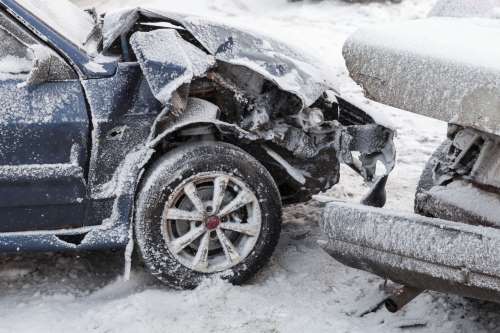
Car accidents come in many forms, but one type that often catches drivers off guard is the spin-out accident. Unlike typical rear-end or intersection crashes, spin-outs involve a vehicle losing traction or control and rotating erratically before striking another object or leaving the roadway. These crashes can occur in a moment, especially under wet, snowy, icy, or high-speed conditions, and can lead to severe injuries or fatalities.
At John J. Malm & Associates, we focus exclusively on representing individuals and families who have been seriously injured due to negligence. With decades of combined litigation experience, our firm has built a reputation throughout Illinois for meticulous case preparation, strategic negotiation, and aggressive courtroom advocacy when necessary. We understand that a serious crash, especially a sudden and traumatic event like a spin-out accident, can disrupt every aspect of your life, from your physical health to your financial stability. That is why we approach every case with precision, urgency, and a commitment to maximizing recovery for our clients. When insurance companies attempt to minimize claims or shift blame, we rely on detailed investigation, accident reconstruction analysis, and proven legal strategy to protect our clients’ rights and pursue the full compensation they deserve.
“Spin-out accidents are not random misfortune, they are often the result of a combination of controllable factors such as speed, road conditions, and driver reactions. After a crash, determining liability requires a careful analysis of every contributing element, from tire condition to roadway design,” says John J. Malm, an experienced Illinois car crash attorney. “Understanding these dynamics can make the difference between an avoidable tragedy and a preventable incident.”
What Is a Spin-Out Accident?
A spin-out accident occurs when a vehicle suddenly loses traction on one or more wheels, causing it to rotate uncontrollably. This loss of control can happen on highways, secondary roads, or even in urban streets. Spin-outs are not technically a separate category in national crash reporting systems, but they are typically part of run-off-road and single-vehicle collision statistics, where the vehicle departs its lane due to loss of directional stability.
Commonly involved situations include:
- Slippery road surfaces (wet pavement, ice, water)
- Overcorrection by the driver
- Speeding or sudden braking
- Sharp maneuvers
- Mechanical issues (e.g., worn tires)
Spin-outs frequently precede other serious crash outcomes such as rollovers, fixed object collisions, or multi-vehicle collisions.
Key Statistics on Spin-Out and Loss-of-Control Crashes
While specific nationwide statistics on “spin-outs” per se are not separately tabulated, data on roadway departure crashes and rollovers (which often involve loss of traction and control) provide important context for understanding the risks:
- Roadway departure crashes, those in which a vehicle leaves its travel lane, account for a disproportionate share of fatal crashes despite being a minority of all crash types. These crashes often involve loss of control prior to impact.
- Rollover crashes, a severe subtype of loss-of-control collisions, accounted for approximately 1.4% of all traffic crashes in the U.S. in 2022, with 81,596 rollovers reported, resulting in 2,735 fatalities and 50,327 injuries that year, according to the NHTSA.
- Nearly 1 in 3 passenger vehicle deaths in 2022 involved rollover crashes, demonstrating how dangerous loss of traction and control can be at higher speeds or unstable conditions.
- 85% of rollover-related fatalities occur in single-vehicle crashes, underscoring that spin-outs and control loss often escalate without a second vehicle.
- Vehicles with higher centers of gravity (pickup trucks, SUVs) are disproportionately represented in rollover and spin-out events because their dynamics make them more prone to instability in loss-of-control situations.
These figures illustrate that while total crash counts involving spin-outs or roadway departures may be relatively low compared to all collisions, their consequences in terms of injuries and fatalities are significant.
Primary Causes of Spin-Out Crashes
Understanding the causes behind spin-outs is vital for prevention, driver training, and legal analysis after an accident. Common contributing factors include:
1. Adverse Weather Conditions
Slippery roads, from rain, snow, ice, or black ice, significantly reduce tire traction, increasing the likelihood of spin-outs. When a tire suddenly loses surface grip, the vehicle can pivot or yaw uncontrollably, especially during braking or lane changes.
2. Speeding and Sudden Maneuvers
High speeds reduce the time and space a driver has to react to changes in road or traffic conditions. Excessive speed compounds the risk of overcorrection and loss of control, particularly during abrupt turns or lane adjustments.
3. Tire and Mechanical Issues
Worn tires, improper tire pressure, or mechanical failures (e.g., brake system malfunctions) impair a vehicle’s ability to maintain stable traction, increasing spin-out risk. Tire blowouts, for example, can instantly transfer steering dynamics in unpredictable ways.
4. Driver Error
Overcorrection by steering too sharply in response to a skid is a common driver error that frequently turns a minor loss of control into a full spin-out. According to some crash analyses, overcorrection is a major contributor in a notable share of loss-of-control incidents.
5. Roadway Design and Obstacles
Sharp curves, poor drainage, uneven pavement, and the presence of guardrails or obstacles at the road shoulder can escalate a minor skid into a severe crash.
Why Spin-Out Accidents Are So Dangerous
Spin-out accidents differ from many other collisions because they often occur without warning and leave little time for corrective action. Several factors contribute to their severity:
- High likelihood of secondary impacts: A vehicle that spins often departs its lane and strikes a barrier, tree, another vehicle, or overturns.
- Injury severity: Collisions following spin-outs, especially rollovers, frequently involve serious injuries such as traumatic brain injuries, spinal cord damage, and internal trauma.
- Ejection risk: In rollover sequences, occupants not wearing seatbelts are at significantly higher risk of ejection, which greatly increases fatality likelihood.
- Rapid dynamics: Loss of control happens in fractions of a second, often under conditions (wet roads, high speed) that simultaneously limit traction and handling.
Due to these dynamics, spin-outs and related loss-of-control crashes are among the more complex and damaging crash types on U.S. roads.
Typical Conditions and Scenarios for Spin-Outs
Spin-out accidents often occur under specific sets of conditions:
Wet or Icy Surfaces
Rain, sleet, or snow reduces tire traction, making basic lane control difficult and increasing the risk of skidding when changing direction or braking.
Rural Highways
Higher posted speeds, limited lighting, and a lack of median barriers on rural roads create environments where loss of control often leads to severe outcomes.
Highway On-Ramps and Off-Ramps
Transitions in road geometry combined with speed differentials can trigger instability in vehicles, especially when drivers misjudge merging speeds.
Legal Implications of Spin-Out Crashes
From a legal perspective, spin-out accidents often involve questions about negligence, roadway conditions, and driver behavior. Liability analysis can include:
Driver Negligence
If a driver’s behavior, such as speeding or distracted driving, contributed to a loss-of-control spin-out, that driver may be found partially or wholly at fault.
Roadway or Municipality Liability
In some cases, hazardous road conditions (e.g., unmarked curves, lack of warning signage) can create shared or sole liability for governmental entities if maintenance or design contributed to the crash.
Vehicle Defects
Mechanical failures such as tire blowouts or brake defects can be grounds for product liability claims if a defect caused or exacerbated a spin-out.
Frequently Asked Questions about Spin-Out Accidents
Q: Are spin-out accidents common?
A: Spin-outs are less common than rear-end or intersection crashes, but they often involve run-off-road or loss-of-control dynamics, which are associated with a disproportionately high share of severe injuries and fatalities.
Q: How do weather conditions affect spin-outs?
A: Wet, icy, or snowy conditions reduce traction significantly. A vehicle’s tires can lose contact with the road surface, leading to either a slide or uncontrolled rotation, a primary precursor to spin-outs.
Q: Do modern vehicles help prevent spin-outs?
A: Yes. Technologies like Electronic Stability Control (ESC) and traction control can significantly reduce spin-out risk by automatically adjusting braking and power delivery to maintain directional control.
Q: What injuries are common in spin-out crashes?
A: Severe injuries, including traumatic brain injury, spinal fractures, and internal trauma, are common, particularly if a spin-out transitions into a rollover or high-speed impact with roadside objects.
Q: Is speed always a factor?
A: Speeding significantly increases the likelihood of losing traction and control, especially in poor conditions.
Q: Can drivers reduce liability after a spin-out crash?
A: Documenting weather conditions, tire and vehicle maintenance records, and any roadway hazards can help clarify liability issues in legal contexts.
Contact the Experienced Illinois Spin-Out Car Accident Attorneys at John J. Malm & Associates
Spin-out car accidents represent a severe and complex class of roadway collisions. While they may occur under a variety of conditions, the common thread is a sudden loss of vehicle control, often on wet, icy, or otherwise compromised surfaces. Given the complex nature of these crashes, legal analysis after a crash must consider all contributing factors, including driver behavior, equipment condition, and roadway design.
If you or a loved one has been involved in a spin-out crash that resulted in injury, understanding your legal rights is crucial. You don’t have to navigate the aftermath alone. Our Illinois car accident lawyers can help you assess liability, pursue compensation for medical bills and lost wages, and hold negligent parties accountable.
Take action now: contact John J. Malm & Associates for a free consultation if you’ve been hurt in a crash. Together, we can work toward safer roads and better outcomes for all drivers.