

EXPERIENCED PERSONAL INJURY ATTORNEYS










Illinois Snow-Related Car Accident Lawyers
5-Star Rated Attorneys for People Injured in Crashes Caused By Snow and Ice
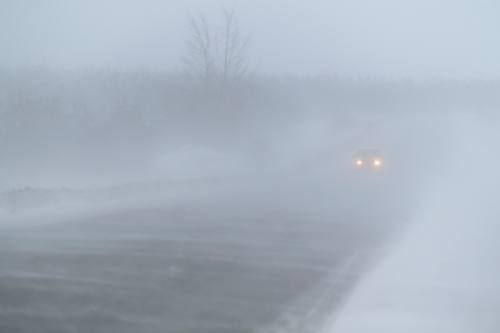
Winter weather brings unique hazards to roads across the United States and especially in Midwestern states like Illinois. Snow, ice, freezing rain, and slush dramatically alter traction, visibility, and driver response time, increasing the likelihood of car accidents. Snow-related car accidents account for thousands of crashes, injuries, and fatalities each year. Understanding the dangers of winter driving, the contributing factors to snow-related collisions, and steps you can take to protect yourself and your family is critical for every driver.
At John J. Malm & Associates, we are dedicated to standing up for individuals and families whose lives have been disrupted by serious accidents and preventable negligence. For decades, our firm has built a reputation throughout Illinois for meticulous case preparation, aggressive advocacy, and compassionate client service. We understand that behind every injury claim is a person facing pain, uncertainty, and financial stress, and we take that responsibility seriously. From the first consultation through resolution, our Illinois car accident injury attorneys focus on protecting our clients’ rights, uncovering the truth, and pursuing the full and fair compensation they deserve.
The Scope of Snow-Related Car Accidents
Weather plays a major role in traffic safety. According to the Federal Highway Administration (FHWA), approximately 22 percent of all vehicle crashes each year are weather-related, with snowy, icy, and slushy conditions contributing to a significant share of these incidents.
National Winter Driving Statistics
Winter weather dramatically affects driving conditions throughout the United States:
- 17 percent of all vehicle crashes occur on snowy or icy roads.
- Each year, over 1,300 deaths and more than 116,000 injuries are attributed to crashes linked to snow, sleet, and ice.
- Nationally, over 101,000 police-reported crashes occur annually on snowy or slushy pavement.
- In snowy conditions, drivers can experience up to 30 to 40 percent reductions in average travel speeds due to reduced traction and visibility.
Illinois and Midwest Winter Crash Data
In states like Illinois, Michigan, Wisconsin, and Indiana, winter storms have an outsized influence on crash frequency and severity. For example:
- Illinois averages more than 5,000 crashes each winter season due to snow and ice conditions.
- In winter months, weather-related incidents such as road closures and pileups occur frequently, especially during major snowstorms that affect the Midwest region. For instance, recent storms have contributed to hundreds of crashes in and around Chicago during peak holiday travel periods.
These numbers illustrate that snow-related car accidents are not rare outliers but a recurring public safety issue, particularly in regions that experience regular winter weather.
Why Snow and Ice Increase Crash Risk
Snow, ice, and slush create multiple hazards that can transform even routine driving into a high-risk scenario. These conditions affect both vehicle performance and driver reaction time.
Reduced Traction and Control
Snow and ice reduce the friction between tires and the road surface. When traction is compromised:
- Braking distances increase significantly.
- Vehicles are more likely to skid.
- Turning and steering responses are delayed.
Drivers who do not adjust their speed and following distance to account for slick pavement often lose control, leading to collisions.
Limited Visibility
Snowfall and blowing snow can dramatically reduce visibility, making it difficult for drivers to see:
- Other vehicles
- Road signs
- Pedestrians
- Road hazards such as stalled cars
Even experienced drivers can misjudge stopping distances or fail to notice hazards in snowstorms, which contributes to crash risk.
Rapid Weather Changes
Winter weather conditions can change rapidly. A road that was clear in the morning can become hazardous within minutes due to:
- Sudden snowfall
- Freezing rain
- Temperature drops that create ice
Unpredictable conditions require constant driver vigilance and careful vehicle handling.
Common Types of Snow-Related Car Accidents
Snow and ice can contribute to a variety of crash types. Some of the most frequent include:
- Single-vehicle run-off-road collisions where the driver loses control and slides off the roadway.
- Rear-end collisions caused by inadequate stopping distance on slippery surfaces.
- Multi-vehicle pileups on highways during heavy snow or whiteout conditions, where multiple cars collide due to limited visibility or sudden stops.
- Intersection crashes caused by sliding through intersections or failing to stop on icy pavement.
- Rollovers when vehicles, especially SUVs and trucks, lose traction and tip during abrupt maneuvers.
These crash types can result in serious injuries or fatalities, even at relatively low speeds, due to the high-impact forces involved in multi-vehicle collisions and the vulnerability of vehicle occupants.
Contributing Factors to Snow-Related Crashes
Snow-related car accidents rarely have a single cause. They typically result from a combination of factors:
Driver Behavior and Decision-Making
- Excessive speed for conditions: drivers who fail to reduce speed during snow or ice dramatically increase the risk of losing control.
- Inadequate following distance: failing to allow extra space between vehicles makes rear-end impacts more likely.
- Distracted driving: activities like texting, adjusting climate controls, or managing navigation can divert attention when road conditions demand full focus.
Vehicle Factors
- Inappropriate tires: standard all-season tires may not provide sufficient traction in deep snow or icy conditions.
- Poor maintenance: worn brakes, insufficient windshield fluid, and weak batteries can exacerbate the dangers of winter driving.
Environmental and Roadway Conditions
- Black ice: a thin, transparent layer of ice that forms on road surfaces and is difficult to detect, significantly increasing crash risk.
- Snow drifts and unplowed roads: roads that are not cleared promptly after a snowfall pose hazards for drivers unfamiliar with local conditions.
- Temperature fluctuations: freezing and thawing cycles can create patchy ice that catches drivers off guard.
Recognizing how these factors interact can help drivers prepare and respond more effectively when winter weather strikes.
Legal Issues in Snow-Related Car Accidents
If you are involved in a snow-related crash, determining liability and legal responsibility can be complex. Weather alone does not absolve a negligent driver of responsibility. Key legal considerations include:
Duty of Care
All drivers have a legal obligation to operate their vehicles safely under existing road and weather conditions. Courts and insurance companies assess whether:
- The driver exercised reasonable care given the conditions.
- The driver’s speed was appropriate for the road at the time.
- Proper safety precautions were taken.
Comparative Fault
In some snow-related crashes, more than one party may be partially responsible. Illinois follows a comparative fault system, meaning compensation may be reduced based on the claimant’s percentage of responsibility. Consulting an experienced Illinois car accident attorney can clarify how these principles apply to your case.
Crash Documentation
Strong evidence is essential in winter weather collisions. This may include:
- Police reports
- Photographs of the scene
- Weather and road condition reports
- Vehicle damage assessments
Prompt documentation helps preserve critical evidence, particularly in multi-vehicle pileups or severe weather situations.
Naperville car accident attorney John J. Malm emphasizes: “In snow-related crashes, evidence can disappear quickly: tire marks wash away, weather conditions change, and witnesses disperse. Acting quickly to preserve police reports, electronic data, and witness statements is essential to holding negligent drivers accountable and securing full compensation for victims.”
Frequently Asked Questions about Car Accidents Caused By Snow
Q: What qualifies as a snow-related car accident?
A: A snow-related car accident is a collision in which snow, ice, or slush on the roadway contributed to loss of vehicle control, reduced visibility, or other hazardous conditions that led to the crash.
Q: Are snow-related accidents common?
A: Yes. Snowy and icy conditions contribute to a significant number of crashes annually. Nearly 17 percent of all vehicle collisions occur during snowy or icy conditions nationwide.
Q: Can I still recover damages if I was driving in snowy conditions?
A: Yes. Driving during snow does not inherently bar a claim, but courts and insurers will assess whether you and the other driver exercised reasonable care given the conditions.
Q: What compensation can I seek after a snow-related crash?
A: Compensation may include medical expenses, lost wages, vehicle repair costs, pain and suffering, and, in some cases, punitive damages if egregious negligence is proven.
Q: Do I need a lawyer for a snow-related accident?
A: An attorney can be critical in navigating complex liability issues, preserving evidence, and negotiating with insurance companies to maximize recovery.
Contact the Trusted Illinois Snow-Related Car Accident Attorneys at John J. Malm & Associates
Snow-related car accidents present serious risks that require both awareness and legal insight. With tens of thousands of crashes and over a thousand deaths linked to snowy and icy conditions each year, the danger of winter weather on roads cannot be overstated. Drivers must adapt their behavior, and vehicles must be properly equipped to navigate winter conditions, but even the most cautious drivers can be injured due to others’ negligence.
If you or a loved one has been injured in a snow-related car accident in Illinois, you deserve experienced legal representation. At John J. Malm & Associates, we understand how deeply winter collisions can disrupt lives. Our legal team is prepared to review your case, gather evidence, and pursue the compensation you need for medical care, lost income, and future recovery.
Contact our firm today for a consultation. Do not wait; evidence disappears, and deadlines apply. Let our dedicated Illinois snow and ice car accident attorneys fight on your behalf while you focus on healing. Your recovery matters, and we are here to protect your rights and pursue justice.