

EXPERIENCED PERSONAL INJURY ATTORNEYS














Illinois Rural Car Accident Lawyers
5-Star Rated Injury Attorneys for Accidents on Rural Roads
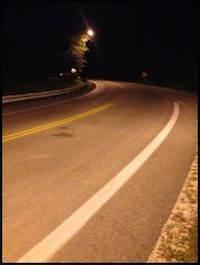
Car accidents on rural roads throughout Illinois present a serious and persistent public safety issue. Although rural areas tend to have fewer vehicles and lower traffic volumes than urban centers like Chicago or Naperville, the crash patterns and consequences in rural counties often differ markedly. Rural roadways in Illinois, which include two-lane highways, country roads, and rural collectors, pose unique risks due to higher speeds, limited road infrastructure, longer emergency response times, and a greater proportion of roadway departure crashes.
Rural car accidents raise important legal considerations. Investigating what caused a crash often requires detailed reconstruction of the collision scene, analysis of road design, and examination of driver conduct. When poor road conditions, lack of proper signage, or defective vehicle components contribute to a serious or fatal crash, victims and families may be entitled to compensation for their losses.
As John J. Malm, Illinois car crash attorney, says: “In rural crashes, hidden hazards on the roadway often amplify the consequences of driver errors. We look beyond the surface to identify every factor that contributed to an accident and to hold negligent parties accountable on behalf of victims and their families.”
How Prevalent Are Rural Car Accidents in Illinois?
Each year, the Illinois Department of Transportation (IDOT) publishes detailed crash statistics, including breakdowns by type of road. In the most recent data:
- In 2024, 303,913 total traffic crashes occurred statewide. Of those, 35.34 % occurred on rural roads, accounting for more than one-third of all reported crashes in Illinois.
- Rural roads also accounted for a disproportionate number of serious events: 28.66 % of all fatal crashes in Illinois in 2024 occurred on rural roadways.
These figures tell a clear story: even though rural areas have lower overall traffic density, they still account for a significant share of serious and fatal collisions. Similar trends appeared in prior years, for example, 37.5 % of crashes occurred on rural roads in 2022 and 38 % in 2021.
Why Rural Roads Are Risky
Rural roadways often present a distinct set of hazards compared with urban or suburban streets. These include:
1. Higher Travel Speeds
Rural highways and country roads commonly have speed limits above 55 mph. At these speeds, drivers have less time to react to unexpected hazards, such as slow vehicles, animals, sudden curves, or debris, and crash forces are significantly greater.
2. Limited Roadway Infrastructure
Many rural roads lack:
- Medians or divided lanes
- Wide shoulders or safe recovery zones
- Guardrails or roadside barriers
- Adequate lighting
These missing features increase the likelihood that a vehicle leaving the travel lane will collide with fixed objects or roll over.
3. Roadway Departure Crashes
Nationwide data shows that in rural communities, a larger share of fatalities result from roadway departure crashes, when a vehicle leaves the travel lane and strikes an object or overturns. These types of crashes are exacerbated by gravel shoulders, narrow lanes, and limited clear zones.
4. Emergency Response Challenges
Because rural counties are geographically larger with fewer nearby emergency resources, response times to crash scenes may be longer than in urban areas. Longer delays before first responders arrive often lead to worse outcomes for seriously injured crash victims.
5. Visibility and Environmental Hazards
Rural driving conditions can include limited lighting, blind curves, hills, wildlife crossings, and agricultural equipment shared on roadways, all of which increase crash risk.
Common Types of Rural Crashes
Rural car accidents in Illinois often fall into several distinct categories:
Roadway Departure Collisions
These involve vehicles leaving the travel lane and hitting ditches, trees, poles, or embankments. Factors such as fatigue, distraction, or evasive maneuvers on narrow roads can contribute.
Head-On and Angle Crashes
On undivided two-lane rural roads, head-on and broadside (T-boning) collisions are more likely than on controlled-access highways due to passing maneuvers and lack of medians.
Single-Vehicle Crashes
Single-vehicle crashes, where only one vehicle is involved, are more common in rural areas than urban, often due to roadway departure, speed, or loss of control.
Multiple-Vehicle Crashes
Although less frequent in low-traffic rural settings, multiple-vehicle collisions still occur, especially at intersections or on rural highways with higher speeds.
Illinois Rural Crash Statistics
To understand the impact of rural car accidents, consider several recent statistical snapshots:
Overall Crash Distribution
- In 2024, rural roads accounted for more than 107,000 total crashes in Illinois, which was 35.34 % of all statewide crashes.
- Fatal crashes on rural roads (311) made up 28.66 % of all fatal crashes statewide.
National Context
While statewide data highlight Illinois figures, national data help underscore rural risk:
- Over recent years, more than 83,000 people died on U.S. rural roadways from 2017 through 2021, accounting for approximately 43 % of all roadway deaths despite rural residents comprising only about 20 % of the U.S. population.
Fatality Rates on Illinois Rural Roads
Independent reports indicate that the fatality rate on non-interstate rural roads in Illinois was nearly double the statewide average on all road types in 2022, at 2.19 fatalities per 100 million vehicle miles traveled versus 1.06 overall. That placed Illinois among states with relatively higher rural fatality rates nationally.
Who Is Most at Risk on Rural Roads?
While anyone driving in rural areas can be involved in a crash, certain patterns emerge from crash data:
- Higher travel speeds common on rural highways elevate crash severity.
- Young drivers (especially teenagers) and older adults are disproportionately represented in serious and fatal crashes.
- Unrestrained occupants are significantly more likely to sustain severe injury or death in a rural crash, where the force of impact is higher.
- Pedestrians and cyclists on rural roads without sidewalks or bike facilities face greater risk due to speed and lack of protective infrastructure.
Drivers in rural areas also face higher risks during adverse weather conditions and at night, when visibility is reduced, and road markings may be harder to see.
Rural Crash Consequences: Beyond the Numbers
The statistics only tell part of the story. A rural car accident can leave individuals with:
- Life-altering injuries requiring long hospital stays and rehabilitation.
- Lost income due to disability or prolonged recovery.
- Emotional trauma for victims and their families.
- Financial burdens including medical bills and property damage.
For many rural families, the effects of a serious car accident extend far beyond the crash scene.
Frequently Asked Questions About Rural Car Accidents in Illinois
Q: Are rural car accidents more deadly than urban crashes?
A: Yes. Data indicate that fatal accidents occur at higher rates on rural roads compared to urban roads, in part due to higher speeds, limited infrastructure, and slower emergency response times.
Q: What time of day is most dangerous on rural roads?
A: Nighttime and early morning hours tend to be more dangerous due to reduced visibility and increased fatigue.
Q: Do rural roads have higher rates of unrestrained occupants?
A: Rural fatality data show a higher percentage of crash victims are unrestrained compared to urban settings, which correlates with increased severity.
Q: How can I protect myself as a rural driver?
A: Driving the speed limit, staying alert, and using safety restraints are among the most effective ways to reduce your crash risk.
Contact the Seasoned Rural Car Accident Attorneys at John J. Malm & Associates
Rural car accidents in Illinois are more than just statistics; each represents real people whose lives have been profoundly affected. Although rural areas might seem quiet and peaceful, the inherent dangers of high speeds, limited infrastructure, and challenging driving environments make these roads unforgiving. With a significant share of serious and fatal crashes occurring on rural roadways, drivers must exercise caution.
If you or someone you love has been injured in a rural car accident in Illinois, you deserve experienced legal representation. Our team of experienced Illinois rural crash attorneys is dedicated to thoroughly investigating what happened, identifying all responsible parties, and pursuing full and fair compensation for your injuries, lost wages, and pain and suffering.
Contact John J. Malm & Associates today for a free consultation. We are here to listen, guide you through your legal options, and fight for the justice and recovery you deserve.