

EXPERIENCED PERSONAL INJURY ATTORNEYS













Illinois Rain-Related Car Accident Lawyers
Award-Winning Attorneys for Crashes Caused By Rain and Wet Roads
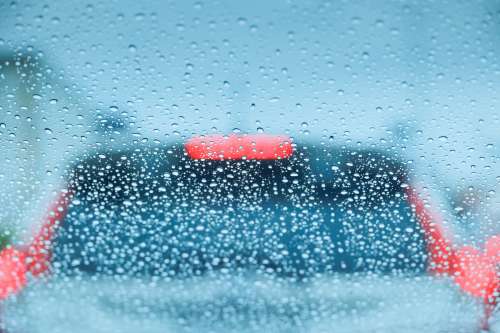
Rain is one of the most common natural causes of motor vehicle accidents in the United States. Although rain is essential for life, it also creates hazardous driving conditions that significantly increase the likelihood of collisions, injuries, and fatalities. Understanding how rain contributes to crashes, what risk factors are involved, and how to respond to these incidents can help protect drivers and passengers, and when negligence is involved, strengthen claims for compensation.
According to the Federal Highway Administration, nearly one-quarter of all weather-related vehicle crashes in the U.S. occur during rainfall. In total, rain contributes to more than 700,000 vehicle crashes annually, resulting in tens of thousands of injuries and thousands of deaths. These numbers underscore the very real dangers that rain poses on roads and highways nationwide.
How Rain Causes Car Accidents
Rain affects driving safety in several interrelated ways:
Reduced Traction and Hydroplaning
- Water on the road surface reduces tire traction, making it harder to stop or change direction.
- At higher speeds, even as slow as 35 mph on a wet road, a vehicle can hydroplane, meaning the tires lose contact with the pavement and glide on a thin layer of water.
- Hydroplaning makes steering, braking, and maintaining control extremely difficult.
Lower Visibility
Rain decreases visibility by:
- Blurring windshields
- Reducing street light and headlight effectiveness
- Causing glare from reflections on wet pavement
Poor visibility reduces drivers’ ability to identify hazards, judge distances, and respond in time.
Longer Stopping Distances
On wet pavement, stopping distances can increase by up to 18% or more, depending on speed, tire condition, and rain intensity. Wet roads combined with tailgating or distracted driving dramatically increase the likelihood of rear-end collisions.
Debris and Standing Water
Rain washes debris, leaves, and sediment onto roadways. In some areas, water can pool in potholes or uneven pavement, risking loss of control, especially for motorcycles and smaller vehicles.
Rain-Related Crash Statistics
Understanding the scale of rain-related crashes highlights why caution and preparation are so important:
- 24% of weather-related crashes occur on rainy roads, far more than on snowy, icy, or foggy roads.
- Rain contributes to more than 700,000 crashes annually in the U.S.
- Annual fatalities from rain-related crashes exceed 6,000, and hundreds of thousands of people are injured.
- Rain is a factor in approximately 46% of all weather-related vehicle fatalities.
In Illinois specifically, where rainstorms are common in spring and fall, wet roads contribute to a significant portion of annual crashes. Although specific statewide rain-related crash statistics vary year to year, the general trend mirrors national patterns: rain substantially increases crash risk and severity.
Common Types of Rain-Related Car Accidents
Rain often contributes to certain crash patterns:
Rear-End Collisions
When drivers fail to adjust speed for wet conditions, they may not leave adequate stopping distance, resulting in rear-end crashes.
Hydroplaning-Related Loss of Control
Vehicles that hydroplane can spin out or collide with barriers, guardrails, or other vehicles.
Intersection and Turning Accidents
Rain reduces tire grip and visibility, making it harder to brake or accelerate safely during turns.
Multi-Vehicle Pileups
Highway rainstorms can create sudden slowdowns where following vehicles cannot react in time, leading to multi-vehicle crashes.
Road Departure Crashes
Rain can wash out road shoulders or conceal dangerous conditions, leading to vehicles leaving the roadway.
Factors That Increase Car Crash Risk in Rain
Rain alone makes driving more hazardous, but certain conditions and behaviors further heighten the danger:
Speeding
Higher speeds amplify hydroplaning risk and reduce reaction time. A small amount of water can lift tires off the road surface at speeds above 35–40 mph.
Poor Tire Condition
Worn tires with shallow tread cannot channel water away effectively, reducing traction and increasing hydroplaning risk.
Distracted Driving
Drivers using phones, adjusting radios, or otherwise not paying full attention have slower reaction times, especially in changing road conditions.
Nighttime Rain
Visibility is already limited at night; rain compounds the problem by reflecting headlights and street lights, further reducing the ability to see road hazards.
Fatigue and Impairment
Drivers who are tired or under the influence of alcohol or drugs are significantly more likely to misjudge wet road conditions and fail to react appropriately.
What to Do After a Rain-Related Crash
Even the most cautious drivers can be involved in a rain-related collision. Knowing what to do after a crash helps protect your safety and preserves evidence for possible legal claims.
Safety First
- Move to a safe location if possible without leaving the accident scene.
- Check yourself and passengers for injuries and call 911 if needed.
- Turn on hazard lights to alert other drivers.
Document the Scene
- Take photos and videos of vehicles, damage, road conditions, weather, and any relevant debris.
- Write down or record witness information: names, phone numbers, and accounts of what happened.
Report the Crash
- Notify law enforcement and obtain a police report number and officer contact information.
- Notify your insurance company promptly.
Seek Medical Attention
- Even if you feel fine, see a medical professional. Some injuries (e.g., whiplash, internal injuries) may not appear immediately.
Preserve Evidence
- Do not repair your vehicle before documenting the damage if possible.
- Keep clothing, eyewear, or other items with visible damage.
Legal Aspects of Rain-Related Crashes
Weather conditions do not by themselves determine fault. Instead, negligence is judged by whether a driver acted reasonably under the circumstances.
Duty of Care
Every driver has a legal duty to operate their vehicle with reasonable care for others’ safety. Rain increases the standard of care, and drivers are expected to:
- Slow down appropriately
- Adjust for reduced visibility
- Maintain a safe following distance
Failing to take these precautions can be considered negligent even if rain contributed to the crash.
Shared Fault
In many states (including Illinois), comparative negligence laws allow fault to be allocated among drivers. Even if you were partly at fault, you may still recover compensation reduced by your percentage of fault.
Evidence Matters
Key evidence in rain-related crash claims includes:
- Police reports
- Photographs of the scene
- Weather reports
- Vehicle damage
- Witness statements
- Expert testimony on road conditions
As veteran Naperville injury attorney John J. Malm explains,
“In rain-related crash cases, documentation of conditions and timely investigation can mean the difference between a successful claim and one that is denied or undervalued. Rain may be a factor, but negligent driving is always a choice.”
Common Misconceptions About Rain and Crashes
Misconception: “Rain Makes Crashes Inevitable”
Reality: Rain increases risk, but cautious drivers can significantly reduce their chances of being involved in a crash.
Misconception: “If Both Drivers Were in the Same Conditions, No One Was at Fault”
Reality: Even in the same weather, one driver may act negligently by speeding, tailgating, or failing to use lights.
Misconception: “Insurance Will Automatically Pay”
Reality: Insurance companies may dispute claims, minimize payouts, or argue fault. Solid documentation and legal support help protect your rights.
Steps Your Illinois Car Accident Attorney Will Take
After you hire a personal injury attorney to represent you in your rain-related crash, they will:
- Obtain and analyze the police report
- Collect weather and road condition data
- Secure witness statements
- Consult crash investigation experts
- Document your injuries and financial losses
- Negotiate with insurance companies
- Prepare for litigation if needed
The goal is to maximize your compensation for medical bills, lost wages, pain and suffering, and other damages.
FAQs About Rain-Related Car Accidents
Q: Does rain automatically make a crash my fault?
A: No. Rain increases risk for all drivers. Fault depends on whether a driver failed to exercise reasonable care given the conditions.
Q: Should I call the police after a rain-related accident?
A: Yes. A police report provides an official record that strengthens insurance claims and legal cases.
Q: How can I prove the road was slippery due to rain?
A: Weather records, photos showing wet pavement, and witness testimony can help establish conditions.
Q: What if the other driver’s insurance denies my claim?
A: An experienced attorney can appeal the denial, present additional evidence, and negotiate for fair compensation.
Q: Can I still recover if I was partially at fault?
A: Yes. Under comparative negligence laws, you can recover damages reduced by your share of fault.
Q: Is hydroplaning always foreseeable?
A: Yes, drivers are expected to adjust for wet conditions. Insurance and courts often consider hydroplaning avoidable with reasonable care.
Contact the Top-rated Illinois Rain Car Accident Attorneys at John J. Malm & Associates
Rain-related car accidents are common and can lead to serious injuries, mounting medical costs, and long-term consequences for victims and their families. Acting quickly after a collision by documenting the scene, preserving evidence, seeking medical care, and consulting an experienced attorney can meaningfully impact the strength of your claim.
If you or a loved one has been injured in a rain-related crash, you deserve justice and fair compensation, regardless of what the insurance company may say. These cases often involve complicated evidence, from weather reports and skid patterns to witness accounts and comparative fault issues. The right legal team can help you navigate the process with confidence and clarity.
Contact John J. Malm & Associates today for a free consultation. We will review your case, explain your options, and fight to protect your rights. Do not let weather or insurance companies stand between you and the compensation you deserve.