

EXPERIENCED PERSONAL INJURY ATTORNEYS











Illinois Loss of Control Car Accident Lawyers
Attorneys for People Injured in Single Vehicle and Multi-Vehicle Crashes When A Driver Loses Control
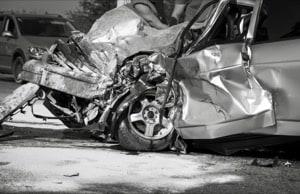
Loss of control car accidents occur when a driver cannot maintain control of their vehicle’s direction or speed. These crashes often lead to rollovers, run-off-road collisions, and impacts with fixed objects or other vehicles. Because they frequently involve high speeds, adverse conditions, or driver error, loss of control accidents are among the most dangerous types of motor vehicle collisions.
At John J. Malm & Associates, we have built our reputation on relentless advocacy for injured victims and their families throughout Illinois. For decades, we have stood up to insurance companies, corporate defendants, and negligent drivers who try to minimize responsibility after serious crashes. Our Illinois car accident attorneys combine meticulous case preparation, deep knowledge of Illinois personal injury law, and proven courtroom experience to pursue full and fair compensation for our clients. When someone is hurt in a loss of control car accident, we understand that it’s not just about repairing a vehicle; it’s about restoring stability, protecting your future, and demanding accountability from those at fault.
“Loss of control accidents are often the result of split-second decisions and preventable risk factors. Every driver should recognize that safe driving habits are not just good practices, they can be lifesaving.” — John J. Malm, Naperville car accident lawyer
Overview of Loss of Control Accidents
A loss of control accident broadly refers to any crash where the driver is unable to steer or stabilize a vehicle before impact. This can lead to:
- Run-off-road collisions: Vehicles leaving the roadway and striking fixed objects, rolling over, or overturning.
- Spin-outs: Vehicles spinning uncontrollably due to excessive speed, traction loss, or evasive maneuvers.
- Rollovers: Accidents where the vehicle flips onto its roof or side, often resulting in severe injury or fatality.
Loss of control tends to occur when drivers fail to adjust to conditions, exceed safe road speeds, or react too late to hazards.
The Scope of the Problem
Car accidents remain a major public safety concern in the U.S. and Illinois.
National and Global Data
- In 2023, there were 43,273 motor vehicle deaths in the United States, making auto collisions a leading cause of accidental death.
- Worldwide, approximately 1.19 million people die each year in road traffic crashes, and tens of millions more are injured.
Illinois & Local Context
- In Illinois, nearly 300,000 crashes were reported in 2023, with about 1,240 fatalities statewide.
- On average, the state sees roughly 820 traffic crashes each day, illustrating how frequently collisions occur.
Loss of Control and Run-Off-Road Crashes
- Run-off-road collisions, a type of loss of control crash, accounted for over half of all fatal single-vehicle crashes in the U.S. in the years studied by the Federal Highway Administration (FHWA).
- Loss of control resulting in roadway departure contributed to 31% of fatal crashes, indicating how dangerous these events are when they occur.
Rollover Accidents
- Although only about 3% of all motor vehicle crashes involve rollovers, they account for approximately 30% of all vehicle occupant deaths due to the severity of these impacts.
These figures highlight that while loss of control collisions are not the most frequent types of crashes, they disproportionately account for severe injuries and fatalities.
Common Causes of Loss of Control Crashes
A loss of control crash can result from a range of factors involving driver behavior, environmental conditions, and vehicle issues. Some of the most significant include:
Human Factors
Human error is the overwhelming cause of most motor vehicle accidents, including loss of control events.
- Up to 94% of all vehicle crashes are caused by human error, such as distraction, poor decision-making, or performance errors.
- Speeding is involved in nearly 29% of all motor vehicle fatalities, and high speeds reduce a driver’s ability to maintain control.
Common human factors include:
- Speeding too fast for conditions
- Distracted driving (e.g., cell phone use)
- Driving under the influence of alcohol or drugs
- Fatigue or drowsy driving
- Inexperienced drivers reacting poorly to hazards
These behaviors reduce reaction times and make it harder to steer or brake effectively, resulting in loss of control.
Road & Weather Conditions
Environmental and roadway conditions contribute significantly to loss of control:
- Hydroplaning, ice, snow, and wet surfaces reduce tire traction, increasing the likelihood of skids and spin-outs.
- Potholes, debris, and poor roadway design can suddenly disrupt a vehicle’s stability.
- Sharp curves, blind turns, and inadequate signage can catch drivers off guard and lead to control loss.
When conditions change unexpectedly, many drivers fail to adjust their speed and steering appropriately.
Vehicle Mechanical Issues
While less common than human or environmental factors, vehicle problems can contribute to loss of control:
- Worn tires and brake failure impair stopping ability
- Steering or suspension problems reduce stability
- Sudden unintended acceleration can cause drivers to lose control of the acceleration and braking systems
Regular vehicle maintenance and safety checks are essential to reduce these risks.
Types of Loss of Control Crashes
Understanding common patterns can help illustrate how these accidents unfold.
Run-Off-Road Collisions
These occur when a vehicle leaves the road surface and:
- Strikes fixed objects (e.g., trees, poles)
- Rolls onto its side or roof
- Enters ditches or embankments
They often happen due to speeding, distraction, or misjudgment of road conditions. When vehicles leave the roadway, occupants lose the protection normally provided by the vehicle’s front and side structures.
Spin-Outs
Spin-outs occur when a vehicle’s rear or front end breaks traction, causing it to rotate uncontrollably. Factors contributing to spin-outs include:
- Slippery surfaces
- Abrupt steering inputs
- Sudden braking
- Overcorrection after deviation
Spin-outs at high speeds often lead to secondary collisions with other vehicles.
Rollover Crashes
Rollover accidents frequently result in catastrophic injuries because occupants may be ejected or the roof structure collapses.
Factors that increase rollover risk include:
- High centers of gravity in SUVs and trucks
- Sharp maneuvers to avoid obstacles
- Speeding into curves or uneven terrain
Rollover crashes disproportionately contribute to fatalities because occupants are more exposed to severe forces.
Who Is at Greatest Risk of Loss of Control Car Crashes?
Certain driver populations and scenarios are more prone to loss of control accidents:
- Young and inexperienced drivers often misjudge road conditions and oversteer at high speeds.
- Impaired drivers have reduced reaction times and judgment.
- Elderly drivers may have slower reflexes and difficulty responding to sudden hazards.
- Nighttime driving increases the risk due to reduced visibility.
Awareness of these risk factors can inform prevention strategies and targeted safety campaigns.
What to Do After a Loss of Control Collision
If you’re involved in a loss of control accident:
- Seek medical attention immediately.
- Document the scene (photos, witness statements).
- Get a police report.
- Preserve evidence of road or vehicle conditions.
- Contact an experienced Illinois car crash attorney if negligent behavior by another driver contributed to your injuries.
Loss of control accidents often involve complex factors that insurance companies may try to minimize. Having professional representation can ensure your rights and compensation are protected.
Frequently Asked Questions about Car Accidents Caused By Loss of Control
Q: What exactly is a loss of control accident?
A: It’s a crash where the driver cannot keep the vehicle steady in direction or speed, often leading to run-off-road collisions or rollovers.
Q: Are all loss of control crashes caused by driver error?
A: While driver error is a leading factor, environmental conditions and mechanical issues also contribute.
Q: Are rollovers common?
A: Rollover accidents account for a small percentage of crashes (about 3%), but a large share of fatalities, illustrating their severity.
Q: How can I protect myself from loss of control crashes?
A: By practicing defensive driving, maintaining your vehicle, and always adjusting for conditions.
Q: Can these accidents be prevented?
A: Many loss of control crashes are preventable through safe driving behaviors, vehicle upkeep, and roadway improvements.
Contact the Experienced Loss of Control Crash Attorneys at John J. Malm & Associates
Loss of control car accidents can have devastating effects: serious injuries, lasting disabilities, and even death. The statistics underscore a stark reality: these collisions remain pervasive and severe both in Illinois and nationwide.
Whether it’s speeding, distraction, adverse weather, or a mechanical malfunction, understanding how loss of control accidents occur can help prevent them. But when they do happen, victims deserve justice.
If you were injured in a loss of control car accident, don’t navigate the aftermath alone. Contact John J. Malm & Associates today for a consultation. Our trusted Illinois car accident lawyers can help you seek compensation for medical bills, lost wages, pain and suffering, and more.