

EXPERIENCED PERSONAL INJURY ATTORNEYS













Illinois Lane Change Car Accident Lawyers
Top-Rated Injury Attorneys for Victims of Side-Swipe Crashes
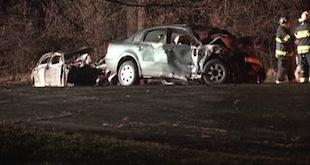
Changing lanes is one of the most common driving maneuvers on American roads. Drivers do it to pass slower vehicles, exit highways, merge into traffic, or avoid hazards. While it may seem routine, lane changes are also one of the most dangerous actions a driver can perform behind the wheel. A momentary lapse in attention or a failure to check blind spots can lead to a serious car accident.
Lane change accidents frequently occur on highways, busy suburban roads, and urban streets where vehicles are traveling at different speeds. These crashes can cause devastating injuries and significant property damage, especially when they occur at high speeds or involve multiple vehicles.
“Lane change accidents often happen in seconds, but the injuries they cause can last a lifetime,” says Naperville car accident attorney John J. Malm. “When a driver fails to check their blind spot or signals too late, the consequences can be devastating. Victims should not have to bear the financial burden of someone else’s careless driving.”
How Common Are Lane Change Car Accidents?
Lane change crashes occur far more frequently than many drivers realize. According to research from the National Highway Traffic Safety Administration (NHTSA), lane change or merge maneuvers account for approximately 9–10% of all highway crashes in the United States.
Transportation studies estimate that between 240,000 and 610,000 lane change crashes occur every year, with at least 60,000 people suffering injuries annually.
Some additional statistics highlight the scope of the problem:
- Approximately 530,000 lane change collisions occur annually in the United States.
- Lane change crashes account for roughly 4–10% of all reported traffic accidents.
- Between 224 and 732 fatalities per year are linked to lane-change related crashes.
- Research suggests that recognition failure (drivers not seeing another vehicle) is involved in up to 75% of lane change crashes.
These statistics show that lane change collisions are not rare events. In fact, they are one of the leading types of roadway accidents in the United States.
What Is a Lane Change Accident?
A lane change accident occurs when one vehicle moves from its current lane into another lane and collides with a vehicle already traveling in that lane or entering it at the same time.
Transportation researchers define lane change crashes as two-vehicle collisions in which one vehicle encroaches into the path of another traveling in the same direction on a parallel roadway.
These accidents can occur in a variety of situations, including:
- Highway lane changes
- Merging onto highways
- Passing slower vehicles
- Entering traffic from a shoulder or parking lane
- Weaving between lanes in heavy traffic
Because both vehicles are usually traveling in the same direction, the crash often occurs at high speeds, increasing the risk of severe injuries.
Common Causes of Lane Change Accidents
Most lane change accidents are preventable and occur because a driver fails to follow basic traffic safety rules. Several factors commonly contribute to these crashes.
Failure to Check Blind Spots
One of the most common causes of lane change accidents is a driver failing to check their blind spot before moving into another lane. Every vehicle has areas that cannot be seen using mirrors alone. If a driver fails to physically look over their shoulder before changing lanes, they may collide with a vehicle traveling beside them.
Distracted Driving
Distractions are a major cause of lane change crashes. Drivers who are texting, talking on the phone, adjusting navigation systems, or interacting with passengers may fail to notice another vehicle. When drivers are distracted, they may misjudge the speed or location of surrounding vehicles.
Failure to Use Turn Signals
Turn signals are designed to warn other drivers of an intended lane change. However, studies have shown that many drivers fail to signal before changing lanes. Without proper warning, nearby drivers may not have enough time to slow down or move to avoid a collision.
Aggressive Driving and Unsafe Passing
Some drivers weave through traffic or change lanes frequently in an attempt to move faster. These aggressive maneuvers significantly increase the risk of accidents.
Aggressive lane changes may include:
- Cutting off other vehicles
- Passing in heavy traffic
- Changing multiple lanes at once
- Tailgating before merging
Misjudging Speed and Distance
Drivers often underestimate how quickly another vehicle is approaching from behind. If a driver moves into another lane without leaving sufficient space, the trailing vehicle may not have enough time to stop. This problem is particularly common on highways where vehicles travel at higher speeds.
Poor Weather or Road Conditions
Rain, snow, and icy roads can reduce traction and visibility, making lane changes more dangerous. Drivers who change lanes suddenly in poor weather may lose control of their vehicles.
Where Lane Change Accidents Most Often Occur
Lane change crashes frequently occur in areas where drivers must merge or shift lanes frequently.
Common locations include:
- Highways and interstates
- Entrance and exit ramps
- Construction zones
- Urban multi-lane roads
- Congested commuter corridors
Heavy traffic increases the likelihood of lane change crashes because drivers are constantly adjusting their position in traffic.
Injuries Commonly Caused by Lane Change Collisions
Even though many lane change crashes occur at moderate speeds, they can still result in serious injuries. When vehicles collide side-to-side or when one vehicle forces another off the road, the results can be severe.
Common injuries include:
- Whiplash and neck injuries
- Traumatic brain injuries (TBI)
- Spinal cord injuries
- Broken bones
- Shoulder and back injuries
- Internal bleeding
- Cuts and lacerations
- Fatal injuries in high-speed crashes
Side-impact collisions and rollover crashes are particularly dangerous outcomes of unsafe lane changes.
Determining Fault in a Lane Change Accident
In most cases, the driver who changed lanes is responsible for the crash. Traffic laws generally require drivers to ensure that a lane change can be completed safely before moving into another lane.
Drivers must:
- Check mirrors and blind spots
- Signal before changing lanes
- Ensure sufficient space in the target lane
- Yield to vehicles already occupying that lane
If a driver fails to take these steps and causes a collision, they may be held legally liable. However, fault is not always straightforward. In some cases, both drivers may share responsibility for the accident.
For example:
- One driver may change lanes while another is speeding
- Two drivers may attempt to merge into the same lane simultaneously
- A driver may make an unsafe lane change while another driver is driving aggressively
In these situations, investigators must examine evidence to determine how the crash occurred.
Evidence Used to Prove Liability in Lane Change Accidents
Establishing fault in a lane change crash often requires careful investigation.
Evidence may include:
- Police crash reports
- Eyewitness statements
- Traffic camera footage
- Dash camera recordings
- Vehicle damage patterns
- Accident reconstruction analysis
- Electronic vehicle data
These forms of evidence help determine which driver initiated the lane change and whether traffic laws were violated.
Illinois Laws on Unsafe Lane Changes
Illinois traffic laws require drivers to ensure that a lane change can be completed safely before moving into another lane. Under the Illinois Vehicle Code, drivers must not move from one lane to another until they have determined that the movement can be made safely.
Drivers must also use proper signals when changing lanes. Failure to follow these rules can result in a traffic citation and may also establish negligence in a personal injury claim after an accident.
How Lane Change Accidents Affect Insurance Claims
Insurance companies often dispute liability in lane change crashes. Because both vehicles are traveling in the same direction, insurers may argue that the injured driver was partially responsible.
Insurance companies may claim that the victim:
- Was driving in another driver’s blind spot
- Was speeding
- Failed to brake or avoid the collision
- Attempted to pass another vehicle improperly
An experienced Illinois car accident attorney can investigate the crash and challenge these arguments to protect the victim’s right to compensation.
Frequently Asked Questions About Lane Change Accidents
Q: Who is usually at fault in a lane change accident?
A: In many cases, the driver who changed lanes is responsible because drivers are required to ensure that a lane change can be made safely before moving into another lane. However, liability can sometimes be shared if both drivers contributed to the crash.
Q: Are lane change accidents common?
A: Yes. Studies estimate that lane change and merging maneuvers account for roughly 9–10% of all traffic crashes in the United States, with hundreds of thousands occurring every year.
Q: What should I do after a lane change accident?
A: If you are involved in a lane change crash, you should:
- Call the police and report the accident
- Seek medical attention immediately
- Take photos of the vehicles and roadway
- Gather contact information from witnesses
- Notify your insurance company
- Speak with an experienced car accident attorney
Q: Can I recover compensation if the other driver changed lanes into me?
A: Yes. If another driver made an unsafe lane change and caused the crash, you may be able to recover compensation for:
- Medical bills
- Lost wages
- Pain and suffering
- Property damage
- Future medical treatment
Q: Do lane change accidents cause serious injuries?
A: Yes. Although some lane change crashes are minor, others can lead to severe injuries, especially when vehicles are traveling at highway speeds. In some cases, unsafe lane changes can cause multi-vehicle crashes or rollovers.
Contact the Illinois Car Accident Lawyers at John J. Malm & Associates After a Lane Change Crash
Lane change accidents may seem straightforward, but determining fault can be complicated. Insurance companies often attempt to shift blame or minimize compensation for injured victims. If you or a loved one has been injured in a lane change accident, you should not have to face the legal process alone.
The experienced Illinois car accident attorneys at John J. Malm & Associates understand how these crashes occur and how to hold negligent drivers accountable. Our legal team investigates every accident thoroughly, gathers critical evidence, and fights to recover the compensation our clients deserve.
If you were injured in a lane change car accident, contact our firm today for a free consultation. We can review your case, explain your legal rights, and help you pursue the financial recovery you need to move forward after a serious crash.