

EXPERIENCED PERSONAL INJURY ATTORNEYS














Illinois Hydroplane Accident Lawyers
5-Star Rated Injury Attorneys for Crashes Caused By Rain and Wet Roads
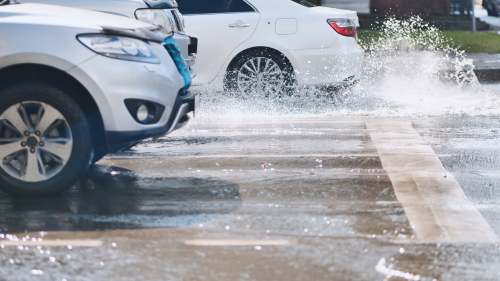
Hydroplaning is one of the most dangerous driving hazards motorists face during rainy or wet weather conditions. When a vehicle hydroplanes, the tires lose contact with the road surface due to a layer of water between the tire and the pavement. This loss of traction can cause a driver to lose control of the vehicle, resulting in serious crashes such as spin-outs, roadway departures, or multi-vehicle collisions.
Although many drivers believe hydroplaning accidents are unavoidable, they often occur because drivers fail to slow down or adjust their driving for dangerous weather conditions. When motorists travel too fast on wet roads or drive with worn tires, they dramatically increase the risk of losing control of their vehicles.
“Hydroplaning accidents can happen in seconds, but the consequences can last a lifetime,” says Naperville car accident lawyer John J. Malm. “Drivers have a responsibility to slow down and adjust their driving during rain or wet road conditions. When someone ignores those risks and causes a crash, they should be held accountable.”
How Common Are Hydroplaning Accidents?
Hydroplaning crashes are typically categorized as weather-related motor vehicle accidents, and the statistics show that these incidents occur far more often than many drivers realize.
Key data highlights the scope of the problem:
- About 1.2 million vehicle crashes each year in the United States are weather-related, representing roughly 21% of all crashes.
- Wet pavement contributes to more than 860,000 crashes annually, injuring over 324,000 people and killing more than 4,000.
- Federal Highway Administration data shows wet pavement is involved in about 70% of weather-related crashes, while rainfall contributes to roughly 46%.
- Nationwide, wet-road crashes cause over 350,000 injuries and more than 4,400 fatalities each year.
- Studies also show that drivers are 10% more likely to crash in rainy conditions and the risk increases significantly during heavy rainfall.
These statistics demonstrate how dangerous wet driving conditions can be. Hydroplaning plays a significant role in many of these accidents because water reduces the ability of tires to grip the roadway.
What Is Hydroplaning?
Hydroplaning, also called aquaplaning, occurs when a layer of water builds up between a vehicle’s tires and the road surface. When this happens, the tires cannot maintain contact with the pavement, causing the vehicle to lose traction and slide uncontrollably.
Hydroplaning can occur when:
- Rainwater accumulates on the roadway
- Tire tread cannot disperse the water quickly enough
- Vehicles travel too fast for road conditions
Even a small amount of standing water can cause a vehicle to hydroplane, particularly at highway speeds.
In many cases, drivers first notice hydroplaning when:
- The steering wheel feels light or unresponsive
- The vehicle begins to drift or skid
- The engine revs while the vehicle fails to accelerate
Once hydroplaning occurs, a driver may lose the ability to steer or brake effectively, which can quickly lead to a serious accident.
Common Causes of Hydroplaning Accidents
Hydroplaning accidents often occur due to a combination of weather conditions, vehicle factors, and driver behavior.
Some of the most common causes include:
Speeding on Wet Roads
Speed is one of the biggest contributors to hydroplaning accidents. The faster a vehicle travels, the more water must be displaced by the tires. When the tires cannot push the water away quickly enough, they begin to ride on top of the water.
Studies show vehicles traveling between 45 and 59 mph are especially likely to hydroplane, although hydroplaning can occur at speeds as low as 35 mph.
Worn or Bald Tires
Tire tread is designed to channel water away from the tire and maintain contact with the road. When tires become worn, they lose their ability to disperse water effectively. Drivers with bald or poorly maintained tires are much more likely to lose control during heavy rain.
Standing Water on Roadways
Hydroplaning is far more likely to occur when water collects on the roadway due to:
- Poor drainage
- Potholes or pavement damage
- Flooded streets
- Heavy rainfall
Even one-tenth of an inch of water can lift tires off the pavement and cause hydroplaning.
Sudden Braking or Steering
Abrupt maneuvers on wet roads can destabilize a vehicle and increase the likelihood of hydroplaning.
Examples include:
- Hard braking
- Sudden lane changes
- Sharp turns
- Rapid acceleration
Poor Road Design or Maintenance
In some cases, hydroplaning accidents may also involve dangerous roadway conditions such as:
- Poor drainage systems
- Uneven pavement
- Construction defects
- Roadway depressions where water accumulates
Types of Accidents Caused by Hydroplaning
When a vehicle hydroplanes, the driver may lose all steering and braking control. This often leads to severe types of crashes.
Common hydroplaning accident scenarios include:
- Spin-out crashes where a vehicle rotates across the roadway
- Roadway departure accidents where a car leaves the road and strikes a tree, guardrail, or ditch
- Rear-end collisions when drivers cannot stop in time
- Multi-vehicle pileups on highways during heavy rain
- T-bone collisions at intersections
Research indicates that over 46% of hydroplaning crashes involve multiple vehicles, while many others are single-vehicle accidents caused by drivers losing control.
Common Injuries in Hydroplaning Crashes
Hydroplaning accidents often occur at highway speeds, which increases the risk of catastrophic injuries.
Victims of hydroplaning crashes frequently suffer:
- Traumatic brain injuries
- Spinal cord injuries
- Broken bones
- Internal bleeding
- Neck and back injuries
- Severe lacerations
- Fatal injuries
Weather-related accidents often result in serious trauma. Studies show about 19% of weather-related crash victims require hospitalization, and many suffer long-term injuries.
Who Can Be Liable for a Hydroplaning Accident?
Many drivers assume that hydroplaning accidents are unavoidable and therefore no one is responsible. However, this is not always true. In many cases, another driver, or even a third party, may be legally responsible.
Potentially liable parties may include:
Negligent Drivers
Drivers may be responsible if they:
- Were speeding in rainy conditions
- Failed to maintain safe following distance
- Made sudden or reckless maneuvers
- Drove with worn or unsafe tires
Even during bad weather, motorists have a legal duty to drive safely for the conditions.
Vehicle Manufacturers
Defective vehicle components such as tires, brakes, or steering systems may contribute to hydroplaning crashes. If a vehicle defect caused or worsened the accident, the manufacturer may share liability.
Government Agencies
Government entities responsible for road design and maintenance may be liable if:
- Poor drainage caused water accumulation
- The road surface was dangerously worn
- Hazardous conditions were ignored
Investigating these factors often requires accident reconstruction experts and legal analysis.
How Is Fault Proven in a Hydroplaning Accident?
Proving fault after a hydroplaning crash often requires a detailed investigation.
Evidence may include:
- Police accident reports
- Weather reports and rainfall data
- Surveillance or dashcam footage
- Witness testimony
- Tire condition inspections
- Accident reconstruction analysis
Experienced Illinois car accident attorneys often work with accident reconstruction experts to determine exactly how the crash occurred and whether negligence played a role.
FAQs about Hydroplaning Car Accidents
Q: What should I do if my car hydroplanes?
A: If your vehicle hydroplanes, experts recommend:
- Taking your foot off the accelerator
- Avoiding sudden braking
- Steering gently in the direction of the skid
Once the tires regain traction, slowly regain control of the vehicle.
Q: Are hydroplaning accidents always the driver’s fault?
A: Not always. While driver behavior is often a major factor, other parties may share responsibility, including roadway maintenance agencies or vehicle manufacturers.
Q: Can I recover compensation after a hydroplaning accident?
A: Yes. If another driver’s negligence contributed to the crash, such as speeding or reckless driving, you may be able to pursue compensation for medical bills, lost wages, and pain and suffering.
Q: What damages can be recovered in a hydroplaning accident claim?
A: Victims may be able to recover compensation for:
- Medical expenses
- Lost wages
- Future medical care
- Pain and suffering
- Disability or permanent injury
Each case is unique, so speaking with an attorney is essential.
Contact the Experienced Illinois Hydroplaning Accident Attorneys at John J. Malm & Associates
Hydroplaning crashes often occur suddenly and can leave victims dealing with serious injuries, expensive medical bills, and long recovery times. Insurance companies may try to argue that bad weather caused the accident rather than driver negligence.
However, drivers are still responsible for operating their vehicles safely in dangerous conditions. When someone fails to slow down, maintain their vehicle, or drive responsibly in wet weather, they may be legally liable for the injuries they cause.
The award-winning car crash attorneys at John J. Malm & Associates have extensive experience investigating complex car accident cases, including crashes involving hydroplaning and dangerous road conditions. We work with accident reconstruction experts, review weather data, and gather evidence to determine exactly what caused the crash.
If you or a loved one was injured in a hydroplaning car accident, contact our office today for a free consultation. We are ready to review your case, explain your legal options, and fight for the compensation you deserve.