

EXPERIENCED PERSONAL INJURY ATTORNEYS











Illinois Fog-Related Car Accident Lawyers
Highly-Rated Attorneys for Victims of Crashes Caused By Dense Fog
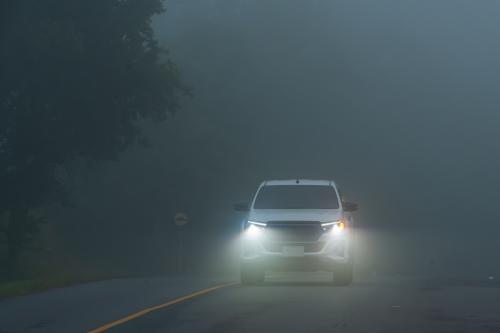
Fog is one of the most serious yet often underestimated weather hazards that drivers encounter on Illinois roadways. Unlike rain or snow, conditions that are immediately recognized as dangerous, fog often appears suddenly and without warning. Reduced visibility, coupled with high travel speeds and dense traffic in many urban and rural areas of Illinois, creates a hazardous environment that significantly increases the risk of severe car accidents.
According to federal data, fog and similar low-visibility conditions contribute to tens of thousands of collisions across the United States annually, including hundreds of fatalities and thousands of injuries. In Illinois, meteorological and traffic crash data indicate that fog contributes to hundreds of motor vehicle accidents each year, with these crashes disproportionately likely to result in severe injury or death compared to similar non-weather collisions.
For decades, John J. Malm & Associates has been a trusted advocate for individuals and families across Illinois who have been harmed by negligence. We focus exclusively on serious personal injury and wrongful death cases, bringing the resources, experience, and trial readiness necessary to stand up to insurance companies and corporate defendants. Our Illinois car accident attorneys are known for thorough preparation, aggressive representation, and compassionate client service, and we have earned a reputation for securing meaningful results in complex and high-stakes cases. When you choose our firm, you work directly with experienced trial lawyers who are committed to protecting your rights and guiding you through every step of the legal process.
What Is Fog and Why It Matters to Drivers
Fog forms when water vapor condenses into tiny droplets suspended in the air near the ground, reducing visibility. This phenomenon is common in Illinois, particularly in the autumn, winter, and early spring when temperature fluctuations between cool nights and warmer days are frequent.
Fog differs from precipitation in that it is not rain or snow; instead, it functions as a dense cloud at ground level. Because fog often develops suddenly, especially near bodies of water such as Lake Michigan, agricultural fields, or river valleys, it can catch motorists off guard, drastically reducing their ability to see the road ahead. Even moderate fog can reduce visibility to a quarter mile or less, a distance insufficient for safe high-speed travel on Illinois highways and interstates.
How Fog Contributes to Car Accidents
The principal danger fog presents is reduced visibility, which directly impacts a driver’s ability to see other vehicles, pedestrians, traffic signals, roadway signs, and lane markings. However, reduced sight distance is only one mechanism by which fog increases risk:
- Visual Obstruction: Drivers cannot see brake lights or approaching vehicles until very short distances.
- Speed Misjudgment: A driver may not be able to accurately judge the speed of oncoming traffic.
- Driver Overconfidence: Many motorists fail to slow down sufficiently in fog, maintaining unsafe speeds relative to visibility.
- Chain Reaction Collisions: Once visibility drops quickly, multi-vehicle pileups become more likely as one crash obstructs traffic and leaves little reaction time for trailing drivers.
In Illinois, both rural roadways and major expressways such as Interstate 80, Interstate 55, and the Kennedy Expressway near Chicago experience morning and evening fog, especially in transitional weather. Because dense fog can develop before sunrise and persist into daily rush hours, a significant number of drivers are exposed to risk during peak traffic times.
Fog-Related Crash Statistics
Fog is a relatively small percentage of total weather-related crashes, but its impact is disproportionate due to the severity of those crashes. Nationwide federal data analyzed by the Federal Highway Administration (FHWA) shows that fog conditions contribute to tens of thousands of crashes annually:
- Over 38,700 vehicle crashes occur in foggy conditions each year nationwide.
- More than 600 people are killed, and over 16,300 are injured annually in fog-related crashes.
- Fog accounts for roughly 3% of all weather-related crashes, even though it vastly impairs visibility compared to other weather conditions.
While comprehensive statewide annual crash data from the Illinois Department of Transportation (IDOT) is not always disaggregated publicly by specific weather type, available regional data indicates that:
- In 2023, Chicago area traffic crash data showed that fog, smoke, or smog contributed to more than 229 crashes, including 54 resulting in injury and at least one fatality attributed to poor visibility conditions.
- A statistical analysis across multiple states, including Illinois, found that there were 269 fog-related crashes in Illinois within a given dataset, representing approximately 1.24% of all crashes examined in that sample.
These figures are consistent with national trends showing that weather-related crashes account for a significant portion of total roadway collisions. FHWA data underscores that:
- Nearly 1.25 million crashes each year nationwide are weather-related.
- Weather-related crashes represent approximately 22% of all traffic accidents.
- Almost 6,000 fatalities per year occur in weather-related crashes.
Although fog represents a smaller subset than rain or snow, the unique dynamics of fog significantly elevate crash severity. AAA Foundation research shows that those accidents occurring in fog have 155% more fatalities per crash than accidents in clear conditions.
Common Scenarios for Fog-Related Crashes in Illinois
Fog can occur under a variety of meteorological conditions, but there are several distinct scenarios where fog-related accidents are more common:
Morning Rush Hour Incidents
Fog often forms overnight and persists into the early morning, a time when many commuters are on the road. The combination of high traffic volume and low visibility increases the likelihood of multiple vehicles being involved in chain-reaction crashes. National studies indicate that fatal fog crashes most often occur between 5 a.m. and 8 a.m. when drivers are traveling at commute speeds with limited visibility.
Transitional Weather Periods
In Illinois, fall and spring bring frequent temperature shifts that promote fog formation, especially near rivers, wetlands, and Lake Michigan. During these transitional seasons, fog can develop suddenly and dissipate slowly, catching drivers unprepared.
Rural Highways and Interstates
Fog can be particularly dense on rural highways, where long stretches of road and higher speeds may lull drivers into complacency. Trucks and passenger vehicles alike can be involved in multi-vehicle collisions when visibility drops unexpectedly.
Urban Expressways
In metropolitan areas like Chicago, where expressways such as the Dan Ryan, Eisenhower, and Kennedy carry large volumes of traffic, fog can trigger significant pileups. Urban fog may also mix with exhaust emissions, increasing density and reducing visibility further.
Injuries and Fatalities in Fog-Related Crashes
The human cost of fog-related crashes is significant. Although exact statewide figures for every year are not always publicly segmented, national and regional data tell a clear story:
- Fatalities: Over 600 people are killed in fog-related crashes annually nationwide.
- Injuries: More than 16,300 individuals are injured in these crashes each year nationwide.
- Illinois Impact: At least one fatal fog-related crash and more than 50 injury crashes were recorded in Chicago alone in 2023.
Fog-related collisions are often more severe than other weather-related crashes because limited visibility can mean that vehicles are traveling at high speeds without adequate awareness of stopped or slow traffic ahead.
Liability and Legal Considerations in Fog-Related Collisions
Fog-related crashes often raise complex legal questions about fault and liability. While weather itself is not a direct basis for liability, courts and insurance companies will evaluate whether drivers exercised reasonable care under the circumstances. Factors that influence liability include:
- Speed Relative to Conditions: Did the driver adjust speed to account for reduced visibility?
- Use of Headlights: Were headlights and, where appropriate, fog lights properly used?
- Following Distance: Did the driver maintain a safe following distance given the visibility?
- Driver Attention: Was the driver distracted or inattentive at the time of the crash?
Because fog can reduce visibility drastically, drivers have a duty to slow down and adapt their driving to the conditions. Failure to do so may be considered negligence if it contributes to a collision.
As Illinois car accident attorney John J. Malm has said:
“When weather conditions like fog limit visibility, drivers must exercise heightened caution. Failure to adjust speed and maintain safe control of one’s vehicle can transform a routine commute into a tragic incident with life-altering consequences.”
This reflects the legal principle that ordinary negligence in hazardous conditions can give rise to liability when it leads to serious injury or death.
Frequently Asked Questions about Fog-Related Car Accidents in Illinois
Q: How common are fog-related car accidents in Illinois?
A: While fog-related crashes constitute a smaller percentage of overall weather-related collisions compared to rain or snow, they still occur regularly, especially in the Chicago metropolitan area. In 2023, IDOT data showed more than 229 crashes attributed to fog, smoke, or smog in Chicago alone.
Q: Are fog-related accidents more likely to be fatal?
A: Yes. National data indicate that fog-related crashes result in a higher rate of fatalities per crash compared to clear weather collisions, with fog conditions contributing to over 600 deaths and more than 16,300 injuries annually.
Q: What should I do if I’m involved in a fog-related crash?
A: Prioritize safety by calling 911 if anyone is injured, moving vehicles out of traffic if possible, and exchanging insurance information. Document weather conditions, take photos of the scene, and contact an experienced Illinois car accident attorney to protect your rights.
Q: Can I be held responsible for a fog-related crash?
A: Yes. Even though fog is a weather condition, drivers must operate their vehicles safely. If a driver fails to adjust speed or take reasonable precautions, they may be found negligent in civil and insurance proceedings.
Q: Does Illinois law require headlights in fog?
A: Illinois law requires the use of headlights when visibility is reduced due to weather, including fog. Proper use improves your ability to see and be seen.
Contact the Experienced Illinois Fog-Related Accident Attorneys at John J. Malm & Associates
Fog-related car accidents are a serious and often underestimated hazard on Illinois roads. Because fog can dramatically reduce visibility in a matter of seconds, drivers who do not adjust to the conditions put themselves and others at risk of catastrophic injury or death. National and local crash data confirm that fog contributes to significant numbers of collisions every year, with injuries and fatalities that leave families devastated and facing long-term financial and emotional burdens.
If you or a loved one has been injured in a fog-related collision, you need experienced legal representation that understands both the human cost and the complex legal issues involved in these cases. At John J. Malm & Associates, we are dedicated to protecting the rights of injury victims and securing the compensation they deserve for medical expenses, lost wages, pain and suffering, and other damages.
Don’t navigate this difficult time alone. Contact John J. Malm & Associates today for a free, confidential consultation and let us help you pursue justice and recovery.