- Free Consultation: (630) 527-4177 Tap Here to Call Us
















Why Do Some Car Accident Injuries Appear Later?


A car accident can happen in a matter of seconds, but the injuries it causes may not become apparent until hours, days, or even weeks later. Many accident victims walk away from a crash believing they escaped unharmed, only to wake up the next morning with severe neck pain, headaches, back stiffness, or other symptoms that weren’t present immediately after the collision.
Delayed injuries are common because the human body responds to traumatic events by releasing adrenaline and other stress hormones that can temporarily mask pain. In addition, certain injuries, such as soft tissue damage, concussions, internal bleeding, and herniated discs, may develop gradually as inflammation increases or bleeding progresses.
Understanding why some injuries have delayed symptoms is critical for both your health and your legal rights. Seeking prompt medical attention after an accident can help identify hidden injuries before they become more serious and create important documentation if you later pursue an injury claim.
At John J. Malm & Associates, we have represented countless Illinois car accident victims whose injuries were not immediately obvious after a crash. We understand how delayed symptoms can complicate both medical treatment and insurance claims, and we are committed to helping injured clients recover the compensation they deserve.
“One of the biggest mistakes people make after a car accident is assuming they’re not injured simply because they don’t feel pain right away. Some of the most serious injuries develop over time. If you experience new symptoms after a crash, seek medical attention immediately. Protecting your health should always come first, and documenting your injuries early can make a significant difference in your recovery and your legal claim.” — John J. Malm, Naperville car accident attorney
How Common Are Car Accident Injuries?
Motor vehicle accidents remain one of the leading causes of injury in the United States. According to the National Highway Traffic Safety Administration (NHTSA):
- More than 2.3 million people are injured in motor vehicle crashes each year in the United States.
- Tens of thousands of people suffer serious injuries requiring hospitalization annually.
- Rear-end collisions are among the most common types of crashes and are a leading cause of neck and soft tissue injuries.
Additional data highlights the scope of the problem:
- The Centers for Disease Control and Prevention (CDC) reports that motor vehicle crashes are a leading cause of emergency department visits for injury.
- The Insurance Institute for Highway Safety (IIHS) reports that millions of police-reported crashes occur every year, many resulting in injuries that require ongoing medical care.
- Soft tissue injuries, concussions, and back injuries are among the most frequently diagnosed conditions following motor vehicle collisions.
While some injuries are immediately apparent, many develop gradually over time, making early medical evaluation essential.
Why Do Some Car Accident Injuries Appear Later?
Many people assume that if they feel fine immediately after an accident, they were not seriously hurt. Unfortunately, that is not always true. Several biological and physiological processes can delay the onset of symptoms.
Adrenaline Masks Pain
Immediately after a traumatic event, the body enters “fight-or-flight” mode. The adrenal glands release hormones such as:
- Adrenaline (epinephrine)
- Cortisol
- Norepinephrine
These hormones increase heart rate, sharpen focus, and temporarily reduce the sensation of pain. This natural survival response helps people react quickly during emergencies but can also prevent them from realizing they have been injured. As these hormones wear off over the next several hours, pain and stiffness often begin to appear.
Inflammation Takes Time to Develop
Many injuries involve microscopic damage to muscles, tendons, ligaments, and joints. Following trauma, the body responds with inflammation to begin the healing process. As swelling increases, victims may experience:
- Pain
- Reduced range of motion
- Muscle stiffness
- Joint tenderness
- Numbness
- Tingling
Because inflammation develops gradually, symptoms often become significantly worse one or two days after the crash.
Internal Injuries May Progress Slowly
Not every injury causes immediate pain. Internal bleeding or organ damage may initially produce only mild discomfort before becoming life-threatening. Symptoms may worsen gradually as bleeding continues or pressure builds within the body.
This is one reason medical professionals recommend evaluation after any significant collision, even if you initially feel well.
Common Car Accident Injuries That May Have Delayed Symptoms
Some injuries are particularly known for developing over time rather than immediately after a crash.
Whiplash
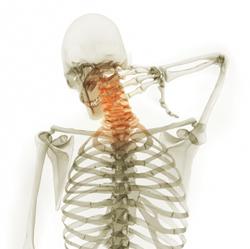
Whiplash is one of the most common delayed injuries following rear-end collisions. When a vehicle is struck from behind, the head snaps backward and forward rapidly, stretching muscles, ligaments, tendons, and other soft tissues in the neck. Symptoms often develop within 24 to 72 hours and may include:
- Neck pain
- Stiffness
- Shoulder pain
- Reduced range of motion
- Headaches
- Muscle spasms
- Dizziness
Without treatment, whiplash can lead to chronic pain and long-term mobility problems.
Concussions and Mild Traumatic Brain Injuries
Not every concussion causes an immediate loss of consciousness. Many victims initially feel normal before experiencing symptoms hours or days later. Delayed concussion symptoms may include:
- Persistent headaches
- Memory problems
- Difficulty concentrating
- Sensitivity to light
- Sensitivity to noise
- Fatigue
- Confusion
- Mood changes
- Nausea
- Sleep disturbances
Any worsening neurological symptoms following a car accident require prompt medical evaluation.
Herniated Discs
The force of a collision can damage the discs that cushion the spine. Initially, victims may notice only mild soreness. As inflammation increases or the damaged disc presses against nearby nerves, symptoms can worsen considerably. Common signs include:
- Back pain
- Neck pain
- Pain radiating into the arms or legs
- Numbness
- Tingling
- Muscle weakness
- Difficulty walking
Some herniated discs require surgery if conservative treatment fails.
Soft Tissue Injuries
Soft tissue injuries affect muscles, tendons, and ligaments throughout the body. These injuries frequently involve:
- Sprains
- Strains
- Torn ligaments
- Muscle tears
Pain may not appear until inflammation develops. Victims often experience worsening soreness over several days.
Shoulder Injuries
Seat belts protect occupants during crashes but can also place significant force on the shoulder during impact. Common delayed shoulder injuries include:
- Rotator cuff tears
- Shoulder impingement
- Labral tears
- Ligament injuries
Symptoms often include increasing pain, weakness, and difficulty lifting the arm.
Knee Injuries
The knees frequently strike the dashboard during frontal collisions. Common delayed knee injuries include:
- Meniscus tears
- ACL injuries
- Ligament sprains
- Bone bruises
Swelling may develop slowly, making walking progressively more painful over the days following the accident.
Internal Bleeding
Internal bleeding represents one of the most dangerous delayed injuries after a serious collision. Warning signs may include:
- Severe abdominal pain
- Dizziness
- Fainting
- Weakness
- Pale skin
- Rapid heartbeat
- Shortness of breath
- Blood in urine or stool
Internal bleeding is a medical emergency that requires immediate treatment.
Emotional Trauma and PTSD
Not all delayed injuries are physical. Many accident victims experience emotional trauma that develops days or weeks after the collision. Symptoms may include:
- Anxiety
- Depression
- Nightmares
- Panic attacks
- Fear of driving
- Irritability
- Difficulty sleeping
- Flashbacks
Mental health injuries are legitimate consequences of serious motor vehicle accidents and should be evaluated by qualified healthcare professionals.
Warning Signs You Should Never Ignore After a Car Accident
Even if you leave the accident scene feeling relatively unharmed, it is important to monitor your condition carefully over the next several days. Delayed symptoms can signal serious underlying injuries that require immediate medical attention. Seek prompt medical care if you develop any of the following symptoms after a crash:
- Persistent or worsening headaches
- Neck pain or stiffness
- Back pain
- Shoulder pain
- Numbness or tingling in the arms or legs
- Muscle weakness
- Dizziness or loss of balance
- Blurred vision
- Difficulty concentrating
- Memory problems
- Nausea or vomiting
- Chest pain
- Abdominal pain
- Difficulty breathing
- Confusion
- Excessive fatigue
- Changes in mood or behavior
While some of these symptoms may be relatively minor, others could indicate a concussion, spinal injury, internal bleeding, or another serious medical condition. Waiting too long to seek treatment can allow an injury to worsen and make recovery more difficult.
Why Prompt Medical Treatment Is So Important
One of the biggest mistakes accident victims make is assuming they are uninjured because they feel “fine” immediately after a collision. In reality, a medical evaluation can identify injuries before symptoms become severe. Early diagnosis provides several important benefits:
- Detects hidden injuries before complications develop
- Allows treatment to begin sooner
- Improves the chances of a full recovery
- Creates medical documentation linking your injuries to the accident
- Reduces the likelihood that insurance companies will argue your injuries were unrelated to the crash
Medical professionals may recommend diagnostic testing such as X-rays, CT scans, or MRIs depending on your symptoms and the severity of the collision. Even if these initial tests appear normal, follow-up appointments remain important if new symptoms develop.
Why Insurance Companies Often Challenge Delayed Injury Claims
Unfortunately, delayed symptoms can complicate an insurance claim. Insurance adjusters sometimes argue that:
- The injury was not caused by the accident.
- The injury occurred after the crash.
- The victim exaggerated their symptoms.
- Medical treatment was unnecessary because the victim did not seek immediate care.
- A pre-existing condition, not the accident, is responsible for the pain.
These arguments are common, particularly in cases involving soft tissue injuries, whiplash, concussions, and herniated discs. However, delayed symptoms are well recognized in the medical community. The fact that pain develops hours or days after a collision does not automatically mean the injury is unrelated to the crash.
Comprehensive medical records and consistent follow-up treatment can be critical evidence in demonstrating the connection between the accident and your injuries.
Documenting Your Injuries Can Protect Your Claim
If you begin experiencing symptoms after leaving the accident scene, document everything as thoroughly as possible. Helpful evidence may include:
- Emergency room records
- Primary care physician notes
- Specialist evaluations
- Physical therapy records
- Diagnostic imaging results
- Prescription medications
- Photographs of visible injuries
- Daily pain journals
- Missed work records
- Receipts for medical expenses
Keeping a written journal describing your symptoms, pain levels, sleep disruptions, and daily limitations can help demonstrate how your injuries affect your life over time.
Common Delayed Injuries That Can Become Chronic
Some delayed injuries improve with conservative treatment, while others develop into long-term medical conditions that significantly affect quality of life. Examples include:
Chronic Neck Pain
Untreated whiplash can lead to ongoing muscle tightness, reduced mobility, headaches, and chronic pain that persists for months or even years.
Chronic Back Problems
A herniated disc or spinal ligament injury may initially seem minor but gradually worsen, leading to chronic pain, nerve damage, and limitations in physical activity.
Post-Concussion Syndrome
Although many concussions resolve within a few weeks, some individuals experience symptoms for months. These symptoms may include:
- Persistent headaches
- Difficulty concentrating
- Memory impairment
- Sleep disturbances
- Irritability
- Sensitivity to light and noise
Post-concussion syndrome can interfere with work, school, and everyday activities long after the initial accident.
Chronic Pain Syndrome
In some cases, injuries alter the body’s nervous system, resulting in chronic pain that continues well after damaged tissues have healed. Victims may require ongoing pain management, rehabilitation, or specialized medical treatment.
Delayed Psychological Injuries Deserve Attention Too
Physical injuries are not the only consequences of a motor vehicle accident. Many people develop emotional or psychological symptoms days or weeks after the trauma. These may include:
- Anxiety while driving
- Panic attacks
- Depression
- Flashbacks
- Nightmares
- Difficulty sleeping
- Fear of riding in a vehicle
- Post-traumatic stress disorder (PTSD)
These conditions can affect every aspect of a person’s life, including relationships, employment, and overall well-being. Seeking help from a qualified mental health professional is an important part of recovery.
What If You Felt Fine at the Accident Scene?
It is not uncommon for accident victims to decline an ambulance because they believe they are uninjured. Hours later, they may find it difficult to turn their head, lift an arm, or get out of bed due to increasing pain and stiffness.
Feeling well immediately after a collision does not necessarily mean you escaped injury. Adrenaline, inflammation, and the body’s natural response to trauma can delay symptoms, sometimes for several days.
If you notice new pain or other concerning symptoms after an accident, schedule a medical evaluation as soon as possible. Prompt treatment can protect both your health and any future legal claim.
Don’t Ignore Delayed Symptoms After a Crash
Many people mistakenly believe that feeling “okay” after a collision means they escaped injury. Unfortunately, this assumption can place both your health and your legal rights at risk.
Ignoring delayed symptoms can lead to:
- More severe medical complications
- Longer recovery times
- Chronic pain
- Permanent disability
- Higher medical costs
- Difficulty proving your injuries were caused by the accident
Seeking prompt medical care not only improves your chances of recovery but also creates an accurate medical record documenting your condition from the earliest possible stage.
How an Experienced Illinois Car Accident Attorney Can Help
When injuries do not appear immediately, proving your case can become more challenging. An experienced personal injury attorney can help gather the medical evidence needed to establish that your delayed symptoms were caused by the accident.
Your attorney may assist by:
- Obtaining your complete medical records
- Working with treating physicians and medical specialists
- Consulting accident reconstruction experts when necessary
- Negotiating with insurance adjusters
- Calculating the full value of your current and future damages
- Pursuing litigation if a fair settlement cannot be reached
Many delayed injury cases involve extensive medical documentation and expert opinions. Having experienced legal representation can make a significant difference when insurers attempt to minimize or deny your claim.
Frequently Asked Questions About Delayed Car Accident Injuries
How long after a car accident can injuries appear?
Some injuries are noticeable immediately, while others may not become symptomatic for several hours, days, or even weeks after a collision. Soft tissue injuries such as whiplash often develop within 24 to 72 hours, while concussions, herniated discs, and psychological injuries like post-traumatic stress disorder (PTSD) may take longer to become apparent. If you experience any new or worsening symptoms after an accident, seek medical attention as soon as possible.
Should I see a doctor even if I feel fine after an accident?
Yes. It is always a good idea to be evaluated by a healthcare provider after a motor vehicle accident, particularly if the crash involved significant force. A medical examination can identify injuries that are not immediately obvious and establish documentation linking your injuries to the accident. Early diagnosis and treatment can improve your recovery and help protect any future personal injury claim.
Can I still file an injury claim if my symptoms appeared days later?
In many cases, yes. Delayed symptoms are medically recognized and are common after motor vehicle accidents. However, insurance companies often question claims involving delayed injuries. Prompt medical evaluation when symptoms develop, consistent follow-up treatment, and thorough documentation can help establish that your injuries were caused by the collision.
What injuries are most likely to have delayed symptoms?
Some of the most common delayed injuries include:
- Whiplash
- Soft tissue injuries
- Herniated discs
- Concussions and mild traumatic brain injuries
- Shoulder injuries
- Knee injuries
- Internal bleeding
- Emotional trauma and PTSD
Each injury is unique, and symptoms can vary from person to person.
How John J. Malm & Associates Can Help After a Car Crash
Delayed injury cases often present unique legal challenges. Insurance companies may argue that your injuries were unrelated to the accident or resulted from another cause simply because symptoms were not immediate.
At John J. Malm & Associates, we understand the medical science behind delayed injuries and know how to present compelling evidence connecting your injuries to the collision. Our legal team works closely with physicians, medical specialists, and other experts to build strong cases for injured clients throughout Illinois.
When you hire our firm, we can:
- Investigate the circumstances of your accident
- Gather medical records and expert opinions
- Calculate the full extent of your damages
- Handle communications with insurance companies
- Negotiate aggressively for a fair settlement
- Take your case to trial if necessary
Our goal is to allow you to focus on healing while we focus on protecting your legal rights.
Contact the Top-Rated Illinois Car Accident Lawyers at John J. Malm & Associates
The hours and days following a car accident can be confusing and overwhelming. You may feel fortunate to have walked away from the crash, only to discover that pain, stiffness, headaches, or other symptoms develop later. Delayed injuries are common, and waiting too long to seek medical treatment or legal guidance can jeopardize both your recovery and your ability to obtain fair compensation.
At John J. Malm & Associates, we have spent decades representing injured accident victims across Illinois. We understand the complex medical issues surrounding delayed injuries and know the tactics insurance companies use to minimize these claims. Our attorneys are committed to helping clients obtain compensation for medical bills, lost income, pain and suffering, and the long-term effects of serious injuries.
If you or a loved one has developed injuries after a car accident, don’t assume it’s too late to seek help. Contact John J. Malm & Associates today for a free consultation. We will review your case, explain your legal options, and fight tirelessly to help you recover the compensation you deserve so you can focus on healing and moving forward.