- Free Consultation: (630) 527-4177 Tap Here to Call Us






After the Fatal Georgia Roller Coaster Accident: What Illinois Riders Should Know About Amusement Park Safety


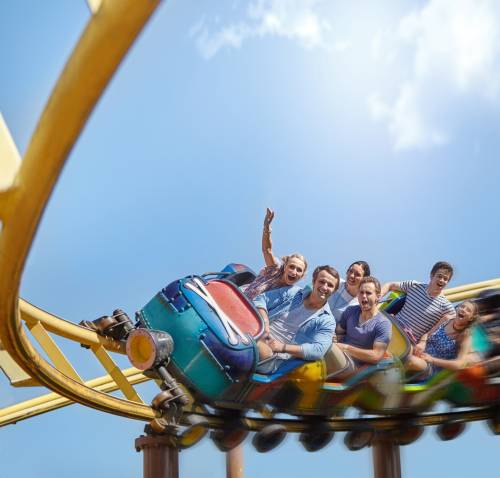
Amusement parks offer families an opportunity to enjoy thrilling rides, spend time together, and create lasting memories. But when a roller coaster accident results in a death or serious injury, it raises urgent questions about ride safety, inspection procedures, and the responsibilities of amusement park operators. For Illinois residents who visit theme parks, county fairs, carnivals, and other attractions, a recent fatal accident in Georgia is a reminder that understanding amusement ride safety is important.
On October 12, 2026, a 42-year-old man, Hassan Jihad Ibn Kariem, died after being ejected from the Goliath roller coaster at Six Flags Over Georgia. Authorities began investigating the circumstances surrounding the incident. Following the death, Six Flags temporarily closed nine similar roller coasters at parks across North America, including Raging Bull at Six Flags Great America in Gurnee, Illinois, as a precaution while the incident was investigated. The closures do not establish that the other rides were defective or unsafe. The cause of the Georgia accident and any legal responsibility remain matters for investigation.
The incident has particular relevance for Illinois families because the state has its own laws governing amusement ride inspections, permits, and safety requirements. Although no inspection system can eliminate every risk, operators must comply with applicable requirements, and preventable injuries may give rise to legal claims.
At John J. Malm & Associates, we believe that visitors should understand their rights when an amusement ride accident causes serious harm. Knowing what safety rules apply, what warning signs to recognize, and what steps to take after an incident can help injured people and their families make informed decisions.
The Georgia Roller Coaster Accident and Its Implications for Illinois
The death at Six Flags Over Georgia prompted questions about roller coaster restraints, ride maintenance, and the procedures used to determine whether an attraction is safe to operate. Investigators must establish the facts before conclusions can be drawn about the cause of the accident or whether any party acted negligently.
The temporary closure of Raging Bull and other similar coasters also brought the issue closer to home for Illinois riders. Six Flags’ precautionary action demonstrated how a serious incident at one park can prompt safety reviews at other facilities.
For Illinois residents, the important lesson is not that a particular ride is necessarily unsafe. Rather, serious amusement ride incidents underscore the importance of effective inspection, maintenance, employee training, and incident investigation. Questions that may arise after a major roller coaster accident include:
- Was the ride inspected and maintained in accordance with applicable requirements?
- Were the restraints and other safety systems operating as intended?
- Did employees follow required loading, restraint-checking, and dispatch procedures?
- Were known mechanical problems or previous safety complaints addressed?
- Did the park follow appropriate procedures after identifying a possible hazard?
The answers depend on evidence, including inspection records, maintenance documentation, employee statements, ride-control data, and expert analysis. A tragic outcome alone does not establish negligence, but a thorough investigation can help identify whether a preventable failure contributed to the incident.
How Safe Are Amusement Park Rides?
Amusement parks accommodate enormous numbers of visitors each year, and serious ride injuries are uncommon relative to the total number of rides taken. However, even a rare incident can result in catastrophic injuries or death. The International Association of Amusement Parks and Attractions (IAAPA) publishes industry safety reports that examine ride-related injuries at fixed-site amusement facilities. Its reporting has estimated the risk of a serious injury on a fixed-site amusement park ride in North America at approximately one in 15.5 million rides. This industry estimate provides context, but it does not establish the risk associated with every ride, park, or type of attraction.
The U.S. Consumer Product Safety Commission (CPSC) also collects injury information through the National Electronic Injury Surveillance System, which uses emergency department data from a representative sample of hospitals to estimate injuries associated with consumer products. Its data can help identify injury trends, although the system is not a complete census of every amusement ride incident and should not be treated as a definitive count of all fixed-site roller coaster injuries.
Several factors can affect amusement ride safety, including equipment design, maintenance, operating conditions, rider restrictions, and employee compliance with safety procedures. A ride that has operated for years without a serious accident is not necessarily free from risk, just as an accident does not automatically prove that a ride was improperly maintained. Potential hazards include:
- Mechanical or structural failures: Components may crack, wear out, loosen, or fail under operating stresses.
- Restraint-system problems: Lap bars, shoulder restraints, locking mechanisms, or sensors may not function as intended.
- Inadequate maintenance: Failure to identify or correct a developing defect can increase the risk of injury.
- Operator mistakes: Employees may fail to complete required checks or follow established procedures.
- Unsafe loading areas: Poorly maintained platforms, stairs, or walkways may cause falls and other injuries.
Understanding these risks helps visitors recognize why inspections and maintenance matter, while also emphasizing that the actual cause of any particular accident must be established through reliable evidence.
Illinois Amusement Park Safety Laws and Inspections
The Illinois Department of Labor’s Amusement Ride and Attraction Safety Division oversees the state’s amusement ride inspection and permitting program. According to the department, amusement rides and attractions open to the public in Illinois generally must be inspected before their initial operation in the state and at least once each year thereafter. A ride must pass the required inspection before it is permitted to operate, and a current permit must be displayed on the attraction.
The state’s rules establish requirements intended to address safe operation, inspection, maintenance, and training. These requirements apply to covered amusement rides and attractions, including those operating at fairs and other public events. Visitors can take a few basic steps to check for visible signs of compliance:
- Look for the current Illinois permit displayed on the ride or attraction.
- Follow posted height, weight, health, and other rider restrictions.
- Listen to the operator’s instructions and follow all safety requirements.
- Report visibly damaged equipment or other concerning conditions to park management.
- Avoid boarding if a restraint appears damaged or an employee identifies an unresolved safety concern.
The Illinois Department of Labor advises visitors to ask the operator to show the permit if it is not visible. The department also provides channels for reporting unsafe conditions, accidents, or attractions operating without the required permit.
A permit and annual inspection are important safeguards, but they do not guarantee that an accident cannot occur. Nor do they automatically resolve whether the park exercised reasonable care on the date of an incident. Daily operating checks, appropriate maintenance, compliance with manufacturer instructions, and prompt responses to emerging hazards may also be important to an investigation.
What Should You Do If You Notice a Potentially Unsafe Ride?
Visitors should not attempt to diagnose or repair amusement ride equipment themselves. However, they can take reasonable steps to protect themselves and others when something appears wrong. If a restraint will not lock properly, an operator repeatedly struggles to secure a rider, a ride stops unexpectedly, or an employee announces a mechanical problem, take the concern seriously. Do not board until the issue has been addressed and the operator confirms that boarding is permitted. Practical precautions include:
- Follow all instructions. Keep restraints secured as directed and remain seated until instructed to exit.
- Respect rider restrictions. Height limits and health warnings are designed to address specific safety concerns.
- Speak up about problems. Notify an employee or supervisor if equipment appears damaged or a restraint does not secure properly.
- Do not interfere with safety systems. Never attempt to bypass, loosen, or modify a restraint.
- Report serious concerns. Contact park management and, where appropriate, the Illinois Department of Labor.
These precautions cannot prevent every accident, but they can help visitors respond appropriately to apparent hazards.
Who May Be Liable for an Amusement Park Accident?
When an amusement ride accident causes an injury, potential legal responsibility depends on the facts and applicable law. More than one party may have contributed to the incident.
The amusement park or ride operator
A park may face a negligence claim if it failed to exercise reasonable care in operating or maintaining an attraction, training employees, or addressing foreseeable safety hazards. Relevant evidence may include inspection logs, repair records, operating procedures, and reports of previous problems.
The ride manufacturer
A manufacturer may be liable under applicable product liability law if a design defect, manufacturing defect, or inadequate warning caused an injury. Engineering records, component testing, and expert examination may help determine whether the equipment was defective.
Maintenance or inspection contractors
An outside company may bear responsibility if negligent inspection, repair, or maintenance contributed to the accident. Investigators must examine the contractor’s responsibilities, the work performed, and whether a failure to identify or correct a hazard caused the harm.
Other potentially responsible parties
Depending on the circumstances, a ride operator, supervisor, or another company involved in operating the attraction may also be relevant to the investigation.
An injured person’s own conduct may also become an issue in a civil claim. Illinois generally follows a modified comparative negligence system under 735 ILCS 5/2-1116. In qualifying cases, a plaintiff’s recovery may be reduced by their share of responsibility, and recovery is barred if their contributory fault is greater than 50%. How this rule applies depends on the evidence and the nature of the claim.
What Compensation May Be Available After an Amusement Ride Injury?
When a legally actionable act or omission causes an injury, the injured person may be able to pursue compensation for losses recognized by Illinois law. Depending on the facts, damages may include:
- Medical expenses and reasonably necessary future treatment.
- Lost wages and diminished future earning capacity.
- Physical pain and suffering.
- Disability, disfigurement, and loss of normal life.
- Other legally recoverable losses supported by the evidence.
Preserving Evidence After an Amusement Park Accident
Evidence can be critical when determining why a ride accident occurred. Some records may be held by the park, the manufacturer, a maintenance contractor, or government investigators. Surveillance video and electronic data may also be subject to routine deletion or limited retention periods. Evidence that may be relevant includes:
- Photographs and videos of the ride, the scene, and visible injuries.
- Names and contact information for witnesses.
- Medical records and documentation of treatment.
- Inspection, maintenance, and repair records.
- Ride-control data and available video surveillance.
- Employee training records and written operating procedures.
- Manufacturer specifications and engineering assessments.
- Prior incident reports and records of complaints about the equipment.
An attorney may be able to send preservation requests and take appropriate legal steps to obtain relevant evidence. Visitors should avoid entering restricted areas or attempting to access equipment themselves. After a serious incident, preserving records through appropriate channels can help establish what happened and whether a party’s conduct contributed to the injury.
Frequently Asked Questions About Amusement Park Safety in Illinois
Are Illinois amusement parks required to inspect roller coasters?
Illinois generally requires covered amusement rides to be inspected before initial operation in the state and at least annually thereafter. Applicable administrative rules also address operating inspections, testing, maintenance, and other safety procedures. The Illinois Department of Labor administers the state’s inspection and permitting program.
Does an Illinois amusement park permit guarantee that a ride is safe?
No. A permit indicates that the ride has satisfied applicable permitting requirements, but it does not guarantee that no mechanical problem or accident can occur. The circumstances of a particular incident, including the ride’s condition and maintenance history, must be evaluated separately.
Can I report an unsafe amusement ride in Illinois?
Yes. The Illinois Department of Labor accepts reports concerning unsafe conditions, accidents, and rides or attractions that may be operating without the required permit.
Can I sue if I am injured on a roller coaster?
Potentially. A personal injury claim may be available if evidence establishes that negligence, a defective product, or another legally actionable wrong caused the injury. The facts, applicable law, and evidence determine whether a claim is viable.
What if the ride passed inspection but still caused an injury?
Passing an inspection does not automatically eliminate potential liability. An investigation may need to examine maintenance performed after the inspection, new mechanical problems, employee conduct, and whether the ride was operated in accordance with applicable procedures.
Can an Illinois resident file a claim after an accident at an out-of-state amusement park?
Possibly. However, the law governing the claim may depend on where the accident occurred and other jurisdictional considerations. An Illinois resident injured at a Georgia amusement park, for example, should not assume that Illinois law automatically governs the case.
How long do I have to file an amusement park injury lawsuit?
Many Illinois personal injury claims are subject to a two-year statute of limitations, but exceptions and different deadlines may apply. Claims arising from accidents in other states may be governed by different rules. An attorney should review the circumstances promptly to determine the applicable deadline.
John J. Malm & Associates: Protecting Illinois Families Through Amusement Park Safety and Accountability
The fatal roller coaster accident in Georgia is a sobering reminder that amusement ride safety depends on more than the thrill of the experience. Proper maintenance, effective inspection procedures, employee training, and prompt attention to potential hazards all play important roles in protecting visitors. As the investigation continues, it is important to distinguish verified facts from speculation and allow the evidence to determine what happened.
For Illinois families, knowing the state’s amusement ride safety requirements and understanding what to do after an accident can make a meaningful difference. When a serious injury or death occurs, a careful investigation may help determine whether an amusement park, manufacturer, maintenance contractor, or another party bears legal responsibility.
John J. Malm & Associates represents individuals and families pursuing compensation for serious injuries and wrongful deaths. Our firm brings more than 90 years of combined litigation experience to complex personal injury cases and understands the importance of preserving evidence, investigating potential negligence, and evaluating the full impact of a catastrophic injury.
If you or a loved one has been injured in an amusement park accident in Illinois, contact John J. Malm & Associates for a free consultation. We can review the circumstances, explain your potential legal options, and help you understand the steps involved in pursuing a claim. When preventable negligence causes serious harm, injured people and grieving families deserve answers, and they deserve an opportunity to pursue accountability under the law.