- Free Consultation: (630) 527-4177 Tap Here to Call Us

















What Happens When a Car Accident Aggravates a Pre-Existing Injury?


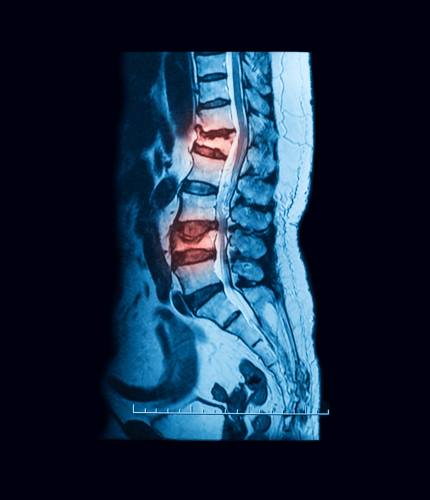
Many people assume they cannot recover compensation after a car accident if they already had a bad back, neck problems, arthritis, or another medical condition. Insurance companies often encourage this misconception, arguing that the victim’s pain was “already there” before the crash. Fortunately, Illinois law does not allow negligent drivers to escape responsibility simply because their victim was more vulnerable to injury.
If a car accident aggravates or worsens a pre-existing injury, the at-fault driver may still be legally responsible for the additional harm caused by the collision. In many cases, the aggravation of an existing condition can be just as debilitating, and just as compensable, as a brand-new injury.
At John J. Malm & Associates, we have represented countless Illinois accident victims whose pre-existing conditions were made significantly worse by someone else’s negligence. Understanding your legal rights can help ensure you receive the compensation you deserve instead of accepting an unfair settlement from an insurance company.
“Insurance companies often try to use a person’s medical history against them after a crash. The reality is that if someone else’s negligence made your condition worse, Illinois law allows you to recover compensation for that additional harm. Our job is to make sure insurance companies focus on what the accident actually caused, not simply what existed before it.” — John J. Malm, Naperville car accident lawyer
Pre-Existing Injuries Are More Common Than Many People Realize
Millions of Americans live with chronic medical conditions before ever being involved in a motor vehicle collision. These conditions often remain manageable until the physical forces of a crash cause them to worsen dramatically.
According to the Centers for Disease Control and Prevention (CDC), approximately 6 in 10 American adults have at least one chronic disease, while 4 in 10 have two or more chronic conditions. Musculoskeletal disorders such as arthritis, degenerative disc disease, osteoporosis, and previous orthopedic injuries become increasingly common with age.
Meanwhile, the National Highway Traffic Safety Administration (NHTSA) reports that millions of traffic crashes occur annually in the United States, resulting in more than 2 million injuries every year. Even relatively low-speed collisions can produce forces capable of aggravating vulnerable joints, muscles, ligaments, and spinal discs.
These statistics highlight an important reality:
- Many accident victims already have existing medical conditions.
- Car crashes frequently worsen those conditions.
- Illinois law recognizes these aggravated injuries as legitimate damages.
What Is a Pre-Existing Injury?
A pre-existing injury is any medical condition that existed before the accident occurred. The condition may have been symptomatic or completely under control before the collision. Common examples include:
- Degenerative disc disease
- Herniated or bulging spinal discs
- Arthritis
- Previous neck or back injuries
- Prior knee or shoulder surgeries
- Old fractures
- Chronic headaches or migraines
- Previous traumatic brain injuries
- Chronic pain syndromes
- Osteoporosis
- Spinal stenosis
- Rotator cuff injuries
Simply having one of these conditions does not prevent someone from pursuing a personal injury claim after a crash.
Can You Recover Compensation If Your Injury Was Already There?
Yes. Illinois follows a long-established legal principle often called the “eggshell plaintiff” rule. Under this doctrine, negligent drivers take accident victims as they find them. If someone has a medical condition that makes them more susceptible to injury, the at-fault driver remains liable for the additional damage caused by the accident.
In other words, a defendant cannot argue: “The victim was already injured, so I shouldn’t have to pay.” Instead, the question becomes: How much worse did the accident make the existing condition? That additional harm is generally compensable.
Common Injuries That Become Worse After a Car Accident
Many injuries become significantly more painful following even a moderate collision.
Degenerative Disc Disease
Many adults have age-related degeneration in their cervical or lumbar spine. Prior to an accident, these changes may produce little or no pain. A rear-end collision can cause:
- New herniated discs
- Increased nerve compression
- Radiating arm or leg pain
- Reduced mobility
- Need for surgery
Insurance companies often argue that degenerative changes are “normal aging.” However, imaging studies frequently demonstrate new trauma superimposed on older degeneration.
Arthritis
Osteoarthritis affects millions of Americans. A collision can accelerate joint deterioration by causing:
- Cartilage damage
- Increased inflammation
- Joint instability
- Reduced range of motion
- Permanent increases in pain
Victims who previously managed arthritis with occasional medication may suddenly require injections or joint replacement surgery.
Previous Back Injuries
Someone who recovered from an earlier back injury may have returned to work and normal activities before another driver’s negligence caused additional spinal trauma. A new crash may produce:
- Muscle tears
- Additional disc injuries
- Nerve compression
- Chronic pain
- Permanent disability
Prior Knee or Shoulder Injuries
Previously repaired joints are often more vulnerable during collisions. Seatbelt forces, dashboard impacts, or twisting motions may aggravate:
- ACL injuries
- Meniscus tears
- Rotator cuff tears
- Shoulder instability
Many patients require additional surgery after reinjury.
How Insurance Companies Try to Deny These Claims
Insurance adjusters frequently focus on pre-existing conditions because they hope to reduce the value of a claim. Common arguments include:
- “Your MRI already showed degeneration.”
- “These symptoms existed before.”
- “The accident didn’t cause your pain.”
- “Your treatment is unrelated.”
- “Your doctor says this is chronic.”
These arguments can be misleading. The presence of a prior condition does not automatically eliminate liability. Instead, experienced attorneys work with treating physicians and medical experts to distinguish between the pre-accident condition and the injuries caused by the collision.
Proving an Accident Made Your Injury Worse
Medical evidence is often the key to proving aggravation of a pre-existing injury. Important evidence may include:
- Medical records before the crash
- Diagnostic imaging (MRI, CT scans, X-rays)
- Physician opinions
- Physical therapy records
- Surgical reports
- Pain management records
- Employment records
- Testimony from family members describing changes after the accident
Often, doctors can explain that while degeneration existed beforehand, the patient was functioning well until the collision caused a substantial worsening of symptoms.
Why Delayed Symptoms Matter
Many aggravated injuries become worse gradually. Victims often feel only soreness immediately after an accident before experiencing:
- Increased neck stiffness
- Radiating pain
- Numbness
- Tingling
- Weakness
- Difficulty walking
- Chronic headaches
This delayed progression is common with spinal injuries, disc herniations, and soft tissue trauma. Seeking prompt medical evaluation creates important documentation linking the worsening symptoms to the crash.
Damages Available in Illinois
Victims whose pre-existing injuries are aggravated may recover compensation for the additional harm caused by the accident. Damages may include:
- Past medical expenses
- Future medical treatment
- Physical therapy
- Surgery
- Prescription medications
- Lost wages
- Reduced earning capacity
- Pain and suffering
- Disability
- Emotional distress
- Loss of normal life
The compensation should reflect the worsening of the condition—not simply the existence of the original injury.
Why Honest Medical History Matters
Some people fear disclosing prior injuries because they worry it will hurt their case. In reality, hiding prior treatment can seriously damage credibility. Instead:
- Tell your doctors about previous injuries.
- Be honest during your deposition.
- Provide complete medical records.
- Explain how your symptoms changed after the collision.
Transparency often strengthens rather than weakens a claim because it allows medical experts to accurately explain how the accident worsened an existing condition.
Steps to Protect Your Claim
If you believe a collision aggravated an existing injury, taking the right steps early can significantly improve your case. Consider the following:
- Seek medical treatment immediately.
- Tell your physician about your previous condition.
- Describe exactly how your symptoms changed.
- Follow all treatment recommendations.
- Attend physical therapy appointments.
- Keep records of your pain and limitations.
- Avoid discussing your injuries on social media.
- Contact an experienced Illinois car accident attorney before speaking extensively with the insurance company.
Why These Cases Often Require Experienced Legal Representation
Cases involving aggravated injuries are medically and legally complex. Insurance companies frequently retain experts who argue that every symptom resulted from natural aging rather than trauma. An experienced attorney can:
- Obtain prior medical records
- Work with treating physicians
- Retain medical experts
- Challenge insurance company opinions
- Demonstrate changes in function before and after the crash
- Present compelling evidence to a jury if necessary
Properly documenting these cases often makes a significant difference in the ultimate recovery.
Frequently Asked Questions about Pre-Existing Injuries
Can I still sue if I had back pain before my accident?
Yes. If the accident aggravated or accelerated your existing back condition, you may recover damages for the worsening of your injury.
What if my MRI already showed degenerative disc disease?
Degenerative findings are common, especially with age. Many people have degeneration without symptoms. If the accident caused new pain, disability, or structural damage, you may still have a valid claim.
Will the insurance company review my old medical records?
Usually, yes. Your prior medical history often becomes relevant in determining how much your condition worsened after the accident.
Do I need a medical expert?
Many aggravated injury cases benefit from testimony from treating physicians or medical experts who can explain how the collision worsened an existing condition.
Does Illinois recognize the eggshell plaintiff rule?
Yes. Illinois law generally holds negligent parties responsible for the injuries they cause, even if the victim was more susceptible to injury because of a pre-existing medical condition.
Can arthritis become worse after a car accident?
Yes. Trauma can increase inflammation, accelerate joint deterioration, and significantly worsen pain and mobility limitations in arthritic joints.
Don’t Let a Pre-Existing Injury Prevent You From Seeking Justice
Having a pre-existing injury does not mean you lose your right to compensation after a car accident. If another driver’s negligence aggravated your existing condition, increased your pain, or forced you to undergo additional treatment, Illinois law may allow you to recover damages for those additional injuries. Insurance companies routinely attempt to minimize these claims, but with experienced legal representation and strong medical evidence, victims can often obtain the compensation they deserve.
At John J. Malm & Associates, we understand the medical and legal complexities involved in aggravated injury claims. Our experienced Illinois personal injury attorneys work closely with physicians, medical experts, and accident reconstruction professionals to prove how a collision worsened a client’s condition and to pursue the maximum compensation available. If you or a loved one has suffered an aggravated pre-existing injury after a car accident, contact our office today for a free consultation. Let us evaluate your case, explain your rights, and help you move forward with confidence.