- Free Consultation: (630) 527-4177 Tap Here to Call Us














Can Motorcycle Accidents Cause Hearing Loss?


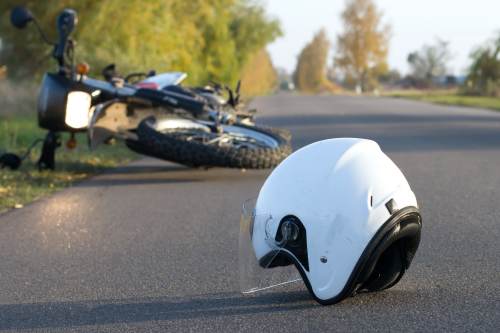
When people think about motorcycle accident injuries, they often think about broken bones, road rash, spinal cord injuries, traumatic brain injuries, or other obvious physical trauma. Hearing loss may not immediately come to mind. However, a motorcycle accident can cause hearing problems in several ways, including direct trauma to the head, fractures involving the skull or ear structures, traumatic brain injuries, and exposure to extremely loud noise.
Hearing loss after a motorcycle crash can be temporary, permanent, partial, or complete. It may affect one ear or both ears. In some cases, a rider may initially notice only ringing, muffled hearing, dizziness, or difficulty understanding conversations. These symptoms should not be dismissed, particularly when they develop after a crash involving a blow to the head.
“A motorcycle crash can cause injuries that aren’t always obvious at the scene. Hearing problems, tinnitus, and other neurological symptoms deserve careful medical evaluation because the consequences of a serious crash can last long after the motorcycle has been repaired.” — John J. Malm, Naperville motorcycle accident lawyer
How Can a Motorcycle Accident Cause Hearing Loss?
A motorcycle accident can damage hearing through several mechanisms. The ear is a delicate structure, and hearing also depends on the brain and nervous system functioning properly. A violent crash can therefore interfere with hearing even when there is no obvious injury to the outside of the ear.
One important mechanism is a traumatic brain injury. A motorcycle rider who is thrown from the bike may strike the pavement, another vehicle, a guardrail, or another fixed object. The resulting force can cause a concussion or more severe traumatic brain injury.
The CDC notes that hearing can be affected after traumatic brain injury of varying severities. Hearing loss after TBI commonly results from a temporal bone fracture and is often one-sided. Other potential causes include:
- A fracture of the temporal bone surrounding portions of the ear.
- Damage to the eardrum.
- Injury to the middle-ear bones.
- Damage to the inner ear.
- Injury to the auditory nerve.
- Traumatic brain injury affecting pathways involved in hearing.
- Blood or fluid accumulation affecting the ear.
- Acoustic trauma from an extremely loud impact or explosion.
- Prolonged exposure to motorcycle wind and engine noise.
Because several of these injuries can occur simultaneously, determining the precise cause of hearing loss may require an evaluation by an audiologist, otolaryngologist (ENT physician), neurologist, or other medical specialist.
Can a Head Injury Cause Hearing Loss?
Yes. A head injury can cause hearing loss even when the ear itself does not appear badly damaged. The temporal bones are particularly important because they surround and protect structures of the ear. A significant blow to the side or back of the head can fracture the temporal bone. The CDC identifies temporal bone fractures as a common cause of hearing loss following traumatic brain injury.
Depending on the location and severity of the fracture, a person may experience conductive hearing loss, sensorineural hearing loss, or a combination of the two. Conductive hearing loss occurs when sound cannot travel normally through the outer or middle ear. Sensorineural hearing loss involves damage to the inner ear or auditory nerve. A motorcycle crash can potentially produce either type.
A rider should seek medical attention if hearing changes occur following a crash, particularly if symptoms include:
- Sudden hearing loss.
- Ringing or buzzing in the ears.
- Ear pain.
- Blood or fluid coming from the ear.
- Dizziness or vertigo.
- Loss of balance.
- Severe headache.
- Confusion or memory problems.
- Nausea or vomiting.
- Difficulty understanding speech.
These symptoms may indicate more than an isolated hearing problem. They can sometimes be signs of a more serious head injury.
Can a Motorcycle Crash Cause Tinnitus?
Yes. Tinnitus is the perception of ringing, buzzing, humming, roaring, or other sounds without an external source. Motorcycle crashes can potentially trigger tinnitus through head trauma, injury to the structures of the ear, or exposure to extremely loud sounds.
Tinnitus can be temporary, but it can also become persistent. For someone who develops chronic tinnitus after a motorcycle accident, the condition may affect sleep, concentration, work performance, communication, and quality of life.
Importantly, tinnitus can occur even when standard imaging does not reveal a major structural injury. A person may therefore have genuine hearing-related symptoms despite having a CT scan or other imaging study that does not show an obvious abnormality.
Can Motorcycle Noise Cause Hearing Loss?
The answer is also yes, although this is different from hearing loss caused by the physical trauma of a collision. Motorcycle riders can be exposed to substantial levels of wind and engine noise. Research involving motorcyclists has found that noise levels around a rider’s ears can become extremely high at highway speeds. One published review reported wind noise around 90 dB(A) at approximately 60 km/h and increasing to approximately 110 dB(A) at 160 km/h.
Another study of motorcycle riders found open-road equivalent continuous noise levels reaching as high as 105 dB(A). The researchers noted that exposure at that level for only 15 minutes would exceed the recommended maximum exposure for an eight-hour workday used at the time.
This means that motorcycle riding itself can expose a person’s ears to potentially harmful noise, particularly during extended highway riding. A motorcycle accident can compound this problem. A rider who already has noise-related hearing damage may suffer additional trauma to the ear or auditory system during a crash.
Does Wearing a Motorcycle Helmet Prevent Hearing Loss?
A helmet is essential safety equipment, but it should not be considered a guarantee against hearing damage. Helmets can reduce the risk of head injury, and NHTSA and other safety organizations strongly support helmet use. In Illinois, IDOT reported that 56.3% of motorcyclist fatalities in 2024 involved operators or passengers who were not wearing a safety helmet.
Research has also examined whether helmets interfere with hearing. A study of 50 motorcycle riders found no meaningful difference in hearing thresholds among riders using no helmet, partial-coverage helmets, and full-coverage helmets. The researchers concluded that any effect helmets had on hearing was too small to outweigh the safety benefits of head protection.
A helmet, however, cannot eliminate all crash forces. A rider can still suffer a concussion, skull fracture, temporal bone fracture, or other injury despite wearing proper protective equipment.
How Common Are Serious Motorcycle Injuries in Illinois?
Motorcycle crashes make up a relatively small percentage of Illinois crashes but can result in a disproportionate number of serious injuries and deaths. According to IDOT’s 2024 Illinois Crash Facts, motorcycle crashes represented approximately 1.1% of all crashes. Yet 144 motorcyclists died and 2,556 were injured.
IDOT also reported that motorcyclist fatalities decreased 14.3% from 168 in 2023 to 144 in 2024. However, the number of injured motorcyclists increased 7.7%, from 2,373 to 2,556.
These statistics demonstrate why motorcycle injury cases should not be evaluated solely by looking at whether the rider survived the crash or whether the most visible injuries have healed. Some injuries, including hearing loss, may have long-term consequences that are not immediately apparent.
What Should You Do If You Develop Hearing Loss After a Motorcycle Accident?
If you notice hearing changes after a motorcycle accident, obtaining appropriate medical evaluation is important. Do not assume that ringing ears or muffled hearing will simply disappear. Your doctors may recommend diagnostic testing such as a hearing test or other evaluation depending on your symptoms and suspected injury.
You should also document how your symptoms affect your everyday life. Hearing loss may interfere with:
- Communicating with family members.
- Performing your job.
- Hearing alarms, sirens, or warning signals.
- Using the telephone.
- Sleeping because of tinnitus.
- Participating in social activities.
- Driving or riding safely.
- Concentrating at work.
- Enjoying music, television, or other activities.
Medical documentation can be particularly important if an insurance company disputes whether the accident caused your hearing problems.
Who May Be Responsible for Hearing Loss After a Motorcycle Accident?
Liability depends on how the crash occurred. If another driver’s negligence caused the motorcycle accident, the injured rider may have a personal injury claim against the responsible driver and potentially other responsible parties. Potentially responsible parties can include:
- A negligent motorist.
- A commercial trucking company.
- A vehicle manufacturer.
- A motorcycle manufacturer.
- A government entity responsible for a dangerous roadway, in appropriate circumstances.
- A property owner whose negligence contributed to the crash.
- Another party whose conduct contributed to the accident.
Establishing causation can be particularly important in a hearing-loss claim. Insurance companies may argue that hearing loss was caused by age, pre-existing noise exposure, a prior injury, or another unrelated condition.
That does not automatically defeat a claim. Medical records, audiological testing, accident reconstruction, witness testimony, photographs, employment records, and other evidence may help establish what happened and how the crash affected the rider. An experienced motorcycle accident attorney can help investigate not only the immediate physical injuries but also the long-term consequences of the crash.
Frequently Asked Questions About Motorcycle Accidents and Hearing Loss
Can a motorcycle accident cause permanent hearing loss?
Yes. Permanent hearing loss can occur when a crash damages the inner ear, auditory nerve, temporal bone, middle-ear structures, or portions of the brain involved in hearing. The severity and permanence of hearing loss depend on the nature of the injury.
Can you lose hearing in only one ear after a motorcycle accident?
Yes. Traumatic injuries can produce unilateral hearing loss. The CDC notes that hearing loss following TBI commonly results from temporal bone fracture and is usually one-sided.
Can a concussion cause hearing problems?
A concussion or other traumatic brain injury can be associated with hearing-related symptoms. Ringing in the ears, sound sensitivity, balance problems, and changes in hearing may occur after head trauma. Anyone experiencing these symptoms should be medically evaluated.
How long does hearing loss last after a motorcycle accident?
There is no single timeline. Some hearing changes may resolve, while others can be permanent. The prognosis depends on the underlying injury and whether the problem involves the outer, middle, or inner ear, auditory nerve, or brain.
Can tinnitus be part of a motorcycle accident injury claim?
Potentially. If tinnitus resulted from injuries sustained in a crash, it may be considered as part of the damages associated with the accident. Medical documentation establishing the timing and cause of the condition can be important.
Can I have hearing loss even if my CT scan is normal?
Yes. Imaging does not necessarily identify every type of auditory injury. A person can have hearing-related symptoms that require specialized audiological or ENT evaluation even when initial imaging does not show a major abnormality.
Should I talk to a lawyer about hearing loss after a motorcycle crash?
If another person’s negligence caused the crash and you developed hearing loss, tinnitus, or another lasting injury, it may be worthwhile to discuss the circumstances with a motorcycle accident attorney. An attorney can review the accident, medical evidence, insurance coverage, and potential sources of liability.
Contact the 5-Star Rated Illinois Motorcycle Accident Lawyers at John J. Malm & Associates
Hearing loss after a motorcycle accident can be a serious and life-changing injury. The condition may affect communication, employment, relationships, sleep, concentration, and your ability to enjoy everyday activities. Because hearing problems may not be immediately apparent after a crash, it is important to take new symptoms seriously and obtain appropriate medical care.
If you or someone you love suffered hearing loss, tinnitus, a traumatic brain injury, or another serious injury in an Illinois motorcycle accident, the injury attorneys at John J. Malm & Associates can investigate what happened and pursue compensation from those responsible. With decades of experience representing injured people, our firm understands the importance of documenting both immediate injuries and long-term consequences. Contact John J. Malm & Associates for a free consultation about your motorcycle accident claim and learn about your legal options.