- Free Consultation: (630) 527-4177 Tap Here to Call Us












What Is the Most Common Shoulder Injury in a Car Accident?


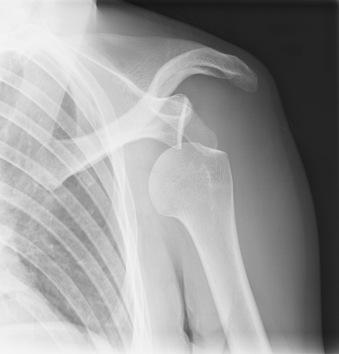
Shoulder injuries are among the most frequently reported musculoskeletal injuries after car accidents. Because the shoulder is highly mobile yet relatively unstable, it is especially vulnerable to the sudden forces generated in a crash. Among all possible shoulder injuries, rotator cuff tears are widely recognized as the most common shoulder injury in car accidents.
Understanding how and why these injuries occur, and how they affect victims, is critical not only for proper medical treatment, but also for building a strong personal injury claim.
Why Shoulder Injuries Are So Common in Car Accidents
The shoulder joint is one of the most complex joints in the human body. It consists of bones, ligaments, muscles, and tendons working together to provide a wide range of motion. This flexibility, however, comes at the cost of stability.
During a car accident, several forces act on the body simultaneously:
- Sudden deceleration (forward motion stops abruptly)
- Seat belt restraint across the shoulder
- Airbag deployment
- Bracing against the steering wheel or dashboard
- Direct impact with the vehicle interior
These forces can cause the shoulder to move unnaturally or absorb significant stress, leading to injury. Even low-speed crashes can result in shoulder damage due to the way the body reacts during impact.
The Most Common Shoulder Injury: Rotator Cuff Tears
What Is the Rotator Cuff?
The rotator cuff is a group of four muscles and tendons that stabilize the shoulder joint and allow for arm movement and rotation. These tendons connect muscle to bone and are essential for everyday activities like lifting, reaching, and carrying.
Why Rotator Cuff Tears Are So Common in Car Accidents
Rotator cuff injuries are the most frequently reported shoulder injury following a crash for several reasons:
- Bracing instinct: Drivers often grip the steering wheel or brace themselves before impact
- Seat belt force: The shoulder harness restrains the body while momentum continues forward
- Direct trauma: Impact with doors, windows, or airbags transfers force to the shoulder
- Sudden jerking motion: The shoulder is forced beyond its normal range of motion
These mechanisms can overstretch or tear the tendons, resulting in either partial or full-thickness tears.
Symptoms of a Rotator Cuff Injury
Rotator cuff tears can present immediately after a crash or develop gradually over days or weeks. Common symptoms include:
- Pain when lifting or rotating the arm
- Weakness in the shoulder
- Limited range of motion
- Clicking or grinding sensations
- Nighttime pain, especially when lying on the affected side
These symptoms often interfere with daily activities and may worsen without treatment.
Statistics on Rotator Cuff Injuries
Rotator cuff injuries are not only common in car accidents, they are one of the most prevalent causes of shoulder pain overall.
Key statistics include:
- Rotator cuff tears are among the most common causes of shoulder pain across all age groups
- Studies estimate the prevalence of rotator cuff tears in the general population ranges from 5% to 39%
- In patients with shoulder pain, over 60% may have a rotator cuff tear
- Among older adults, rotator cuff tears become increasingly common, with rates rising significantly after age 60
In the context of trauma, such as a motor vehicle collision, shoulder injuries often occur suddenly and are more severe than degenerative tears.
Other Common Shoulder Injuries in Car Accidents
While rotator cuff tears are the most common, several other shoulder injuries can occur in a crash:
1. Shoulder Sprains and Strains
- Involve overstretching or tearing of ligaments or muscles
- Often caused by sudden movement or bracing
- Typically less severe but still painful
2. Labral Tears
- Damage to the cartilage that stabilizes the shoulder socket
- Can cause instability and clicking sensations
3. Dislocations
- Occur when the upper arm bone pops out of the shoulder socket
- Often caused by high-impact collisions
4. Fractures
- Broken clavicle (collarbone) or humerus
- Common in severe crashes
5. Shoulder Impingement
- Occurs when tendons are compressed during movement
- May develop after trauma or inflammation
Although these injuries can be serious, rotator cuff damage remains the most frequently diagnosed shoulder condition following auto accidents.
Diagnosis and Treatment of Rotator Cuff Injuries
Diagnosis
Medical evaluation typically includes:
- Physical examination
- Range-of-motion testing
- Imaging studies such as MRI or ultrasound
Prompt diagnosis is critical to prevent further damage.
Treatment Options
Treatment depends on the severity of the injury:
Non-Surgical Treatments:
- Rest and activity modification
- Physical therapy
- Anti-inflammatory medications
- Cortisone injections
Surgical Treatment:
- Arthroscopic repair for full-thickness tears
- Required in more severe cases where the tendon is detached
Recovery can take several months, and untreated injuries may worsen over time.
The Impact of Shoulder Injuries on Daily Life
A rotator cuff injury can significantly affect a person’s quality of life. Even simple tasks may become difficult, including:
- Lifting groceries
- Driving
- Dressing
- Reaching overhead
- Sleeping comfortably
For many accident victims, these limitations can interfere with work and lead to lost income, especially in physically demanding jobs.
Legal Implications of Shoulder Injuries After a Car Accident
Shoulder injuries, particularly rotator cuff tears, are often central to personal injury claims because they:
- Require extensive medical treatment
- May involve surgery
- Can lead to long-term impairment
- Affect earning capacity
Insurance companies frequently dispute these claims, arguing that the injury is pre-existing or degenerative rather than caused by the accident. As a result, thorough medical documentation and legal advocacy are essential.
“In personal injury claims, especially those involving shoulder injuries from motor vehicle collisions, detailed medical documentation and strategic legal advocacy are essential to ensure victims receive the full compensation necessary for recovery.” — John J. Malm, Naperville car accident lawyer
Why You Need a Trial-Ready Car Accident Lawyer After a Shoulder Injury
Rotator cuff injury claims can be complex and heavily contested. Insurance companies often attempt to minimize payouts by:
- Arguing the injury existed before the crash
- Claiming symptoms are exaggerated
- Disputing the need for surgery
A trial-ready personal injury lawyer can:
- Gather medical evidence and expert testimony
- Prove causation between the accident and injury
- Accurately value your claim
- Take the case to trial if necessary
Having an experienced legal team can make a substantial difference in the outcome of your case.
FAQ: Shoulder Injuries After Car Accidents
Q: What is the most common shoulder injury in a car accident?
A: The most common shoulder injury is a rotator cuff tear, caused by sudden force, bracing, or seat belt impact during a collision.
Q: Can a rotator cuff tear heal without surgery?
A: Partial tears may heal with conservative treatment, but full-thickness tears often require surgery to restore function.
Q: How long does it take to recover from a rotator cuff injury?
A: Recovery can take anywhere from a few weeks (for minor injuries) to several months or longer, especially if surgery is required.
Q: Can shoulder pain appear days after a car accident?
A: Yes. Symptoms may be delayed due to inflammation or soft tissue damage that develops over time.
Q: Are rotator cuff injuries permanent?
A: Some injuries can lead to long-term impairment, particularly if not treated promptly or properly.
Q: How do you prove a shoulder injury was caused by a car accident?
A: Medical records, imaging studies, and expert testimony are used to establish causation between the crash and the injury.
Contact the Top Illinois Car Accident Shoulder Injury Attorneys at John J. Malm & Associates
A shoulder injury from a car accident can disrupt every aspect of your life, from your ability to work to your independence at home. Rotator cuff tears, in particular, often require extensive treatment and can lead to lasting complications if not handled properly.
At John J. Malm & Associates, we understand the medical and legal complexities of shoulder injuries sustained in car crashes. We work with top medical experts, build compelling evidence, and are fully prepared to take your case to trial if necessary.
If you or a loved one has suffered a shoulder injury in a car accident, don’t leave your recovery and your financial future to chance. Contact our office today for a free consultation and let us fight to secure the compensation you deserve.