- Free Consultation: (630) 527-4177 Tap Here to Call Us








Who Is Liable When Poor Visibility Causes a Car Accident?


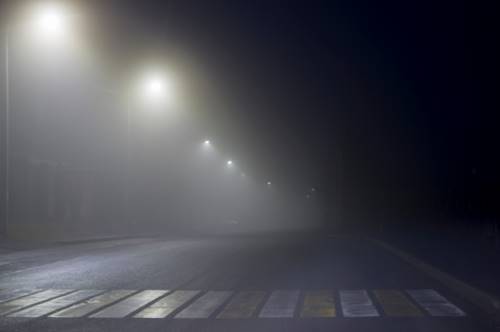
Poor lighting can make driving dangerous, particularly at night, during bad weather, and on roads with inadequate streetlights or poorly illuminated intersections. When drivers cannot see pedestrians, stopped vehicles, road hazards, or approaching traffic in time to react, the risk of a serious car accident increases. Although darkness is a common driving condition, crashes caused by inadequate visibility may involve preventable mistakes by drivers, negligent maintenance of vehicle lighting systems, or dangerous roadway conditions.
For people injured in Illinois car accidents, determining whether poor lighting contributed to a collision can be an important part of pursuing compensation. A driver may be responsible for failing to adjust to nighttime conditions, while a municipality or other responsible entity may potentially be liable when a dangerous lighting condition results from negligent maintenance or a roadway defect. Identifying the cause of a crash requires careful investigation of the circumstances, available evidence, and applicable Illinois law.
At John J. Malm & Associates, our top-rated Illinois car accident lawyers represent injured people and families dealing with the consequences of serious motor vehicle collisions. Understanding how inadequate lighting contributes to accidents can help injured victims recognize potential sources of liability and protect their legal rights.
How Common Are Nighttime Car Accidents?
Federal roadway safety research demonstrates that driving after dark presents a substantially greater risk of fatal injury than driving during daylight hours. According to the Federal Highway Administration (FHWA), the nighttime fatality rate is approximately three times the daytime rate, even though only about 25% of vehicle miles traveled occur at night. The agency explains that drivers traveling at higher speeds may be unable to stop once a hazard becomes visible in their headlights.
The FHWA also reports that approximately 76% of pedestrian fatalities occur at night. These statistics demonstrate how reduced visibility can endanger drivers, pedestrians, bicyclists, and other road users. They do not mean that poor lighting causes every nighttime collision, but they highlight the importance of visibility as a roadway safety concern.
Additional research from the FHWA indicates that well-designed lighting at rural and urban intersections can reduce nighttime crashes by approximately 33% to 38%. Adequate intersection lighting can also reduce nighttime pedestrian-injury crashes by approximately 42%, according to the agency’s Nighttime Visibility for Safety initiative. These findings illustrate why properly designed and maintained roadway lighting can be an important safety measure.
What Is a Poor Lighting Car Accident?
A poor lighting car accident is a collision in which inadequate illumination or reduced visibility contributes to a driver’s inability to identify and respond to a hazard. These accidents can occur on highways, residential streets, rural roads, parking lots, driveways, and intersections. Poor lighting does not necessarily mean that a roadway has no streetlights. Visibility may be compromised by several different conditions, including:
- Missing or malfunctioning streetlights: Burned-out bulbs, damaged lighting equipment, or extended outages may leave intersections and road segments inadequately illuminated.
- Dark rural roads: Roads without overhead lighting may have limited visibility beyond the reach of a vehicle’s headlights.
- Poorly illuminated intersections: Drivers may have difficulty identifying cross traffic, traffic signals, pedestrians, or turning vehicles.
- Inadequate parking lot lighting: Drivers may not see pedestrians, parked vehicles, curbs, or vehicles backing out of parking spaces.
- Obstructed roadway lighting: Trees, vegetation, structures, or other obstructions may interfere with the distribution of light.
- Defective vehicle headlights: Burned-out bulbs, misaligned headlights, damaged lenses, or electrical failures can reduce a driver’s ability to see the roadway.
- Glare and uneven illumination: Excessively bright lights, oncoming headlights, or abrupt transitions between light and darkness may make it harder to recognize hazards.
In some cases, poor lighting combines with rain, fog, snow, glare, or worn pavement markings to create especially dangerous driving conditions.
How Poor Lighting Contributes to Car Accidents
1. Drivers Cannot See Hazards in Time
A driver traveling on a dark road may not see a stopped vehicle, debris, a fallen tree, or an animal until the vehicle is dangerously close. At highway speeds, even a short delay in recognizing a hazard can prevent a driver from stopping safely.
Headlights illuminate only a limited portion of the roadway, and the distance a driver can see may be insufficient for the vehicle to stop at its current speed. Drivers must therefore adjust their speed to the conditions rather than assume that the road ahead is clear.
2. Pedestrians and Bicyclists Become Harder to See
Pedestrians and bicyclists are particularly vulnerable when walking or riding near traffic after dark. A person crossing an unlit street may be difficult to distinguish from the surrounding environment, especially when wearing dark clothing.
Drivers approaching intersections, crosswalks, residential streets, and commercial parking lots must remain alert for people who may be difficult to see. However, pedestrians and bicyclists also face increased danger when roadway lighting, crosswalk illumination, or warning signs are inadequate.
3. Drivers Misjudge Intersections and Turning Movements
Inadequately illuminated intersections can make it harder to identify approaching vehicles, traffic signals, stop signs, and turning lanes. A driver may misjudge the speed or distance of an oncoming vehicle when attempting a left turn or entering a roadway from a side street. Poor lighting can also make traffic signs and pavement markings difficult to recognize, particularly when the markings are worn or obscured by water, snow, or dirt.
4. Poor Lighting Increases the Risk of Rear-End Collisions
Drivers may fail to notice a vehicle that has stopped because of congestion, a mechanical problem, or a traffic signal. If the stopped vehicle’s taillights are defective or the surrounding roadway is dark, approaching drivers may have less time to respond. A driver who follows too closely, travels too fast, or fails to pay attention may be unable to stop before striking the vehicle ahead.
5. Glare Can Temporarily Impair Vision
Not all lighting problems involve insufficient illumination. Excessive glare from oncoming headlights, improperly aimed vehicle lights, or bright commercial signs can interfere with a driver’s vision. A driver whose vision is temporarily impaired by glare must reduce speed and exercise caution until visibility improves. Failure to respond appropriately may contribute to a collision.
Common Injuries in Poor Lighting Car Accidents
The injuries caused by a collision involving inadequate lighting can range from minor soft-tissue injuries to permanent disabilities and fatal trauma. The severity of the injuries often depends on vehicle speed, the direction of impact, the size of the vehicles involved, and whether a pedestrian or bicyclist was struck. Common injuries include:
- Traumatic brain injuries, concussions, and other head trauma.
- Neck injuries, herniated discs, and spinal cord damage.
- Broken bones, including fractures of the arms, legs, ribs, and pelvis.
- Internal bleeding and damage to internal organs.
- Facial injuries, lacerations, and permanent scarring.
- Severe orthopedic injuries requiring surgery or rehabilitation.
- Psychological injuries, including anxiety and post-traumatic stress symptoms.
- Fatal injuries that may give rise to a wrongful death claim.
Injured victims may require emergency treatment, hospitalization, surgery, physical therapy, assistive devices, or long-term medical care. They may also experience lost wages, reduced earning capacity, pain and suffering, and limitations on their ability to participate in daily activities.
Who Is Liable for a Poor Lighting Car Accident in Illinois?
Liability depends on what caused the crash and whether a person or entity failed to meet an applicable legal duty. Poor lighting alone does not automatically establish negligence.
Negligent Drivers
A driver may be liable when careless or unsafe driving causes a collision, even if the roadway is poorly illuminated. Drivers must operate their vehicles with reasonable care and adjust their behavior to prevailing conditions. Examples of potentially negligent conduct include:
- Driving too fast for nighttime visibility.
- Failing to maintain a safe following distance.
- Distracted driving or looking at a phone.
- Driving with defective headlights when responsible for maintaining the vehicle.
- Failing to yield at an intersection.
- Failing to watch for pedestrians or bicyclists.
- Driving while impaired or excessively fatigued.
A driver generally cannot avoid responsibility simply by arguing that the road was dark. The relevant question is whether the driver acted reasonably under the circumstances.
Municipalities and Government Entities
A municipality or other public entity may potentially bear responsibility when a dangerous roadway condition, including a lighting-related hazard, contributes to a crash. The analysis may involve whether the entity had a legal duty, whether it breached that duty, whether the breach caused the collision, and whether a statutory immunity applies.
Relevant circumstances may include defective lighting infrastructure, known hazards, missing or obscured warning signs, and failures involving roadway features that the entity was legally obligated to maintain.
Claims against Illinois public entities can involve special legal requirements, immunities, and deadlines. The existence of a burned-out streetlight does not, by itself, establish municipal liability. An attorney must examine the specific facts and governing law before determining whether a claim is viable.
Businesses and Private Property Owners
A business or private property owner may potentially be liable when inadequate lighting on property contributes to an accident and the owner failed to satisfy an applicable duty of care. For example, a poorly illuminated shopping center parking lot may create risks for drivers and pedestrians if hazards, traffic lanes, or people walking between vehicles cannot be seen clearly.
Potentially relevant evidence includes lighting maintenance records, prior complaints, incident reports, surveillance footage, and the property’s inspection history. Liability depends on the circumstances and the legal duties applicable to the property owner.
Vehicle Manufacturers and Repair Providers
A defective headlight, electrical system, or other vehicle component may contribute to a crash. If a defect caused inadequate illumination, a product liability claim may be possible against a manufacturer or another responsible party. A repair shop may also face potential liability if negligent repair work leaves a vehicle’s lighting system unsafe and that failure contributes to an accident. These cases often require expert analysis to determine whether the lighting system was defective, improperly repaired, or otherwise responsible for the collision.
Proving That Poor Lighting Contributed to a Crash
Proving liability requires more than showing that an accident happened at night. An investigation must establish how the lighting condition affected visibility and how that condition contributed to the collision. Evidence may include:
- Police accident reports and witness statements.
- Photographs and video showing the roadway and lighting conditions.
- Surveillance footage or available vehicle-camera recordings.
- Inspection records for streetlights, traffic signals, and roadway equipment.
- Maintenance records and prior complaints about defective lighting.
- Vehicle inspection records and headlight testing.
- Event data recorder information, when available and relevant.
- Accident reconstruction and roadway lighting expert opinions.
- Medical records documenting the injuries caused by the collision.
Photographs taken soon after the accident can be particularly helpful because lighting conditions may change after repairs or maintenance. Investigators should also consider weather, road markings, traffic signs, obstructions, and the positions of the vehicles involved.
What Compensation May Be Available After a Poor Lighting Car Accident?
If another party’s negligence caused an accident, an injured person may be entitled to seek compensation for legally recoverable losses. Depending on the facts, damages may include:
- Medical expenses, including reasonable future treatment costs.
- Lost income and reduced future earning capacity.
- Pain and suffering.
- Disability and disfigurement.
- Loss of a normal life.
- Other losses supported by the evidence and permitted by Illinois law.
In fatal collisions, eligible surviving family members may have claims under Illinois wrongful death law, while a separate survival action may be available for certain losses sustained by the deceased before death.
Illinois generally applies a modified comparative negligence rule. Under 735 ILCS 5/2-1116, an injured person may recover damages when their contributory fault is not more than 50%, with damages reduced in proportion to their fault. If their fault is more than 50%, recovery is barred under the statute.
The applicable deadline also matters. Many Illinois personal injury claims are subject to a two-year limitations period, but exceptions apply, and claims involving public entities may be subject to different rules. Injured people should seek case-specific legal advice promptly rather than assume that a general deadline applies to every claim.
How Drivers Can Reduce the Risk of Poor Lighting Accidents
Although drivers cannot control every roadway condition, practical precautions can reduce the risk of a collision. Drivers should:
- Reduce speed when visibility is limited.
- Keep headlights, taillights, turn signals, and brake lights in good working order.
- Clean headlight lenses and replace burned-out bulbs promptly.
- Use high beams when appropriate and switch to low beams when required by traffic conditions.
- Increase following distance at night and in poor weather.
- Watch carefully for pedestrians and bicyclists near intersections and crosswalks.
- Avoid distracted driving and never assume a dark roadway is free of hazards.
- Report malfunctioning streetlights or dangerous roadway conditions to the appropriate agency.
These measures cannot eliminate all nighttime driving risks, but they can improve a driver’s ability to recognize hazards and react safely.
Frequently Asked Questions About Poor Lighting Car Accidents
Can I sue if a car accident happened because a streetlight was out?
Possibly. A claim may be available if an entity or another responsible party breached a legal duty and the lighting condition caused or contributed to the crash. However, public entities may have statutory protections, and liability depends on the specific facts. An investigation is necessary to determine whether a viable claim exists.
Is a driver responsible for an accident on a dark road?
A driver may be responsible if they failed to adjust their speed, maintain a proper lookout, or otherwise drive reasonably for the conditions. Darkness does not automatically excuse negligent driving.
What if both poor lighting and another driver’s negligence caused the crash?
More than one factor or party may contribute to a collision. Depending on the evidence, responsibility may be allocated among the parties under applicable Illinois law. Comparative negligence rules may also affect the injured person’s recovery.
Can a business be liable for a poorly lit parking lot accident?
Potentially. A property owner may face liability if inadequate lighting created an unreasonable risk, the owner breached an applicable duty, and that breach caused the injury. The specific legal requirements depend on the circumstances.
What evidence should I preserve after a poor lighting accident?
Keep photographs, contact information for witnesses, the police report, medical records, and any available video. If the crash involved a defective streetlight or roadway hazard, document its location and condition when it is safe to do so. Avoid putting yourself in danger to gather evidence.
How long do I have to file a poor lighting car accident lawsuit in Illinois?
Many personal injury lawsuits must be filed within two years, but the deadline can vary based on the parties involved, the type of claim, and other circumstances. Claims involving government entities may have additional requirements. A lawyer can assess the deadline applicable to your case.
Do I need a lawyer after a nighttime car accident?
You are not required to hire a lawyer for every accident. However, legal assistance may be particularly valuable when injuries are serious, liability is disputed, a roadway defect is involved, or a public entity or product manufacturer may be responsible.
Contact the Experienced Illinois Injury Attorneys at John J. Malm & Associates After a Poor Lighting Car Accident
Poor lighting should not be dismissed as an unavoidable inconvenience when it may have contributed to a preventable collision. Whether an accident occurred on a dark Illinois highway, at an inadequately illuminated intersection, or in a poorly lit parking lot, identifying the cause can be essential to holding the responsible parties accountable. The right investigation may uncover evidence of negligent driving, defective vehicle equipment, or a dangerous roadway or property condition.
At John J. Malm & Associates, we understand the physical, financial, and emotional burdens that serious car accidents can place on injured people and their families. Our firm brings more than 95 years of combined litigation experience to injury cases and works to investigate the evidence, evaluate potential sources of liability, and pursue compensation for clients who have been harmed by negligence.
If you or a loved one has been injured in a car accident involving poor lighting, contact John J. Malm & Associates for a free consultation. We can discuss the circumstances of the collision, explain your legal options, and help you determine the next steps toward protecting your rights.