- Free Consultation: (630) 527-4177 Tap Here to Call Us
















How Do Car Accidents Cause Traumatic Brain Injuries?


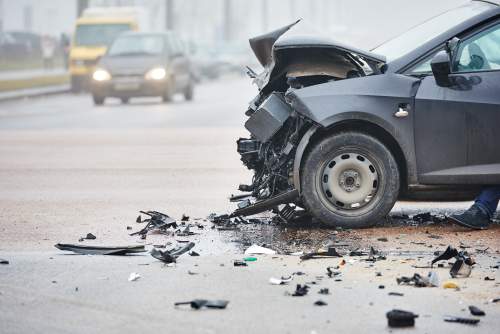
A car accident can cause a traumatic brain injury (TBI) in a fraction of a second. Even when a collision does not leave visible wounds, the sudden forces involved can cause the brain to move inside the skull, disrupt delicate nerve fibers, or damage brain tissue. These injuries can affect memory, concentration, balance, speech, mood, and a person’s ability to work or perform everyday activities.
Traumatic brain injuries are among the most serious consequences of motor vehicle collisions because their effects may not become apparent immediately. A person might walk away from a crash believing they are uninjured, only to develop headaches, confusion, fatigue, or difficulty concentrating hours or days later. In severe cases, a brain injury can result in permanent disability or death.
According to the Centers for Disease Control and Prevention (CDC), approximately 214,110 people were hospitalized for traumatic brain injuries in 2020, and 68,663 TBI-related deaths occurred in 2023. Motor vehicle crashes remain an important cause of traumatic brain injury.
For individuals injured in Illinois car accidents, understanding how these injuries occur, recognizing the warning signs, and obtaining appropriate medical care can be critical to protecting both health and legal rights. The Illinois brain injury lawyers at John J. Malm & Associates help injured people understand their options after serious motor vehicle collisions.
“A serious brain injury can affect every part of a person’s life, from their ability to work to their relationships with family and friends. Our goal is to help injured people pursue the compensation they need to move forward.” — John J. Malm, Naperville car accident attorney
What Is a Traumatic Brain Injury?
A traumatic brain injury occurs when an external force causes damage to the brain or disrupts its normal functioning. This force may result from a direct blow to the head, a sudden jolt, or rapid acceleration and deceleration during a collision. The CDC generally classifies traumatic brain injuries into three categories:
- Mild TBI: Includes most concussions. Although classified as mild based on clinical criteria, these injuries can still cause significant symptoms and lasting complications.
- Moderate TBI: Involves more substantial brain dysfunction and may require hospitalization, intensive monitoring, and rehabilitation.
- Severe TBI: May involve prolonged unconsciousness, substantial brain tissue damage, or life-threatening complications.
A concussion is a form of traumatic brain injury, not simply a minor bump on the head. Some people recover within days or weeks, while others experience persistent symptoms that interfere with their personal and professional lives. Brain injuries may occur even when a person’s head does not strike the steering wheel, window, dashboard, or another surface. The forces generated by a collision alone can cause the brain to move rapidly within the skull.
How Do Car Accidents Cause Brain Injuries?
1. Sudden Acceleration and Deceleration
One of the primary mechanisms of brain injury in a car accident is rapid acceleration and deceleration. When a vehicle stops abruptly, the occupant’s body may continue moving forward because of inertia. The seat belt and airbags help restrain the body, but the head and brain can still experience significant forces.
The brain is soft tissue suspended in cerebrospinal fluid inside the skull. During a collision, sudden movement can cause the brain to shift, deform, or strike the interior of the skull. This movement may damage blood vessels and delicate neural structures.
For example, a driver struck from behind may experience a sudden forward-and-backward movement of the head and neck. Even without a direct head impact, this motion can contribute to a concussion or other brain injury.
2. Direct Impact to the Head
A traumatic brain injury can also occur when a person’s head strikes part of the vehicle or another object during a collision. Common impact points include:
- The steering wheel or dashboard.
- A side window or windshield.
- The vehicle’s roof during a rollover.
- A headrest or seat structure.
- Objects inside the vehicle that become projectiles during impact.
The severity of an injury depends on several factors, including the force and location of the impact, the direction of movement, and the person’s individual circumstances. A direct blow may cause a concussion, a skull fracture, bleeding inside the skull, or damage to underlying brain tissue.
3. Rotational Forces and Shearing of Brain Tissue
Not all brain injuries result from straight-line movement. Rotational forces can cause the brain to twist or rotate inside the skull. This movement may stretch or tear nerve fibers, a process associated with diffuse axonal injury.
Diffuse axonal injury can disrupt communication between different areas of the brain. In serious cases, it may result in prolonged unconsciousness, coma, or permanent neurological impairment. These injuries can be particularly difficult to diagnose because the damage may involve microscopic changes that are not immediately visible on a routine CT scan.
4. Side-Impact and T-Bone Collisions
Side-impact collisions can expose occupants to substantial forces because the sides of most passenger vehicles offer less structural space for absorbing an impact than the front and rear crumple zones.
When another vehicle strikes the driver’s or passenger’s side, the occupant’s head may move rapidly sideways or strike the window or door. Brain injuries may occur alongside facial injuries, skull fractures, and neck trauma.
5. Rollover Accidents
During a rollover, occupants may experience repeated changes in direction, impacts with the vehicle’s interior, and significant rotational forces. The risk of serious head trauma can be particularly high when an occupant is ejected or the roof structure collapses.
Research published in Traffic Injury Prevention found that concussion risk in tow-away crashes varied by collision type and was highest in rollover crashes in the study’s analysis. The same research found that seat belt use reduced concussion risk and substantially lowered the risk of severe head injury. These findings illustrate the importance of restraints without suggesting that seat belts eliminate all risk.
Types of Traumatic Brain Injuries Caused by Car Accidents
The medical consequences of a collision depend on the type, location, and severity of the brain injury. Some injuries resolve with treatment and rest, while others require surgery, rehabilitation, or lifelong support.
Concussions
A concussion is a mild traumatic brain injury caused by a blow or jolt that disrupts normal brain function. Symptoms may include headache, dizziness, nausea, confusion, sensitivity to light or sound, and difficulty concentrating.
Concussions can occur without a loss of consciousness. A person who remains awake and alert after a crash may still have a significant brain injury and should seek medical evaluation if symptoms develop.
Contusions and Brain Bleeding
A brain contusion is bruising of brain tissue, often caused by the brain striking the inside of the skull. Severe contusions can cause swelling and may require intensive medical treatment. Car accidents can also cause bleeding inside the skull, including:
- Subdural hematoma: Blood collects between the brain’s covering and the brain itself.
- Epidural hematoma: Blood accumulates between the skull and the outer covering of the brain.
- Subarachnoid hemorrhage: Bleeding occurs in the space surrounding the brain.
- Intracerebral hemorrhage: Blood collects within the brain tissue.
Intracranial bleeding can increase pressure inside the skull and become life-threatening. Symptoms may initially be subtle before deteriorating rapidly.
Diffuse Axonal Injury
Diffuse axonal injury occurs when rapid acceleration, deceleration, or rotation stretches or tears nerve fibers throughout the brain. It can cause profound neurological impairment, including prolonged unconsciousness, cognitive difficulties, and permanent disability.
Because this injury may affect widespread areas of the brain, its consequences can be substantial even when there is no obvious external head wound.
Skull Fractures
A skull fracture occurs when the force of a collision breaks one or more bones of the skull. A fracture may occur alongside a concussion, brain contusion, or intracranial hemorrhage. Some fractures require surgery or close monitoring to prevent infection, pressure buildup, and additional neurological damage.
Symptoms of a Brain Injury After a Car Accident
Recognizing the symptoms of a traumatic brain injury is essential because not every injury is immediately apparent. The CDC explains that TBI symptoms can affect thinking, physical functioning, emotions, and sleep. Common symptoms include:
- Persistent or worsening headaches.
- Dizziness, balance problems, or difficulty walking.
- Nausea or vomiting.
- Confusion, disorientation, or feeling mentally slowed down.
- Memory loss, including difficulty remembering the collision.
- Blurred vision or sensitivity to light and noise.
- Unusual irritability, anxiety, sadness, or mood swings.
- Difficulty concentrating or completing familiar tasks.
- Fatigue, excessive sleepiness, or changes in sleeping patterns.
- Ringing in the ears or problems with coordination.
Seek emergency medical care immediately for warning signs such as a worsening headache, repeated vomiting, seizures, slurred speech, weakness or numbness, unequal pupils, increasing confusion, or difficulty waking. Loss of consciousness is also a serious warning sign.
Do not assume that symptoms are harmless because they appear several hours after a collision. Some brain injuries worsen over time as bleeding or swelling develops. Prompt evaluation can help identify potentially life-threatening complications.
Why Some Brain Injuries Are Difficult to Diagnose
A person can sustain a traumatic brain injury without having a visible wound, a broken bone, or a clear abnormality on an initial scan. This can make brain injuries difficult for patients, families, and even medical professionals to recognize. Doctors may use several methods to evaluate a suspected brain injury, including:
- Neurological examinations: Assessing alertness, memory, coordination, reflexes, speech, and other functions.
- CT scans: Identifying acute bleeding, skull fractures, and certain forms of brain damage.
- MRI scans: Providing more detailed images that may help identify abnormalities not seen on a CT scan.
- Cognitive assessments: Evaluating attention, processing speed, memory, and executive functioning.
- Follow-up examinations: Monitoring symptoms and recovery over time.
Not every concussion requires imaging, and neither a normal CT scan nor a normal MRI necessarily rules out a concussion. Medical providers determine which tests are appropriate based on symptoms, examination findings, and clinical risk factors.
Individuals who continue experiencing headaches, memory problems, fatigue, or other symptoms should follow up with their healthcare providers. Depending on the injury, treatment may include medication, cognitive rehabilitation, vestibular therapy, occupational therapy, or a gradual return to work and other activities.
Long-Term Consequences of Car Accident Brain Injuries
The effects of a traumatic brain injury can extend far beyond the initial emergency room visit. While some people recover fully, others experience symptoms that persist for months, years, or longer.
Cognitive and Emotional Effects
A brain injury may interfere with memory, attention, reasoning, planning, and decision-making. Someone who previously managed a demanding job may struggle to organize tasks, process information, or maintain concentration.
Emotional and behavioral changes can also occur. Injured individuals may experience irritability, anxiety, depression, impulsivity, or difficulty controlling their emotions. These changes can place considerable strain on marriages, friendships, and family relationships.
Physical Limitations
Depending on the injury, a person may experience chronic headaches, dizziness, balance difficulties, vision problems, fatigue, or impaired coordination. More severe injuries can affect mobility, communication, and the ability to perform routine activities independently.
Financial and Employment Consequences
The financial effects of a serious brain injury may include:
- Emergency treatment and hospitalization.
- Neurological consultations and diagnostic testing.
- Rehabilitation and ongoing therapy.
- Prescription medications and assistive devices.
- Lost wages during recovery.
- Reduced future earning capacity.
- Long-term care or assistance with daily activities.
These costs can be substantial, especially when an injured person cannot return to the same occupation or requires ongoing support.
Who Is Liable for a Traumatic Brain Injury After a Car Accident in Illinois?
When a car accident causes a traumatic brain injury, the injured person may have grounds for a personal injury claim if another party’s negligence caused or contributed to the collision. Liability depends on the available evidence and the specific circumstances of the crash. Potentially responsible parties may include:
- Negligent drivers: Drivers who speed, run red lights, follow too closely, drive distracted, or operate a vehicle while impaired.
- Commercial vehicle operators and employers: A truck driver or another commercial operator may be responsible for a collision, and an employer may also be liable under applicable law.
- Vehicle manufacturers: A manufacturer may be liable when a defective vehicle component, such as a seat belt or airbag, contributes to the injury.
- Other responsible parties: Depending on the circumstances, a maintenance provider or another entity may bear responsibility.
A traumatic brain injury claim may involve complex medical evidence. Attorneys may need to connect the collision to the diagnosis, document the injury’s effects, and establish the costs of future treatment and lost earning capacity.
What Compensation May Be Available for a Car Accident Brain Injury?
Depending on the facts and applicable law, an injured person may seek compensation for economic and noneconomic losses, including:
- Past and future medical expenses.
- Lost wages and reduced future earning capacity.
- Rehabilitation, therapy, and necessary long-term care.
- Pain and suffering.
- Emotional distress and loss of normal life.
- Disability and permanent impairment.
A claim involving a serious brain injury should account for both current losses and reasonably anticipated future needs. For example, a person with persistent cognitive impairment may need continuing treatment, workplace accommodations, vocational assistance, or help with everyday activities.
Insurance companies may question whether symptoms are related to the accident, particularly when the injury was not diagnosed immediately or imaging results are inconclusive. Consistent medical care, appropriate expert evaluations, and well-organized documentation can help establish the nature and impact of the injury.
In Illinois, the general deadline for filing a personal injury lawsuit is two years from the date the cause of action accrued, subject to statutory exceptions. Different rules may apply to claims involving government entities, minors, and other circumstances. Anyone considering a claim should obtain legal advice promptly rather than assume an extension applies.
Frequently Asked Questions about Traumatic Brain Injuries
Can a car accident cause a brain injury without hitting your head?
Yes. Rapid acceleration, deceleration, and rotational forces can cause the brain to move or deform inside the skull. A direct head impact is not necessary for a concussion or another traumatic brain injury to occur.
Can a concussion occur in a low-speed car accident?
Yes. Although injury risk generally depends on factors such as collision severity, direction, restraint use, and individual circumstances, a low-speed collision can still cause a concussion. Symptoms and medical findings matter more than assumptions based solely on vehicle damage.
How long after a car accident can brain injury symptoms appear?
Some symptoms appear immediately, while others develop over hours or days. Delayed symptoms can include headaches, dizziness, confusion, memory difficulties, and fatigue. Worsening symptoms require prompt medical evaluation.
Can a traumatic brain injury be permanent?
Yes. Some people recover completely, but moderate and severe TBIs can cause lasting cognitive, physical, emotional, or behavioral impairments. Even some people with mild TBIs experience persistent symptoms that require continued medical care.
Can I pursue compensation if I did not lose consciousness?
Yes. Loss of consciousness is not required to establish a traumatic brain injury. Medical evidence, symptoms, diagnostic findings, and the circumstances of the collision can all be relevant to a personal injury claim.
What should I do if I suspect a brain injury after a car accident?
Seek medical evaluation promptly and follow your healthcare provider’s instructions. Keep records of symptoms, appointments, treatment recommendations, missed work, and out-of-pocket expenses. Avoid returning to strenuous activities until your medical provider advises that it is appropriate.
How can a lawyer help with a traumatic brain injury claim?
A personal injury attorney can investigate the crash, preserve relevant evidence, obtain medical records, consult appropriate experts, communicate with insurance companies, and evaluate the full extent of your losses. The attorney can also explain applicable deadlines and help determine whether pursuing a claim is appropriate.
Contact the Top-Rated Illinois Car Accident Lawyers at John J. Malm & Associates After a Brain Injury
A traumatic brain injury can change nearly every aspect of a person’s life. Headaches, memory loss, concentration difficulties, emotional changes, and physical limitations can make it difficult to return to work, maintain relationships, or enjoy activities that were once routine. When another driver’s negligence causes these injuries, victims and their families should not have to navigate the medical, financial, and legal consequences alone.
At John J. Malm & Associates, our Illinois injury attorneys represent people who have suffered serious injuries in car accidents. With more than 95 years of combined litigation experience, our firm works to investigate collisions, establish liability, document the full impact of injuries, and pursue compensation for the losses our clients have experienced. We understand that a brain injury claim involves more than immediate medical bills; it may require careful consideration of future treatment, lost earning capacity, rehabilitation, and the lasting effects on daily life.
If you or someone you love suffered a traumatic brain injury in an Illinois car accident, contact John J. Malm & Associates at (630) 527-4177 to discuss your situation. Our firm offers free consultations to help injured individuals understand their legal options. Contact our firm after an accident to learn how we can help protect your rights and pursue the compensation you deserve.