- Free Consultation: (630) 527-4177 Tap Here to Call Us















Why Car Accidents Caused By Dust Storms Are So Dangerous


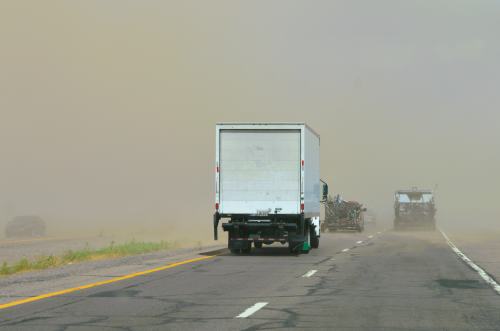
Blowing dust is one of the most underestimated roadway hazards in the United States. Unlike rain, snow, or ice, which drivers anticipate, dust storms and sudden wind-driven soil events can appear with little warning and instantly reduce visibility to near zero. These conditions often lead to catastrophic, multi-vehicle collisions, serious injuries, and fatalities.
For drivers across the country, including here in Illinois, understanding how blowing dust causes crashes and how liability is determined is critical if you or a loved one has been injured.
What Is Blowing Dust and Why Is It So Dangerous?
Blowing dust occurs when strong winds lift loose dirt, sand, or soil into the air, creating a dense cloud that can engulf roadways. These events are especially common in dry regions but can occur anywhere conditions allow, including agricultural areas in the Midwest.
According to the National Oceanic and Atmospheric Administration (NOAA), blowing dust can develop rapidly and cause visibility to drop to near zero within minutes, creating extremely dangerous driving conditions.
Similarly, the National Weather Service warns that dust storms often arrive suddenly as a “wall of dust,” leaving drivers with little time to react.
Key Hazards of Blowing Dust:
- Sudden and severe visibility loss
- Disorientation of drivers
- Increased stopping distances
- Chain-reaction crashes and pileups
- Reduced road traction in some conditions
These factors combine to create one of the most dangerous driving environments possible.
Statistics on Dust-Related Car Accidents
Although dust storms receive less attention than other weather events, their impact is significant.
- Windblown dust events have caused numerous fatalities across decades in the United States, with researchers noting that these incidents are often underreported.
- Some studies suggest dust-related events can cause more deaths in certain years than well-known hazards like thunderstorms or hurricanes.
- Visibility during a dust storm can drop from normal conditions to near zero in seconds, dramatically increasing crash risk.
- Dust storms frequently lead to multi-vehicle pileups, sometimes involving dozens of cars and resulting in multiple fatalities.
A recent 2026 blowing dust event in Colorado, for example, contributed to a multi-vehicle crash with fatalities on Interstate 25, illustrating how quickly these incidents can escalate.
How Blowing Dust Causes Car Accidents
Blowing dust affects multiple aspects of driving simultaneously, making it uniquely hazardous.
1. Sudden Loss of Visibility
The most immediate danger is the inability to see. Drivers may go from clear conditions to total blindness within seconds, leaving no time to slow down safely.
2. Chain-Reaction Collisions
When one vehicle slows or stops abruptly, others behind it often cannot react in time. This leads to multi-car pileups, which are common in dust-related crashes.
3. Driver Panic and Poor Decision-Making
Drivers may:
- Slam on brakes
- Stop in traffic lanes
- Veer off the roadway
These reactions often worsen the situation and increase crash severity.
4. Misleading Visual Cues
Dust clouds can obscure:
- Brake lights
- Lane markings
- Road edges
This disorientation increases the likelihood of collisions.
Where Dust-Related Accidents Occur
While dust storms are most common in the Southwest, they are not limited to desert regions.
High-Risk Areas Include:
- Agricultural regions with loose soil (including Illinois farmland)
- Construction zones
- Dry, windy highways
- Open rural roadways
Illinois has experienced deadly dust-related crashes in recent years, demonstrating that this hazard is not confined to traditionally “dust-prone” states.
Common Injuries in Blowing Dust Car Accidents
Because many dust-related crashes involve high speeds and multiple vehicles, injuries are often severe.
Common Injuries Include:
- Traumatic brain injuries (TBIs)
- Spinal cord injuries and paralysis
- Broken bones and orthopedic trauma
- Internal bleeding and organ damage
- Severe lacerations and burns
- Wrongful death
Multi-vehicle collisions also increase the likelihood of catastrophic injuries due to repeated impacts.
Liability in Blowing Dust Car Accident Cases
A common misconception is that dust storms make accidents unavoidable. While weather is a factor, drivers still have a legal duty to operate their vehicles safely.
Potentially Liable Parties:
- Negligent drivers (speeding, following too closely, failing to adjust to conditions)
- Commercial trucking companies (if drivers are improperly trained or fatigued)
- Employers (for negligent supervision or scheduling)
Even in poor visibility, drivers are expected to reduce speed and maintain control of their vehicles.
Safety Tips for Driving in Blowing Dust
The National Weather Service provides clear guidance for motorists caught in dust storms.
If You Encounter Blowing Dust:
- Avoid driving into a dust cloud if possible
- Pull off the road completely
- Turn off all lights to avoid misleading other drivers
- Set the parking brake
- Keep your foot off the brake pedal
Failing to follow these safety measures can increase the risk of a collision.
Why You Need a Trial-Ready Lawyer After a Dust-Related Crash
Blowing dust accident cases are often complex. Insurance companies frequently argue that weather, not negligence, caused the crash. This can make it difficult for victims to recover compensation.
An experienced, Illinois trial-ready personal injury lawyer can:
- Investigate weather and roadway conditions
- Analyze crash reports and expert data
- Identify negligent drivers and responsible parties
- Challenge insurance company defenses
- Prepare the case for trial if necessary
As Naperville personal injury attorney John J. Malm explains: “When visibility drops to zero, the law doesn’t disappear. Drivers still have a duty to act reasonably, and when they don’t, they can and should be held accountable.”
FAQ: Blowing Dust Car Accidents
Q: Are drivers always at fault in a dust storm crash?
A: No. While weather plays a role, drivers must still operate their vehicles safely. Fault often depends on whether a driver acted reasonably under the circumstances.
Q: Can multiple drivers be liable?
A: Yes. Many dust-related crashes involve chain reactions, meaning multiple parties may share liability.
Q: What if visibility was completely zero?
A: Even in zero visibility, drivers are expected to slow down or pull off the road safely. Continuing to drive at unsafe speeds may constitute negligence.
Q: Are these accidents common in Illinois?
A: While less frequent than in desert states, Illinois has experienced serious and fatal dust-related crashes, particularly in rural and agricultural areas.
Contact the top Naperville Car Accident Lawyers at John J. Malm & Associates
Blowing dust accidents are sudden, violent, and often devastating. If you or a loved one has been injured in a crash caused by poor visibility or dangerous driving conditions, you need a legal team that understands how to investigate these complex cases and hold negligent parties accountable.
At John J. Malm & Associates, we have decades of experience handling serious injury and wrongful death claims throughout Illinois. We prepare every case as if it will go to trial because that’s what it takes to secure maximum compensation.
Don’t let an insurance company blame the weather and deny your claim. Contact our office today for a free consultation and let us fight for the justice and recovery you deserve.