- Free Consultation: (630) 527-4177 Tap Here to Call Us














Can You Get A Dislocated Shoulder From a Car Accident?


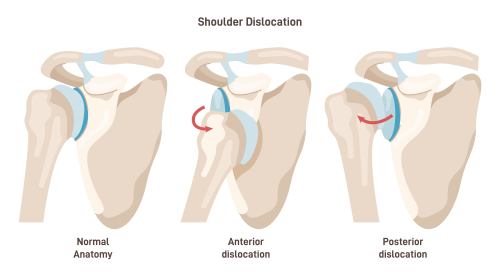
A car accident can cause a wide range of injuries, from relatively minor bruises and strains to catastrophic trauma. One painful injury that can occur during a collision is a dislocated shoulder. A shoulder dislocation happens when the upper end of the arm bone, called the humeral head, is forced out of the shoulder socket. Because the shoulder is the body’s most mobile major joint, it is particularly vulnerable to traumatic injury.
A dislocated shoulder from a car accident can cause intense pain, loss of mobility, swelling, weakness, and damage to surrounding tissues. In some cases, the injury can also involve torn ligaments, tendons, nerves, blood vessels, or a fracture. Treatment may require emergency reduction, immobilization, physical therapy, diagnostic imaging, and sometimes surgery.
If another driver’s negligence caused your crash, you may be entitled to compensation for medical expenses, lost wages, pain and suffering, and other damages associated with your shoulder injury.
“A shoulder injury can affect much more than a person’s ability to move an arm. When a car accident causes a dislocation, the injury can interfere with work, family responsibilities, recreation, and everyday life. We believe injured clients deserve to have the full impact of their injuries understood and properly presented.” — John J. Malm, Naperville car accident attorney
How Common Are Shoulder Dislocations?
Shoulder dislocations are relatively common traumatic injuries in the United States. A national study of emergency department data from 2012 through 2021 estimated approximately 773,039 shoulder dislocations during that period. Researchers found an annual incidence of approximately 23.96 shoulder dislocations per 100,000 people. Men accounted for approximately 69.5% of cases in that study.
Another study examining emergency department shoulder dislocations from 1997 through 2021 estimated nearly 1.92 million shoulder dislocations nationally over the 25-year period, with an overall incidence of approximately 25.2 per 100,000 person-years. The study found that 4.4% of recorded dislocations occurred on streets or highways, a category that can include injuries resulting from motor vehicle crashes.
Car accidents represent one of the many high-energy mechanisms capable of forcing the shoulder out of its normal position. Unlike many sports-related shoulder injuries, a collision can expose the body to sudden forces involving the steering wheel, seat belt, airbag, vehicle interior, or impact with another vehicle.
Motor vehicle crashes remain a significant source of traumatic injury in the United States. According to the National Highway Traffic Safety Administration, 40,901 people were killed in motor vehicle crashes in 2023. Although fatalities declined from 2022, the enormous number of crashes occurring nationwide means that many more people survive collisions with serious, potentially disabling injuries.
How Does a Car Accident Cause a Dislocated Shoulder?
A shoulder dislocation occurs when sufficient force pushes the humeral head out of the glenoid socket. During a car accident, that force can occur in several different ways. A driver or passenger may instinctively brace against the dashboard or steering wheel during a collision. The arms may be extended when the vehicle suddenly stops, placing substantial force through the shoulder. The shoulder may also be violently pulled or rotated as the body moves while restrained by a seat belt.
An impact can also cause the shoulder itself to strike the vehicle’s interior. In a side-impact crash, for example, the force of the collision can be transmitted directly through the shoulder and upper arm. Common circumstances that can contribute to a traumatic shoulder dislocation include:
- A frontal collision causing the body to move violently forward.
- A side-impact crash striking the driver’s or passenger’s side.
- A rollover accident producing multiple impacts.
- A collision in which the occupant strikes the dashboard or door.
- A crash in which the arm is extended or positioned awkwardly.
- A motorcycle or bicycle collision involving a direct impact or fall.
- A pedestrian accident in which the victim lands on an outstretched arm.
The severity of the crash does not always correspond perfectly with the severity of an individual injury. Even a person involved in a collision that appears relatively minor may suffer a significant orthopedic injury.
Symptoms of a Dislocated Shoulder After a Crash
A dislocated shoulder usually produces symptoms that are difficult to ignore. The American Academy of Orthopaedic Surgeons identifies shoulder pain, stiffness, loss of normal rotation, and weakness as important warning signs of shoulder injury.
After a car accident, symptoms may include:
- Severe or sudden shoulder pain.
- An obvious change in the appearance of the shoulder.
- Inability to move the arm normally.
- Swelling or bruising.
- Muscle spasms.
- Weakness or numbness.
- Tingling in the arm or hand.
- A feeling that the shoulder is unstable.
- Difficulty lifting or rotating the arm.
A shoulder dislocation is a medical emergency. Someone who believes a shoulder has been dislocated should not attempt to force the joint back into place. Manipulating the shoulder without appropriate medical training can worsen damage to nerves, blood vessels, bones, or surrounding soft tissue.
After a collision, emergency medical evaluation is especially important because shoulder dislocations can occur alongside other injuries.
Other Injuries That Can Accompany a Dislocated Shoulder
A dislocated shoulder does not necessarily occur in isolation. The same force that moves the shoulder out of its socket can damage other structures. Potential associated injuries include:
- Rotator cuff tears.
- Labral tears.
- Torn ligaments.
- Fractures of the humerus or shoulder blade.
- Nerve injuries.
- Blood-vessel injuries.
- Muscle damage.
- Tendon injuries.
- Chronic shoulder instability.
A traumatic shoulder dislocation can therefore become a much more complicated injury than simply “putting the shoulder back in place.” In addition, people who have previously dislocated a shoulder may have a greater risk of experiencing another dislocation. Research has identified chronic pain and instability as potential consequences associated with shoulder dislocations.
Diagnosis and Treatment for a Dislocated Shoulder
Doctors typically evaluate the shoulder through a physical examination and imaging studies. X-rays may be used to determine whether the joint is dislocated and whether a fracture has occurred. Additional imaging, such as an MRI, may be appropriate when physicians need to evaluate soft-tissue damage.
Treatment often begins with reduction, which means returning the humeral head to its proper position within the shoulder socket. This should be performed by a trained medical professional. Depending on the injury, treatment may include:
- Emergency reduction of the shoulder.
- A sling or immobilizer.
- Prescription or over-the-counter pain medication.
- Ice and activity restrictions.
- Physical therapy.
- Follow-up orthopedic care.
- MRI or other diagnostic testing.
- Surgical repair when significant structural damage is present.
Physical therapy can be particularly important because immobilization following a dislocation can contribute to stiffness and weakness. Rehabilitation may focus on restoring range of motion, strengthening the shoulder, and improving joint stability.
Recovery time varies considerably. Some people recover with conservative treatment, while others require months of rehabilitation or surgical intervention.
Can a Dislocated Shoulder Cause Long-Term Problems?
Yes. A shoulder dislocation can have consequences that continue long after the initial emergency treatment. Some patients experience persistent pain, weakness, reduced range of motion, or shoulder instability. Recurrent dislocations can be particularly problematic because the initial injury may damage structures responsible for stabilizing the joint.
The updated epidemiological research on shoulder dislocations notes that glenohumeral dislocation may predispose patients to chronic pain and instability.
For someone who works in a physically demanding occupation, these complications can have significant consequences. A shoulder injury may interfere with lifting, reaching, driving, operating machinery, carrying objects, or performing repetitive movements. This is why a person injured in a car accident should not assume that the injury is resolved simply because the shoulder has been reduced.
Proving a Car Accident Caused Your Shoulder Injury
When a dislocated shoulder follows a collision, an insurance company may attempt to argue that the injury was pre-existing, unrelated to the crash, or less serious than claimed.
Medical documentation can be critical in establishing causation. The timeline of symptoms and treatment can help demonstrate the connection between the collision and the injury. Important evidence may include:
- Emergency room records.
- X-rays, MRI results, and other imaging.
- Orthopedic records.
- Physical therapy records.
- Prescription records.
- Photographs of visible injuries.
- Accident-scene photographs.
- Police reports.
- Vehicle damage photographs.
- Witness statements.
- Insurance correspondence.
- Employment and wage records.
It is also important to follow the treatment plan recommended by medical professionals. Gaps in treatment can give an insurance company an opportunity to argue that the injury was not as serious as claimed.
Compensation for a Dislocated Shoulder After a Car Accident
If another driver’s negligence caused your accident, you may be able to pursue compensation for both economic and noneconomic losses. Depending on the circumstances, damages may include:
- Emergency medical treatment.
- Diagnostic testing.
- Orthopedic treatment.
- Physical therapy.
- Surgery and hospitalization.
- Prescription medications.
- Future medical expenses.
- Lost income.
- Reduced earning capacity.
- Pain and suffering.
- Emotional distress.
- Permanent impairment.
- Loss of normal activities and enjoyment of life.
The value of a claim depends on the facts of the individual case. A shoulder dislocation requiring surgery and causing permanent limitations may have substantially different damages from an injury that resolves after several weeks of conservative treatment.
What Can Affect the Value of a Shoulder Injury Claim?
Several factors can influence the potential value of a personal injury claim, including:
- The severity of the shoulder injury.
- Whether surgery is necessary.
- The length of physical therapy.
- Whether the shoulder becomes chronically unstable.
- Whether the injury causes permanent impairment.
- The amount of medical expenses.
- The amount of income lost.
- Whether future treatment is anticipated.
- The effect of the injury on work and daily activities.
- The extent to which the accident caused the injury.
An experienced personal injury attorney can investigate the accident, review the medical evidence, identify available insurance coverage, and pursue appropriate compensation. At John J. Malm & Associates, our attorneys understand that an injury claim involves more than simply adding up medical bills. The long-term physical and financial consequences of an orthopedic injury can be substantial.
Frequently Asked Questions About Dislocated Shoulders From Car Accidents
Can a car accident cause a dislocated shoulder?
Yes. The sudden forces generated during a motor vehicle collision can force the upper arm bone out of the shoulder socket. A shoulder can also be injured when an occupant strikes the vehicle interior or braces against the steering wheel or dashboard.
How do I know if my shoulder is dislocated after an accident?
Severe pain, an abnormal shoulder appearance, inability to move the arm normally, swelling, weakness, numbness, or a feeling of instability can indicate a dislocation or another serious shoulder injury. Seek prompt medical attention rather than attempting to manipulate the joint yourself.
How long does it take to recover from a dislocated shoulder?
Recovery varies based on the severity of the injury, associated damage, treatment, age, health, and rehabilitation. Some patients recover with reduction and physical therapy, while others require surgery and a substantially longer recovery.
Can I receive compensation if my shoulder was already injured before the accident?
Potentially. A pre-existing condition does not automatically prevent someone from recovering damages when a collision aggravates or worsens that condition. Medical evidence is important in establishing what changed after the accident and what treatment became necessary.
What if the insurance company says my shoulder injury was pre-existing?
Do not assume the insurance company’s position is correct. Medical records, diagnostic imaging, treatment histories, physician opinions, and evidence concerning your condition before and after the crash can help establish whether the collision caused a new injury or aggravated an existing condition.
Should I hire a lawyer for a dislocated shoulder after a car accident?
It can be beneficial to consult a personal injury attorney, particularly when the injury requires extensive treatment, surgery, prolonged rehabilitation, causes lost income, or may result in permanent limitations. An attorney can investigate liability and help determine what compensation may be available.
Contact the 5-Star Rated Illinois Shoulder Injury Lawyers at John J. Malm & Associates After a Car Accident
A dislocated shoulder after a car accident can be far more serious than it initially appears. The injury may require emergency treatment, orthopedic care, physical therapy, and potentially surgery. It can also interfere with your ability to work, care for your family, drive, exercise, and perform ordinary daily activities.
If another driver’s negligence caused your collision, you should not have to bear the financial consequences of someone else’s conduct alone. John J. Malm & Associates represents people injured in car accidents and other serious personal injury cases throughout Illinois. Our attorneys can investigate what happened, review your medical evidence, deal with the insurance companies, and pursue the compensation you may be entitled to receive.
If you suffered a dislocated shoulder or another serious injury in a car accident, contact John J. Malm & Associates for a consultation about your legal rights. The sooner your case is investigated, the sooner important evidence can be preserved and your legal options can be evaluated.