- Free Consultation: (630) 527-4177 Tap Here to Call Us















Are Electric Scooters Street Legal in Illinois?


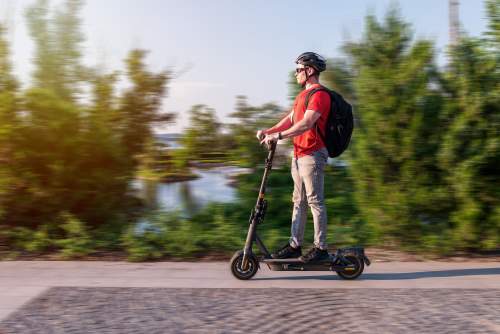
Electric scooters have become an increasingly common sight on Illinois streets, sidewalks, bike paths, and other public areas. They offer a convenient way to travel short distances without a car, but their legal status can be confusing. Riders may wonder whether they need a driver’s license, whether they can ride on a public street, whether electric scooters can be used on sidewalks, and what happens if they are injured in a collision.
So, are electric scooters street legal in Illinois? The answer is generally yes, but Illinois law places important restrictions on where and how certain electric scooters may be operated. In addition, local governments have authority to regulate electric scooters in their jurisdictions.
Illinois enacted specific statutory provisions governing “low-speed electric scooters” through Public Act 103-0899, effective August 9, 2024. Under the law currently in effect in 2026, a low-speed electric scooter is generally a device weighing less than 100 pounds, having two or three wheels, handlebars, and a floorboard, and capable of traveling no more than 10 miles per hour.
Importantly, Illinois has already enacted legislation that will change that definition beginning January 1, 2027. Public Act 104-0854 raises the maximum speed for a “low-speed electric scooter” from 10 mph to 15 mph and creates additional classifications for electric micromobility devices.
“Electric scooters may be convenient, but riders have little protection when they collide with a motor vehicle or are thrown onto pavement. After a serious scooter accident, it is important to preserve the evidence and determine exactly how the collision happened. A careful investigation can help identify whether a negligent driver, defective product, dangerous roadway, or another factor contributed to the injuries.” — John J. Malm, Naperville e-scooter accident attorney
What Is Considered an Electric Scooter Under Illinois Law?
For purposes of the Illinois Vehicle Code, the legal definition matters. Not every device marketed as an “electric scooter” necessarily falls under the same rules. Under the law currently applicable in 2026, a low-speed electric scooter must:
- Weigh less than 100 pounds;
- Have two or three wheels;
- Have handlebars;
- Have a floorboard on which the rider can stand;
- Be powered by an electric motor and human power; and
- Have a maximum speed of no more than 10 mph.
The statute specifically excludes mopeds and motor-driven cycles from the definition of a low-speed electric scooter. That distinction is important because some electric scooters sold to consumers are capable of speeds substantially greater than 10 mph. A faster device may not qualify as a “low-speed electric scooter” under the current Illinois statute and may instead fall under different vehicle classifications.
Beginning January 1, 2027, Illinois law will define a low-speed electric scooter as a qualifying device with a maximum speed of 15 mph or less. The new law will also define a “high-speed electric scooter” as a two- or three-wheeled device whose maximum speed exceeds 15 mph.
Can You Ride an Electric Scooter on Illinois Streets?
Yes, but there are significant restrictions. Under current Illinois law, municipalities, park districts, forest preserve districts, and conservation districts may authorize and regulate the operation of low-speed electric scooters on highways, sidewalks, trails, and other public rights-of-way where bicycles are permitted. This means Illinois does not simply establish one universal rule allowing every electric scooter to operate everywhere. Local regulation matters.
A rider therefore should not assume that because an electric scooter is legal somewhere in Illinois, it is automatically permitted on every street, sidewalk, trail, or public path throughout the state. Illinois law currently prohibits a person from operating a low-speed electric scooter:
- On a highway with a posted speed limit greater than 35 mph;
- On a State highway;
- While under the influence of alcohol or drugs;
- In a manner that violates applicable local regulations; or
- In a way that violates the statutory equipment and operating requirements.
The statute also requires riders to comply with several equipment and operating requirements.
Do Electric Scooter Riders Need a Driver’s License?
One important feature of Illinois’ current low-speed electric scooter law is that people operating qualifying low-speed electric scooters are exempt from the ordinary Illinois driver’s-license requirement applicable to motor vehicles. The Illinois Vehicle Code specifically provides an exemption for persons operating low-speed electric scooters in accordance with the scooter statute.
However, that does not mean that every electrically powered two- or three-wheeled device can be operated without a license. The classification of the device is critical. For example, Illinois law separately regulates motor-driven cycles. A device that falls into another statutory category can be subject to substantially different requirements, including licensing, equipment, and roadway restrictions. This is one reason riders should determine the legal classification of their particular scooter rather than relying solely on the manufacturer’s marketing description.
How Old Do You Have to Be to Ride an Electric Scooter in Illinois?
Under the current Illinois low-speed electric scooter statute, a person must be at least 18 years old to operate a low-speed electric scooter. That age restriction is particularly important because electric scooters are frequently used by teenagers and younger riders.
Parents should understand that purchasing or renting an electric scooter does not necessarily mean that a child is legally permitted to operate it on public property. Local rules and the specific type of device can also affect what is permitted.
What Equipment Does an Illinois Electric Scooter Need?
Illinois law establishes several equipment requirements for low-speed electric scooters. When operated at night, a scooter must have appropriate lighting and reflectors. The law requires a front lamp that produces a white light visible from at least 500 feet and a rear red reflector, or qualifying rear red lamp, with specified visibility requirements. Scooters must also have a brake capable of controlling and stopping the scooter.
Illinois also prohibits certain unsafe operating practices. For example:
- A rider cannot carry an object that prevents the rider from keeping at least one hand on the handlebars.
- A scooter may not carry more than one person.
- A rider cannot attach the scooter or himself or herself to another vehicle operating on the public right-of-way.
- A scooter must be maintained in good operating condition.
- Riding under the influence of alcohol or drugs is prohibited.
These requirements are designed to address some of the unique risks associated with lightweight, small-wheeled electric vehicles.
Electric Scooter Injuries Are a Growing Safety Concern
The legal status of electric scooters is important, but so is the safety issue. National injury data demonstrate that micromobility devices can cause significant injuries. The U.S. Consumer Product Safety Commission’s latest micromobility report covers injuries and deaths associated with e-scooters, e-bikes, hoverboards, and related products from 2017 through 2024. The CPSC has reported that emergency-department-treated injuries involving these devices have increased substantially over time.
Earlier CPSC research estimated approximately 40,400 e-scooter-related injuries treated in U.S. emergency departments in 2023. Fractures were among the most common diagnoses, while the upper and lower extremities, head, and neck were among the body areas most frequently injured. The CPSC has identified several recurring hazards involving electric scooters and other micromobility devices, including:
- Collisions with motor vehicles;
- Loss of rider control;
- Falls;
- Uneven pavement and other roadway hazards;
- Problems involving scooter components; and
- Battery-related fires and overheating.
The CPSC has specifically warned that collisions involving motor vehicles can be particularly dangerous because electric scooters are small and relatively difficult for motorists to see.
What Happens If an Electric Scooter Rider Is Hit by a Car?
An electric scooter rider who is struck by a motor vehicle may suffer serious injuries even when traveling at relatively low speeds. Illinois traffic laws establish rules governing motorists and vulnerable roadway users. Whether a driver, scooter rider, municipality, property owner, scooter company, or another party may be legally responsible after a crash depends on the specific facts. Potential evidence in an electric scooter accident may include:
- Police reports;
- Photographs and videos from the accident scene;
- Traffic-camera footage;
- Surveillance video from nearby businesses;
- Eyewitness statements;
- Cellphone or dash-camera footage;
- The scooter’s electronic data, when available;
- Medical records;
- Accident reconstruction evidence;
- Vehicle damage;
- Roadway and pavement conditions; and
- Evidence concerning whether the scooter complied with applicable state and local requirements.
Determining fault can become particularly important when a driver claims the scooter rider was operating unlawfully. A violation of a traffic rule does not necessarily answer every question concerning civil liability. The circumstances of the collision, the conduct of each party, and the applicable Illinois law must be examined carefully.
What If a Defective Electric Scooter Causes an Injury?
Not every electric scooter accident is caused by a careless driver. Sometimes the scooter itself may contribute to an accident. A defective brake, throttle, tire, handlebar, frame, battery, or other component can create a dangerous condition. The CPSC has issued recalls and safety warnings involving electric scooters and other micromobility products. For example, the agency has investigated scooter defects involving structural failures and battery-related hazards.
If a scooter malfunctions and causes an injury, potential legal claims may involve product liability in addition to, or instead of, a traditional motor-vehicle negligence claim.
Preserving the scooter can therefore be extremely important after a serious accident. Riders should avoid discarding, repairing, modifying, or substantially altering the device before it can be examined when a product defect may be involved.
What If a Dangerous Sidewalk or Road Causes the Crash?
Electric scooter accidents can also involve roadway or property conditions. Small scooter wheels can be particularly vulnerable to potholes, broken pavement, uneven surfaces, debris, construction areas, drainage problems, and other roadway defects. CPSC research has identified pavement issues among hazards associated with e-scooter injuries.
Depending on the circumstances, a claim may potentially involve a municipality, governmental entity, property owner, contractor, or another responsible party. Claims against governmental entities can involve additional legal requirements and deadlines, making prompt legal investigation particularly important.
What Should You Do After an Illinois Electric Scooter Accident?
If you are injured in an electric scooter accident, taking the right steps immediately afterward can help preserve important evidence. Consider taking the following steps:
- Seek medical attention for your injuries, even if symptoms initially seem minor.
- Report the collision to the appropriate authorities when required.
- Photograph the scooter, vehicle, roadway, intersection, and surrounding conditions.
- Obtain contact information from witnesses.
- Preserve the scooter and helmet rather than discarding them.
- Save photographs, videos, receipts, rental information, and other records.
- Do not post detailed statements about the accident on social media.
- Notify your insurance company as appropriate, but be cautious about providing recorded statements before understanding your rights.
- Contact an experienced Illinois scooter accident attorney if you suffered significant injuries.
Some injuries, including concussions, traumatic brain injuries, fractures, spinal injuries, and internal injuries, may not be immediately apparent. Prompt medical evaluation can be important both for treatment and for documenting the nature and extent of an injury.
Frequently Asked Questions About Electric Scooters in Illinois
Are electric scooters legal in Illinois?
Yes. Illinois law permits qualifying low-speed electric scooters, subject to state restrictions and local authorization and regulation. The rules can vary depending on where the scooter is being operated.
Can you ride an electric scooter on the road in Illinois?
A qualifying low-speed electric scooter may be operated on certain public roads when permitted under applicable state and local rules. Illinois prohibits operation on State highways and on highways with posted speed limits exceeding 35 mph.
Do you need a driver’s license to ride an electric scooter?
A person operating a qualifying low-speed electric scooter under Illinois law is exempt from the ordinary driver’s-license requirement. Different rules may apply to devices that fall into other vehicle classifications.
How old do you have to be to ride an electric scooter in Illinois?
Under the law currently in effect in 2026, a person must be at least 18 years old to operate a low-speed electric scooter.
Can two people ride on an electric scooter?
No. Illinois law prohibits using a low-speed electric scooter to carry more than one person.
Can you ride an electric scooter while drinking alcohol?
No. Illinois law prohibits operating a low-speed electric scooter on a public highway while under the influence of alcohol or drugs.
What should I do if I am injured in an electric scooter accident?
Seek medical attention, report the accident when appropriate, preserve the scooter and other evidence, document the scene, obtain witness information, and consider speaking with an experienced Illinois personal injury attorney before making statements or accepting a settlement.
Contact the 5-Star Rated Illinois Injury Attorneys at John J. Malm & Associates After an Electric Scooter Accident
An electric scooter accident can leave an injured rider facing medical bills, lost income, painful injuries, and uncertainty about who is responsible. Whether you were struck by a negligent driver, injured because of a dangerous roadway or sidewalk, or hurt because an electric scooter malfunctioned, determining what happened requires a careful investigation of the facts and applicable Illinois law.
If you or a loved one has been injured in an electric scooter accident, contact John J. Malm & Associates for a free consultation. Our experienced Illinois e-scooter accident attorneys can investigate the accident, identify potentially responsible parties, preserve important evidence, and pursue the compensation you may be entitled to under Illinois law.