

EXPERIENCED PERSONAL INJURY ATTORNEYS














Wayne, IL Pedestrian Accident Lawyers
Dedicated Injury Attorneys Fighting for Walkers, Runners, and Trail Users
Wayne, Illinois, is known for its rural character, spacious residential properties, equestrian heritage, and scenic outdoor spaces. Residents and visitors enjoy walking, jogging, bicycling, and exploring the community’s natural surroundings. From the roads connecting residential properties to the trails running through nearby forest preserves, pedestrians are an important part of Wayne’s transportation and recreational environment.
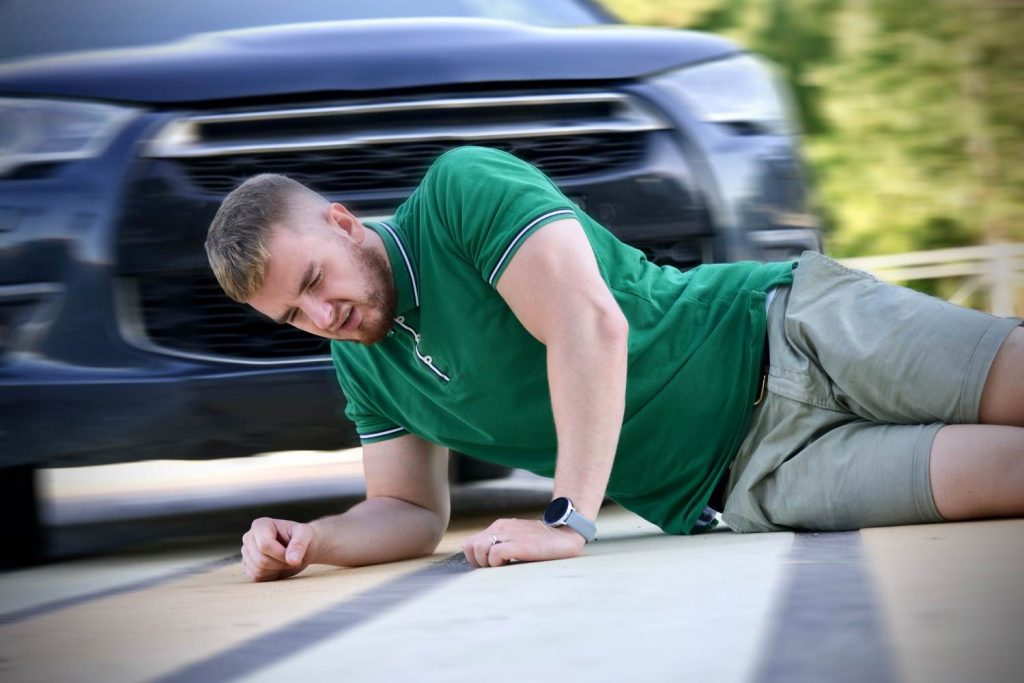
However, Wayne’s rural setting does not eliminate pedestrian accident risks. In some respects, the combination of winding roads, limited pedestrian infrastructure, vehicle traffic, private driveways, and higher-speed connecting routes can create unique hazards for people traveling on foot. A driver who fails to slow down near a pedestrian, passes too closely, or does not anticipate someone walking along a rural roadway can cause devastating injuries.
A pedestrian struck by a vehicle has little physical protection against the force of the collision. Even a vehicle traveling at a relatively moderate speed can cause traumatic brain injuries, spinal cord damage, broken bones, internal injuries, and permanent disabilities. For people injured in Wayne pedestrian accidents, the consequences may include extensive medical treatment, lost income, long-term rehabilitation, and an inability to return to normal activities.
At John J. Malm & Associates, our Illinois pedestrian accident attorneys represent individuals and families injured by negligent drivers. We understand the importance of investigating the specific roadway conditions and circumstances surrounding pedestrian accidents in Wayne and the surrounding communities.
Pedestrian Safety in Wayne: A Different Kind of Suburban Environment
Wayne is not a typical densely developed suburban community. Its rural residential character, large properties, horse farms, and open spaces create a transportation environment in which pedestrians may encounter vehicles outside conventional downtown sidewalks and commercial pedestrian corridors.
The Village of Wayne has a longstanding equestrian heritage and emphasizes preservation of its rural character. Its surroundings include forest preserves, trails, residential roads, and properties where people may encounter horseback riders and other recreational users. These features create several important pedestrian safety considerations.
Limited Sidewalks and Rural Roadway Shoulders
In more densely populated suburbs, sidewalks generally provide a defined space separating pedestrians from moving vehicles. In rural residential areas, sidewalks may be intermittent or unavailable along certain roads.
When sidewalks are absent, pedestrians may have to use roadway shoulders or walk along the edge of the pavement. This can be particularly dangerous when vehicles travel at higher speeds or when roadway shoulders are narrow, uneven, or obstructed. Potential hazards include:
- Vehicles passing too close to pedestrians.
- Drivers failing to recognize people walking along the roadway.
- Poor visibility around curves and vegetation.
- Narrow shoulders that leave little room for pedestrians.
- Drivers entering or exiting private driveways without checking for walkers.
- Poor nighttime lighting.
An accident involving a pedestrian on a rural road requires careful examination of the available walking space, roadway design, visibility, and the driver’s conduct.
Horseback Riding and Shared Roadway Safety
One of Wayne’s defining characteristics is its equestrian heritage. Horses, riders, horse trailers, and related recreational activities are part of the community’s identity. This creates a distinctive safety environment for people walking near horses and along roads used by equestrian traffic. A pedestrian accident investigation may need to consider whether drivers were aware of horses or pedestrians near the roadway, whether they passed safely, and whether the roadway provided adequate visibility.
Drivers should exercise particular caution when approaching horseback riders and other vulnerable roadway users. A sudden maneuver, excessive speed, or unsafe passing distance can create serious dangers.
Walking Near Forest Preserves and Recreational Trails
Wayne is surrounded by natural areas that attract walkers, hikers, runners, and cyclists. Two especially relevant local destinations are:
- Pratt’s Wayne Woods: A large forest preserve in the Wayne and Bartlett area with an extensive network of recreational trails.
- Dunham Forest Preserve: A Wayne preserve featuring prairie and wetland landscapes, walking opportunities, and access from Army Trail Road.
These recreational destinations bring people outdoors, but they also create potential conflicts where trail access points, parking areas, driveways, and nearby roadways intersect.
A pedestrian accident near a forest preserve may involve a vehicle entering or leaving a parking area, a driver failing to yield at a crossing, or a motorist failing to notice someone walking near a trail entrance. It is important to distinguish between accidents occurring on public roadways and those occurring on preserve property or private access roads. The applicable legal duties and potentially responsible parties may differ.
Wayne Roads and Locations That Deserve Particular Pedestrian Safety Attention
Pedestrian accidents can occur on any roadway, but certain features of Wayne’s transportation network warrant particular attention when evaluating pedestrian safety. Common locations for pedestrian accidents in Wayne include:
Army Trail Road
Army Trail Road is an important east-west roadway serving Wayne and neighboring communities. It provides access to residential areas, local destinations, and regional transportation connections. The roadway’s importance to local travel means that pedestrians may encounter vehicles entering and exiting driveways, turning at intersections, and traveling between communities. Potential pedestrian accident scenarios include:
- A driver turning into a driveway without checking for pedestrians.
- A motorist failing to yield to someone crossing at an intersection.
- A driver traveling too quickly for visibility and roadway conditions.
- A vehicle striking someone walking along the roadway shoulder.
- A distracted driver failing to recognize a pedestrian near an entrance or exit.
The area around the Dunham Forest Preserve entrance is also worth considering when evaluating pedestrian access and interactions between vehicles and recreational users.
Illinois Route 59 and Smith Road
The intersection of Illinois Route 59 and Smith Road is particularly relevant to traffic safety discussions in Wayne. The Village of Wayne Police Department identifies this intersection in connection with southbound automated traffic enforcement. That local enforcement information makes the intersection an important location to consider when evaluating vehicle speeds, driver behavior, and traffic safety.
Although automated enforcement information does not establish that this is a high-risk pedestrian crash location, the intersection warrants careful attention in any accident investigation involving a pedestrian. Important evidence may include:
- Traffic signal and intersection control information.
- Vehicle speeds and braking distances.
- Available traffic camera or enforcement records.
- Driver visibility and reaction time.
- Pedestrian crossing location.
- Whether the driver made an unsafe turn.
Dunham Road and Wayne Road
Dunham Road and Wayne Road are important local routes serving residential areas and connecting travelers with surrounding communities. Unlike heavily commercialized pedestrian corridors, these roads may involve a mixture of residential entrances, open land, curves, and changing roadway conditions.
Pedestrians walking or running along these roads may be exposed to vehicles traveling at speeds that leave little time for drivers to react. An investigation should consider whether a driver adjusted their speed to account for visibility, roadway conditions, and the foreseeable presence of pedestrians.
Forest Preserve Access Points and Trail Connections
Pedestrian safety concerns are not limited to the roads themselves. Trailheads, parking areas, and access points can create situations where pedestrians and motor vehicles interact. At Pratt’s Wayne Woods and Dunham Forest Preserve, investigators may need to examine:
- Parking lot entrances and exits.
- Sight lines between drivers and pedestrians.
- Designated pedestrian crossings.
- Signs and pavement markings.
- Vehicle speeds near trail access points.
- Whether a driver was distracted while entering or leaving the property.
A collision involving a pedestrian near a trail entrance may require examination of both roadway evidence and the design and maintenance of the access area.
Common Causes of Pedestrian Accidents in Wayne
Pedestrian accidents frequently result from driver negligence. Even when pedestrians take reasonable precautions, they cannot always avoid a collision with a motorist who is distracted, speeding, impaired, or otherwise operating a vehicle carelessly. Several factors deserve particular attention in Wayne, including:
Distracted Driving Near Pedestrians
Drivers who use cell phones, interact with navigation systems, or become distracted by passengers may fail to recognize pedestrians in time to avoid a collision. This is especially concerning on roads where pedestrians may be walking along the shoulder rather than on a clearly marked sidewalk. A driver looking at a phone for only a few seconds can travel a considerable distance without properly observing the roadway.
Speeding on Rural and Residential Roads
Speeding is particularly dangerous when vehicles share roadways with pedestrians. A driver traveling too quickly may have insufficient time to recognize a pedestrian, apply the brakes, and avoid impact. Higher speeds also increase the force of a collision, making serious injuries more likely. Drivers should adjust their speed to account for visibility, roadway conditions, curves, and the foreseeable presence of pedestrians.
Failure to Yield at Intersections and Driveways
Pedestrian accidents can occur when drivers turn without checking crosswalks, sidewalks, or roadway shoulders. In Wayne, driveway entrances and less densely developed intersections deserve particular attention because a pedestrian may be less visible than a vehicle approaching from another direction. Common examples include:
- A driver turning right without checking for someone crossing.
- A motorist making a left turn while looking for oncoming vehicles.
- A driver backing out of a residential driveway.
- A vehicle entering a preserve parking area without checking for walkers.
- A motorist failing to stop for a pedestrian who has the right-of-way.
Impaired Driving
Alcohol and drugs can affect reaction time, judgment, coordination, and visual perception. An impaired driver may fail to recognize a pedestrian, misjudge the distance between vehicles and people, or make an unsafe maneuver. Pedestrians may be especially vulnerable during evening hours, when visibility is reduced and drivers may be returning from social activities.
Poor Visibility and Inadequate Lighting
Wayne’s rural setting can include stretches of roadway with limited artificial lighting. Darkness, rain, fog, snow, and glare can make pedestrians harder to see. Drivers must account for conditions that affect visibility and operate their vehicles accordingly. An investigation may need to determine whether lighting, vegetation, road curvature, or other conditions contributed to the driver’s inability to see the pedestrian.
Serious Injuries Caused by Pedestrian Accidents
Pedestrians have virtually no protection when struck by a motor vehicle. Unlike vehicle occupants, they do not have airbags, seat belts, or a surrounding passenger compartment to absorb the force of an impact. As a result, pedestrian accidents can cause devastating injuries, even when the vehicle is traveling at a relatively low speed. Common injuries include:
- Traumatic brain injuries: A pedestrian may strike their head against a vehicle, pavement, or another object. These injuries can cause memory problems, cognitive impairment, seizures, and permanent neurological disabilities.
- Spinal cord injuries: Damage to the spinal cord can result in paralysis, loss of sensation, chronic pain, and permanent mobility limitations.
- Broken bones: Pedestrians frequently suffer fractures involving the legs, pelvis, arms, ribs, and facial bones. Some fractures require surgical repair and extensive rehabilitation.
- Internal injuries: The force of a collision can damage internal organs and cause internal bleeding. These injuries may require emergency surgery.
- Crush injuries: A pedestrian may become trapped beneath a vehicle or suffer severe damage to muscles, bones, and other tissues.
- Amputations: Particularly severe collisions can cause injuries that require surgical amputation or result in the traumatic loss of a limb.
- Psychological injuries: Survivors may experience anxiety, depression, sleep disturbances, or post-traumatic stress following a serious pedestrian collision.
For some injured pedestrians, the consequences last for the remainder of their lives. Future medical expenses, rehabilitation, assistive equipment, and lost earning capacity may become major components of a personal injury claim.
Who Is Liable for a Pedestrian Accident in Wayne?
Illinois law generally requires motorists to exercise reasonable care when operating their vehicles. Drivers must observe traffic laws, maintain proper control, and take reasonable steps to avoid striking pedestrians.
Under 625 ILCS 5/11-1002, drivers generally must yield to pedestrians in crosswalks when the statutory requirements apply. Pedestrians also have responsibilities under the Vehicle Code, including rules governing crossings outside crosswalks. Depending on the circumstances, a pedestrian accident claim may involve:
- A negligent passenger vehicle driver.
- A commercial truck operator or trucking company.
- An employer whose employee caused a collision while working.
- A property owner responsible for a dangerous condition.
- A vehicle manufacturer when a defective component contributed to the collision.
- A public entity when a legally actionable roadway or maintenance condition contributed to the accident, subject to applicable immunities and requirements.
Not every pedestrian accident involves more than one responsible party. However, a careful investigation should consider all potential sources of liability.
How Evidence Can Strengthen a Wayne Pedestrian Accident Claim
Pedestrian accidents often require a detailed reconstruction of what happened immediately before impact. In Wayne, an investigation may need to account for roadway shoulders, private driveways, rural visibility, trail access points, and the specific location where the pedestrian was struck. Important evidence may include:
- Police accident reports and witness statements.
- Photographs and measurements of the accident scene.
- Vehicle damage and event data recorder information.
- Surveillance or doorbell camera footage.
- Dashcam recordings.
- Cell phone records when distraction is suspected and legally obtainable.
- Traffic signal and intersection records.
- Medical records and diagnostic imaging.
- Accident reconstruction analysis.
- Evidence of lighting, weather, and roadway conditions.
For accidents near forest preserves, parking areas, or private property, investigators may also need to identify the agency or property owner responsible for maintaining the location. Preserving evidence quickly is important. Video recordings may be overwritten, vehicles may be repaired, and physical evidence may disappear.
What to Do After a Pedestrian Accident in Wayne
The steps taken after a pedestrian accident can affect both the injured person’s recovery and the ability to pursue a personal injury claim. If you or a loved one is struck by a vehicle in Wayne, consider these steps:
- Call 911. Request emergency medical assistance and law enforcement. Do not assume an injury is minor because symptoms are not immediately apparent.
- Obtain medical treatment. Traumatic brain injuries, internal bleeding, and spinal injuries may not be immediately obvious.
- Identify the driver. Obtain the driver’s name, contact information, insurance information, and vehicle details when possible.
- Identify witnesses. Witnesses may have important information about the driver’s actions and the circumstances of the collision.
- Photograph the scene. If safe, document the vehicle, roadway, lighting, crosswalks, shoulders, and visible injuries.
- Preserve video evidence. Identify nearby homes, businesses, or traffic cameras that may have recorded the accident.
- Avoid recorded insurance statements without legal advice. Insurance representatives may ask questions that affect how liability and damages are evaluated.
- Consult a Wayne pedestrian accident attorney. An attorney can investigate the collision, preserve evidence, and explain your legal options.
How John J. Malm & Associates Helps Wayne Pedestrian Accident Victims
Pedestrian accident cases can be complicated, particularly when the collision occurs on a rural roadway, near a private driveway, or at a location without conventional pedestrian infrastructure. At John J. Malm & Associates, we understand that a pedestrian accident investigation must consider more than the vehicle involved. The roadway, visibility, driver conduct, and surrounding property conditions may all be important. Our firm helps injured pedestrians by:
- Investigating the circumstances of the collision.
- Obtaining police reports, photographs, and available video footage.
- Working with accident reconstruction professionals when necessary.
- Identifying negligent drivers and other potentially responsible parties.
- Reviewing medical records and documenting the full extent of injuries.
- Calculating future medical expenses and lost earning capacity.
- Negotiating with insurance companies.
- Preparing cases for trial when a fair settlement cannot be obtained.
Our attorneys have over 95 years of combined litigation experience, and John J. Malm has over 33 years of legal experience. We represent seriously injured individuals throughout Wayne, Kane County, DuPage County, and the surrounding western suburbs. We recognize that an accident can disrupt every aspect of an injured person’s life. Our goal is to pursue the compensation necessary to address those consequences while allowing our clients to concentrate on their recovery.
Frequently Asked Questions About Wayne, IL Pedestrian Accidents
Where do pedestrian accidents happen in Wayne, Illinois?
Pedestrian accidents can occur on Army Trail Road, Wayne Road, Dunham Road, near Illinois Route 59 and Smith Road, around residential driveways, and near forest preserve access points. These are locations worth considering in pedestrian safety investigations, not a verified ranking of crash frequency.
Are drivers required to yield to pedestrians in Wayne?
Yes. Illinois law requires drivers to yield to pedestrians in crosswalks under the circumstances specified in 625 ILCS 5/11-1002. Drivers must also exercise reasonable care to avoid striking pedestrians. Pedestrians have corresponding duties under the Illinois Vehicle Code.
Can I recover compensation if I was struck while walking along a rural road without a sidewalk?
Potentially, yes. The absence of a sidewalk does not automatically prevent an injured pedestrian from recovering compensation. The driver’s conduct, the pedestrian’s conduct, and the roadway circumstances must be evaluated under Illinois law.
What if the driver who struck me fled the scene?
You may still have options for compensation. Depending on the circumstances, uninsured motorist coverage under your own automobile insurance policy or another applicable policy may provide coverage for a hit-and-run pedestrian accident. An attorney can investigate available insurance coverage and other potential sources of recovery.
Can I sue if I was hit by a car near Pratt’s Wayne Woods or Dunham Forest Preserve?
Potentially, yes. A collision near a forest preserve may give rise to a claim against a negligent driver. Depending on the location and circumstances, other parties may also need to be investigated. The distinction between an accident on a public roadway and one on preserve property can be important.
What if I was partially responsible for the pedestrian accident?
Illinois follows a modified comparative negligence system. You may generally recover damages if your share of fault is 50% or less, although your compensation will be reduced by your percentage of fault. If you are more than 50% responsible, recovery is generally barred.
What is the deadline to file a pedestrian accident lawsuit in Illinois?
The general statute of limitations for personal injury claims in Illinois is two years from the date the injury occurred under 735 ILCS 5/13-202. Certain exceptions apply. Claims involving government entities may have shorter deadlines or additional requirements, so it is important to consult an attorney promptly.
What if a pedestrian accident causes a traumatic brain injury?
A pedestrian struck by a vehicle may suffer a traumatic brain injury from striking the vehicle, pavement, or another object. Compensation may include emergency treatment, hospitalization, neurological care, cognitive rehabilitation, future medical expenses, lost income, and pain and suffering.
Can a family file a lawsuit if a pedestrian dies after being struck by a vehicle?
Yes, if the death resulted from another party’s legally actionable wrongful conduct. The Illinois Wrongful Death Act allows the personal representative of the deceased person’s estate to pursue a claim for the benefit of eligible surviving family members. A separate Survival Act claim may also be available.
How much is a Wayne pedestrian accident case worth?
There is no standard settlement amount. The value depends on the severity of the injuries, medical expenses, future treatment needs, lost income, permanent disability, comparative fault, and available insurance coverage. A serious pedestrian accident involving permanent injuries may have substantially different damages from a collision involving temporary injuries.
Contact the Experienced Wayne, IL Pedestrian Accident Lawyers at John J. Malm & Associates
Wayne’s rural roads, equestrian properties, residential driveways, and forest preserve connections make pedestrian safety an important issue for residents and visitors. People walking, jogging, hiking, or enjoying the outdoors should not have to worry about being struck by a careless driver. When a motorist fails to exercise reasonable care and causes a pedestrian accident, the injured person should have the opportunity to pursue accountability and fair compensation.
At John J. Malm & Associates, we understand the unique characteristics of Wayne and the surrounding communities, and we are prepared to investigate pedestrian collisions involving negligent drivers, unsafe turning movements, inadequate visibility, and other preventable hazards. With over 95 years of combined litigation experience, our firm is committed to protecting the rights of seriously injured pedestrians. If you or someone you love was injured while walking in Wayne, Illinois, contact our firm after an accident. Call (630) 527-4177 for a free consultation. We are ready to listen to your story, explain your legal options, and fight for the compensation you deserve.