

EXPERIENCED PERSONAL INJURY ATTORNEYS









Wasco Pedestrian Accident Lawyers
5-Star Rated Injury Attorneys for Walkers and Joggers Hit by Cars
Walking should not be a dangerous activity. Yet pedestrians are among the most vulnerable people using Illinois roads. Unlike occupants of cars and trucks, pedestrians have virtually no physical protection when a vehicle strikes them. A crash that might result in relatively minor vehicle damage can cause a pedestrian to suffer broken bones, traumatic brain injuries, spinal cord injuries, internal injuries, or death.
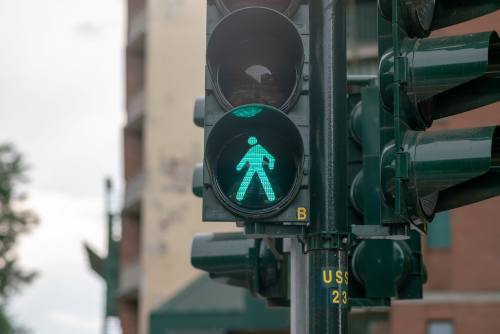
This is an important concern in Wasco, an unincorporated community in Kane County surrounded by roads carrying commuters, local residents, cyclists, commercial vehicles, and agricultural traffic. Pedestrian accidents can occur near intersections, residential areas, businesses, schools, parking lots, and along roads where pedestrians must share space with motor vehicles.
For someone walking in Wasco, an accident can happen in seconds. When a driver fails to yield, speeds, turns without looking for pedestrians, drives distracted, or otherwise acts negligently, the consequences can be devastating.
Where Pedestrian Accidents Can Happen in Wasco
Wasco’s semi-rural character creates pedestrian-safety challenges that can differ from those in densely populated urban areas. Some roads have higher speeds, fewer sidewalks, limited lighting, and longer distances between intersections or destinations. Pedestrians may have to walk along roadsides or cross busy roadways to reach homes, businesses, schools, parks, or other destinations.
Route 64 is particularly important to consider in the broader Wasco area. Also known as North Avenue, Route 64 carries substantial traffic through western Kane County. Higher vehicle speeds, turning movements, commercial traffic, changing visibility, and limited pedestrian infrastructure can increase the consequences when a driver and pedestrian come into conflict.
Other potential locations for pedestrian accidents include:
- Intersections where vehicles are turning across pedestrian paths.
- Crosswalks and pedestrian crossings.
- Residential streets without sidewalks.
- Roads with limited lighting.
- Business entrances and parking lots.
- School and recreational areas.
- Rural roads and roadsides.
- Driveways and private-property entrances.
- Areas where construction changes normal pedestrian or vehicle patterns.
- Intersections where sightlines are obstructed by vegetation, parked vehicles, signs, or other objects.
A pedestrian does not have to be walking directly in the roadway to suffer a serious injury. A driver backing out of a driveway or parking space can strike a pedestrian, as can a vehicle turning into a business or crossing a sidewalk.
Why Pedestrian Accidents Are So Dangerous
The human body is extremely vulnerable when struck by a vehicle. Even at relatively modest speeds, a pedestrian can be thrown onto the hood or roof of a vehicle and then onto the pavement. The person can also be trapped underneath the vehicle or struck by another vehicle after the initial collision. Unlike a vehicle occupant, a pedestrian does not have an airbag, seat belt, steel passenger compartment, or crumple zone protecting them.
Common injuries include:
- Traumatic brain injuries and concussions.
- Skull fractures.
- Spinal fractures and spinal cord injuries.
- Broken arms and legs.
- Pelvic and hip fractures.
- Internal bleeding and organ injuries.
- Shoulder and knee injuries.
- Nerve damage.
- Road rash and severe soft-tissue injuries.
- Facial injuries and dental injuries.
- Permanent scarring and disfigurement.
- Psychological trauma.
- Fatal injuries.
Some injuries may not become obvious immediately after the crash. A pedestrian who initially believes they are “okay” can later develop headaches, dizziness, pain, confusion, or other symptoms. For that reason, medical evaluation following a pedestrian accident is important even when injuries do not initially appear severe.
Driver Negligence Is a Common Cause of Pedestrian Accidents
Pedestrian accidents can have many causes, but driver negligence is a significant concern. NHTSA emphasizes that everyone using the road has a responsibility to help prevent pedestrian crashes. Drivers have a responsibility to pay attention to their surroundings and operate their vehicles safely. When drivers fail to do so, pedestrians can suffer catastrophic consequences. Potential examples of negligent driving include:
- Speeding.
- Distracted driving.
- Texting or using a cellphone.
- Failing to yield to a pedestrian.
- Running a red light or stop sign.
- Turning without checking for pedestrians.
- Driving under the influence of alcohol or drugs.
- Driving while fatigued.
- Failing to use reasonable caution in poor weather.
- Backing up without checking behind the vehicle.
- Passing another vehicle stopped for a pedestrian.
- Failing to see a pedestrian in a crosswalk.
- Driving too fast for road or visibility conditions.
A driver does not necessarily have to be speeding or intoxicated to be responsible for a pedestrian crash. Liability depends on the circumstances and whether the driver’s conduct breached a legal duty of care.
Pedestrian Accidents at Crosswalks and Intersections
Intersections are among the most important locations to investigate following a pedestrian crash. A driver may have a green light but still need to watch for pedestrians when turning. Similarly, a pedestrian crossing lawfully may have the right of way, depending on the circumstances.
Problems can arise when drivers focus only on moving vehicle traffic and fail to check sidewalks, crosswalks, or pedestrian paths before turning. Visibility can also become an issue. A pedestrian may be difficult to see because of:
- Darkness.
- Glare from headlights or the sun.
- Rain, snow, or fog.
- Obstructions near the roadway.
- Parked vehicles.
- Landscaping.
- Roadway design.
- Poor lighting.
- Construction equipment or barriers.
After a pedestrian crash, an investigation should consider these factors rather than automatically assuming that one person’s account tells the complete story.
Pedestrian Accidents on Rural Roads Near Wasco
Wasco’s rural and semi-rural surroundings can create unique pedestrian hazards. Rural roads may lack sidewalks, pedestrian signals, shoulders, or adequate lighting. Vehicles may also travel at higher speeds than on neighborhood streets. When a vehicle strikes a pedestrian at a higher speed, the risk of catastrophic injury increases.
Pedestrians walking along rural roads should exercise caution and, where possible, use routes that provide separation from traffic. Drivers, however, remain responsible for operating at a speed and in a manner appropriate for the conditions.
The absence of a sidewalk does not mean that a pedestrian automatically forfeits legal rights after being struck. Determining responsibility requires examining the applicable Illinois statutes and the facts of the particular crash.
Pedestrian Accidents on Route 64
Route 64 is an important transportation corridor through the region surrounding Wasco. Its traffic volume and higher-speed characteristics make pedestrian safety especially important. A pedestrian crash on or near Route 64 may require an investigation into the roadway configuration, traffic signals, lighting, sight distance, signage, speed, vehicle movements, and available pedestrian facilities.
Evidence can disappear quickly. Traffic-camera footage may be overwritten, witnesses may become difficult to locate, and physical conditions at the crash scene can change. Potential evidence may include:
- Police reports.
- Crash-scene photographs.
- Traffic-camera or surveillance footage.
- Dash-camera recordings.
- Witness statements.
- Vehicle event data, when available.
- Vehicle damage.
- Skid marks and other physical evidence.
- Roadway measurements.
- Lighting conditions.
- Cellphone records when legally obtainable and relevant.
- Medical records.
- Expert accident reconstruction.
What Should You Do After a Wasco Pedestrian Accident?
A pedestrian accident can leave an injured person facing emergency treatment, surgery, rehabilitation, lost income, and uncertainty about the future. Taking reasonable steps immediately after the accident can help preserve important evidence.
If you have been struck by a vehicle, consider the following:
- Seek medical attention. Some serious injuries may not be immediately apparent.
- Report the accident. Make sure law enforcement is notified when appropriate.
- Document the scene. Take photographs of the roadway, vehicle, crosswalk, traffic signs, lighting, and visible injuries.
- Identify witnesses. Obtain names and contact information when possible.
- Preserve evidence. Keep damaged clothing, shoes, bicycles, electronic devices, and other relevant items.
- Follow medical recommendations. Attend follow-up appointments and prescribed therapy.
- Keep records. Save medical bills, receipts, wage-loss documentation, and insurance correspondence.
- Avoid speculation. Be careful about making statements concerning fault before the facts have been investigated.
- Consider legal advice. An experienced Wasco pedestrian accident attorney can investigate the crash and explain potential claims.
Injuries Can Affect Every Part of a Person’s Life
The consequences of a pedestrian accident are not limited to the initial hospital bill. A serious injury may prevent someone from working, caring for children, participating in activities, or living independently. A traumatic brain injury, spinal injury, or severe fracture may require months or years of treatment. Some victims experience permanent limitations. An injury claim may therefore involve evidence concerning:
- Past medical expenses.
- Future medical treatment.
- Lost wages.
- Reduced earning capacity.
- Rehabilitation.
- Pain and suffering.
- Disability or disfigurement.
- Loss of normal activities.
- Other damages recognized under Illinois law.
The value and availability of damages depend on the specific facts, the nature of the injuries, available insurance coverage, liability, and other legal considerations.
What If the Driver Leaves the Scene?
A hit-and-run pedestrian accident can be especially difficult because the injured pedestrian may not know who caused the crash. If the driver leaves, contact law enforcement immediately. Witnesses, surveillance cameras, nearby businesses, traffic cameras, and vehicle debris may help identify the vehicle.
An attorney can also investigate potential insurance coverage. Depending on the circumstances, uninsured motorist coverage may become relevant, but the applicability of coverage depends on the policy language and facts of the accident.
What If a Pedestrian Was Partly at Fault?
Illinois uses a modified comparative-fault system. In some cases, an injured person can still recover damages even if they are found partially responsible for an accident, although the amount recovered can be reduced based on their percentage of fault. Illinois law also contains a 50% threshold that can affect recovery. This makes a careful factual investigation particularly important.
A pedestrian should not assume that an insurance company’s determination of fault is the final word. Insurers have their own interests in evaluating claims, and disputed liability should be examined using available evidence.
Preserving Evidence After a Pedestrian Accident
Evidence can be especially important in pedestrian cases because the physical scene may change quickly. For example, a broken streetlight could be repaired, construction could alter a roadway, or surveillance footage could be automatically deleted. An attorney investigating a Wasco pedestrian accident may examine the location from the perspective of both the pedestrian and driver. Important questions may include:
- Where was the pedestrian walking?
- Was there a crosswalk?
- What traffic-control devices were present?
- What direction was the vehicle traveling?
- Was the driver turning?
- How fast was the vehicle traveling?
- Was the driver distracted?
- Was the pedestrian visible?
- What were the lighting and weather conditions?
- Were there obstructions?
- Were witnesses present?
- Was video recorded nearby?
The answers can help reconstruct what happened.
Frequently Asked Questions About Wasco Pedestrian Accidents
What should I do immediately after being hit by a car in Wasco?
Seek medical attention, report the accident to law enforcement, document the scene if you are physically able, identify witnesses, and preserve relevant evidence. Do not discard damaged clothing or other physical evidence.
Does a pedestrian always have the right of way?
No. Right-of-way rules depend on the circumstances, including the location of the pedestrian, traffic controls, applicable Illinois law, and the conduct of both the driver and pedestrian. A thorough investigation is necessary to determine responsibility.
What if I was hit while walking along a road without a sidewalk?
The absence of a sidewalk does not automatically eliminate a pedestrian’s ability to pursue a claim. The facts surrounding the collision must be examined, including where the pedestrian was located, road conditions, visibility, vehicle speed, and applicable traffic laws.
Can I recover compensation if I was partially responsible?
Potentially. Illinois comparative-fault rules can allow recovery in some circumstances while reducing damages according to the injured person’s percentage of fault. However, the 50% statutory threshold can affect whether recovery is permitted.
What if the driver was texting?
Evidence of cellphone use may be relevant to determining negligence. Investigators may examine witness accounts, available video, cellphone evidence, and other information to determine whether distraction contributed to the crash.
How long do I have to file a pedestrian accident lawsuit in Illinois?
Illinois has statutes of limitation that establish deadlines for filing personal injury claims, but the applicable deadline can depend on the circumstances and the identity of the defendant. Governmental entities can involve additional requirements and shorter deadlines. It is therefore important to obtain legal advice promptly rather than waiting until the deadline approaches.
What if my pedestrian accident caused a traumatic brain injury?
A traumatic brain injury can require extensive medical treatment and may affect cognitive function, employment, relationships, and daily activities. Medical documentation and appropriate expert evaluation can be important in establishing the nature and long-term effects of the injury.
How can an attorney help with a Wasco pedestrian accident?
An attorney can investigate the crash, preserve evidence, identify potentially responsible parties, evaluate insurance coverage, communicate with insurers, document damages, and pursue compensation through negotiation or litigation when appropriate.
John J. Malm & Associates Represents Injured Wasco Pedestrians
At John J. Malm & Associates, we understand that a pedestrian accident can change someone’s life in an instant. Our attorneys investigate the circumstances surrounding serious pedestrian crashes, including collisions at intersections, crosswalks, residential streets, parking areas, and higher-speed roads in and around Wasco and Kane County. We can work to preserve critical evidence, investigate liability, deal with insurance companies, and pursue compensation for medical expenses, lost income, pain and suffering, and other losses allowed by Illinois law.
If you or someone you love has been injured in a Wasco pedestrian accident, contact John J. Malm & Associates for a free consultation. Our firm has more than 90 years of combined litigation experience and is prepared to take your injury claim seriously from the beginning.