

EXPERIENCED PERSONAL INJURY ATTORNEYS













Pingree Grove Dog Bite Lawyers
Dedicated Injury Attorneys for Victims of Dog Attacks
Dog bites and animal attacks can happen unexpectedly in Pingree Grove, Illinois, leaving victims with painful injuries, emotional trauma, medical expenses, and lasting scars. A routine walk through a neighborhood, a visit to a friend’s home, an encounter with a dog on a sidewalk, or an interaction with an animal that escapes its owner’s yard can quickly turn dangerous.
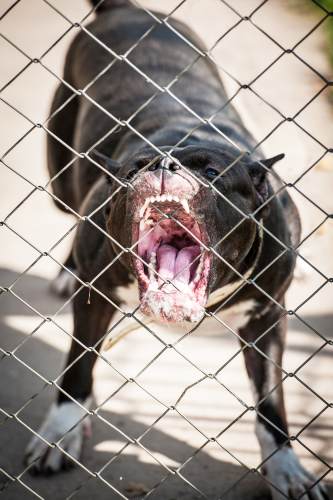
Although dogs are common companions in residential communities, owners have a responsibility to control their animals and take reasonable steps to prevent injuries. When a dog bites, knocks down, or otherwise injures someone, the consequences can be particularly serious for children, older adults, delivery workers, joggers, and other people who regularly encounter dogs in public or private spaces.
For Pingree Grove residents, understanding Illinois dog bite law is important after an attack. Illinois has a statute that can make an animal’s owner liable for injuries caused by an attack, attempted attack, or other injury when the statutory requirements are met. An injured person does not necessarily have to prove that the dog previously bit someone or that the owner knew the animal was dangerous.
At John J. Malm & Associates, we represent people injured by dogs and other animals. If you or a family member has suffered a dog bite or animal attack in Pingree Grove, understanding your medical needs, legal rights, and potential options for compensation can be an important step toward recovery.
Dog Bite Statistics: Understanding the Risk
Dog bites are a significant public health concern throughout the United States. Although most dogs never seriously injure anyone, even a single attack can result in substantial physical and emotional harm. The Centers for Disease Control and Prevention (CDC) has reported that approximately 4.5 million people in the United States are bitten by dogs each year, based on established national estimates. Not every bite requires medical attention, but a substantial number result in medical treatment.
A peer-reviewed study published in the journal Injury Prevention estimated that approximately 4.52 million people were bitten annually during 2001–2003, and about 885,000 required medical attention. These figures are historical estimates rather than a current annual count, but they illustrate the scale of the problem. Other research has documented the ongoing burden of dog bite injuries. A study examining U.S. dog bite injury trends from 2005 through 2018 reported an average of approximately 337,103 emergency department visits annually for dog bites during 2005–2013. The researchers also noted that nearly 27,000 people underwent reconstructive surgery following dog bites in 2018.
Dog attacks can occur in familiar settings, including:
- Residential streets and neighborhood sidewalks.
- Parks, walking paths, and recreational areas.
- Apartment complexes and shared outdoor spaces.
- Private homes and yards.
- Driveways, front porches, and entryways.
- Locations where delivery drivers, postal workers, or other visitors approach a property.
A dog does not have to cause a life-threatening injury for a victim to experience serious consequences. Puncture wounds, infections, nerve damage, permanent scarring, and psychological distress can affect a person’s daily life long after the initial attack.
Common Causes of Dog Bites and Attacks in Pingree Grove
Dog attacks can happen for many reasons. An investigation should focus on the specific circumstances of the incident rather than assuming that every bite has the same cause. Some of the most common causes of dog attacks include:
Unrestrained or Escaped Dogs
One important risk arises when a dog escapes from a fenced yard, slips out of a home, breaks free from a leash, or is allowed to roam without adequate control. An escaped dog may chase a pedestrian, approach another dog, or attack someone who is simply walking along the street. A fence or leash that is not adequate for the animal may fail to prevent an encounter.
Owners should maintain secure enclosures, use appropriate restraints, and take reasonable steps to prevent their dogs from entering public areas unsupervised.
Failure to Use a Leash or Maintain Control
A dog owner or handler may lose control of an animal when using an inadequate leash, failing to supervise the dog, or allowing it to approach unfamiliar people despite signs of aggression. Even a dog that has never bitten anyone can cause injury if it suddenly lunges at a pedestrian, knocks down an older adult, or attacks another animal while its owner cannot regain control.
Dog Attacks on Children
Children can be particularly vulnerable to dog bite injuries because of their size, limited ability to recognize warning signs, and tendency to approach animals without understanding their behavior. A child may suffer bites to the face, head, neck, or hands. Severe attacks can require surgery, leave permanent scars, and create fear of dogs or other lasting emotional effects.
Parents and caregivers should supervise young children around dogs, including familiar family pets. However, a child’s presence near a dog does not automatically mean the child caused or provoked an attack.
Dog Attacks During Walks or Outdoor Activities
Joggers, cyclists, walkers, and people exercising outdoors may encounter dogs on sidewalks, trails, or near residential properties. A dog may chase someone, bite a person’s leg or arm, or cause a fall while attempting to attack. Some injuries occur without a bite. For example, a person may fall and fracture a wrist while trying to escape a charging dog. Whether the incident supports a claim under Illinois law depends on the circumstances and the applicable legal requirements.
Negligent Supervision and Handling
Dog owners and handlers should recognize situations in which their animals may present a risk to others. Allowing a dog with a known tendency to lunge or attack to approach strangers without appropriate control may increase the likelihood of injury. Other concerning conduct may include leaving an animal with someone unable to control it, ignoring repeated escape incidents, or failing to follow applicable animal-control requirements.
Common Injuries Caused by Dog Bites
Dog bite injuries range from superficial scratches to severe tissue damage requiring emergency treatment and reconstructive surgery. The extent of the injury often depends on the dog’s size, the force of the bite, the body part affected, and the time between the attack and medical treatment. Common dog bite injuries include:
- Puncture wounds and lacerations: Teeth can penetrate the skin and tear underlying tissue, sometimes creating deep wounds that are difficult to clean.
- Infections: Bacteria introduced by a bite can cause wound infections and, in serious cases, systemic illness.
- Nerve damage: Bites to the hands, arms, legs, or face can damage nerves and cause numbness, weakness, or impaired movement.
- Fractures and crushing injuries: A powerful bite or forceful attack can fracture bones or damage muscles and other soft tissues.
- Permanent scarring and disfigurement: Injuries to the face, hands, and other visible areas may leave scars requiring reconstructive treatment.
- Psychological trauma: Victims may develop anxiety, nightmares, fear of dogs, or reluctance to walk in places where dogs are present.
- Secondary fall injuries: A person may fall while escaping an attacking dog and suffer a head injury, sprain, fracture, or back injury.
Children may face particularly difficult consequences when facial injuries affect appearance, confidence, or social development. Adults can also experience significant disruptions to work, recreation, and family responsibilities.
Dog bites can become infected even when the wound initially appears minor. Medical professionals can assess whether wound cleaning, antibiotics, tetanus vaccination, rabies risk assessment, or other treatment is necessary.
What Should You Do After a Dog Bite in Pingree Grove?
The steps taken immediately after a dog attack can help protect your health and preserve information that may become important if you pursue a claim.
1. Get to Safety and Seek Medical Care
Move away from the dog when you can do so safely. For severe bleeding, deep wounds, significant tissue damage, or other emergencies, seek immediate medical attention. Even if the wound appears small, contact a healthcare professional for advice. Dog bites can introduce bacteria beneath the skin, and some injuries are more extensive than they initially appear.
2. Identify the Dog and Its Owner
If it is safe, obtain the owner’s name and contact information, along with information identifying the dog. Do not risk another attack by approaching or attempting to restrain an aggressive animal. If the owner leaves the scene, record any available details that could help identify the person or animal.
3. Report the Incident
Consider reporting the bite to the Pingree Grove Police Department or Kane County Animal Control. Reporting may help officials assess rabies exposure, vaccination status, and whether additional animal-control measures are needed. A report can also help document the incident. Do not delay medical care while attempting to complete a report.
4. Document Your Injuries
When possible, take photographs of the wounds as soon as practical and during recovery. Keep records of medical appointments, prescriptions, bills, missed work, and any treatment recommendations. Write down what happened while the details are fresh, including the location, the dog’s behavior, the events immediately before the bite, and the identities of any witnesses.
5. Preserve Evidence
Potentially useful evidence includes:
- Photographs of the injury and the location of the attack.
- Witness names and contact information.
- Medical records and treatment bills.
- Animal-control reports.
- Available video footage from security cameras or doorbell cameras.
- Relevant communications with the dog’s owner or an insurer.
- Documentation of lost income and ongoing symptoms.
If the incident occurred near a residence or business, available video footage may be overwritten. Requesting its preservation promptly can be important.
6. Obtain Legal Guidance
If the attack caused significant injuries, scarring, ongoing medical treatment, or lost income, consider consulting a Pingree Grove personal injury attorney. A lawyer can explain the law, identify potential sources of compensation, and help preserve evidence relevant to the claim.
Illinois Dog Bite Law: What Rights Do Pingree Grove Victims Have?
Illinois law provides important protections for people injured by dogs and other animals. The primary statute governing many dog bite claims is the Illinois Animal Control Act, 510 ILCS 5/16. Under this law, an animal’s owner may be liable for injuries when the animal, without provocation, attacks, attempts to attack, or injures a person who is peaceably conducting themselves in a place where they may lawfully be.
The statute is significant because an injured person generally does not need to prove that the dog previously bit someone or that the owner knew the dog had a dangerous temperament. This differs from a traditional negligence claim that depends on proving a person’s failure to exercise reasonable care. The Illinois Animal Control Act requires consideration of several important factors:
- Ownership or responsibility: The claim must establish the legally relevant relationship between the defendant and the animal.
- An attack or injury: The dog must have attacked, attempted to attack, or injured the person.
- Lawful presence: The injured person must have been in a place where they were legally entitled to be.
- Absence of provocation: The incident must satisfy the statute’s requirement that the animal acted without provocation.
- Causation and damages: The injury and resulting losses must be connected to the incident.
Each case depends on its specific facts. Questions involving provocation, lawful presence, ownership, and causation can be disputed, and the outcome cannot be guaranteed.
What If the Dog Had a Leash or Fence?
A leash, fence, or other restraint does not automatically eliminate an owner’s potential liability. The central question is what happened and whether the applicable legal requirements are satisfied. For example, a dog might escape from a yard, break free from a leash, or bite someone after approaching them in a shared outdoor area. The presence of a fence or leash may be relevant evidence, but it does not by itself resolve the claim.
What If There Was a “Beware of Dog” Sign?
A warning sign does not automatically excuse a dog owner from liability under Illinois law. A person who is lawfully present and is injured without provocation may still have a claim even if a warning sign was posted. However, the circumstances of the encounter matter. Questions about trespassing, provocation, and the injured person’s conduct may affect the legal analysis.
An injured person should not assume that a warning sign prevents recovery. An attorney can review the facts and explain how Illinois law may apply.
What Compensation Can You Recover After a Pingree Grove Dog Attack?
A serious dog bite can result in medical bills, lost income, permanent scarring, and emotional distress. When a person has a valid claim under Illinois law, recoverable damages may include the losses legally attributable to the attack. Potential compensation may include:
- Medical expenses: Emergency treatment, wound care, surgery, medication, infection treatment, and follow-up appointments.
- Future medical costs: Additional surgery, scar revision, rehabilitation, or other reasonably necessary future care.
- Lost wages: Income lost while recovering or attending medical appointments.
- Reduced earning capacity: Financial losses if the injuries affect the ability to perform work in the future.
- Pain and suffering: Physical pain and discomfort caused by the attack and its consequences.
- Emotional distress: Psychological effects supported by the facts and applicable law.
- Disfigurement and permanent impairment: Lasting scars, nerve damage, or limitations in physical function.
- Loss of normal activities: The effect of the injury on recreation, daily routines, and other meaningful activities.
The value of a claim depends on the severity of the injuries, the quality of the supporting evidence, the expected course of recovery, and any applicable defenses or insurance limitations. Dog bite claims are sometimes covered by homeowners insurance or renters insurance, depending on the policy, the circumstances, and applicable exclusions. Coverage should be evaluated rather than assumed.
Dog Bite Claims Involving Children
Children who suffer dog bites may require special attention because their injuries can affect them physically and emotionally for years. A facial bite, for example, may require multiple procedures as a child grows. A frightening attack may also lead to persistent anxiety or fear of animals. Parents or legal guardians should arrange prompt medical care and retain documentation of the injury, treatment, and recovery. Photographs taken over time may help document scarring and other lasting effects.
Illinois law may provide additional time-related protections for certain claims involving minors, but the applicable deadlines and rules can be complicated. Parents should not assume that they can safely wait until a child reaches adulthood before seeking legal advice.
How John J. Malm & Associates Can Help With a Pingree Grove Dog Bite Claim
After a serious dog attack, an injured person may have questions about who is responsible, whether insurance covers the injury, and how to document the full extent of the losses. John J. Malm & Associates can help injured people understand their legal options and evaluate potential dog bite claims. Depending on the circumstances, an investigation may involve obtaining animal-control reports, reviewing medical records, identifying witnesses, preserving photographs or video footage, and communicating with insurers.
Our firm can also help assess the impact of injuries that may not be fully apparent immediately after an attack, including nerve damage, permanent scarring, and ongoing emotional distress.
Attorney John J. Malm emphasizes the importance of taking animal attack injuries seriously: “A dog attack can leave lasting physical and emotional injuries. People who have been hurt deserve a careful evaluation of their injuries and a clear understanding of their legal rights.”
Frequently Asked Questions About Pingree Grove Dog Bites and Attacks
Can I sue if a dog bites me in Pingree Grove?
You may be able to pursue a claim under the Illinois Animal Control Act if the statutory requirements are met. The circumstances of the attack, your lawful presence, and whether provocation occurred may be important.
Can I file a claim if the dog has never bitten anyone before?
Yes. Illinois law does not require a prior bite under the Animal Control Act. A first-time attack may support a claim when the legal requirements are satisfied.
What if the dog escaped from its owner’s yard?
An escaped dog may give rise to a claim if it attacks or injures someone under circumstances covered by Illinois law. Evidence concerning the dog’s escape, the owner’s control of the animal, and the events leading to the attack may be important.
What if I was knocked down but not bitten?
A dog does not necessarily have to break the skin for an injury claim to be possible. If a dog knocks someone down or otherwise causes an injury, the facts may support a claim under the Animal Control Act or another legal theory.
Can I recover compensation for dog bite scars?
Potentially. Compensation may account for permanent scarring, disfigurement, pain, medical treatment, and other legally recoverable losses. The amount depends on the circumstances and supporting evidence.
What if the dog owner is a friend, neighbor, or family member?
You may still have legal options. Depending on the circumstances, a homeowners or renters insurance policy may provide coverage. A claim does not necessarily mean the injured person must seek payment directly from the owner’s personal finances, but coverage depends on the policy and facts.
How long do I have to file a dog bite lawsuit in Illinois?
Illinois generally imposes a two-year statute of limitations on personal injury claims under 735 ILCS 5/13-202, subject to exceptions. Special rules may apply to minors and other circumstances. Consult an attorney promptly to determine the deadline for a specific case.
Should I report a dog bite in Pingree Grove?
Reporting the incident to the appropriate animal-control or public health authority may help document what happened and allow officials to assess vaccination status and public health concerns. Seek medical attention promptly, regardless of whether a report has been filed.
Contact John J. Malm & Associates After a Pingree Grove Dog Bite or Attack
A dog bite can change your life in a matter of seconds. What begins as an ordinary walk through Pingree Grove or a visit to a neighbor’s home can lead to emergency treatment, painful recovery, permanent scarring, missed work, and emotional trauma. You should not have to face those consequences without understanding your rights.
At John J. Malm & Associates, we represent people who have suffered serious injuries because of dog bites and animal attacks. Our firm brings more than 95 years of combined litigation experience to personal injury cases, and we understand the importance of evaluating both the immediate injuries and the long-term effects an attack may have on a victim’s life.
If you or your child has been bitten, knocked down, or injured by a dog in Pingree Grove, contact our firm for a free consultation. We can review the circumstances of the attack, explain how the Illinois Animal Control Act may apply, and help you evaluate your options for pursuing compensation. Call (630) 527-4177 to speak with our award-winning dog bite lawyers and learn how we can help protect your rights and pursue the compensation you may deserve.