

EXPERIENCED PERSONAL INJURY ATTORNEYS












Wide Turn Truck Accidents in Illinois
Top-Rated Injury Attorneys for Drivers Hit By Wide Turning Semis
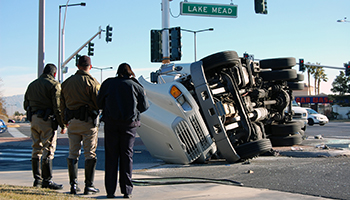
Wide turn truck accidents are a significant and often devastating type of commercial vehicle collision. Unlike passenger cars, large trucks cannot make sharp turns without swinging outward into adjacent lanes to accommodate their lengthy wheelbases and limited maneuverability. This necessary maneuver, commonly called a “wide turn”, can become dangerous when other motorists, bicyclists, or pedestrians occupy the space a truck must momentarily traverse. Whether on city streets, rural intersections, or busy highways, these truck accidents frequently lead to severe injuries, property damage, and death.
“Wide turn truck accidents are preventable, yet every year too many motorists pay the price because drivers and fleets ignore basic safety practices. Our goal is to hold negligent parties accountable and secure justice for victims and their families.” — John J. Malm, Naperville semi-truck injury attorney
What Is a Wide Turn Truck Accident?
A wide turn truck accident happens when a large commercial truck makes a turn, usually a right turn, that requires it to swing outward before completing the turn. Due to their size and turning radius, semis and tractor-trailers often begin a right turn by moving left or into another lane before swinging right into the intended lane. This maneuver can trap smaller vehicles, cyclists, or pedestrians alongside the truck if they are unaware of the turning intent or fail to give adequate space.
These accidents commonly occur:
- At intersections where space is limited
- On narrow roads with adjacent traffic
- Near distribution centers and freight corridors
- In urban areas with high pedestrian and cyclist activity
The risk is magnified by the size of the truck and the blind spots that come with it, areas that simply do not exist to the same extent around passenger cars.
Why Wide Turns Are Dangerous
Wide turn accidents often result in serious collisions with other vehicles, pedestrians, or cyclists. The danger stems from a combination of vehicle design, driver perception, and situational factors:
Size and Maneuverability
Large trucks have a turning radius that can exceed 50 feet and require more room to execute a turn than smaller vehicles. If other road users do not anticipate this movement, they may inadvertently position themselves in harm’s way.
Blind Spots
Trucks have significant blind zones, especially on the right side, where smaller vehicles can disappear from the driver’s view. These blind spots make it difficult to detect vehicles or pedestrians alongside the truck during the turning process.
Misjudgment and Driver Error
Both commercial truck drivers and automobile operators can misjudge spacing and timing. A car driver may assume a truck will make its turn without crossing their path, while a truck driver may miscalculate the space needed to complete the maneuver.
Environmental & Road Conditions
Narrow intersections, poor signage, and adverse weather can compound the danger of wide turns. Urban congestion, limited clearance for trailers, and high freight activity increase the likelihood of conflict between trucks and other road users.
Causes of Wide Turn Truck Accidents
Wide turn truck accidents often stem from a mix of human factors, mechanical limitations, and external conditions.
Common Contributing Factors
- Blind Spot Failure: Truck drivers may fail to see vehicles, bicyclists, or pedestrians in their blind zones.
- Improper Signaling: Failure to use turn signals can leave other drivers unaware of the truck’s next move.
- Driver Inexperience: Inadequately trained drivers may misjudge how much space is needed for a safe wide turn.
- Narrow Roads / Tight Intersections: Limited room to maneuver increases collision risk.
- Distracted or Fatigued Driving: Like all motorists, truck drivers can be impaired by distraction or exhaustion, worsening decision-making and reaction times.
The combination of these factors makes wide turn accidents particularly prevalent and dangerous in high-traffic urban corridors where truck and automobile traffic intersect frequently.
Statistical Overview of Truck Accidents
While national statistics often do not separate out wide turn accidents specifically, data on large truck accidents overall helps illustrate the scale of the problem and the context in which wide turn collisions occur.
National Truck Accident Trends
- In 2023, more than 5,000 large trucks were involved in fatal crashes nationwide.
- Truck accidents overall are among the most devastating types of vehicle collisions given the disparity in weight and momentum between trucks and passenger vehicles.
- Wide turn accidents alone account for approximately 5% of large-truck crashes, according to aggregated crash data.
Illinois-Specific Data
In Illinois, where freight traffic is significant due to busy interstates and proximity to national shipping hubs, large trucks remain a disproportionate hazard:
- According to the Illinois Department of Transportation (IDOT), trucks (including semi-trailers) were involved in nearly 12,000 crashes in 2021, even though they represent a small fraction of registered vehicles.
- Illinois ranked sixth in the nation for fatal truck crashes in 2021, highlighting how severe truck collisions are in the state relative to other states.
- IDOT’s 2024 crash report indicated 1,905 injury crashes involving truck-tractors with semi-trailers, with 98 of these crashes resulting in fatalities.
While these numbers capture all types of truck accidents, they underscore that collisions involving large commercial vehicles remain a significant safety concern statewide, including those caused by wide turn maneuvers at intersections and driveways.
Common Injuries in Wide Turn Truck Accidents
Accidents involving large trucks and passenger vehicles are more likely to produce severe injuries because of the mass and momentum involved. Common injury types include:
- Traumatic Brain Injuries (TBI): Result from the head striking the interior of a vehicle or sudden, violent motion.
- Spinal Cord Injuries: Can lead to paralysis or long-term disability.
- Crush Injuries: Occur when a smaller vehicle is pinned against a curb, barrier, or underneath a trailer.
- Fractures & Internal Trauma: Due to the high forces at impact, typical in truck collisions.
The severity of these injuries often means lengthy hospital stays, rehabilitation, and substantial financial costs for victims and their families.
Legal Considerations in Wide Turn Truck Accidents
Establishing liability in a wide turn truck accident is a complex process involving state traffic laws, federal motor carrier regulations, and detailed accident reconstruction.
Duty of Care and Negligence
Truck drivers and their employers are held to a high duty of care to operate commercial vehicles safely. When a truck driver fails to signal properly, does not check blind spots, or makes an unsafe maneuver, these failures can constitute negligence.
Federal Regulations
Commercial truck operators must comply with Federal Motor Carrier Safety Administration (FMCSA) regulations, which include hours-of-service requirements, mandatory training, and vehicle maintenance standards. Violations of these regulations can strengthen a negligence claim.
Shared Liability
In some cases, other motorists may contribute to the crash by improperly passing or occupying unsafe spaces beside a turning truck. However, when a truck swings wide and causes a collision, determining fault often requires careful analysis of driver conduct, electronic logging records, and eyewitness testimony.
Frequently Asked Questions about Wide Turn Trucking Crashes
Q: What exactly causes a wide turn truck accident?
A: Wide turn truck accidents result from a truck’s need to swing outward to complete a turn, coupled with other road users being in the truck’s blind spot, misjudging spacing, or failing to yield appropriately.
Q: Are wide turn accidents common?
A: While specific national data on wide turn accidents is limited, studies indicate that about 5% of large truck crashes involve wide turn maneuvers.
Q: Can another driver be at fault for a wide turn accident?
A: Yes. If a motorist improperly attempts to pass a truck on the right as it is preparing to turn, they can share liability for the collision. Fault is determined on a case-by-case basis.
Q: Do trucks have legal obligations when making wide turns?
A: Commercial truck operators must obey state traffic laws requiring proper signaling and safe turning practices. Additionally, FMCSA regulations govern training and safe operation of the vehicle.
Q: What should I do immediately after a wide turn truck accident?
A: Seek medical attention, report the crash to police, document the scene, and contact an experienced Illinois truck accident attorney to protect your legal rights.
Contact the Experienced Illinois Truck Accident Lawyers at John J. Malm & Associates
Wide turn truck accidents present serious risks on our roads, with the potential for catastrophic injuries and profound personal and economic consequences. The statistics make clear that large commercial trucks contribute disproportionately to fatal and severe injury collisions and maneuvers like wide turns only heighten that danger when poorly executed or misunderstood by other drivers.
If you or a loved one has been involved in a wide turn truck accident, you do not face the aftermath alone. It is crucial to seek experienced legal guidance to protect your rights, pursue fair compensation, and ensure negligent practices are addressed. Contact the qualified truck accident attorneys at John J. Malm & Associates today to review your case, understand your options, and begin the path toward recovery.