

EXPERIENCED PERSONAL INJURY ATTORNEYS














Illinois Tanker Truck Accident Lawyers
Top-Rated Attorneys for People Injured in Tanker Truck Rollovers and Explosions
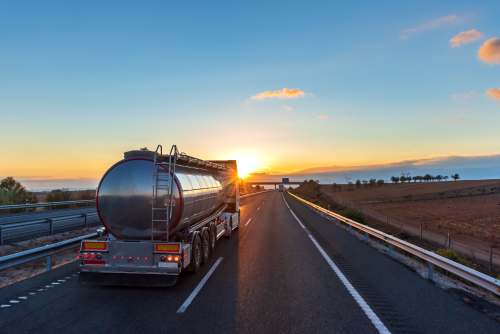
Tanker truck accidents are among the most devastating types of commercial vehicle collisions on U.S. roads. Unlike typical tractor-trailers that carry dry goods, tanker trucks transport liquids and gases, often hazardous materials such as gasoline, chemicals, and petroleum derivatives. When these massive vehicles crash, the consequences can include catastrophic injuries, fires, environmental contamination, and the tragic loss of life.
When catastrophic tanker truck accidents shatter lives, victims need more than a general personal injury lawyer; they need a firm with the experience, resources, and resolve to take on powerful trucking companies and their insurers. John J. Malm & Associates has built a reputation throughout Illinois for handling complex commercial vehicle cases involving hazardous cargo, catastrophic injuries, and wrongful death. We understand the federal regulations, insurance layers, and investigative demands unique to tanker truck crashes, and we are relentless in pursuing full and fair compensation for our clients.
“Tanker truck accidents cause some of the most catastrophic injuries we see, injuries that shatter families and disrupt lives. Pursuing accountability isn’t just about compensation, it’s about holding negligent parties responsible and preventing future tragedies.”— John J. Malm, Naperville trucking accident attorney
What Are Tanker Trucks and Why Are Their Accidents So Dangerous?
A tanker truck consists of a heavy-duty truck tractor pulling a cylindrical tank trailer designed to carry liquid or gaseous cargo. These vehicles transport a wide range of materials, including:
- Gasoline, diesel, and other fuels
- Chemical solvents and industrial liquids
- Liquid food products (e.g., milk, vegetable oil)
- Propane and other gases under pressure
Tanker trucks are inherently more dangerous than standard freight trucks because:
- Liquid cargo shifts: Liquid inside the tank can surge and slosh, destabilizing the truck and making rollovers more likely.
- Hazardous materials: Flammable, explosive, or toxic substances increase the severity of an accident.
- Fire and explosion risk: Ruptured tanks can spark fires or explosions, endangering victims and first responders.
- Environmental harm: Spills can contaminate soil, waterways, and air, requiring costly cleanup.
When a tanker truck crashes, especially one carrying hazardous cargo, the outcomes can be catastrophic for other motorists, pedestrians, and emergency personnel alike.
Tanker Truck Accident Statistics
Tanker truck crashes form a significant subset of commercial vehicle accidents in the United States. While national crash reporting does not always separate tanker trucks from other large trucks, available data underscores the scale of the problem:
Frequency and Impact
- Tanker truck involvement: According to data from the Federal Motor Carrier Safety Administration (FMCSA), tanker truck accidents account for 5–10% of all truck crashes in the U.S. each year, translating to nearly 9,610 total tanker truck accidents annually. In that time period, there were 372 fatal crashes and 3,505 injury crashes involving tanker trucks.
- Rollover accidents: U.S. statistics indicate there are over 1,300 tanker rollover accidents annually, with more than 60% resulting in fatalities. These rollovers often occur on straight highways, not just on curves where many people expect them.
- Fire and toxicity risks: Tankers carrying gasoline and other volatile fuels represent a dangerous subset. For example, approximately 58% of hazardous cargo tankers transport gasoline, which can easily ignite in a crash.
Large Truck Trends
Although not all large truck statistics are specific to tankers, they provide essential context:
- In 2022, about 5,788 fatal crashes involved large trucks and buses in the U.S., with large truck involvement remaining a significant risk on American roads.
- Nearly 494,000 police-reported accidents involved large trucks in 2021, illustrating how prevalent serious commercial vehicle crashes are nationwide.
- Large trucks and buses accounted for roughly 1% of all police-reported crashes in 2021, but these crashes tend to result in more severe injuries or fatalities than typical passenger vehicle collisions.
The data reveal that even though tanker trucks represent a smaller percentage of the commercial fleet, their accidents disproportionately result in life-altering injuries, fatalities, and complex legal issues.
Common Causes of Tanker Truck Crashes
Tanker truck accidents often stem from a combination of factors, many of which involve driver or carrier negligence. The most frequent causes include:
Driver-Related Factors
- Fatigue and long hours: Tanker drivers often work extended shifts, leading to drowsiness that impairs judgment and reaction time. This increases rollover and collision risk.
- Distracted driving: Use of cell phones or in-cab devices can divert attention at critical moments.
- Speeding: Higher speeds increase instability for tanker trucks, especially given their high center of gravity.
- Alcohol and substance impairment: Impaired driving is a well-documented factor in many serious truck crashes.
Cargo-Specific Issues
- Liquid surge and load shifting: Unlike dry bulk cargo, liquids can move inside the tank, increasing the likelihood of jackknife and rollover accidents.
- Improper loading or unloading: Failing to secure baffles (the internal devices that control liquid movement) can make the tanker unstable.
Mechanical and Maintenance Failures
- Brake or tire failures: Worn brakes or tires can make it impossible for a tanker truck operator to stop safely or maintain control.
- Poor maintenance: Lack of timely inspections and repairs can lead to catastrophic mechanical failures.
External Conditions
- Weather and road conditions: Rain, snow, ice, or uneven pavement can affect stability and control.
- Traffic and roadway design: High-speed interstates, construction zones, and sudden stops contribute to crash risk.
The combination of driver errors, cargo dynamics, and environmental factors makes tanker truck accidents particularly complex and dangerous.
Injuries and Damages in Tanker Truck Crashes
Tanker truck accidents often result in severe, life-changing consequences due to the size of the vehicles and the nature of their cargo. Common injuries and damages include:
Catastrophic Physical Injuries
- Traumatic brain injuries (TBIs)
- Spinal cord injuries and paralysis
- Severe burns from fire or explosion
- Chemical inhalation and respiratory damage
- Amputations and limb loss
- Multiple fractures and internal injuries
Economic Damages
- Medical expenses: Immediate emergency care, surgeries, rehabilitation, and long-term care often total hundreds of thousands of dollars or more.
- Lost income: Victims may be unable to return to work for months or years, or ever again.
- Environmental cleanup costs: When hazardous materials spill, cleanup can cost millions and impact public health.
Non-Economic Damages
- Pain and suffering
- Emotional trauma
- Loss of enjoyment of life
- Loss of consortium
The toll of a tanker truck accident can last a lifetime, and the financial consequences can extend to future generations.
Who May Be Liable After a Tanker Truck Accident?
Liability in tanker truck accidents is often more complex than in typical car crashes. Multiple parties may share responsibility:
1. The Truck Driver
The driver may be directly liable if:
- They acted negligently (e.g., speeding, distracted driving).
- They violated hours-of-service regulations.
- They failed to maintain control of the vehicle.
2. The Trucking Company
Trucking companies can be held accountable for:
- Negligent hiring and training: Allowing unqualified or inexperienced drivers to operate dangerous vehicles.
- Poor supervision: Failing to enforce safety standards or monitor driver logs.
- Pressure to meet unsafe delivery deadlines: Encouraging drivers to exceed legal hours.
- Maintenance failures: Neglecting routine inspections and repairs.
3. Cargo Loaders and Shippers
Parties responsible for loading hazardous materials may be liable if:
- Cargo was improperly loaded or secured.
- Hazardous materials were misdeclared or mislabeled.
4. Manufacturers and Parts Suppliers
If a mechanical defect (e.g., faulty brakes or tires) contributed to the crash, manufacturers or suppliers may be liable.
What Compensation Is Available After an Accident With a Tanker Truck?
A tanker truck accident claim may pursue a variety of compensatory damages:
Economic Damages
- Medical bills and future medical care
- Lost wages and future earning capacity
- Rehabilitation and therapy costs
- Property damage
Non-Economic Damages
- Pain and suffering
- Emotional distress
- Loss of enjoyment of life
- Scarring and disfigurement
Punitive Damages
In egregious cases involving reckless conduct, punitive damages may be pursued to punish the wrongdoer and deter similar future misconduct.
Why You Need an Experienced Illinois Truck Accident Attorney
Tanker truck accidents involve multiple insurance policies, federal regulations, and corporate defenses. An experienced trucking injury lawyer can:
- Conduct a thorough investigation
- Preserve crucial evidence (including black box data)
- Analyze compliance with Federal Motor Carrier Safety Administration (FMCSA) rules
- Identify all potentially liable parties
- Negotiate with powerful insurance carriers
- Take your case to trial if needed
Frequently Asked Questions about Tanker Truck Crashes
Q: Are tanker truck accidents different from other truck accidents?
A: Yes. Tanker truck accidents involve cargo dynamics (liquid movement), flammable or hazardous materials, and unique rollover risks that are less common in standard freight truck collisions.
Q: What makes tanker trucks so prone to rollovers?
A: The combination of a high center of gravity and liquid sloshing inside the tank, especially with partial loads, destabilizes the vehicle’s balance and increases the chance of rollovers.
Q: Who can be held liable in a tanker truck accident?
A: Liability may extend beyond the driver to the trucking company, cargo loaders or shippers, and manufacturers, depending on the circumstances of the crash.
Q: What should I do immediately after a tanker truck accident?
- Call 911 immediately for medical aid and law enforcement.
- Document the scene with photos and videos if safe.
- Get witness contact information.
- Seek medical attention without delay, even if injuries seem minor.
- Contact an experienced tanker truck accident attorney before giving recorded statements to insurers.
Q: How long do I have to file a lawsuit?
A: In Illinois, the statute of limitations for most personal injury lawsuits is two years from the date of the accident. Missing this deadline can forfeit your right to compensation. Consult with counsel early to preserve your rights.
Contact the Experienced Illinois Tanker Truck Accident Lawyers at John J. Malm & Associates
Tanker truck accidents often leave victims and families facing overwhelming medical bills, lost income, permanent disability, and emotional trauma. If you or a loved one has been injured in a tanker truck collision caused by negligence, you deserve a legal team that will fight tirelessly for your rights. At John J. Malm & Associates, our experienced Illinois truck accident attorneys understand the complexities of these cases: from hazardous cargo issues to multi-party liability and stringent federal safety regulations.
Don’t let insurers and trucking companies minimize your claim. Contact our firm today for a free, no-obligation consultation. We will review your case, explain your legal options, and aggressively pursue the full compensation you are entitled to under the law. Your recovery and justice start with one phone call.