

EXPERIENCED PERSONAL INJURY ATTORNEYS














Illinois Garbage Truck Accident Lawyers
Personal Injury Attorneys for People Struck By Garbage and Recycling Trucks
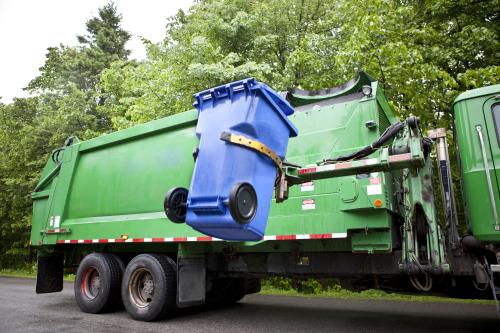
Garbage trucks perform an essential public service: collecting waste and keeping communities clean. However, when these massive vehicles are involved in accidents, the consequences can be devastating for other motorists, pedestrians, cyclists, and even the truck operators themselves. Even though garbage trucks make up a relatively small portion of all vehicles on the road, they are disproportionately represented in serious and fatal trucking accidents. According to data compiled by the Federal Motor Carrier Safety Administration (FMCSA), garbage/refuse trucks were involved in 107 fatal crashes and more than 1,400 injury crashes in a recent reporting year, underscoring the serious risk these vehicles pose in traffic incidents nationwide.
“When a massive vehicle like a garbage truck injures someone due to negligence, the consequences extend beyond wrecked vehicles, they disrupt lives. Accountability and justice demand careful investigation and aggressive advocacy to secure full compensation for victims.” – John J. Malm, Naperville truck accident attorney
What Makes Garbage Trucks Dangerous on the Road?
Garbage trucks are among the most dangerous types of commercial vehicles for several reasons. Their design, function, and operating environments introduce hazards that other vehicles do not typically face.
Size and Weight
Fully loaded garbage trucks can weigh more than 50,000 pounds, which is several times heavier than a typical passenger vehicle. This significant mass means that when a collision occurs, the force involved is much greater, increasing the likelihood of severe injuries and vehicle damage.
Frequent Stops and Starts
Unlike most commercial trucks that travel long distances on highways, garbage trucks operate in residential neighborhoods, making frequent stops to collect refuse. This pattern requires sudden stopping, pulling back into traffic, and cross-street movements, all of which other drivers may not anticipate.
Limited Visibility and Blind Spots
Garbage trucks have large blind spots, especially around the rear and sides of the vehicle. Even with mirrors and cameras, drivers can miss vehicles, cyclists, or pedestrians that enter these blind zones, particularly when backing up or turning.
Long and Irregular Shifts
Sanitation workers and garbage truck drivers often work extended shifts that may begin before sunrise and finish late in the afternoon or evening. Long hours and irregular schedules can contribute to driver fatigue, a known risk factor in many truck crash studies.
These factors combine to make garbage trucks uniquely hazardous, especially in residential settings where children, pets, walkers, and cyclists are commonly present.
Common Causes of Garbage Truck Accidents
Driver Error and Negligence
Driver distraction, fatigue, and improper maneuvers contribute to a large share of collisions involving garbage trucks. Distraction may include texting or smartphone use, while fatigue can stem from long routes and insufficient rest. Drivers may also fail to check blind spots before backing up or pulling into traffic, increasing the risk of striking a pedestrian or another vehicle.
Blind Spot Collisions
Garbage trucks have significant blind spots around their perimeters. When a vehicle, bicyclist, or pedestrian enters these zones, especially behind the truck, the operator may be unaware of their presence, leading to dangerous collisions during backing or turning maneuvers.
Improperly Secured Loads
Waste and debris that fall from a garbage truck due to insecure loading can create sudden hazards for other drivers. Vehicles may swerve or brake abruptly to avoid loose debris, leading to secondary collisions or pileups.
Mechanical Failures
Like all heavy equipment, garbage trucks require diligent maintenance. Brake failures, worn tires, malfunctioning steering components, and other defects can render a truck unsafe and significantly increase the risk of catastrophic accidents if they occur while the vehicle is in motion.
Unpredictable Stopping Patterns
Garbage trucks stop suddenly and frequently without much warning. Other motorists may misjudge the truck’s next move and fail to slow down in time, resulting in rear-end or side-impact collisions.
Who Is At Risk in Garbage Truck Accidents?
Garbage truck collisions can injure a wide variety of people:
- Motor vehicle occupants, especially those in smaller cars
- Pedestrians and cyclists struck while walking or riding near a truck
- Motorcyclists who may slide beneath a truck’s side
- Sanitation workers riding on or operating the truck
- Passengers in nearby vehicles during chain reaction crashes
Because of the sheer size and weight of these vehicles, even low-speed impacts can cause severe injuries.
Common Injuries in Garbage Truck Accidents
Accidents involving garbage trucks often result in serious injuries that can be long-lasting, if not permanent. The typical high force and mass involved in these collisions place victims at risk for severe trauma.
Traumatic Brain Injuries (TBIs)
Head trauma can occur when a victim’s head strikes a hard surface during impact, or when a pedestrian or bicyclist is thrown to the pavement. TBIs can lead to lasting cognitive impairment, memory loss, and emotional changes.
Spinal Cord Injuries
The force of impact can severely injure the spine, potentially resulting in partial or total paralysis and lifelong disability.
Fractures and Broken Bones
Bones in the arms, legs, ribs, and pelvis are especially vulnerable in garbage truck crashes. Multiple fractures often require surgical repair and extended rehabilitation.
Internal Injuries and Organ Damage
Blunt force trauma can cause internal bleeding, organ damage, and other life-threatening conditions that may not be immediately apparent.
Severe Lacerations and Amputations
Victims can suffer deep cuts, open wounds, and even amputations due to debris, compaction mechanisms, or crushing injuries during an accident.
What the Statistics Show
According to FMCSA data, garbage trucks were involved in 107 fatal collisions and more than 1,400 injury crashes in a recent reporting year, illustrating that these vehicles are a disproportionate source of serious truck accidents relative to their presence on the road.
Other data indicate that a significant portion of serious injury and fatality victims in garbage truck crashes are drivers other than the truck operator, but sanitation workers themselves are also at risk due to the mechanical aspects of the job and frequent movements on and off the vehicle.
Steps to Take After a Garbage Truck Accident
If you are involved in a collision with a garbage truck, the actions you take in the immediate aftermath could significantly affect your health and your legal claim. Here are essential steps:
- Seek Medical Treatment: Injuries from large truck accidents may not be immediately obvious. A medical evaluation ensures early treatment and builds a documented record.
- Report the Crash: Contact law enforcement and ensure an official accident report is created.
- Document Evidence: Take photos of vehicle damage, road conditions, and your injuries. Collect witness contact information when possible.
- Preserve Records: Save medical bills, repair estimates, insurance correspondence, and any other documentation related to the accident.
- Contact an Illinois Attorney Experienced in Truck Accidents: These cases involve complex liability issues, including commercial carriers, municipalities, and safety regulations. Legal guidance from an experienced Illinois truck accident lawyer is essential.
Frequently Asked Questions about Garbage Truck Accidents
Q: Who can be held liable after a garbage truck accident?
A: Potentially negligent parties include the truck driver, their employer (such as a waste management company or municipal sanitation department), maintenance providers, or even manufacturers if mechanical defects contributed to the crash.
Q: How long after a garbage truck accident can I file a claim?
A: In Illinois, personal injury claims must be filed within a statutory deadline known as the statute of limitations, which is typically two years from the date of the accident, though exceptions may apply.
Q: Do garbage truck accidents often involve fatalities?
A: Yes, due to the size and weight of these vehicles, garbage truck collisions have a higher likelihood of severe injury and death compared to typical passenger vehicle accidents.
Q: Can I recover compensation for emotional distress?
A: Yes. Emotional trauma, including anxiety and loss of enjoyment of life, is a recoverable category of damages in personal injury claims.
Q: What should I do if the garbage truck was operated by a city or public entity?
A: Claims against government entities often have special notice requirements and shorter deadlines. Prompt legal consultation is crucial to meet these procedural rules.
Contact the Top-Notch Illinois Garbage Truck Accident Attorneys at John J. Malm & Associates
Garbage truck accidents can cause catastrophic injuries, long hospital stays, significant financial loss, and permanent disability. The complex nature of these cases, involving large vehicles, commercial entities, and sometimes municipal operations, means that victims need experienced legal guidance to protect their rights and pursue compensation.
If you or a loved one were injured in a collision involving a garbage truck, do not navigate this process alone. Seek immediate medical attention, document every detail of the incident, and contact our experienced Illinois garbage truck injury team as soon as possible. We will investigate the crash, identify all responsible parties, and fight for the compensation you need for medical care, lost wages, pain and suffering, and future needs.
Contact John J. Malm & Associates for a free consultation and let us help you get the compensation you deserve.