

EXPERIENCED PERSONAL INJURY ATTORNEYS










Illinois Municipal Accident Lawyers
Attorneys for People Injured by Dangerous City Property Conditions
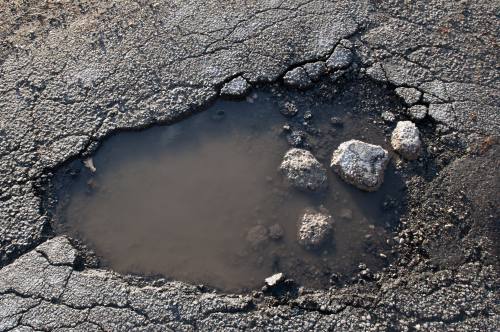
Accidents caused by dangerous public property, negligent government employees, or poorly maintained roads can leave victims with serious injuries and significant financial burdens. While many people assume that government entities are immune from lawsuits, Illinois law allows injured individuals to pursue compensation under certain circumstances. However, municipal liability claims are often more complex than ordinary personal injury cases because they involve unique legal rules, immunity defenses, and strict procedural requirements. If you were injured because of the negligence of a city, county, township, park district, school district, or another public entity, understanding your rights is essential.
“Municipal liability cases are among the most challenging personal injury claims because government entities often rely on complex immunity laws to avoid responsibility. At John J. Malm & Associates, we thoroughly investigate these cases, identify every responsible party, and fight to hold public entities accountable when their negligence causes serious injuries.” – John J. Malm, Naperville injury attorney
What Is Municipal Liability?
Municipal liability refers to the legal responsibility of a government entity for injuries caused by its negligence or the negligence of its employees while acting within the scope of their employment. Unlike lawsuits against private individuals or businesses, claims against municipalities are governed by the Illinois Local Governmental and Governmental Employees Tort Immunity Act (745 ILCS 10/), which provides certain protections to public entities while still allowing injured victims to recover damages in appropriate cases.
Municipal liability claims may involve:
- Dangerous road conditions
- Defective sidewalks
- Unsafe public buildings
- Negligent operation of government vehicles
- Poor maintenance of parks and playgrounds
- Traffic signal malfunctions
- Public transportation accidents
- Negligent maintenance of public property
- Water main failures
- Sewer backups
- Construction zone hazards on public projects
Although municipalities enjoy certain immunities, they are not automatically shielded from responsibility whenever someone is injured.
Why Municipal Liability Cases Are Different
Municipal liability claims differ significantly from ordinary personal injury lawsuits. Government entities often have legal defenses unavailable to private defendants, and determining whether immunity applies requires careful legal analysis. Some of the unique challenges include:
- Statutory immunities under Illinois law
- Questions regarding discretionary versus ministerial acts
- Public duty considerations
- Complex maintenance and inspection records
- Multiple government agencies sharing responsibility
- Extensive documentation requirements
Because these cases involve specialized statutes and case law, early investigation is critical.
Illinois Municipal Liability Statistics
Government agencies own and maintain thousands of miles of roads, bridges, sidewalks, and public facilities throughout Illinois. According to the Illinois Department of Transportation, Illinois has one of the nation’s largest transportation systems, including:
- More than 147,000 miles of public roads
- Nearly 27,000 bridges
- Thousands of intersections controlled by municipal traffic signals
- Hundreds of public parks and recreational facilities
Local governments are responsible for maintaining much of this infrastructure. When maintenance is neglected or dangerous conditions are ignored, serious injuries can result.
Motor vehicle crashes continue to cause thousands of injuries across Illinois each year, while slip and fall accidents remain among the leading causes of emergency room visits nationwide. Many of these incidents occur on public property or involve government-maintained infrastructure.
Common Municipal Liability Claims
Municipal liability can arise in many different situations.
Dangerous Road Conditions
Government agencies are responsible for maintaining reasonably safe roadways. Hazardous conditions may include:
- Large potholes
- Uneven pavement
- Missing guardrails
- Broken shoulders
- Poor drainage
- Dangerous drop-offs
- Missing road signs
- Obstructed visibility
Motorcyclists and bicyclists are particularly vulnerable to roadway defects that might pose only a minor inconvenience for passenger vehicles.
Defective Sidewalks
Cities and villages often maintain public sidewalks. Cracked pavement, uneven concrete slabs, and raised sidewalks caused by tree roots can create serious trip hazards. Common injuries include:
- Broken wrists
- Hip fractures
- Facial injuries
- Traumatic brain injuries
- Shoulder injuries
Whether a municipality is liable depends upon ownership, maintenance responsibilities, and whether the government had actual or constructive notice of the dangerous condition.
Dangerous Public Buildings
Municipalities must reasonably maintain public buildings such as:
- City halls
- Libraries
- Courthouses
- Community centers
- Police stations
- Public parking garages
Hazards may include wet floors, broken stairs, inadequate lighting, falling ceiling materials, or malfunctioning elevators.
Government Vehicle Accidents
Cities, counties, and other public entities operate thousands of vehicles, including:
- Police vehicles
- Fire trucks
- Ambulances
- Snowplows
- Garbage trucks
- Public buses
- Utility vehicles
While emergency vehicles sometimes receive special legal protections during emergency responses, they may still be liable when drivers act negligently under certain circumstances.
Park and Playground Injuries
Public parks should provide safe recreational spaces for families. Municipal negligence may involve:
- Broken playground equipment
- Unsafe walking paths
- Poor lighting
- Dangerous athletic facilities
- Improper maintenance of public swimming pools
Because recreational immunity laws sometimes apply, these cases require careful legal evaluation.
Snow and Ice Claims
Illinois winters create hazardous walking conditions. Municipal liability for snow and ice depends upon whether the dangerous condition resulted from natural accumulation, negligent snow removal, or another exception recognized under Illinois law.
Case Result: $495,000 Settlement Against the City of Chicago for a Dangerous Road Condition Motorcycle Accident
At John J. Malm & Associates, we have extensive experience handling municipal liability claims against cities and other government entities throughout Illinois. These cases require a thorough understanding of the Illinois Local Governmental and Governmental Employees Tort Immunity Act, as well as the ability to prove that a municipality had notice of a dangerous condition and failed to take reasonable steps to correct it.
One recent example of our success involved a $495,000 settlement for a motorcyclist who was seriously injured after encountering a dangerous roadway condition on Lake Shore Drive in Chicago. Our client was traveling on Lake Shore Drive when he struck a hazardous defect in the roadway, causing him to lose control of his motorcycle and crash. As a result of the accident, he suffered significant injuries that required extensive medical treatment and rehabilitation.
Roadway defect cases involving municipalities are often vigorously defended. Government entities frequently argue that they were immune from liability, that they lacked notice of the dangerous condition, or that the roadway defect was too minor to constitute an unreasonable hazard. Successfully overcoming these defenses requires a detailed investigation, preservation of evidence, expert analysis, and a thorough understanding of Illinois municipal liability law.
Our legal team immediately investigated the accident by documenting the roadway condition, reviewing maintenance and repair records, gathering evidence regarding the City’s knowledge of the defect, and working with experts to establish how the hazardous condition caused the crash. Through aggressive advocacy and careful preparation, we demonstrated that the dangerous roadway condition created an unreasonable risk to motorcyclists and that our client suffered substantial damages as a result.
The case ultimately resulted in a $495,000 settlement for our client, providing compensation for medical expenses, lost income, pain and suffering, and the long-term effects of his injuries.
Understanding Governmental Immunity
One of the biggest misconceptions is that municipalities can never be sued. In reality, Illinois law provides limited immunity, not absolute immunity. The Illinois Tort Immunity Act protects governmental entities in many situations involving discretionary policy decisions while allowing lawsuits involving operational negligence in others.
Examples of issues that frequently arise include:
- Whether the municipality owed a legal duty
- Whether employees were performing discretionary functions
- Whether the condition constituted ordinary negligence
- Whether statutory immunity applies
Each case requires a fact-specific legal analysis.
Proving Municipal Negligence
Successful municipal liability claims often require proving:
- The municipality owed a duty of reasonable care.
- A dangerous condition existed.
- The municipality created the condition or knew (or should have known) about it.
- The municipality failed to correct the hazard within a reasonable time.
- The dangerous condition directly caused the plaintiff’s injuries.
- The plaintiff suffered compensable damages.
Evidence often includes inspection records, maintenance logs, photographs, surveillance footage, witness testimony, engineering reports, and prior complaints.
Common Injuries in Municipal Liability Cases
Victims may suffer severe injuries, including:
- Traumatic brain injuries
- Spinal cord injuries
- Broken bones
- Neck injuries
- Back injuries
- Internal organ damage
- Permanent disability
- Wrongful death
Many victims require surgery, rehabilitation, and long-term medical care.
Why Early Investigation Matters in Municipal Liability Cases
Municipal liability cases often require immediate investigation. Public entities may repair dangerous conditions quickly after an accident, making it essential to preserve evidence before it disappears. An experienced attorney can:
- Photograph the accident scene
- Preserve surveillance footage
- Request maintenance records
- Obtain inspection reports
- Interview witnesses
- Work with engineering experts
- Identify all potentially responsible government agencies
Acting promptly can significantly strengthen a claim.
Frequently Asked Questions about Municipal Liability
Can I sue a city in Illinois after an accident?
Yes. Although municipalities have certain legal immunities, Illinois law permits lawsuits in many situations involving negligent maintenance of public property or the negligent acts of government employees.
What is the Illinois Tort Immunity Act?
The Illinois Local Governmental and Governmental Employees Tort Immunity Act limits liability for public entities in certain circumstances while allowing injured victims to pursue claims when statutory immunity does not apply.
Can I sue for injuries caused by a pothole?
Possibly. If a municipality knew or reasonably should have known about a dangerous pothole and failed to repair it within a reasonable time, it may be liable for resulting injuries, depending on the specific facts and applicable immunities.
Are government vehicle accidents handled differently?
Yes. Claims involving police cars, fire trucks, public buses, or other government vehicles often involve additional legal issues, particularly when emergency response privileges are involved.
Contact the Experienced Illinois Municipal Liability Accident Attorneys at John J. Malm & Associates
Government entities have experienced attorneys and insurance representatives working to protect their interests immediately after an accident. You deserve experienced legal representation protecting yours. If you were injured because of a dangerous roadway, defective sidewalk, negligent government employee, unsafe public property, or another form of municipal negligence, the attorneys at John J. Malm & Associates are prepared to investigate your claim and pursue the compensation you deserve.
Our team understands the complexities of municipal liability cases, including governmental immunity, public records, and the unique legal standards that apply to claims against public entities. Contact John J. Malm & Associates today for a free consultation and let us help you hold negligent government entities accountable while you focus on your recovery.