

EXPERIENCED PERSONAL INJURY ATTORNEYS











Illinois Nursing Home Feeding Tube Injury Lawyers
Attorneys for Residents Injured During Feedings at Nursing Homes
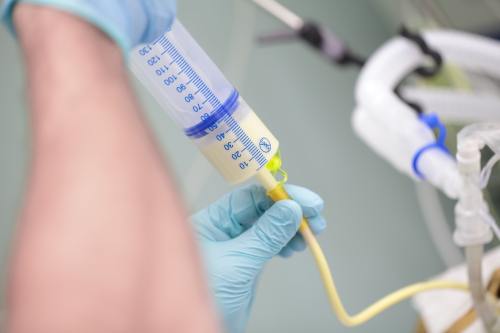
Feeding tubes, whether short-term nasogastric (NG) tubes or longer-term percutaneous endoscopic gastrostomy (PEG) tubes, are sometimes medically necessary. But in nursing homes they are also a frequent source of serious complications, neglect claims, and preventable suffering. Residents can experience aspiration pneumonia, tube dislodgement, site infection, pressure injuries, and other harms that lead to hospitalization or worse. Families and advocates need clear information about how often these problems occur, why they happen, what nursing homes must do to prevent them, and what steps to take if a loved one was injured. The research shows that feeding-tube use in long-term care has fallen in recent years, but complications and tragic outcomes remain common, and many are avoidable with proper care.
“Feeding tubes are medical devices that require constant, careful attention. Too often we see tragic outcomes that could have been prevented with simple, routine care: secure the tube, check the site, follow infection-control steps, and listen to family concerns. When a nursing home fails to meet these basic duties and a resident is injured, families deserve answers and accountability.” — John J. Malm, Naperville nursing home abuse lawyer
How Common is Tube Feeding in Nursing Homes and are Complications Frequent?
Feeding tube placement among nursing home residents rose and fell over the last two decades. National studies show a decline in the proportion of nursing home residents receiving feeding tubes: one large analysis found tube use among residents with advanced dementia fell from about 11.7% in 2000 to about 5.7% in 2014, reflecting changing practices and growing awareness of risks and limited benefit in many cases.
Despite the decline in placements, complications are still widespread among those who have tubes. The medical literature documents a range of complication rates depending on the population and the tube type: aspiration pneumonia, for example, is a leading and sometimes deadly complication in tube-fed patients, with studies reporting wildly variable prevalence estimates (from low single digits to very high percentages in select populations) and substantial mortality once aspiration occurs. Other commonly reported problems include tube dislodgement, blockage, leakage, insertion-site infection, pressure injuries around the stoma, and mechanical trauma from improper handling or transfers.
Why Feeding Tube Injuries Happen in Nursing Homes
Feeding tube injuries are rarely the result of a single cause; they usually reflect a combination of resident risk factors (dementia, frailty, impaired swallow reflex), clinical decisions, and care failures at the facility level:
- Poor tube maintenance and monitoring: Tubes require regular flushing, securement, skin checks, and documentation. Failure to secure or check tubes increases the risk of dislodgement, leakage, or skin breakdown.
- Inadequate staff training and staffing levels: Facilities with limited staffing or staff who lack training in enteral feeding protocols are more likely to have complications and neglect-related incidents. Studies show variations in outcomes related to facility characteristics.
- Failure to follow infection-control protocols: The PEG insertion site and the tube hub are portals for bacteria. Poor technique during feedings or dressing changes can cause wound infection and systemic illness.
- Improper positioning and aspiration risk: If residents are fed while lying flat or are not positioned properly, gastric contents can reflux and be aspirated into the lungs, a common pathway to aspiration pneumonia.
- Failure to reassess goals of care: For many frail, elderly residents (particularly those with advanced dementia), the risks of tube feeding may outweigh the benefits. Failing to reassess and to honor advance directives can lead to unnecessary procedures and preventable harm.
The Most Serious and Common Complications
The following complications are among the most frequent and dangerous in tube-fed nursing home residents:
- Aspiration pneumonia: Breathing food, liquid, or stomach contents into the lungs can cause infection with significant morbidity and mortality; rates and outcomes vary by patient population, but when aspiration occurs, it can be life-threatening.
- Tube dislodgement or migration: A tube that is accidentally pulled out or migrates into the esophagus or respiratory tract can cause immediate airway compromise, require emergency replacement, and increase infection risk.
- Site infection and peritonitis: The stoma (PEG site) can become infected; if bacteria reach the abdominal cavity, peritonitis and sepsis may follow.
- Clogged or blocked tubes: Failure to flush tubes appropriately or improper feeding mixtures can cause blockages, which may interrupt nutrition and require invasive procedures to resolve.
- Pressure injuries and skin breakdown: Continuous contact, moisture, or poorly secured tubes can create pressure points and ulcers around the insertion site.
- Mechanical trauma during transfers and care: Poor transfer technique or rough handling can dislodge tubes or cause internal injury.
Signs of Feeding Tube-Related Injury or Neglect
Families and caregivers should be alert for symptoms and signs that a tube-fed resident is being harmed or their care plan is failing:
- Sudden coughing, choking, or noisy respirations during or after feeding (possible aspiration).
- Fever, increased respiratory rate, or breathing difficulty (possible aspiration pneumonia or infection).
- Redness, swelling, pus, or foul drainage at the tube site (possible infection).
- Unexpected leakage of feed around the stoma, sudden loss of tube position, or visible tube damage.
- New bruising, skin breakdown, or open sores at or near the tube site (possible pressure injury or poor securement).
- Signs of dehydration or malnutrition despite ongoing tube feeds (possible clogged tube or improper feeding).
- Repeated, unexplained hospitalizations for chest infections or abdominal pain.
If you see these signs, seek immediate medical evaluation and document what you observed with dated photos, written notes, and copies of medical records.
What Federal and Medical Guidance Says About Feeding Tubes in Frail Elderly Patients
Multiple clinical guidelines and recent research emphasize careful, individualized decision-making about feeding tubes, especially in patients with advanced dementia or very limited life expectancy. For many such residents, evidence has not shown a clear survival or quality-of-life advantage from PEG placement, and the risks of complications are significant. Recent hospital- and population-based studies continue to refine when tube feeding helps and when it causes more harm than benefit; clinicians and families are increasingly urged to consider alternatives (hand-feeding, comfort feeding) and to weigh goals of care.
When Feeding Tube Injuries May Be Nursing Home Negligence
Feeding tube complications alone are not automatically evidence of negligence, as some complications are known risks. But nursing homes have legal duties: proper insertion and maintenance protocols, timely monitoring of tube position and site, staff training, infection control, and adherence to physician orders and residents’ care plans. When a facility fails in those duties and that failure causes harm, families may have strong legal claims for neglect or malpractice. Common legal theories include:
- Neglect of basic care and monitoring (failure to check tube placement, failure to secure tube).
- Inadequate infection prevention leading to wound infection or sepsis.
- Failure to follow physician orders regarding flushing, medication administration via tube, or feeding protocols.
- Staffing and training failures that increase the risk of preventable harm.
- Failure to honor advance directives or informed-consent obligations before placing a long-term feeding tube.
Proving liability often requires careful review of medical records, staffing logs, incident reports, surveillance footage (when available), and expert testimony.
Evidence and Documentation that Strengthens a Nursing Home Neglect Claim
If you suspect neglect or injury related to a feeding tube, preserve and collect information right away:
- Copies of all medical records and nursing notes related to tube placement, feedings, site checks, and infection treatments.
- The facility’s incident and accident reports; any shift assignments or staffing logs for the period in question.
- Photographs of the tube site, positioning, and any skin breakdown (dated and time-stamped if possible).
- Witness statements from family, other residents, or staff who saw the care provided.
- Hospital records, if the resident was transferred, imaging (X-rays) that document tube position are especially important.
- Documentation of advance directives and any prior discussions about the goals of care.
An experienced Illinois nursing home injury attorney can help secure records through legal means and work with medical experts to interpret the evidence.
Taking the Next Steps
If you suspect a feeding-tube injury or neglect at a nursing home:
- Seek medical care for the resident immediately: safety and treatment come first.
- Document everything: photographs, names of staff, times, and any conversations.
- Request and secure medical records from the facility and any hospitals involved. Put requests in writing and keep copies.
- Report the incident to the Illinois Department of Public Health, which will investigate.
- Contact an experienced Illinois nursing home neglect attorney who can evaluate the facts, preserve evidence, and explain your legal options.
Frequently Asked Questions about Nursing Home Feeding Tube Injuries
Q: Are feeding tubes always a bad idea for nursing home residents with dementia?
A: Not always, but numerous studies and guidelines suggest that feeding tubes often provide limited benefit for residents with advanced dementia and carry significant complication risks. Many clinicians now recommend careful goal-of-care discussions and considering hand-feeding for comfort unless specific reversible conditions suggest benefit.
Q: My mom was rushed to the hospital after her tube leaked and she developed a bad infection. Is that neglect?
A: It may be. Leaks and site infections can result from poor securement or failure to follow infection-control protocols. Document the timeline, obtain records, and consult an attorney experienced in nursing home cases to review whether care fell below accepted standards.
Q: What if the facility says tube dislodgement “just happens”?
A: Accidents can happen, but repeated or preventable dislodgements, especially when caused by inadequate securement, staffing, or supervision, can indicate neglect. Each incident should be documented and investigated.
Q: Can I get compensation if my loved one died after a feeding-tube complication?
A: Possibly. Wrongful death and negligence claims are fact-specific and depend on evidence that the facility’s failure caused or materially contributed to the death. Consult counsel promptly, as statutes of limitation and evidence preservation are critical.
Contact the Top-Rated Illinois Nursing Home Feeding Tube Injury Attorneys at John J. Malm & Associates
Feeding-tube injuries in nursing homes are frequently preventable, and when they occur, they can produce severe, sometimes fatal outcomes. The difference between a facility’s acceptable complication and negligent care often lies in documentation, protocols, and whether staff took reasonable steps to prevent known risks. Families who act quickly to secure medical attention, document the facts, and consult counsel preserve the strongest paths to answers and potential recovery.
If your loved one was harmed by a feeding tube, whether from a dislodgement, an infection, repeated aspiration events, pressure injuries, or other preventable complications, the award-winning Illinois nursing home injury lawyers at John J. Malm & Associates can help. We regularly handle cases involving nursing home neglect and medical-device complications, and we will review the medical records, work with qualified medical experts, and advocate for accountability and compensation so families can focus on care and healing. Contact our office for a free, confidential consultation and let us explain your rights and options.