

EXPERIENCED PERSONAL INJURY ATTORNEYS














Dementia Patients in Nursing Homes
Top-Rated Attorneys for Dementia Patients Injured in Nursing Homes
Caring for a loved one with dementia is emotionally and practically challenging. Families often rely on nursing homes to provide safe, skilled care when memory loss, confusion, and physical frailty make independent living impossible. But dementia also makes people uniquely vulnerable to mistakes, shortcuts, and, in the worst cases, intentional nursing home abuse or systemic neglect.
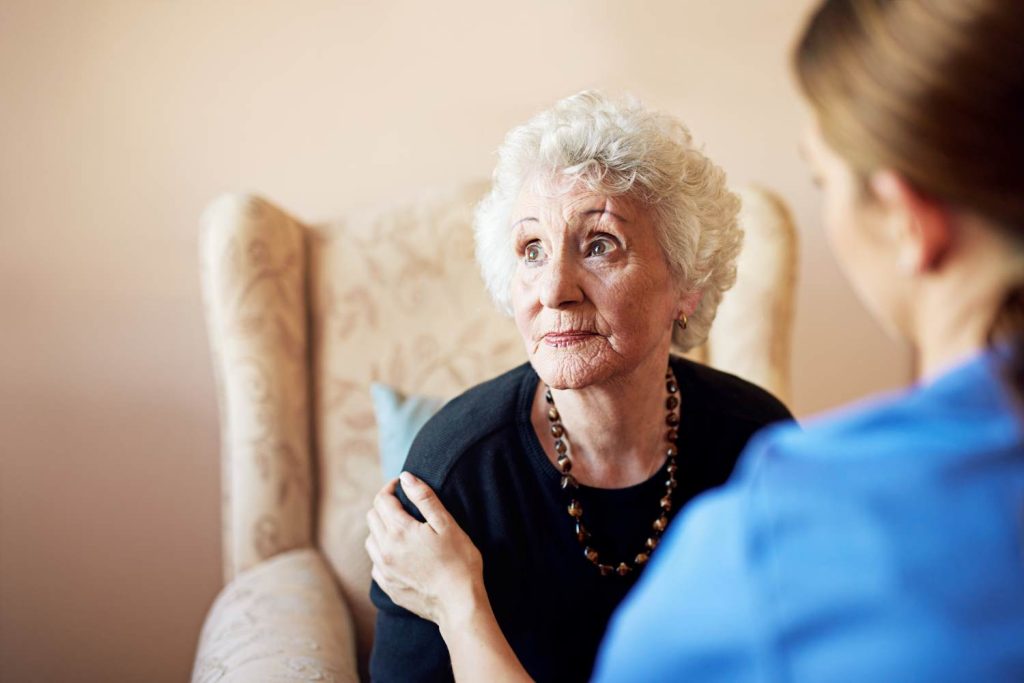
At John J. Malm & Associates, our team of Illinois nursing home injury lawyers has built a reputation throughout Illinois for providing compassionate, skilled, and aggressive advocacy for vulnerable nursing home residents, especially those living with dementia. Families trust our firm because we combine decades of experience in complex elder-abuse litigation with a hands-on, client-focused approach that prioritizes communication, transparency, and results. We understand how devastating it is to discover that a loved one with dementia has suffered abuse or neglect, and we are committed to holding negligent facilities accountable, uncovering the truth, and securing justice for those who cannot speak for themselves.
“Families place enormous trust in nursing homes to protect their family members with dementia. When that trust is broken, through neglect, abuse, or willful indifference, the consequences are devastating. At John J. Malm & Associates, we stand with families, and we fight to make nursing homes accountable.” — John J. Malm, Naperville nursing home abuse attorneys
How Common is Dementia in Nursing Homes?
Dementia is widespread among nursing home residents. National estimates show that roughly 45% of nursing home residents have Alzheimer’s disease or another form of dementia, and recent analyses find that most nursing homes care for substantial proportions of residents with cognitive impairment. The concentration of people with dementia in long-term care settings means staff must be trained and systems designed specifically to meet their needs, something many facilities struggle with.
Why Dementia Increases the Risk of Nursing Home Abuse and Neglect
People living with dementia are at higher risk of harm for several overlapping reasons:
- Communication barriers: Residents may not be able to describe pain, the identity of an abuser, or events that led to an injury. That makes it harder for families and investigators to detect problems.
- Dependence on caregivers for basic needs: When residents rely on staff for feeding, bathing, toileting, medication, and mobility assistance, any lapse in care can quickly cause harm (malnutrition, dehydration, pressure injuries, infections, or falls).
- Behavioral symptoms of dementia: Agitation, wandering, resistance to care, or sundowning can lead to conflict with caregivers, and bad actors may respond with inappropriate force or chemical restraints rather than patient-centered strategies.
- Social isolation and lack of visitors: Residents who receive few family visits are less likely to have abuse detected; this isolation makes them an easier target for financial exploitation, neglect, or mistreatment.
- Staffing pressures and inadequate training: High staff turnover and low levels of dementia-specific training leave facilities short on experienced caregivers who know how to prevent, de-escalate, and safely manage dementia-related behavior.
Common Forms of Abuse and Neglect Affecting Dementia Patients
Abuse and neglect of residents with dementia can take many forms. Some are intentional, while others arise from systemic failures.
Physical abuse
- Hitting, slapping, pushing, or inappropriate use of restraints.
- Rough handling during transfers or bathing that causes bruises, fractures, or fearfulness.
Emotional and psychological abuse
- Yelling, threats, humiliation, ignoring the resident, or isolating them from others.
Sexual abuse
- Any non-consensual sexual contact or sexualized behavior toward a resident who cannot consent.
Neglect (active or passive)
- Failure to provide food, fluids, hygiene, medication, wound care, toileting assistance, or fall prevention.
- Leaving a resident unattended while at high risk of wandering or injury.
Medication misuse and chemical restraints
- Overmedicating to sedate a resident, using antipsychotics or other drugs as a convenience rather than for a documented medical need.
Financial exploitation
- Unauthorized use of a resident’s funds, coercion to change legal documents, theft of property.
Abandonment
- Leaving a resident alone without supervision when care is required.
Facility-wide or systemic deficiencies
- Chronic understaffing, inadequate infection control, poor care plans, and lack of individualized dementia care that produce harm across many residents.
Even when a facility didn’t intend harm, neglect and institutional failures can be just as devastating as intentional abuse.
Signs and Red Flags to Watch For in Dementia Patients
Because dementia patients often cannot report abuse, family members and friends must be especially observant. Key warning signs include:
- Unexplained bruises, fractures, burns, or frequent “falls” without a plausible explanation.
- New or worsening weight loss, dehydration, or bedsores.
- Sudden changes in mood: increased fear, withdrawal, or agitation after interactions with particular staff.
- Repeated urinary tract infections, chronic pain left untreated, or poorly managed chronic conditions.
- Evidence of over-sedation: excessive sleepiness, difficulty being aroused, or abrupt changes after medication administration.
- Missing personal items, sudden changes to finances, or unexplained withdrawals from accounts.
- Unsanitary conditions, strong odors, dirty bedding or clothing, and persistent infestations.
- Staff who refuse to allow private conversations, are evasive about incidents, or delay medical care and family notification.
- A resident who seems fearful of a specific staff member or staff group.
If you notice any of these, document dates and details, take photographs when safe and possible, and report concerns promptly to facility management and the appropriate state authorities.
Consequences of Nursing Home Abuse and Neglect for Dementia Patients
The physical and emotional consequences of abuse and neglect can be especially severe for people with dementia:
- Health decline: Malnutrition, dehydration, infections, untreated pain, and pressure ulcers accelerate physical deterioration and increase mortality risk.
- Increased hospitalizations: Avoidable hospital stays expose frail residents to further complications and loss of function.
- Worsened cognitive and behavioral symptoms: Trauma and neglect can exacerbate confusion, agitation, paranoia, and depression.
- Loss of trust and social withdrawal: Residents may stop interacting with loved ones or caregivers, worsening decline.
- Legal and financial harm: Exploitation can leave a resident without the means to pay for care or personal needs.
What Families Should Do If They Suspect Neglect or Abuse of a Dementia Resident
- Trust your instincts. If something feels wrong, it probably is.
- Get medical attention for the resident. Prioritize health and safety, and ask doctors to document injuries and medical findings.
- Document everything. Keep detailed notes of observations, dates/times, staff names, and any conversations. Take photos of injuries and living conditions when possible.
- Preserve evidence. Do not wash bedding or clothing that may contain physical evidence and preserve medical records.
- Report to the facility. Ask to speak to the nursing supervisor, administrator, or director of nursing — but do not rely only on internal reporting.
- Report to state authorities. In Illinois you can report suspected abuse or neglect to Adult Protective Services (1-866-800-1409) and to the Illinois Department of Public Health’s Central Complaint Registry (1-800-252-4343). Families can also contact the Long-Term Care Ombudsman program for advocacy and support. Prompt reporting helps trigger investigations and protect other residents.
- Contact an Illinois nursing home abuse attorney. Legal counsel can preserve evidence, advise on reporting, and pursue civil claims to hold wrongdoers and facilities accountable.
How Nursing Home Abuse and Neglect Cases are Proved
Proving abuse or neglect of a resident with dementia requires careful fact-gathering and expert input:
- Medical records and physician testimony document injuries, timeliness of care, and whether standard care was provided.
- Photographs and contemporaneous notes from family, staff, and witnesses help establish what happened and when.
- Facility records (staff schedules, incident reports, staffing levels, training records, restraint logs, and surveillance footage where available) can show systemic issues or specific employees’ conduct.
- Expert witnesses (geriatric nurses, physician experts, and social workers) explain how the care breached applicable standards and caused harm.
- Financial records and forensic accountants are used in exploitation cases.
Because dementia complicates witness testimony, documentary and expert evidence is especially important. An attorney experienced with elder abuse can coordinate investigators, preserve volatile evidence, and present a persuasive case to regulators, criminal prosecutors, or civil juries.
Remedies and Outcomes Families Can Pursue
Depending on the facts, families may have several options:
- Administrative complaints and facility sanctions. State inspectors can levy fines, require corrective action, or, in extreme cases, revoke licensure.
- Criminal prosecution. If conduct meets criminal standards (assault, battery, criminal neglect, theft), local prosecutors can bring charges. Illinois criminal statutes specifically address abuse or criminal neglect of long-term care facility residents.
- Civil lawsuits. Families may pursue claims for negligence, willful misconduct, wrongful death, or financial exploitation to recover compensation for medical care, pain and suffering, and other losses. Civil cases also create public accountability and can force systemic change.
- Protective orders and conservatorships. Courts can appoint guardians or conservators and order actions to protect a resident’s person or assets.
- Settlement and facility reforms. Civil actions often result in monetary recovery and sometimes stipulations that require facility improvements, training, or monitoring.
What John J. Malm & Associates Does to Help Families of Dementia Nursing Home Residents
If you suspect abuse or neglect, our firm can help right away:
- Preserve and collect evidence. We act quickly to get medical records, personnel files, and other time-sensitive proof.
- Work with experts. We retain experienced geriatric nurses, physicians, and forensic accountants to document how the care fell short.
- Protect your loved one. We coordinate with Adult Protective Services, the Long-Term Care Ombudsman, and medical providers to keep the resident safe.
- Pursue legal remedies. We pursue administrative, criminal, and civil avenues by seeking compensation, accountability, and facility changes to protect others.
- Handle the insurance and litigation process. We manage communications with insurers and the facility so families can focus on their loved one’s safety and recovery.
How to Reduce the Risk Before Placement and While Visiting
Choosing and monitoring a nursing home proactively reduces risk:
- Visit at varied times (mealtimes, evenings, weekends) and observe staffing, resident interaction, and hygiene.
- Ask about dementia-specific training for staff, staff-to-resident ratios, turnover rates, and use of agency staff.
- Review inspection reports and complaint histories available from the Illinois Department of Public Health.
- Ensure the facility has a written, individualized dementia care plan and non-pharmacologic strategies for behavior management.
- Keep frequent contact, bring meaningful items from home, and involve the resident in care decisions to reduce isolation and enhance oversight.
Frequently Asked Questions about Dementia Residents Nursing Home Neglect
Q: My loved one has dementia and has unexplained bruises. What should I do first?
A: Seek immediate medical care so injuries are documented, take photos, write detailed notes about when you found the injury, and report the concern to facility management and to Illinois authorities (Adult Protective Services and the Department of Public Health hotline). Then contact an attorney who handles nursing home abuse to protect evidence and advise you.
Q: Will reporting make staff retaliate against my family member?
A: Retaliation is illegal and unacceptable. Still, families should document interactions, request written confirmation of reports, ask for a written plan of corrective action, and consult an attorney if retaliation occurs. Agencies such as the Long-Term Care Ombudsman can offer independent advocacy.
Q: Can a resident with dementia testify in court?
A: Cognitive impairment may complicate testimony. Courts evaluate competency individually, and documentary evidence, eyewitnesses, and expert testimony often play the central role in proving abuse or neglect for residents with dementia.
Q: How long do I have to file a lawsuit in Illinois?
A: Statutes of limitation vary by claim and by whether the claim is against the facility or an individual. Because deadlines can be complex and missing a deadline can forever bar a claim, consult an attorney promptly.
Q: What if the facility blames “accidents” or “falls”?
A: Facilities sometimes categorize injuries as accidents rather than as the predictable result of substandard care. Detailed evidence, such as staffing records, prior complaints, lack of fall precautions, and physician testimony can show when an injury was foreseeable and preventable.
Contact the Compassionate Illinois Nursing Home Abuse Attorneys at John J. Malm & Associates
Dementia makes people uniquely vulnerable in long-term care settings, and the warning signs of abuse and neglect can be subtle. Prompt action, including medical care, documentation, reporting, and legal advocacy is essential to protect your loved one and to hold facilities accountable.
If you suspect abuse or neglect in an Illinois nursing home, don’t wait. Contact our office for a free, confidential consultation. We will evaluate your case, explain your options under Illinois law, and act quickly to preserve evidence and protect the resident. You don’t have to face this alone. At John J. Malm & Associates, we fight hard for families and the dignity of their loved ones.