

EXPERIENCED PERSONAL INJURY ATTORNEYS














Chronic Conditions in Nursing Home Residents
Illinois Nursing Home Abuse and Neglect Attorneys
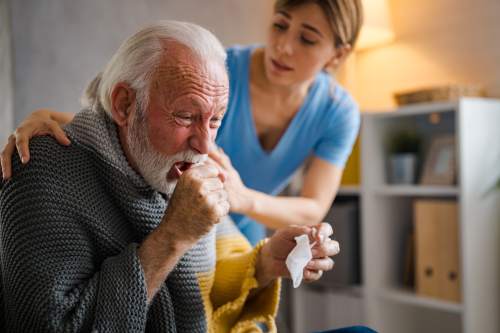
Nursing homes are intended to be safe havens for older adults and other vulnerable individuals who need support with daily living and medical care. Yet the reality for many families and residents is bleak: chronic health conditions, cognitive decline, physical dependency, and institutional pressures often intersect to create environments where abuse and neglect occur. Chronic conditions themselves do not cause mistreatment, but they make residents more vulnerable and reliant on caregivers, increasing the risk that mistreatment may go unnoticed or unaddressed. Understanding how chronic illnesses affect risk is essential to recognizing abusive or neglectful patterns and protecting loved ones living in long-term care settings.
“Residents who come into a nursing home often do so because they can no longer care for themselves due to chronic illness or disability. That dependence places them in a position where they rely on others for nearly every aspect of daily living. When those entrusted with care fail to meet even the most basic standards, the consequences can be devastating. Our role as attorneys is to ensure that facilities are held accountable when they breach their duty and harm the people they promised to protect.” — John J. Malm, Naperville nursing home injury attorney
The Prevalence of Chronic Conditions in Nursing Homes
Most nursing home residents carry multiple chronic health conditions, which frequently require complex care and close supervision. According to national public health data from the CDC, a large majority of long-term care residents have been diagnosed with two or more chronic conditions, and a significant portion have even more extensive co-morbidities:
- About 55 % of residential care residents had been diagnosed with two or three of the most common chronic conditions, and 18 % had been diagnosed with four to ten of these conditions. Conditions tracked included high blood pressure, Alzheimer’s disease and other dementias, heart disease, depression, arthritis, diabetes, chronic obstructive pulmonary disease, and stroke.
These conditions often impair mobility, cognition, communication, and self-care abilities, factors that increase reliance on staff for assistance with basic daily needs and heighten vulnerability to maltreatment.
Key chronic conditions seen in nursing home populations include:
- High blood pressure (found in more than half of residents).
- Alzheimer’s disease and other dementias (reported in roughly 44 % of residents).
- Heart disease and depression, both common chronic health issues in elderly populations needing long-term care.
- Multiple co-morbid conditions, meaning many residents contend with more than one significant disease state simultaneously.
These overlapping conditions are frequent contributors to nursing home placement, as family caregivers and outpatient services may no longer be able to meet the complex medical and personal needs of residents.
Why Chronic Conditions Increase Vulnerability
Chronic health problems make nursing home residents inherently more vulnerable to abuse and neglect for several reasons:
Physical Dependency
Residents with chronic illnesses often require assistance with basic activities of daily living (ADLs), such as bathing, dressing, toileting, eating, and moving. This dependence places them in close contact with nursing home staff, which can increase opportunities for mistreatment, whether intentional or due to overstretched resources.
Cognitive Impairment
Dementia, Alzheimer’s disease, and other forms of cognitive decline not only reduce memory and reasoning but also lower residents’ ability to recognize, remember, or report abuse. This combination of cognitive vulnerability and dependency creates a setting where mistreatment is less likely to be identified and corrected promptly.
Communication Barriers
Many chronic conditions, especially those involving neurological decline or advanced age, impair residents’ ability to clearly articulate concerns or communicate distress to family members, regulators, or outside authorities. Staff may overlook signs of harm or, in worst cases, take advantage of these communication barriers.
Physical Frailty
Chronic illnesses such as heart disease, arthritis, diabetes, and COPD make residents more physically fragile, less mobile, and more prone to complications such as infections or injuries. Frail individuals are less able to defend themselves, resist improper behavior, or avoid dangerous interactions.
Increased Care Needs and Staffing Strain
Residents with chronic illnesses require more frequent and specialized care, which places greater demands on nursing home staffing. Facilities that cannot meet these demands, due to understaffing, inadequate training, or poor oversight, are more likely to provide substandard care that constitutes neglect.
Abuse and Neglect Statistics in Nursing Homes
Abuse and neglect in nursing homes is a national concern, and statistics paint a troubling picture of risk, especially for residents already weakened by chronic health issues:
- Surveys indicate that as many as 44 % of nursing home residents reported being abused, and up to 95 % stated they had witnessed neglect of another resident.
- National inspection data from 2023 showed that U.S. nursing homes received 94,499 health citations for violations, with 7,654 (about 8 %) involving abuse, neglect, or exploitation.
- Abuse in nursing homes includes physical harm, psychological abuse, financial exploitation, neglect of basic needs, and other types of mistreatment.
- According to detailed reporting, two-thirds of nursing home staff in some studies admitted to having committed abuse in the previous year.
- Psychological and emotional forms of abuse also occur at high rates, with emotional mistreatment and neglect complaints commonly documented.
These figures likely underestimate the true scope of the problem, given that many residents cannot accurately report abuse or are reluctant to do so due to fear of retaliation or loss of care.
Types of Abuse and Their Relationship to Chronic Conditions
Abuse and neglect can manifest in many ways, and chronic conditions can exacerbate the harm caused by each type:
Physical Abuse
Physical abuse includes hitting, pushing, improper use of restraints, or intentional harm. Residents with fragile bones, arthritis, or decreased mobility are especially susceptible to injury from physical force or mishandling.
Neglect
Neglect occurs when caregivers fail to provide adequate food, water, hygiene, medication, or medical attention. Residents with chronic conditions like diabetes or heart disease are especially vulnerable to neglect because poor management of these illnesses can lead to serious complications, including infections, amputations, and death.
Psychological and Emotional Abuse
Verbal assaults, threats, humiliation, and isolation can have devastating psychological effects, particularly for residents with cognitive impairment or depression. Their ability to cope and resist stressors is already compromised by their underlying health conditions.
Sexual Abuse
Although less commonly reported, sexual abuse is a severe form of mistreatment that disproportionately affects residents who are less able to resist or report due to cognitive decline or physical disability.
Financial Exploitation
Residents with cognitive impairments such as dementia are more susceptible to coercion, fraud, and theft of financial assets. Their chronic conditions can reduce their confidence and ability to monitor their own finances, leaving them vulnerable to exploitation.
Institutional Factors and Systemic Vulnerabilities
Chronic conditions don’t just make residents physically and cognitively vulnerable; they also strain the institutional system charged with caring for them.
Some systemic factors that exacerbate the risk of abuse and neglect include:
- Severe staffing shortages, with many facilities reporting inadequate numbers of trained professionals to meet residents’ needs.
- High staff turnover and burnout, leading to inconsistent care and reduced accountability.
- Low levels of direct care from registered nurses, resulting in residents being cared for mainly by aides who may lack specialized medical training.
- Underreporting of abuse cases, partly because residents cannot communicate clearly or fear retribution if they complain.
These systemic pressures make it more likely that the needs of residents with chronic health conditions will go unmet or be met inadequately, creating conditions that constitute neglect under the law.
Signs of Abuse and Neglect in Residents With Chronic Conditions
Families and caregivers should watch for signs that a loved one with chronic health problems may be in danger:
- Unexplained injuries (bruises, cuts, fractures)
- Bedsores or pressure ulcers, indicating prolonged neglect
- Sudden weight loss or malnutrition
- Repeated hospitalizations or untreated medical issues
- Withdrawal, fearfulness, or sudden changes in behavior
- Poor hygiene or dehydration
- Medication errors or untreated symptoms
These signs may reflect neglect rather than intentional abuse, but the legal and medical consequences can be just as serious.
Frequently Asked Questions about Chronic Conditions and Nursing Home Abuse
Q: Are nursing home residents with dementia more likely to be abused?
A: Yes. Cognitive impairment, such as dementia, makes residents less able to recognize, report, or resist abuse, raising their risk compared to residents without cognitive conditions.
Q: Why does neglect happen in nursing homes?
A: Neglect may occur due to understaffing, lack of training, burnout, inadequate supervision, or systemic failures within the facility. Residents with chronic illness often require more intensive care that these environments fail to provide adequately.
Q: Are abuse statistics accurate?
A: Abuse and neglect in nursing homes are widely believed to be underreported because many residents cannot communicate effectively, fear retaliation, or their complaints are not properly documented.
Q: Can chronic conditions make signs of abuse harder to detect?
A: Yes. Symptoms of abuse, such as weight loss, mood changes, or mobility decline, may be mistakenly attributed to the chronic illness itself, delaying diagnosis and intervention.
Q: What should families do if they suspect abuse?
A: Families should document observations, seek medical evaluations, report concerns to state authorities or ombudsman programs, and contact legal counsel experienced in nursing home abuse cases.
Contact the Highly-Rated Illinois Nursing Home Abuse Attorneys at John J. Malm & Associates
Chronic conditions are at the heart of why many nursing home residents are uniquely vulnerable to abuse and neglect. These illnesses make residents dependent, less able to advocate for themselves, and at greater risk when care standards fall short. If you suspect that a loved one has suffered harm in a nursing home due to neglect, abuse, or failure to meet their medical and personal care needs, it’s essential to act promptly. Contact John J. Malm & Associates today for a free consultation. Our experienced Illinois nursing home abuse attorneys will review the facts of your case, protect your loved one’s rights, and pursue just compensation against negligent facilities and caregivers. You don’t have to face this challenge alone; reach out now for legal guidance and peace of mind.